Key Takeaways
-
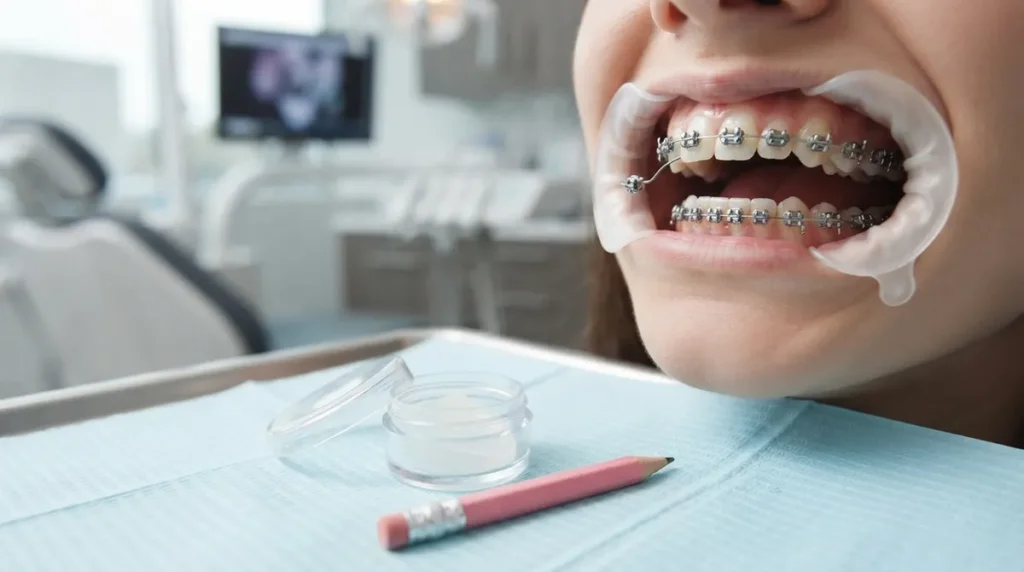
Cover the sharp wire end with orthodontic wax immediately to prevent cheek irritation, and use a pencil eraser to gently reposition the wire back toward the bracket for temporary relief.
-
A broken braces wire is rarely a true emergency and can usually wait until the next business day unless the wire is actively cutting tissue with ongoing bleeding or pain worsens after 48 hours.
-
Quick wire repairs typically take only 15-30 minutes and cause minimal treatment delays if addressed promptly, but ignoring a broken wire for weeks can allow unplanned tooth shifting and extend overall treatment time.
-
Avoid hard candies, ice, nuts, sticky foods, and chewing habits like biting pens or nails, as these are the most common causes of broken wires in addition to sports injuries and normal wear.
-
Always keep orthodontic wax in your bag, car, and home as an emergency kit, and call your orthodontist even if temporary fixes work, since unaddressed breaks can affect your treatment timeline.
-
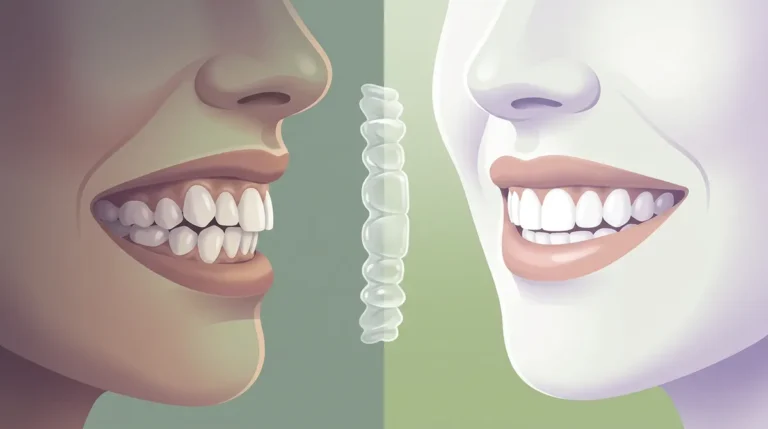
LightForce custom 3D-printed braces and clear aligners like Angel Aligners reduce wire-related problems by eliminating tension mismatches or removing wires altogether, with potential treatment time reductions up to 45%.
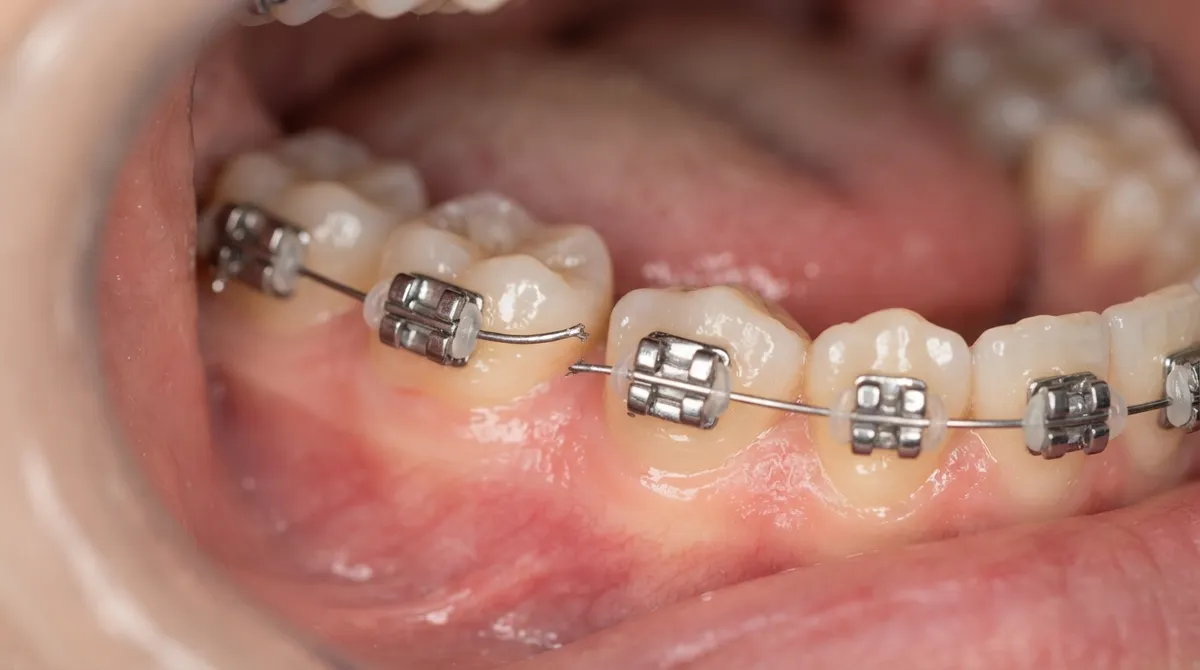
Picture this: it’s a busy Tuesday evening, dinner is almost ready, and suddenly your child (or maybe you!) feels a sharp poke on the inside of the cheek. A braces wire has broken or slipped loose. Your heart jumps a little, but take a breath. A broken braces wire is one of the most common orthodontic hiccups, and in most cases, it’s totally manageable at home until you can get proper care. This guide will walk you through exactly what to do, step by step, so you can handle it calmly and confidently.
Whether you’re a mom juggling soccer practice and homework, a professional prepping for a big presentation, or an adult finally getting the smile you always wanted, a broken wire doesn’t have to derail your day. At Segovia Orthodontics in Lakewood Ranch, we want every patient and parent to feel prepared for these little bumps in the road. Let’s break down what’s happening, why it happens, and how to fix it until you can get to your orthodontist.
Is a Broken Braces Wire a Real Emergency?
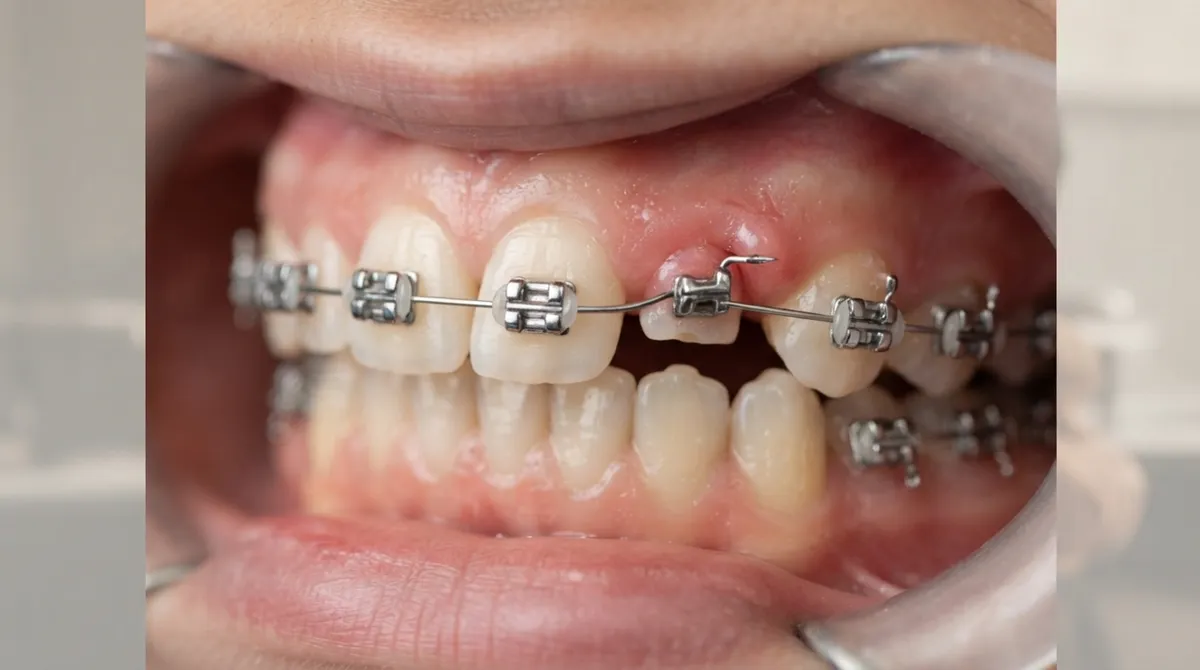
Here’s some reassuring news: a broken or loose wire is rarely a true dental emergency. Most of the time, it just causes irritation, not a crisis that requires rushing to urgent care. Unless the wire is actively cutting into your cheek, tongue, or gums and causing bleeding that won’t stop, you likely have time to manage it at home first.
That said, it’s still important to reach out to your orthodontic office. Many practices, including ours, offer orthodontic emergency guidance by phone or text so you can get quick advice without an unnecessary trip. Waiting a day or two is usually fine, but you shouldn’t ignore it completely, since delays can sometimes affect your treatment timeline.
When You Should Call the Same Day
While most broken wires can wait until the next business day, there are a few situations where you should call right away:
- The wire is actively poking or cutting the inside of your cheek or gums
- You notice ongoing bleeding that doesn’t stop with gentle pressure
- Pain gets worse instead of better after 48 hours
- A piece of wire feels like it may have come loose in your mouth
- You have swelling that seems to be increasing
If any of these apply, don’t wait it out. Contact us so we can assess the situation and get you in quickly if needed.
Why Do Braces Wires Break in the First Place?
Understanding why wires break can help you prevent it from happening again. Braces wires are designed to be durable, but they aren’t indestructible. A few common culprits include:
- Eating hard or sticky foods: Biting into hard candy, ice, or crunchy snacks puts extra stress on wires and brackets.
- Chewing on pens or fingernails: This habit can gradually weaken wires over time.
- Sports injuries: A blow to the face during physical activity can bend or snap a wire instantly.
- Normal wear and tear: As teeth shift, wires naturally experience tension, and sometimes a segment can slip or break near the end of an adjustment cycle.
- Skipping orthodontic wax: Small irritations that go unaddressed can worsen and eventually contribute to wire movement.
Knowing these triggers is half the battle. For a full rundown of foods and habits to avoid, check out our guide on foods to avoid with braces.
Step-by-Step: How to Handle a Broken Wire at Home
Ready for the good news? You have several simple tools already at home (or in your orthodontic starter kit) that can help you manage this until your appointment. Here’s exactly what to do:
Step 1: Stay Calm and Assess the Situation
Take a look in the mirror or have someone help you check where the wire is poking. Is it in the front, back, upper, or lower part of your mouth? Knowing the exact location will help you (and your orthodontist) address it faster.
Step 2: Cover the Wire with Orthodontic Wax
Orthodontic wax is your best friend in this moment. It’s a soft, pliable wax made specifically to cushion sharp wire ends and protect your cheeks, lips, and gums from irritation. Simply pinch off a small piece, roll it into a ball, and press it directly over the poking wire.
If you don’t have wax on hand, don’t panic. Many orthodontic offices give out extra wax at appointments, so it’s smart to always keep some in your bag, car, or bathroom cabinet for exactly this kind of moment.
Step 3: Try the Pencil Eraser Trick
If wax alone isn’t cutting it, grab a clean pencil with an eraser. Gently use the eraser end to push the wire back into a less bothersome position, tucking it closer to the bracket. This won’t damage your braces, and it can provide instant relief from poking.
Step 4: Trim the Wire (Only If Necessary)
If the wire still won’t behave and you have access to small, sterilized nail clippers or wire cutters, you can carefully snip the excess piece. Always use a clean tissue or gauze to catch the clipped piece so you don’t accidentally swallow it. This step should only be a last resort, and it’s always best to let your orthodontist handle wire trimming when possible.
Step 5: Rinse with Warm Salt Water
If the wire has caused any small cuts or abrasions, rinse your mouth with warm salt water. Mix one teaspoon of salt into a glass of warm water and swish gently. This helps clean the area and reduces the risk of infection while your mouth heals.
Step 6: Manage Discomfort with Pain Relievers
If the area feels sore or tender, over-the-counter pain relievers like ibuprofen or acetaminophen can help. Always follow the dosage instructions on the label, and consult a pharmacist if you’re unsure about interactions with other medications.
Step 7: Call Your Orthodontist to Schedule a Repair
Even if the wire feels fine now, it’s important to let your orthodontic team know what happened. A broken wire, even a small one, can sometimes shift your treatment plan if left unaddressed for too long. Go ahead and request an appointment so we can get things back on track quickly.
Quick Reference: Home Remedies for a Broken Wire
| Tool | Purpose | How to Use It |
|---|---|---|
| Orthodontic wax | Covers sharp wire ends | Roll into a ball, press over the wire |
| Pencil eraser | Repositions the wire | Gently push wire back toward the bracket |
| Sterilized clippers | Trims excess wire | Snip carefully, catch the piece with gauze |
| Warm salt water | Cleans minor cuts | Swish gently for 30 seconds |
| Ibuprofen or acetaminophen | Reduces pain | Take as directed on the label |
Will a Broken Wire Slow Down Your Treatment?
This is a question we hear a lot, especially from busy parents and career-focused adults who don’t want any delays. The honest answer is: it depends on how quickly you address it. A wire that’s left broken for weeks can allow teeth to shift in unplanned ways, which might extend your overall treatment time.
The good news is that most repairs are quick and simple. At Segovia Orthodontics, Dr. Flor Segovia and her team use advanced orthodontic technology to make adjustments efficient, so a broken wire visit typically doesn’t add much time to your appointment or your treatment plan overall.
Choosing Braces That Are Less Likely to Cause Wire Issues
If you’re just starting treatment or considering a switch, it’s worth knowing that not all braces systems behave the same way. Some options are engineered with patient comfort and durability in mind.
LightForce Braces: Custom-Fit for Fewer Surprises
LightForce Orthodontics is a fully digital, 3D-printed bracket system custom designed for each patient’s teeth. Because the brackets fit so precisely, there’s often less tension mismatch that can lead to wire slippage. Plus, treatment times can be reduced by up to 45%, meaning fewer months of wearing braces overall and, potentially, fewer chances for wire issues to pop up.
WildSmiles Braces: Fun Meets Function
For kids and teens who need extra motivation to keep up with oral hygiene and care instructions, WildSmiles Braces offer fun bracket shapes like stars, hearts, and even Mickey Mouse designs. When kids are excited about their braces, they’re more likely to follow care instructions carefully, which can reduce the chances of accidental damage from poor habits.
Clear Aligners: An Option Without Wires at All
For teens and adults who want to avoid wire issues altogether, clear aligners are worth exploring. Since there are no metal wires or brackets, there’s nothing to break or poke your cheek. Angel Aligners, one option we offer, use a smart 7-day and 3-day wear schedule to help move teeth efficiently while staying virtually invisible, a favorite among young professionals and life event planners preparing for weddings or graduations.
Preventing Future Wire Breaks: Simple Habits That Help
Once your wire is fixed, a few small changes can go a long way in preventing another break down the road:
- Avoid biting into hard foods like whole apples, nuts, or ice
- Skip sticky candies and chewing gum that can pull at wires
- Wear a mouthguard during sports, even non-contact ones
- Keep orthodontic wax handy in your bag, car, and at home
- Attend all scheduled adjustment appointments on time
- Brush and floss carefully around brackets and wires daily
These habits don’t just prevent broken wires. They also support overall treatment success and help you get to your finished smile faster.
What to Expect at Your Wire Repair Appointment
Not sure what happens once you’re in the chair? Here’s a simple breakdown of what a typical repair visit looks like:
- Your orthodontic assistant will check the affected area and ask about your symptoms
- The broken or loose wire section will be removed or replaced
- Your bite and alignment will be quickly reviewed to ensure everything is on track
- Any necessary adjustments will be made to keep your treatment plan moving forward
- You’ll receive fresh wax and any care tips specific to your situation
Most repair visits are short, often 15 to 30 minutes, so you can get back to your day quickly. This is especially reassuring for career-focused adults who can’t afford long absences from work.
Why Choose a Practice That Prioritizes Comfort and Communication
Not every orthodontic office handles emergencies the same way. When choosing where to get your braces or aligners, look for a practice that offers clear communication, flexible scheduling, and genuine care for your comfort. At Segovia Orthodontics, we believe every patient, whether a nervous seven-year-old or a busy working parent, deserves prompt attention when something feels off.
Dr. Flor Segovia is a board-certified orthodontist, recognized by the American Board of Orthodontics, and she brings that same level of expertise to every wire repair, adjustment, and consultation. You can learn more about her approach on our Orthodontist Flor Segovia page.
Curious what other patients and families think? You can visit us on Google — Segovia Orthodontics to read real reviews from the Lakewood Ranch community, or follow along with smile transformations on our Instagram page and our Facebook page for tips, updates, and patient stories.
A Word for Parents Managing Their Child’s Braces
If you’re a parent reading this because your child just texted you a photo of a bent wire, take a deep breath. Kids are resilient, and this is a very common part of the orthodontic journey. Keep a small emergency kit at home with wax, a clean pencil, and gauze, so you’re always ready.
It’s also a great idea to review our common orthodontic problems guide together with your child, so they know what to expect and feel empowered to handle small issues confidently, whether at school, practice, or a sleepover.
Wrapping Up: You’ve Got This
A broken braces wire might feel alarming in the moment, but now you know exactly how to handle it. Cover the sharp edge with wax, reposition it gently with a pencil eraser if needed, rinse with salt water, and reach out to your orthodontist to get it properly fixed. These small, calm steps can save you a lot of stress and keep your treatment on schedule.
If you’re dealing with a broken wire right now, or if it’s time for a check-up anyway, our friendly Lakewood Ranch team is here to help. Feel free to request an appointment online, or simply call us at 941-557-1333 and we’ll guide you through next steps right over the phone. And if you’re looking for extra support building your practice’s online presence, our friends at Brain Buzz Marketing do wonderful work helping local businesses like ours connect with families in the community. Your smile journey matters to us, broken wire and all, and we’re here for every step of it.
FAQs
Q: Is a broken braces wire considered a dental emergency?
A: Usually not! Most broken wires just cause minor irritation and can wait a day or two for a repair appointment. The only time you should treat it as urgent is if the wire is actively cutting your cheek or gums and causing ongoing bleeding.
Q: How do I temporarily fix a broken braces wire at home?
A: Start by covering the sharp end with orthodontic wax to protect your cheek. If it’s still poking, gently push it back into place with the eraser end of a clean pencil, then call your orthodontist to schedule a proper repair.
Q: Can I cut a broken braces wire myself?
A: You can, but only as a last resort and with sterilized nail clippers or wire cutters. Always catch the trimmed piece with gauze so you don’t accidentally swallow it, and let your orthodontist know afterward.
Q: Will a broken wire affect my braces treatment progress?
A: It can, if it’s left unaddressed for a long time, since teeth may shift in unplanned ways. The good news is that quick repairs usually keep your treatment right on schedule with little to no delay.
Q: How long can I wait to see an orthodontist for a broken wire?
A: In most cases, you can safely wait until the next business day. However, if pain gets worse after 48 hours or the wire is cutting into soft tissue, it’s best to call your orthodontist the same day.
Our Service Area