Key Takeaways
-
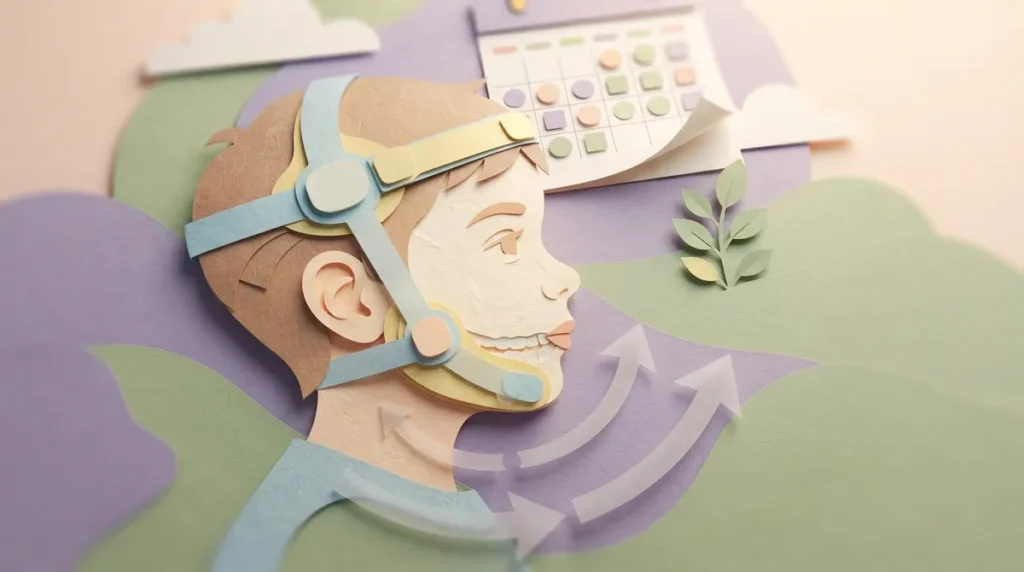
Headgear is most effective for children ages 7-14 when jawbones are still growing; wearing it 12-14 hours daily can shorten treatment time by up to a year compared to braces alone.
-
Headgear corrects bite problems braces alone cannot fix, including severe overbites, underbites, and crossbites by applying steady pressure to guide jaw growth.
-
Consistency in wear time is critical—skipping headgear wear regularly extends treatment duration and reduces effectiveness, so establishing a nightly routine is essential.
-
Headgear typically causes mild pressure and tightness for the first week, not sharp pain; any sharp pain or fit issues require immediate orthodontist contact.
-
Adults cannot effectively use headgear since their jawbones have finished growing; they should explore alternative options like clear aligners or discreet bracket systems instead.
-
Three main headgear types exist—cervical pull for overbites, high pull for vertical growth control, and combination styles—with your orthodontist selecting the best fit based on individual evaluation.
Picture this: your child’s orthodontist mentions the word “headgear,” and suddenly you’re picturing something out of an old movie. Take a breath, mom and dad. Braces and headgear are actually a well-tested team that fixes bite problems braces alone can’t handle. At Segovia Orthodontics in Lakewood Ranch, we see families every week who have questions about this exact topic, and we love walking them through it with zero judgment and lots of reassurance.
Headgear sounds intimidating, but it’s really just a helper tool. It works alongside braces to guide jaw growth in kids and teens whose bones are still developing. If you’re a concerned parent trying to understand why your child’s orthodontist recommended it, or you’re an adult wondering if it’s too late for you, this guide breaks it all down in plain, friendly language.
What Exactly Is Orthodontic Headgear?
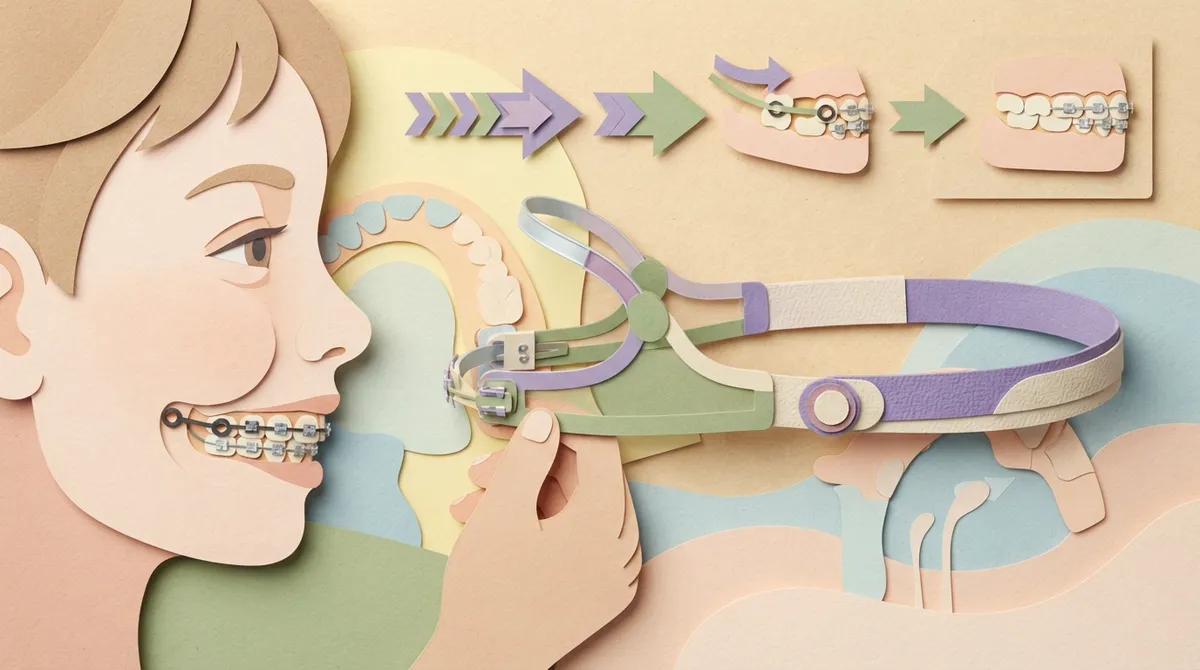
Headgear is a removable appliance that attaches outside the mouth, usually to the head or neck. It connects to the braces with bands or hooks and applies steady, gentle pressure. This pressure helps move the jaw or teeth into a better position over time.
Think of braces as the tool that straightens individual teeth. Headgear is the tool that corrects the bigger picture, like how the upper and lower jaws line up with each other. Braces alone can’t always fix a jaw that’s growing in the wrong direction. That’s where headgear steps in to lend a hand.
This combo treatment is most often used for kids and pre-teens between ages 7 and 14. During these years, the jawbone is still growing and much easier to guide. Waiting until adulthood makes these corrections far more difficult, which is why early evaluations matter so much. You can learn more about catching issues early in our guide to early orthodontic treatment.
Why Would a Dentist Recommend Braces and Headgear Together?
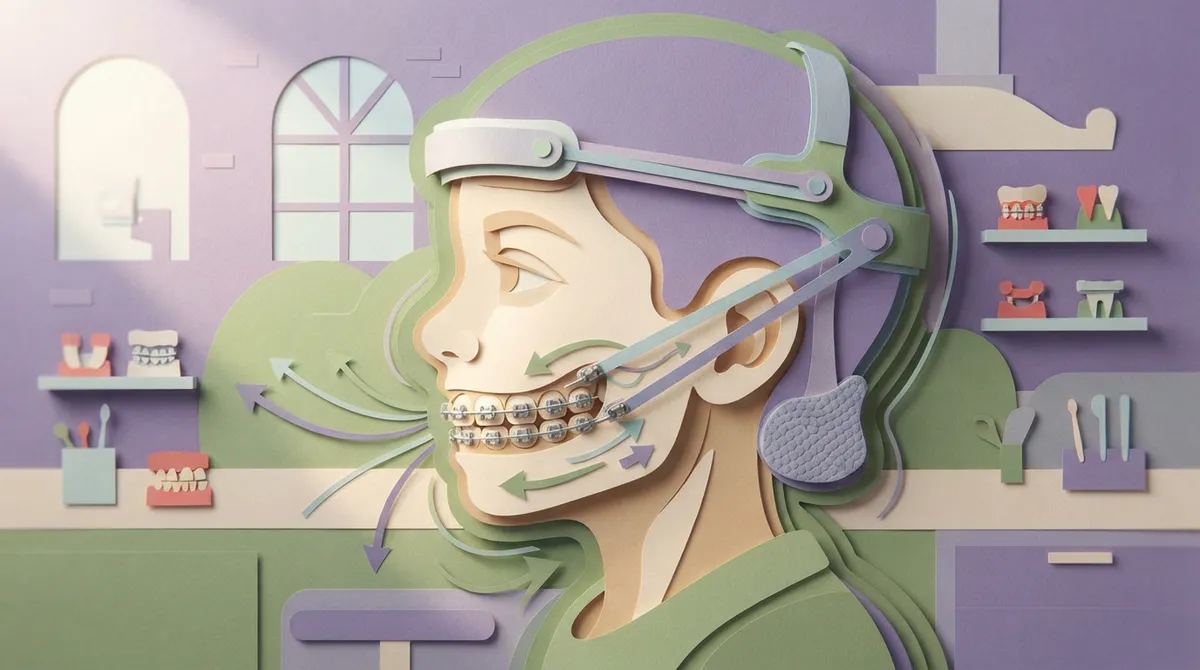
Not every patient needs headgear. It’s typically reserved for more serious bite issues that braces simply cannot correct alone. Here are the main reasons an orthodontist might suggest this combination:
- Severe overbite, where the upper teeth and jaw stick out too far
- Significant underbite, where the lower jaw juts forward
- Crossbite that affects the width or alignment of the jaw
- Insufficient space for permanent teeth to come in properly
- A need to hold teeth in place while other teeth are guided into position
According to research summarized by the Wikipedia entry on orthodontic headgear, this appliance transfers external force to the mouth to guide both jaw growth and tooth movement. It’s a tried-and-true method that’s been refined over decades of orthodontic care.
The Three Main Types of Orthodontic Headgear
Not all headgear looks or works the same way. Depending on your child’s specific bite issue, Dr. Flor Segovia may recommend one of these three styles.
Cervical Pull Headgear
This type attaches to a strap around the back of the neck. It’s typically used to correct an overbite by pulling the upper back teeth backward. Many parents find this style easier for kids to wear during sleep since it sits low and comfortable.
High Pull Headgear
High pull headgear attaches to a strap that goes over the top of the head. This style is often chosen for cases involving both vertical and horizontal jaw growth concerns. It helps control how much the back teeth grow upward.
Combination Headgear
As the name suggests, this style combines both cervical and high pull methods. It offers more balanced control for complex cases where multiple directions of force are needed. Your orthodontist will determine which combination works best based on x-rays and a full evaluation.
| Headgear Type | Attachment Point | Best For |
|---|---|---|
| Cervical Pull | Back of the neck | Correcting overbites |
| High Pull | Top of the head | Vertical growth control |
| Combination | Head and neck | Complex bite issues |
How Long Do Kids Wear Headgear Each Day?
This is probably the question we hear most from busy moms juggling school schedules and after-school activities. The honest answer is that consistency really matters here.
- Most patients need to wear headgear for 12 to 14 hours each day.
- Many families find it easiest to schedule wear time overnight while sleeping.
- Some cases, like reverse-pull facemasks, may require at least 16 hours daily.
- Total treatment time with headgear and braces combined usually runs 6 to 18 months.
- Skipping wear time regularly can extend treatment or reduce its effectiveness.
We know asking a teenager to wear anything extra can feel like a battle. But framing it as a way to finish treatment faster, and avoid needing headgear longer than necessary, often helps motivate consistent use. In fact, research shows using headgear correctly can shorten correction time by up to a year compared to braces alone.
Does Headgear Hurt? What Parents Should Know
We get this question constantly, and it’s a fair one. Nobody wants their child in pain. The good news is that headgear typically causes mild pressure, not sharp pain.
Here’s what to expect during the adjustment period:
- A feeling of tightness or pressure for the first few days
- Mild soreness in the jaw, similar to when braces are first tightened
- Some getting used to sleeping with the appliance on
- Discomfort that typically fades within a week as the mouth adjusts
- Schedule a full evaluation, ideally around age 7, per common orthodontic guidelines.
- Ask your orthodontist to explain exactly why headgear is recommended for your child’s specific bite.
- Request a demonstration of how to put on and remove the headgear correctly.
- Set a consistent daily wear schedule, often overnight, to build a routine.
- Keep all follow-up appointments so your orthodontist can track jaw growth progress.
- Reach out immediately if there’s pain, breakage, or fit issues.
- Longer overall treatment time with braces
- Reduced correction of the underlying bite problem
- Possible need for additional appliances down the road
- Frustration for both parents and kids when goals aren’t met on schedule
If your child reports sharp pain, sores, or the headgear feels loose, that’s the time to reach out to your orthodontic office right away. Our team at Segovia Orthodontics always encourages families to reach out about any orthodontic emergency concerns rather than waiting it out.
Is Headgear Still Used in Modern Orthodontic Care?
With clear aligners and advanced bracket systems becoming so popular, some parents assume headgear is outdated. That’s actually not the full picture. While overall usage has declined thanks to newer technology, studies show 62% of orthodontists still consider headgear a viable treatment for certain bite problems, especially Class II malocclusions.
At our Lakewood Ranch practice, Dr. Segovia uses advanced orthodontic technology to determine exactly which cases still benefit from headgear versus which ones can be treated with braces or aligners alone. Every smile is different, and treatment plans should reflect that.
Can Adults Use Headgear Too?
Here’s the short answer: not typically. Headgear relies on the jawbone still being in an active growth phase, which mostly applies to children and teens between ages 7 and 14. Adult bones have already finished growing, so headgear generally isn’t effective for grown-up patients.
If you’re an adult dealing with bite issues, don’t worry. There are other excellent paths forward. Options like clear aligners or discreet bracket systems can address many alignment concerns without needing external headgear. Adults who had braces years ago and are noticing shifting teeth might also want to read about avoiding common adult orthodontics mistakes during treatment.
Braces Options That Pair Well With Headgear Treatment
When your child does need headgear alongside braces, the type of braces they wear can still be fun and personalized. We offer a couple of standout options at our practice.
WildSmiles Braces for Kids Who Need Extra Motivation
Kids wearing headgear sometimes need a little extra encouragement to stay excited about treatment. That’s where WildSmiles Braces come in. Instead of standard round brackets, kids can choose fun shapes like stars, hearts, soccer balls, or even Mickey Mouse designs.
This might sound like a small detail, but it makes a real difference. When kids feel proud of their braces, they’re more likely to brush properly, avoid off-limits foods, and stick with wearing their headgear as instructed. It turns a sometimes-stressful process into something they can actually look forward to each visit.
LightForce Braces for Precise, Comfortable Treatment
For families wanting the most advanced technology available, LightForce Orthodontics offers fully digital, 3D-printed brackets custom-fitted to each tooth. This precision can mean more comfortable treatment and potentially faster results, which pairs nicely with the goal of finishing headgear use as quickly as possible.
Steps to Take If Your Child Might Need Headgear
If your family is facing this conversation for the first time, here’s a simple roadmap to follow:
Every child’s situation is unique, which is why a proper evaluation matters so much. Our team walks families through every step so nothing feels confusing or overwhelming. You can read more about what happens during a first visit in our guide to the first orthodontic visit.
What Happens If Headgear Isn’t Worn Consistently?
We won’t sugarcoat this one. Headgear only works when it’s worn as directed. Skipping days or cutting wear time short can slow down progress significantly.
Here’s what inconsistent wear can lead to:
We get it, teens have busy lives with sports, sleepovers, and social plans. But building headgear into a nighttime routine, similar to brushing teeth, tends to work well for most families. Consistency really is the secret ingredient here.
Trusting Board-Certified Expertise for Your Child’s Smile
Choosing the right orthodontist matters, especially when a treatment plan involves headgear. Dr. Flor Segovia is a board-certified orthodontist who stays current with the latest research and techniques, including guidelines set by the American Board of Orthodontics. Bilingual care in English and Spanish also means more families across Lakewood Ranch feel comfortable and understood during every visit.
Curious what other parents in our community are saying? You can visit us on Google — Segovia Orthodontics to read real reviews from families just like yours. We also share smile transformations and treatment tips on our Facebook page and our Instagram page, where you can see actual patients rocking their fun WildSmiles brackets.
Ready to Get Answers About Your Child’s Smile?
Braces and headgear together can feel like a big commitment, but they solve real problems that braces alone simply can’t fix. With the right guidance, consistent wear, and a supportive orthodontic team, most kids breeze through this phase faster than parents expect. Whether your child needs headgear, standard braces, or a completely different approach, the most important step is getting a proper evaluation from a trusted professional.
Our Lakewood Ranch team is here to answer every question with patience and honesty. Feel free to contact us to discuss your child’s smile goals, or go ahead and request an appointment to get started. You can also simply call us at 941-557-1333 and our friendly staff will walk you through the next steps. We can’t wait to help your family feel confident about the journey ahead.
FAQs
Q: When is headgear necessary for braces treatment?
A: Headgear is usually recommended when a child has a severe overbite, underbite, or crossbite that braces alone can’t correct. It’s most effective while the jawbone is still growing, typically between ages 7 and 14. Your orthodontist will confirm if headgear fits your child’s specific needs during a full evaluation.
Q: How long do you have to wear headgear with braces?
A: Most kids need to wear headgear for about 12 to 14 hours a day, often overnight while sleeping. Total treatment time combining headgear and braces usually runs anywhere from 6 to 18 months. The more consistent the wear, the faster things tend to move along.
Q: Does headgear work for adults or only children?
A: Headgear works best for children and teens because their jawbones are still growing and easier to guide. Adult jawbones have finished growing, so headgear typically isn’t effective for grown-ups. The good news is adults have plenty of other great options, like clear aligners or discreet braces.
Q: Is headgear painful to wear with braces?
A: Headgear usually causes mild pressure or tightness rather than sharp pain, especially during the first few days. Most kids adjust within a week and get used to the feeling quickly. If there’s ever sharp pain or a poor fit, it’s best to contact your orthodontic office right away.
Q: What happens if you don’t wear headgear consistently?
A: Skipping headgear wear time can slow down treatment and reduce how well the bite issue gets corrected. This often means longer time in braces overall, which nobody wants. Building headgear into a nightly routine, like brushing teeth, usually helps kids stay consistent without much fuss.
Our Service Area