Key Takeaways
-
Early detection of jaw misalignment by age 7 allows orthodontists to guide jaw development while it's still growing, potentially resulting in shorter and simpler treatment compared to waiting until adulthood.
-
Jaw misalignment and crooked teeth are not the same issue—your teeth can be straight while jaw bones are misaligned, or vice versa, requiring different treatment approaches identified through X-rays and digital scans.
-
Treatment options range from traditional braces ($3,000-$7,000, 18-36 months) to clear aligners ($3,500-$8,000, 12-24 months) to palatal expanders for children ($2,000-$3,000, 6-12 months), with advanced options like LightForce braces potentially speeding up treatment by 45%.
-
Common warning signs include difficulty chewing, uneven tooth wear, visible overbites/underbites, speech changes, facial asymmetry, jaw discomfort, and mouth breathing—any of these warrant an orthodontic evaluation.
-
Severe skeletal jaw misalignment in adults whose jaws have finished growing may require combining orthodontics with jaw surgery coordinated with an oral surgeon, as tooth movement alone cannot correct bone position.
-
Wearing your retainer as directed after orthodontic treatment is critical to preventing relapse; skipping retainer use is the most common reason jaw and bite problems return in adults.
Have you ever watched your child chew and wondered if something looked a little off? Or maybe you’ve noticed your own jaw clicking when you yawn. You’re not alone. Jaw misalignment is more common than most people think, and here in Lakewood Ranch, families ask us about it every single week. The good news? Most jaw and bite concerns can be spotted early and treated with real, proven options.
This guide walks you through the clearest warning signs, how orthodontists actually diagnose jaw misalignment, and what treatment might look like for your family. Whether you’re a mom watching your seven-year-old’s smile change, a young professional considering clear aligners, or an adult whose teeth have shifted since your last round of braces, this list is for you. Let’s break it down together, one sign at a time.
What Jaw Misalignment Really Means
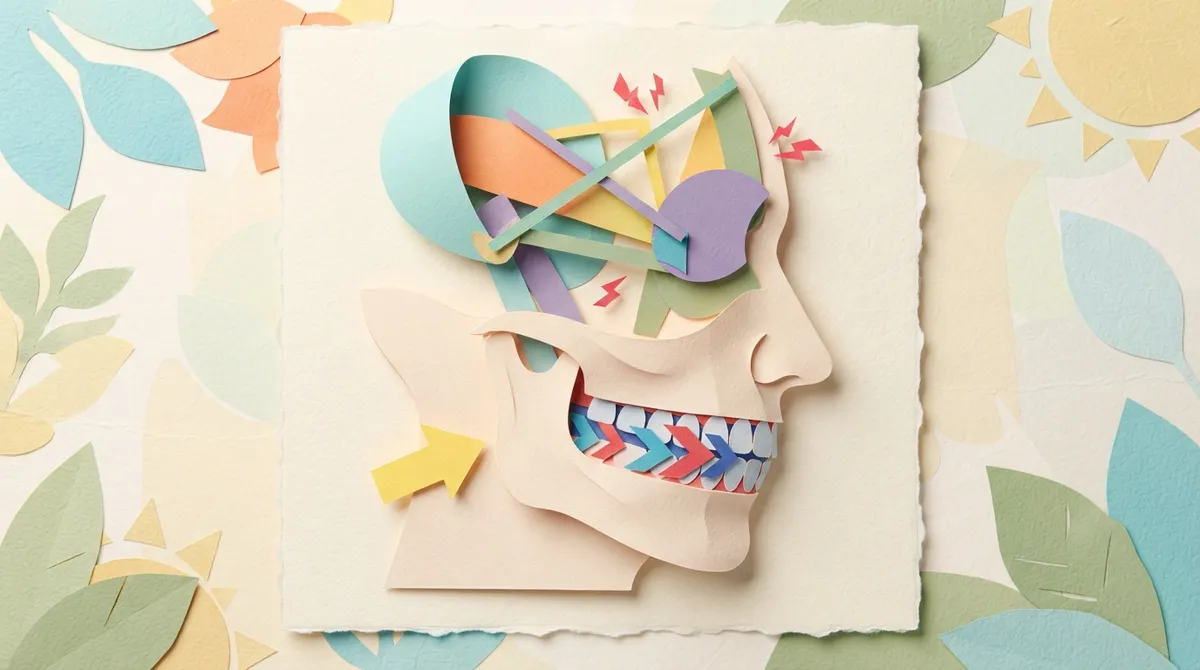
Jaw misalignment, often called malocclusion, happens when your upper and lower jaws don’t line up the way they should. Sometimes it’s just the teeth that are out of position. Other times, the actual jaw bones don’t fit together correctly. This distinction matters a lot when it comes to treatment.
An orthodontist looks at more than your smile to figure this out. They check your bite, your facial balance, how your jaw moves, and how your teeth meet. This is why a proper evaluation, like the ones described in our orthodontic evaluation guide, is so important before jumping to conclusions.
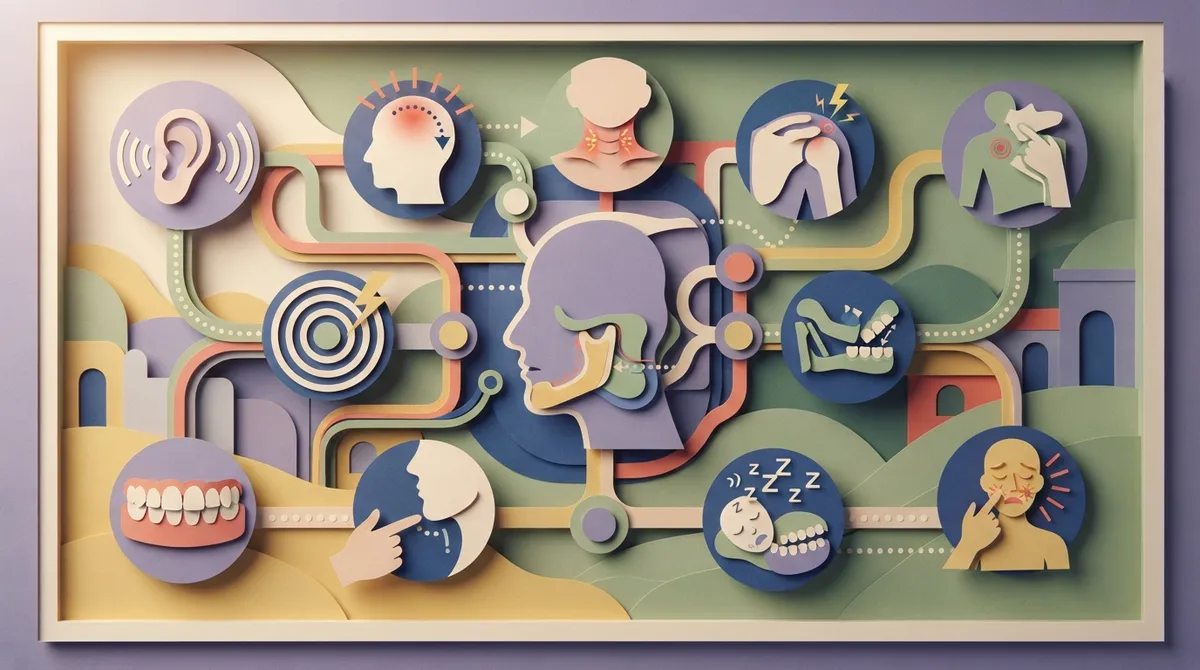
11 Signs of Jaw Misalignment You Shouldn’t Ignore
Here’s a list of the most common warning signs we see in our Lakewood Ranch patients, young and old. If any of these sound familiar, it might be time to request an appointment for a closer look.
- Difficulty chewing or biting food comfortably. This is often one of the first things patients notice, especially with tougher foods.
- Uneven or unusual tooth wear. If your teeth are wearing down unevenly, your bite may not be lining up correctly.
- A visible overbite or underbite. Your top teeth sitting far forward, or your lower jaw jutting out, are classic signs.
- Speech changes, like a lisp. Jaw position can affect how your tongue and teeth work together to form sounds.
- Facial asymmetry. One side of the jaw looking different from the other can point to a skeletal issue.
- Frequent jaw discomfort or soreness. This doesn’t always mean TMJ disorder, but it’s worth checking out.
- Mouth breathing or snoring in children. Sometimes this links back to how the jaw and airway are structured.
- Persistent thumb-sucking or tongue-thrusting habits. These habits can actually shape jaw development over time.
- Crowded or overlapping teeth. Learn more in our article on how to fix crowded teeth in Lakewood Ranch.
- A crossbite, where back teeth don’t line up right. Read more about crossbite treatment options here.
- Teeth shifting back after previous orthodontic treatment. This is common in adults who didn’t wear retainers as directed.
Tooth Misalignment vs. True Jaw Discrepancy
Here’s something a lot of people mix up. Crooked teeth are not always the same thing as jaw misalignment. Your teeth can be straight while your jaw bones are still out of sync, or your teeth can be crowded while your jaw is perfectly fine.
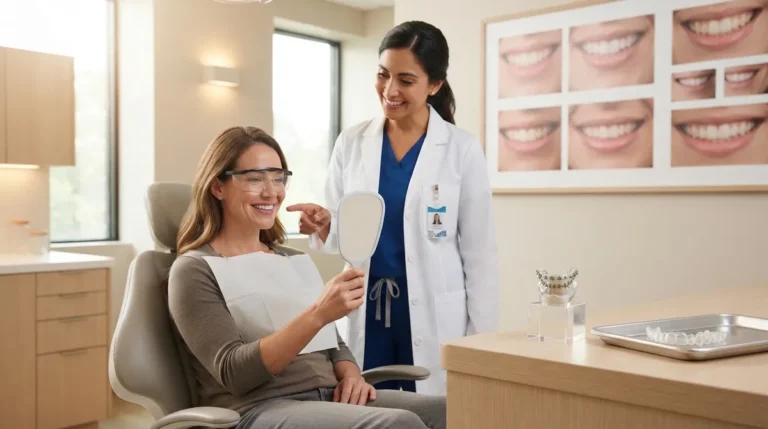
An orthodontist figures this out using photographs, digital scans, and dental X-rays. This helps separate a simple tooth-position issue from something involving the jaw bone itself. If you want to understand more about common bite problems, our page on common orthodontic problems is a great starting point.
Why This Distinction Changes Your Treatment Plan
If it’s purely a tooth issue, braces or clear aligners can often move things into place. But if the jaw bones themselves are misaligned, especially in adults whose jaws have finished growing, more advanced options may be needed. Sometimes that means combining orthodontics with jaw surgery, which is coordinated with an oral surgeon. The American Association of Orthodontists explains that surgery is only used when tooth movement alone can’t fix the jaw position.
How Jaw Misalignment Is Diagnosed at a Lakewood Ranch Consultation
Walking into your first consultation can feel a little intimidating, so let’s demystify it. Here’s generally what happens, step by step:
- A visual exam of your bite, teeth, and facial structure.
- Digital photographs from multiple angles.
- Digital scans or impressions to create a 3D model of your teeth.
- Dental X-rays to see what’s happening beneath the surface.
- A discussion of your symptoms, habits, and treatment goals.
This process helps your orthodontist build a treatment plan that’s actually right for you, not a generic one. If you’re nervous about what to expect, check out our detailed breakdown of what to expect at your first orthodontist visit.
Treatment Options for Jaw Misalignment
Once your orthodontist understands what’s going on, they’ll recommend a treatment path. The right choice depends on your age, how severe the misalignment is, and whether it’s dental or skeletal.
Comparing Common Treatment Options
| Treatment | Best For | Typical Duration | Estimated Cost Range |
|---|---|---|---|
| Traditional Metal Braces | Moderate to severe misalignment, all ages | 18–36 months | $3,000–$7,000 |
| Clear Braces | Teens and adults wanting subtlety | 18–36 months | $4,000–$8,000 |
| Clear Aligners (like Angel Aligners) | Mild to moderate cases | 12–24 months | $3,500–$8,000 |
| Palatal Expander | Growing children with narrow jaws | 6–12 months | $2,000–$3,000 |
Keep in mind these are advertised estimates, not fixed prices. Every smile is different, so it’s best to contact us for a personalized quote based on your unique needs.
Braces Built for Comfort and Speed
At Segovia Orthodontics, we’re proud to offer LightForce Orthodontics, a fully digital braces system. Each bracket is custom 3D printed to match your teeth exactly, which can speed up treatment by up to 45% compared to older methods. For kids who want their treatment to feel more fun, our WildSmiles Braces come in playful shapes like stars, hearts, and even Mickey Mouse designs.
Clear Aligners for a Discreet Fix
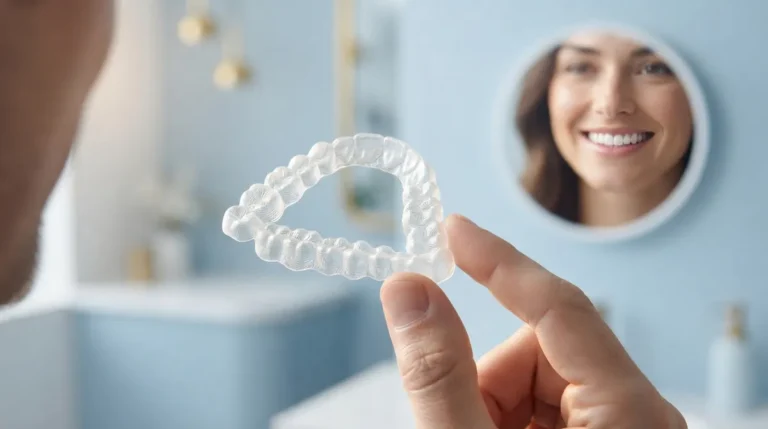
For teens and adults who want a nearly invisible option, Angel Aligners use a smart “7+3” wear schedule that can speed up tooth movement. They’re frosted to reduce shine and often cost less than premium aligner brands. Learn more about our clear aligner options to see if they fit your lifestyle.
When Should Kids See an Orthodontist for Jaw Concerns?
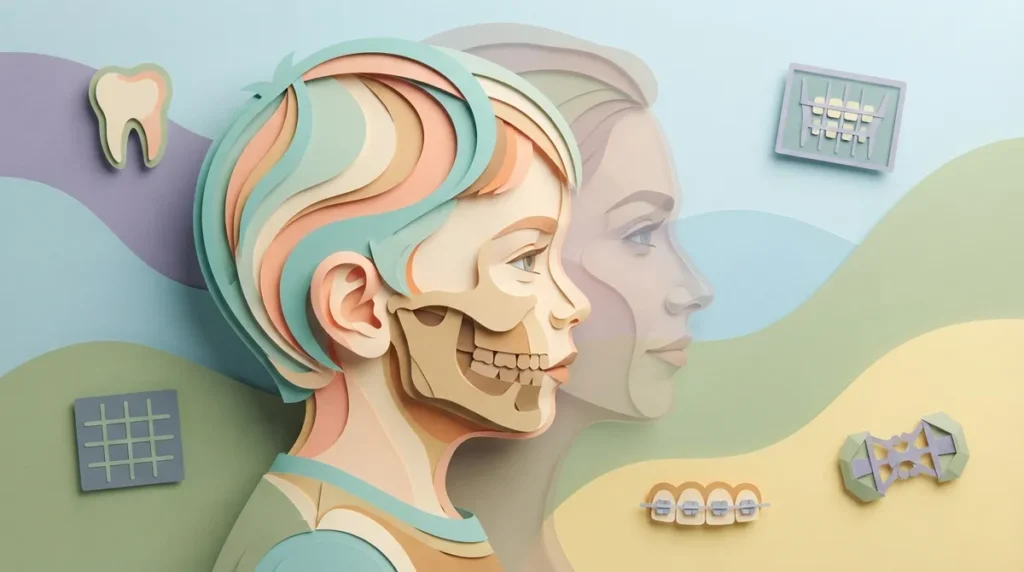
The American Association of Orthodontists recommends kids get their first orthodontic evaluation by age 7. This doesn’t mean treatment starts then, but it does mean problems can be caught early, while the jaw is still growing and easier to guide.
- Underbites or crossbites that are already visible
- Severe overbites causing discomfort
- Crowding that’s affecting how teeth come in
- Chewing difficulty or jaw pain
- Ongoing thumb-sucking past age 5 or 6
Our early orthodontic treatment program is designed exactly for these situations. Catching things early can sometimes mean shorter, simpler treatment down the road.
Jaw Misalignment in Teens and Adults
Busy teens prepping for prom or graduation photos often want fast, effective results without a lot of disruption. Our teen orthodontic treatment options are built with real schedules in mind, including sports and social events.
For adults, especially those who had braces years ago and are now dealing with relapse, treatment can feel a little more urgent. Life events like weddings, new jobs, or big milestones often push people to finally address it. Our adult orthodontics page covers discreet options that fit a professional lifestyle, including clear aligners that are barely noticeable in meetings or on camera.
Don’t Forget Your Retainer
If you’ve had orthodontic work before, wearing your retainer as directed is what keeps your smile in place. Skipping it is one of the most common reasons jaw and bite problems come back. Check out our guide on orthodontic retainers to understand your options for keeping results long-term.
Is It Jaw Misalignment or TMJ Pain?
Not every jaw ache is caused by misalignment. Jaw pain, clicking, or locking can sometimes point to TMJ disorder instead, which may need a different kind of evaluation. If pain, swelling, or restricted movement is present, it’s worth discussing with your orthodontist or dentist rather than assuming it’s just a bite issue. Our article on finding a TMJ orthodontist goes into more detail on this topic.
Why Choose Segovia Orthodontics for Jaw Misalignment Care
Dr. Flor Segovia is a board-certified orthodontist who brings advanced technology and genuine warmth to every visit. She’s bilingual in English and Spanish, so language is never a barrier to great care. Our team focuses on making Lakewood Ranch families feel comfortable, informed, and supported through every step of treatment.
We also believe treatment should fit your budget. That’s why we offer flexible orthodontic financing plans designed to work with real life. You can learn more about our approach on our Why Choose Us page, or explore Dr. Segovia’s background on her orthodontist profile.
Don’t just take our word for it. You can visit us on Google — Segovia Orthodontics to see real reviews from families right here in Lakewood Ranch. We also love connecting with our community on our Facebook page and sharing smile transformations on our Instagram page.
Quick Checklist Before Your Consultation
Feeling ready to book your visit? Here’s a simple list to help you prepare:
- Write down any symptoms you’ve noticed, like chewing trouble or jaw soreness
- Bring a list of past dental or orthodontic treatments
- Note any family history of jaw or bite issues
- Think about your budget and ask about financing options
- Prepare questions about timeline and expected results
For more tips, take a look at our guide on asking the right orthodontic questions at your visit.
Your Next Step Toward a Balanced, Confident Smile
Jaw misalignment doesn’t have to be something you just live with. Whether it’s a mild bite issue or something more involved, an orthodontic evaluation is the best way to understand exactly what’s going on and what your options are. Our team at Segovia Orthodontics genuinely enjoys helping Lakewood Ranch families and individuals feel confident about their smiles again.
Ready to take the first step? Request an appointment today, or feel free to call us at 941-557-1333 to chat with our friendly team about your options. We can’t wait to meet you and help you build the smile you deserve.
FAQs
Q: What are the signs of jaw misalignment in children and adults?
A: Common signs include trouble chewing, uneven tooth wear, visible overbites or underbites, jaw soreness, and even speech changes. If you notice any of these in your family, it’s worth scheduling a friendly consultation to get a clear answer.
Q: Is jaw misalignment caused by crooked teeth, the jaw bones, or both?
A: It can be either one, or a mix of both! That’s exactly why a full orthodontic evaluation with X-rays and scans is so helpful, since it shows whether the issue is with tooth position, jaw bone structure, or a combination.
Q: Can braces or clear aligners correct jaw misalignment?
A: In many cases, yes! Braces and clear aligners work wonderfully for mild to moderate bite issues. For more severe skeletal jaw discrepancies, especially in adults, treatment may need to be paired with jaw surgery, which we can help coordinate.
Q: How long does jaw alignment treatment take in Lakewood Ranch?
A: It really depends on your specific case. Traditional braces often take 18 to 36 months, while clear aligners for mild to moderate cases usually run 12 to 24 months. Your orthodontist will give you a personalized timeline at your consultation.
Q: How much does jaw misalignment treatment cost, and does insurance cover it?
A: Costs vary based on treatment type, ranging roughly from $2,000 for expanders to $8,000 for clear aligners or clear braces. Insurance coverage differs by plan, so we always recommend verifying your benefits and asking us about flexible financing options.
Our Service Area