
Key Takeaways
-
Take ibuprofen or acetaminophen about an hour before your adjustment appointment to prevent soreness before it starts, rather than waiting until pain develops.
-
Use orthodontic wax immediately on poking wires or brackets by rolling a pea-sized ball and pressing it firmly over the irritation to create a protective barrier.
-
Apply cold compresses to the outside of your mouth for 10-20 minutes or sip ice water to reduce swelling and numb sore spots, especially in the first two days after adjustment.
-
Stick to soft foods like mashed potatoes, soups, and yogurt for about two days after adjustments, then gradually return to normal textures as soreness fades.
Getting braces is exciting, but let’s be honest—those first few days can be rough. If you or your child are wincing every time you eat a sandwich, you’re definitely not alone. The good news? Most braces pain management mistakes are totally avoidable once you know what to watch for. Whether you’re a mom juggling school pickups and orthodontic appointments, a busy professional trying to power through meetings, or someone finally correcting a smile relapse, this guide will help you sidestep the common slip-ups that make braces soreness worse than it needs to be.
At Segovia Orthodontics in Lakewood Ranch, we hear the same questions over and over: How long will this hurt? What actually works? Should I be worried? We’ve put together this friendly, no-nonsense list of mistakes to avoid so you can breeze through your braces journey with a lot less discomfort and a lot more confidence.
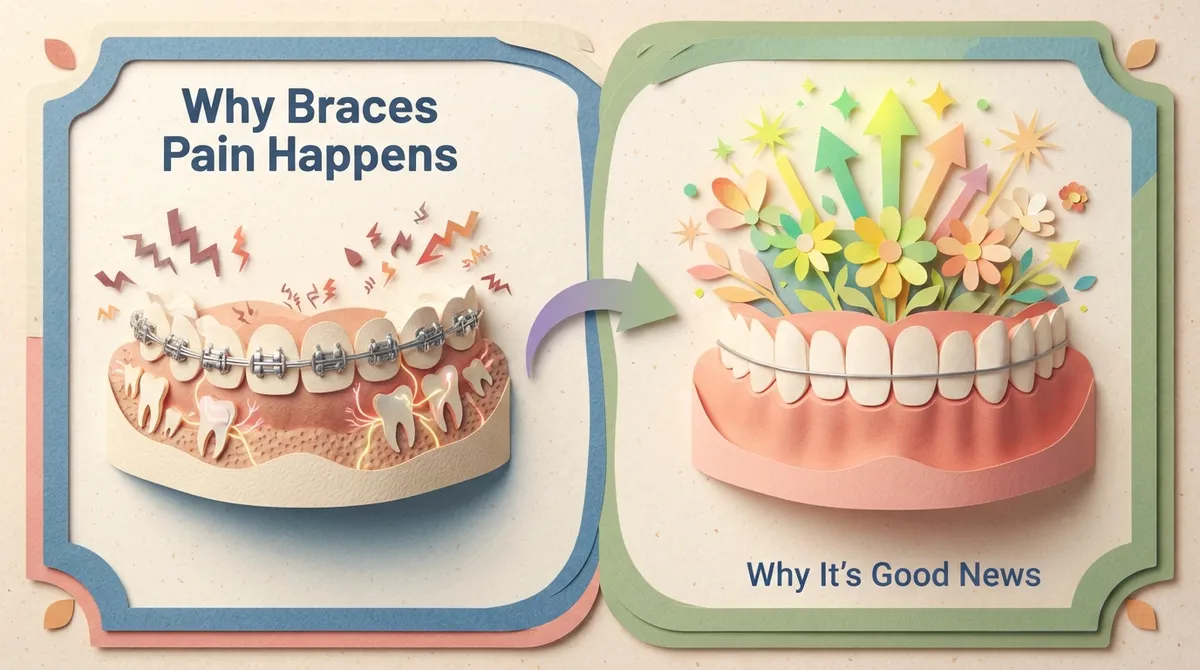
Why Braces Pain Happens (And Why That’s Actually Good News)
Before we dive into the mistakes, here’s a comforting fact: braces pain means your teeth are moving. That gentle pressure from your braces is doing exactly what it’s supposed to do. Most patients only feel mild, temporary soreness that clears up within 3 to 7 days after getting braces placed or adjusted. Knowing this helps take the fear out of the process, especially for parents watching their kids adjust to new hardware.
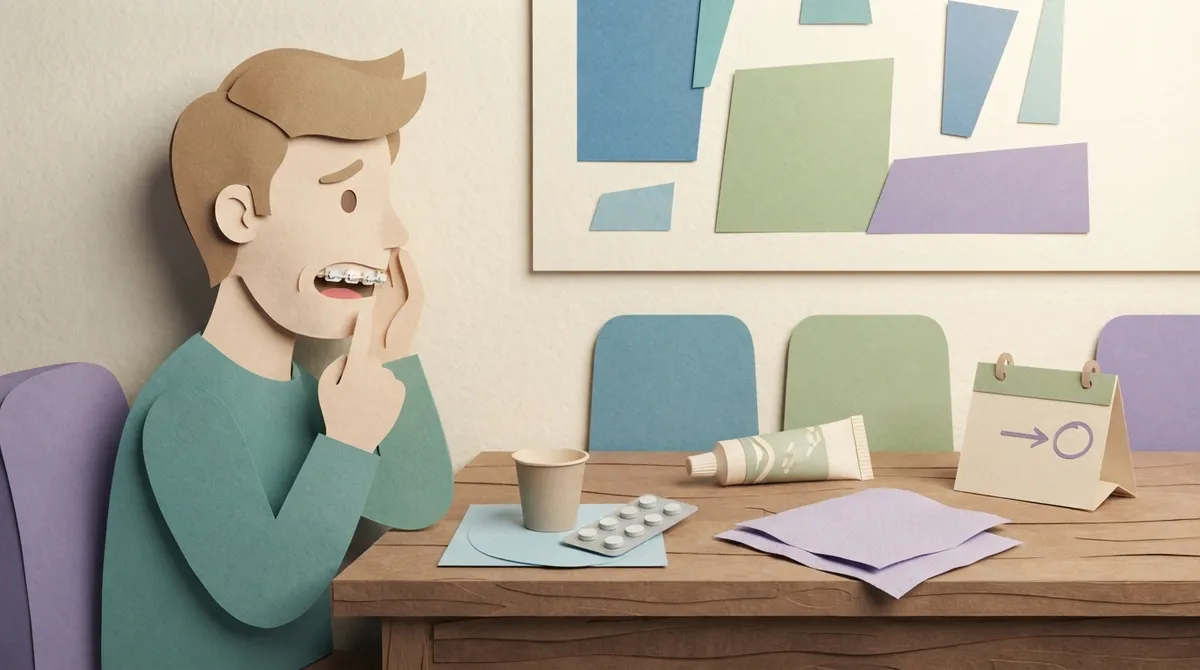
Mistake #1: Skipping Pain Relief Before Your Adjustment
Waiting until you’re already sore to take something is a rookie move. Taking ibuprofen or acetaminophen about an hour before your adjustment appointment can actually prevent a lot of the soreness before it starts. This little trick is a favorite among our patients at Segovia Orthodontics, especially teens with busy after-school schedules who don’t have time to feel miserable later.
Mistake #2: Choosing the Wrong Pain Reliever
Not all pain relievers are created equal when it comes to braces. Here’s a quick breakdown to help you choose wisely.
| Pain Reliever | Best For | Things to Know |
|---|---|---|
| Ibuprofen (Advil, Motrin) | Inflammation and swelling | May slightly slow tooth movement with frequent long-term use |
| Acetaminophen (Tylenol) | General soreness without affecting tooth movement | Doesn’t reduce inflammation as strongly as ibuprofen |
| Orthodontic Wax | Wire and bracket irritation | Creates a protective barrier over sharp edges |
If you’re unsure which option is right for your situation, it’s always smart to contact us and ask before your next visit.
Mistake #3: Ignoring Orthodontic Wax
So many patients suffer through wire pokes when a simple pea-sized ball of orthodontic wax could solve the problem instantly. Here’s how to use it correctly:
- Dry the bracket or wire area with a tissue.
- Roll a small piece of wax into a ball.
- Press it firmly over the poking wire or bracket.
- Replace it after eating or if it falls off.
Keep extra wax in your bag, car, and backpack. You’ll thank yourself later.
Mistake #4: Forgetting the Power of Cold Therapy
Cold therapy is one of the most underused braces pain management tools out there. Applying a cold compress to the outside of your mouth for 10 to 20 minutes can reduce swelling and numb sore spots fast. Sipping ice water or eating a cold treat like yogurt can also bring quick relief, especially in the first two days after an adjustment.
Mistake #5: Eating the Wrong Foods Too Soon
Biting into a crunchy apple right after your appointment is basically asking for trouble. Stick to soft foods for about two days after any adjustment. Good choices include:
- Mashed potatoes
- Warm soups
- Scrambled eggs
- Soft pasta
- Smoothies and yogurt
- Applesauce
Gradually work your way back to normal textures as the soreness fades. For a deeper dive into what to eat and avoid, check out our guide on foods to avoid with braces.
Mistake #6: Skipping Warm Saltwater Rinses
This one is old-school but it works wonders for sore cheeks and gums. Mix half a teaspoon of salt into warm water and swish for about 30 seconds. You can repeat this up to four times a day to soothe irritated tissue and speed up healing of small sores.
Mistake #7: Not Knowing the Difference Between Normal Soreness and a Real Problem
It’s important to understand what’s typical and what needs professional attention. Here’s a simple comparison to help you tell the difference.
| Normal Soreness | Needs Professional Attention |
|---|---|
| Mild ache after adjustments | Sharp, sudden, severe pain |
| Teeth feel tender for a few days | Swelling in the face or jaw |
| Minor irritation from wires | Broken bracket or wire poking deeply into gums |
| Discomfort while chewing | Signs of infection like fever |
If you’re ever unsure, it’s always better to reach out. Our page on orthodontic emergencies can help you figure out your next step.
Mistake #8: Overusing Ibuprofen Without Thinking It Through
While ibuprofen is great for reducing inflammation, using it constantly over long stretches may slow down tooth movement slightly. Acetaminophen is often the better daily go-to since it manages pain without interfering with your treatment progress. When in doubt, alternating or checking with your orthodontist is always a smart move.
Mistake #9: Not Adjusting Your Routine After Getting Braces or Aligners
Whether you have traditional metal braces, fun WildSmiles Braces, or discreet clear aligners, your mouth needs a little time to adjust. Trying to eat, talk, and brush exactly like before can lead to more irritation than necessary. Give yourself grace during the first week, and lean on soft foods and gentle brushing techniques until things settle.
Mistake #10: Assuming All Braces Feel the Same
Not all braces create the same level of discomfort. Advanced options like LightForce Orthodontics use custom 3D-printed brackets designed specifically for your teeth, which often means less irritation to gums and soft tissue compared to one-size-fits-all brackets. This kind of advanced orthodontic technology can genuinely make your treatment more comfortable from day one.
Mistake #11: Neglecting Retainer Discomfort After Treatment
Pain management doesn’t end when your braces come off. New orthodontic retainers can feel tight and cause soreness for the first few days too. The same tricks apply here: soft foods, cold therapy, and patience while your mouth adjusts to holding your new smile in place.
Mistake #12: Waiting Too Long to Ask for Help
Here’s the biggest mistake of all: suffering in silence. If pain feels unusual, lasts longer than a week, or something feels loose or broken, don’t just wait it out. Reach out and request an appointment so Dr. Segovia and her team can take a look. You can also call us at 941-557-1333 anytime you have concerns between visits.
A Quick Checklist for Braces Pain Management
Here’s a simple recap to keep on hand for the first week after any adjustment:
- Take pain relief about an hour before your appointment.
- Apply cold compresses for 10 to 20 minutes as needed.
- Use orthodontic wax on any poking wires or brackets.
- Rinse with warm salt water up to four times daily.
- Stick to soft foods for about two days.
- Avoid hard, sticky, or crunchy foods until soreness fades.
- Call your orthodontist if pain feels severe or unusual.
Why the Right Orthodontist Makes All the Difference
Choosing a practice that prioritizes comfort really does change your whole experience. Dr. Flor Segovia is a board certified orthodontist who is board certified through the American Board of Orthodontics, meaning she’s held to the highest standards in patient care and treatment planning. That kind of expertise matters when it comes to minimizing discomfort throughout your treatment.
Families throughout Lakewood Ranch appreciate our warm, welcoming approach, whether you’re bringing in a nervous seven-year-old for their first orthodontic visit or you’re an adult finally addressing that relapse from your teenage braces. You can learn more about our approach on our why choose us page, or see what our Segovia Orthodontics patients are saying by checking out our Facebook page and our Instagram page for real smile transformations and behind-the-scenes moments.
Ready to Feel More Comfortable in Your Treatment?
Braces pain management doesn’t have to be complicated once you know the simple do’s and don’ts. Avoiding these twelve common mistakes can make a huge difference in your comfort level, whether you’re managing your child’s first set of braces, straightening your own smile before a big life event, or getting back on track after years without a retainer.
You can also visit us on Google — Segovia Orthodontics to read real reviews from Lakewood Ranch families just like yours. And if you’re ready to start your journey toward a comfortable, confident smile, don’t wait—request an appointment with our friendly team today. We’re here to make sure your orthodontic experience feels as smooth and pain-free as possible, every step of the way.
FAQs
Q: How long does braces pain usually last after an adjustment?
A: Most folks feel sore for about 3 to 7 days after an adjustment, and it’s totally normal. The ache is just a sign your teeth are shifting into their new positions, so hang in there—it always gets better!
Q: Is ibuprofen or Tylenol better for braces pain?
A: Both work well, but they do different jobs. Ibuprofen tackles inflammation while acetaminophen (Tylenol) handles general soreness without affecting tooth movement, so many patients like to keep both on hand.
Q: How do I use orthodontic wax to stop wire poking?
A: Just roll a small ball of wax and press it over the wire or bracket that’s bothering you. It creates a smooth little barrier, and you can replace it anytime it wears off or after meals.
Q: What foods should I avoid when my braces are sore?
A: Steer clear of hard, crunchy, or sticky foods for a couple of days after an adjustment. Stick with soft favorites like mashed potatoes, smoothies, and soups until things feel better.
Q: When should I call my orthodontist about braces pain?
A: If your pain feels severe, doesn’t improve after a week, or something feels broken or loose, it’s time to reach out. We’d rather hear from you early than have you tough it out alone!
Our Service Area