Key Takeaways
-
Always request an itemized, written estimate that clearly specifies which appliance (ceramic braces vs. clear aligners) is being quoted, as these treatments are priced differently and confusion leads to budget surprises.
-
Don't assume the lowest price quote is the best deal; verify what's included (retainers, follow-up visits, emergency repairs) since add-ons can make a cheap quote significantly more expensive.
-
Ceramic braces typically cost $4,000–$8,500 while clear aligners range $1,800–$8,100; get a local consultation for your exact price since costs vary by location, provider, and case severity.
-
Confirm your dental insurance coverage before starting treatment, as most plans have age limits, network restrictions, and lifetime maximums that can range up to $3,000.
-
Take advantage of monthly payment plans (typically 12–24 months) offered by most orthodontists, which often include in-house financing with low or no interest options.
-
Delaying treatment can increase costs; early intervention catches worsening bite or alignment issues before they require more complex and expensive treatment.
Let’s be honest: nobody loves surprise bills. You find a smile you love, you picture the before-and-after photos, and then the price tag shows up and throws you off. The good news? Most of the stress around the cost for clear braces comes from avoidable mistakes, not from the treatment itself.
Whether you’re a busy parent planning for your teen, a young professional who wants something discreet, or an adult who wore braces years ago and wants to fix relapse, this guide is for you. We’ll walk through twelve common money mistakes, explain what “clear braces” really means, and share simple ways to plan your budget with confidence.
At Segovia Orthodontics, we love helping families understand their options before they commit. A smile is an investment, and you deserve clear answers. Let’s dig in together!
What Does “Clear Braces” Actually Mean?
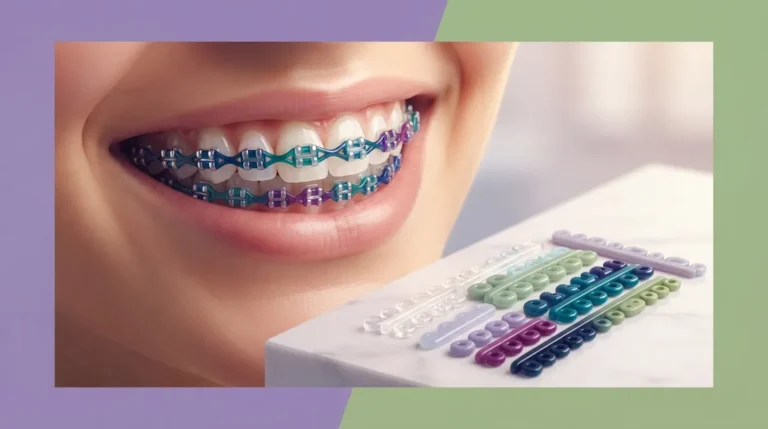
Here’s the first thing to know. In orthodontic care, “clear braces” most often means fixed ceramic braces. These have tooth-colored or translucent brackets that blend in with your teeth. They work like traditional braces, just with a more discreet look.
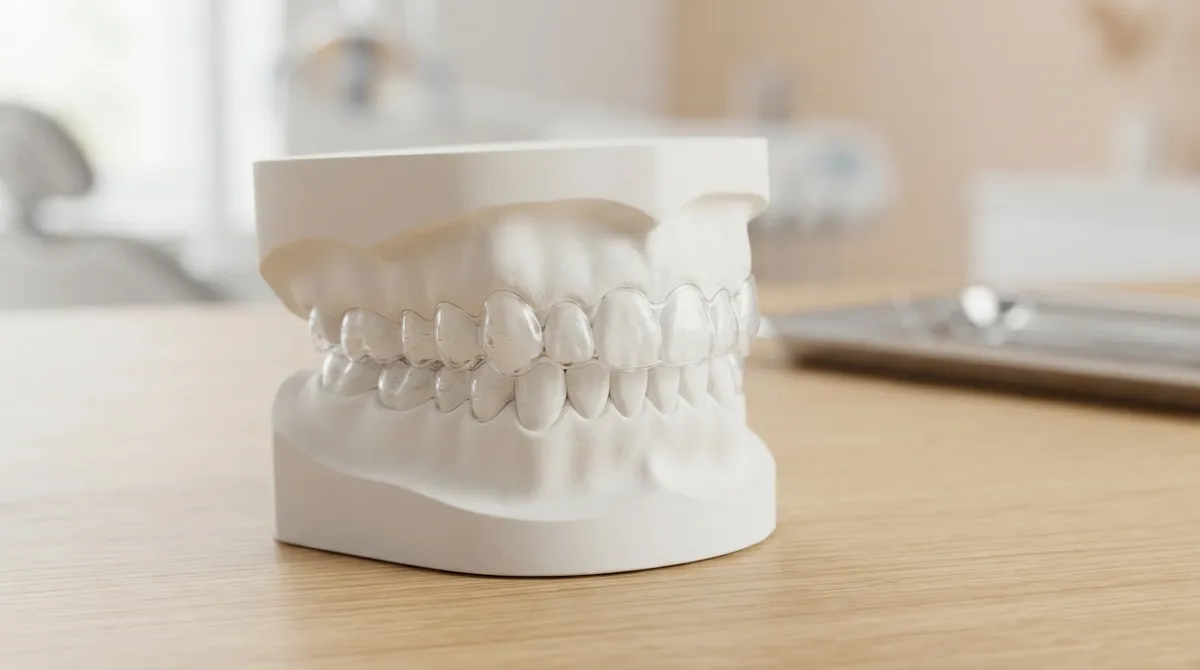
But many people also use the phrase for removable clear aligners. Those are a different treatment. They use a series of clear plastic trays instead of brackets and wires.
Why does this matter for price? Because the two treatments are priced differently, and mixing them up leads to confusion. To learn more about the different styles, check out our guide to types of braces.

Typical Clear Braces Costs in the U.S.
Before we get to the mistakes, let’s look at the numbers. Prices vary by provider, location, and case, so treat these as estimates and not a quote.
| Treatment Type | Typical U.S. Range | Notes |
|---|---|---|
| Ceramic (clear) braces | About $4,000–$8,500 | Fixed brackets; one published average is $5,834 |
| Clear aligners | About $1,800–$8,100 | Removable trays; one published average is $5,108 |
| Traditional braces (for comparison) | About $3,000–$7,500 | Before insurance |
These figures come from recent 2026 pricing guides and industry sources. As you can see, the ranges overlap quite a bit. That’s exactly why a local evaluation matters so much. Your final fee depends on your unique teeth, not an average.
12 Mistakes That Waste Your Money
1. Comparing Prices Without Comparing Treatments
The most common slip is comparing a ceramic braces quote to a clear aligner quote as if they’re the same thing. They aren’t. One is fixed to your teeth, and the other is removable. Always ask, “Which exact appliance is this price for?”
2. Falling for the Lowest Price Tag
A cheap number can feel like a win. But if it leaves out records, visits, or retainers, you may pay more later. A low quote that grows with add-ons is not really a low quote.
3. Skipping the Itemized Estimate
Always ask for a written, itemized estimate. It should show what’s covered and what isn’t. This one step protects your wallet more than almost anything else.
4. Forgetting to Ask About Retainers
Retainers keep your new smile in place, and they’re not always included in the quoted fee. Ask early! You can read more in our guide to orthodontic retainers, and our post on what drives retainer cost breaks it down further.
5. Ignoring Follow-Up and Emergency Visits
Some practices include routine visits and repairs in the fee. Others charge extra. A broken bracket on a busy week is stressful enough, so know the policy ahead of time. Learn what counts as an urgent issue in our orthodontic emergency guide.
6. Assuming Insurance Covers Everything
Insurance benefits vary widely. Some dental plans cover orthodontic care, but often with age limits, network rules, and a lifetime maximum. One industry source notes some plans may cover up to $3,000, though coverage depends on your plan. Call your insurer and confirm your remaining allowance before you start.
7. Not Checking Network Rules
Even with great coverage, going out of network can lower what your plan pays. Ask both your insurer and the practice about network status. Our post on whether your orthodontist accepts dental insurance can help you ask the right questions.
8. Overlooking Monthly Payment Plans
Many people think they must pay the full amount up front. Not true! The American Association of Orthodontists notes that payment arrangements commonly involve a down payment followed by monthly payments over roughly 12 to 24 months. Terms vary by practice, so ask about in-house options, which can be low or even no interest. Explore orthodontic financing to see how flexible plans can work.
9. Waiting Until Problems Get Bigger
Severity affects cost. A bite or alignment issue that gets worse over time may need longer or more complex treatment, which can raise the total fee. For kids, early attention can make a real difference. See how early orthodontic treatment may help your child’s smile down the road.
10. Choosing Clear Braces When Another Option Fits Better
Ceramic braces are less noticeable than metal, but they may be more fragile and need careful cleaning. Sometimes a different option gives better results for your case and budget. Our comparison of braces vs. clear aligners walks through the pros and cons.
11. Skipping the Consultation
No website, blog, or pricing chart can replace a real evaluation. Your teeth are one of a kind, so your price is too. A consultation lets an orthodontist examine your bite and explain your treatment plan. Here’s what to expect at your first orthodontic visit.
12. Forgetting the Cost of Not Treating
This one surprises people. Ignoring alignment problems can sometimes lead to more dental work later. Treating teeth that are hard to clean or bite problems that cause wear can protect your health and your budget over time. It’s worth weighing both sides.
What Affects the Final Price?
Now that you know the pitfalls, let’s look at what actually moves the number up or down. Understanding these factors helps you read any quote with confidence.
- Severity of the problem: A mild case usually costs less than a complex one.
- Treatment length: Longer treatment often means more visits and a higher fee.
- Appliance type: Ceramic braces, metal braces, and aligners are each priced differently.
- Location: Costs differ from one region to another.
- Provider: Experience, technology, and office policies all play a part.
- What’s included: Records, visits, repairs, and retainers may or may not be part of the fee.
Notice that most of these are things your orthodontist can explain after seeing your teeth. That’s another reason the evaluation is the best first step.
Clear Braces vs. Clear Aligners: A Quick Comparison
Since people often mix these up, here’s a simple side-by-side look.
| Feature | Ceramic (Clear) Braces | Clear Aligners |
|---|---|---|
| How they work | Fixed brackets and wires | Removable clear trays |
| Appearance | Tooth-colored or translucent | Nearly invisible |
| Removable? | No | Yes |
| Care needed | Careful cleaning around brackets | Clean trays; wear as directed |
| Best for | Many alignment and bite problems | Suitable cases, based on your orthodontist’s advice |
Which one is right for you? That depends on your bite, your lifestyle, and your goals. If you’d like a deeper look at pricing for aligners, see how much clear aligners really cost in 2026.
How to Get an Accurate Quote: 5 Simple Steps
Ready to get real numbers? Follow these steps, and you’ll walk away with clarity instead of confusion.
- Book a consultation. An orthodontist needs to examine your teeth and bite first.
- Ask which appliance is being quoted. Ceramic braces, metal braces, or aligners?
- Request an itemized, written estimate. Get it in writing so you can compare later.
- Ask what’s included. Records, routine visits, repairs, retainers, and follow-up care.
- Check insurance and payment options. Confirm your benefits, then ask about monthly plans.
Prefer a little extra prep? Our tips on how to ask the right orthodontic questions can help you feel ready.
Tips for Every Type of Patient
For Parents Planning Ahead
If you’re a busy mom juggling school, sports, and work, flexibility matters. Ask about appointment times, payment schedules, and whether the plan covers check-ups and retainers. Many families find monthly payments make the whole thing feel manageable. Our teen orthodontic treatment page explains options for growing smiles.
For Busy Professionals
If you want a discreet look without missing a beat at work, ask about both ceramic braces and aligners. Think about how often you can make appointments, and ask how the practice handles scheduling. Learn more about adult orthodontics to see what’s possible.
For Those Preparing for a Big Event
Graduation or wedding on the calendar? Share your date at your consultation. Your orthodontist can tell you what’s realistic, and you can plan your budget around a timeline that fits.
For Adults Fixing Relapse
If you had braces years ago and your teeth have shifted, you’re far from alone. Many adults return to correct changes. Ask whether your case needs a full treatment or a shorter plan, since that affects cost.
Why Local, Personalized Care Helps Your Budget
Price is only one piece of the puzzle. Quality, comfort, and communication matter just as much. A practice that explains every line of your estimate helps you avoid costly surprises.
Led by Dr. Flor Segovia, a board certified orthodontist, our team focuses on a comfortable, supportive experience for patients of all ages. You can also verify orthodontic credentials through the American Board of Orthodontics, which is a smart step when choosing any provider.
Want to see what others are saying? Visit our Segovia Orthodontics location on Google to read reviews from our Lakewood Ranch community. You can also follow along with smile stories on our Facebook page and our Instagram page.
A Quick Budget Checklist
Before you commit to any plan, run through this short list:
- Do I know exactly which appliance this price covers?
- Do I have a written, itemized estimate?
- Are retainers and follow-up visits included?
- Have I confirmed my insurance benefits and remaining allowance?
- Do I understand the monthly payment terms, if any?
- Do I know what happens if something breaks?
If you can answer yes to all six, you’re in great shape. If not, bring those questions to your consultation. There are no silly questions when it comes to your money and your smile.
Ready to Find Your Real Number?
The true cost for clear braces isn’t a single price on a chart. It’s a number built around your teeth, your goals, and your plan. Avoiding these twelve mistakes puts you in control, and a simple consultation turns guesswork into a clear, written estimate.
We’d love to help you take that first step. Whether you’re curious about ceramic braces, aligners, or flexible payments, our friendly team is here to answer your questions. Request an appointment today, or call us at 941-557-1333 to chat with us. You can also contact us online. Your best smile is closer than you think!
FAQs
Q: How much do clear braces cost in the United States?
A: Ceramic (clear) braces typically run about $4,000 to $8,500 before insurance, though one 2026 pricing guide reports an average near $5,834. Your exact price depends on your case, location, and provider, so a local consultation is the best way to get a real number.
Q: Are clear braces more expensive than metal braces?
A: Often, yes! Ceramic braces usually cost a bit more than traditional metal braces because of the tooth-colored materials. Metal braces are commonly estimated around $3,000 to $7,500 before insurance, but your orthodontist can give you an accurate comparison.
Q: Are ceramic braces and clear aligners the same thing?
A: Nope, they’re different treatments. Ceramic braces are fixed to your teeth with clear or tooth-colored brackets, while clear aligners are removable plastic trays. Their costs can overlap, but the right choice depends on your bite and lifestyle.
Q: Does dental insurance cover clear braces?
A: Some dental plans do cover orthodontic treatment, but benefits vary. Plans often have age limits, network rules, and a lifetime maximum, so call your insurer to confirm your coverage and remaining allowance before you begin.
Q: Do orthodontists offer monthly payment plans for clear braces?
A: Many do! Payment arrangements commonly include a down payment followed by monthly payments over about 12 to 24 months. Terms vary by practice, so ask about in-house plans and whether they include low or no interest.
Our Service Area