Key Takeaways
-
Brush at a 45-degree angle above and below each bracket using a soft-bristled toothbrush, floss daily with a threader, and rinse with fluoride mouthwash to prevent cavities during braces treatment.
-
Cavities can be treated while braces remain in place; your dentist can usually access the tooth, and your orthodontist will reposition any temporarily adjusted brackets afterward.
-
White chalky spots near brackets signal early enamel demineralization and are often reversible with fluoride treatment from your dentist before they become actual cavities.
-
Treat all existing cavities and gum issues before starting braces, as it's easier to fix decay on bare teeth and ensures healthier gum response to orthodontic pressure.
-
Research shows 57% of braces patients develop at least one cavity lesion during treatment, but most are early white spots rather than deep cavities requiring fillings.
-
Limit sugary snacks to mealtimes, drink water after eating, and see your general dentist every 6 months plus your orthodontist every 4-8 weeks to catch problems early.
Finding out you have a cavity while wearing braces can feel a little scary. Maybe your child winced during breakfast, or you noticed a strange twinge when you drank something cold. Take a breath—this happens more often than you might think, and it’s completely manageable. Braces with cavities is a common topic for families and adults in orthodontic treatment, and the good news is that decay can almost always be treated without derailing your smile journey.
At Segovia Orthodontics in Lakewood Ranch, we see patients of every age moving through braces and clear aligner treatment. Whether you’re a busy mom juggling kids’ appointments, a professional wearing clear aligners in the office, or an adult finally fixing that relapse from years ago, cavities don’t have to be a roadblock. Let’s walk through five practical ways to handle cavities during orthodontic treatment, so you can keep your smile on track and feel confident along the way.
Why Braces Can Make Cavities More Likely
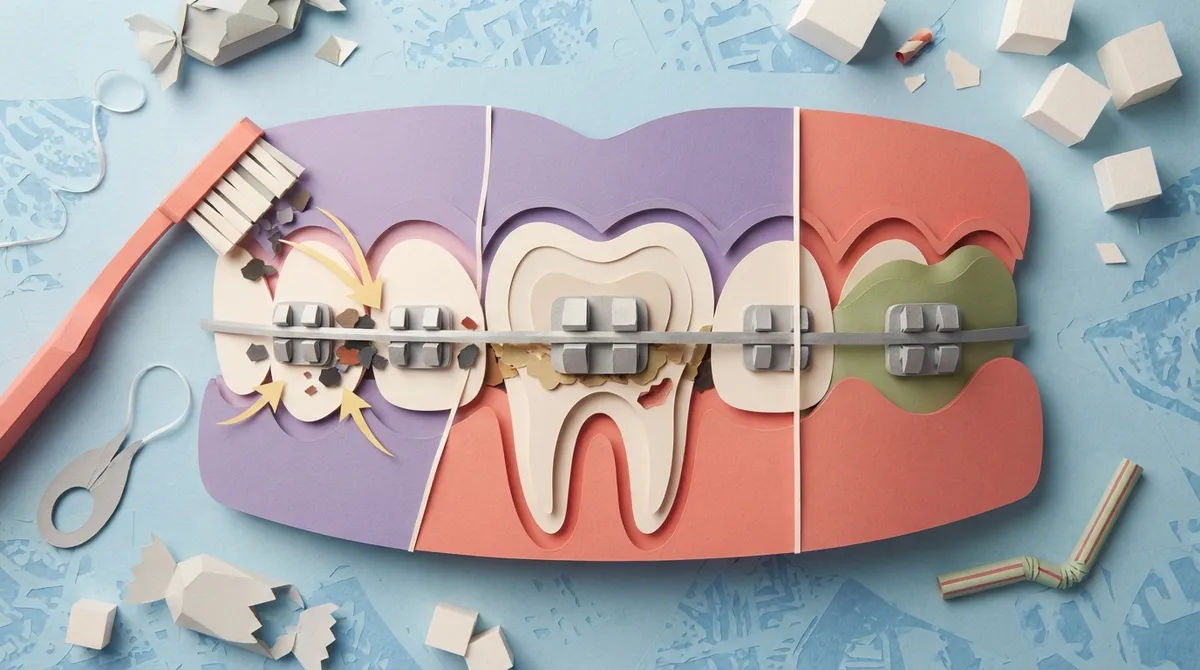
Braces themselves don’t cause cavities. But the brackets and wires create small nooks where plaque loves to hide. That plaque feeds on sugar and produces acid, which slowly wears down your enamel. Over time, this can lead to decay if it’s not cleaned away regularly.
A 2024 systematic review of fixed-appliance orthodontic studies found that 57% of patients had at least one initial caries lesion during or after treatment, averaging just over two lesions per person. Nearly half of patients (48%) developed brand-new lesions while wearing braces. These numbers sound alarming, but remember: most of these are early, reversible white spots—not deep cavities requiring a filling. The same research showed that longer treatment time was linked to more lesions, which is one more reason consistent hygiene habits matter throughout your entire treatment, not just at the start.
1. Keep Up With Daily Cleaning Around Every Bracket
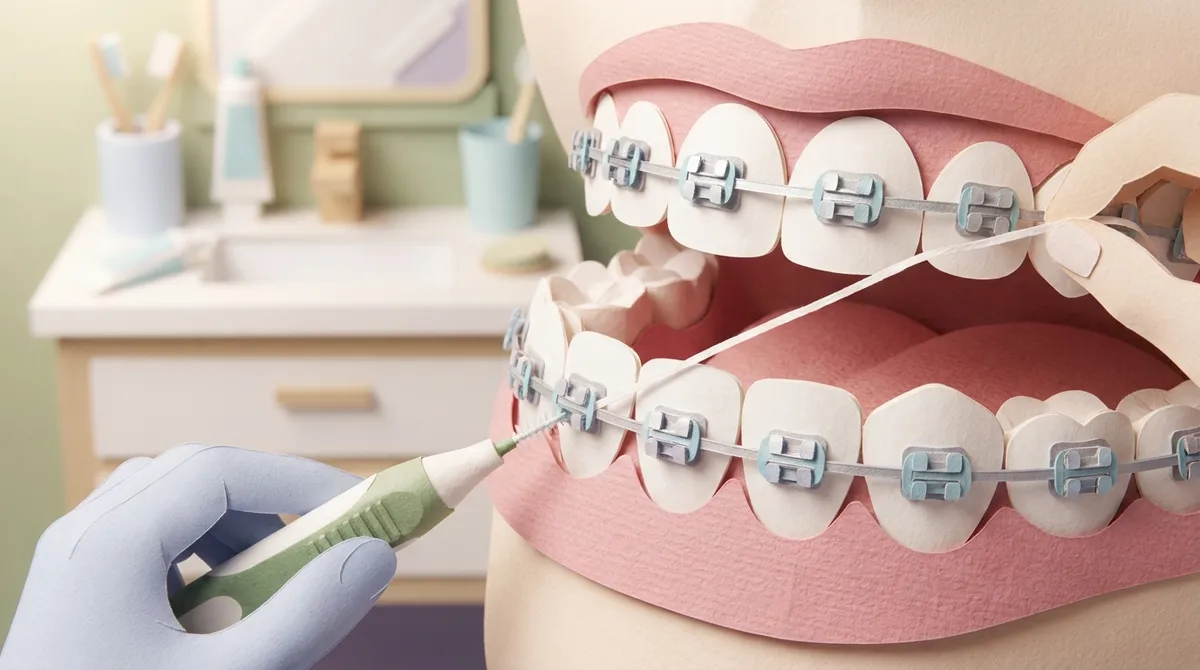
This is the single biggest thing you can do to prevent braces with cavities from becoming a real problem. Brackets and wires trap food particles, so brushing needs a bit more attention than usual.
- Brush at a 45-degree angle above and below each bracket, not just straight across
- Use a soft-bristled or orthodontic toothbrush designed to clean around wires
- Floss daily using a floss threader or water flosser to reach between teeth
- Rinse with a fluoride mouthwash to strengthen enamel in hard-to-reach spots
- Check your brackets in the mirror—if you can see the shape clearly, you’re brushing well
Fun fact: this last tip is actually built into the design of WildSmiles Braces. Their fun shapes, like stars and hearts, double as a visual brushing guide for kids. If the shape is visible after brushing, your child is doing a great job. It turns oral hygiene into a little game instead of a chore, which is a win for busy moms trying to build good habits at home.
2. Watch for Early Warning Signs Like White Spots
Chalky white spots near your brackets are often the first sign of enamel demineralization. They’re not a cavity with a hole yet, but they mean minerals are being lost from the tooth. Left alone, these spots can progress into actual decay.
Here’s what to watch for between your orthodontic visits:
- Dull, chalky, or opaque areas near the gumline or under brackets
- Sensitivity to cold drinks, sweets, or hot foods
- A dull ache that doesn’t go away after eating
- Visible dark spots or small holes on the tooth surface
- Pain when biting down on that specific tooth
If you notice any of these, don’t panic—but don’t ignore it either. Reach out to your general dentist for an exam. Catching demineralization early often means simple fluoride treatment can reverse it before it becomes a true cavity.
3. Know That Cavities Can Be Treated While You’re Still in Braces
This is probably the most reassuring fact for parents and adult patients alike: you don’t have to stop treatment or remove your braces to fix a cavity. Your general dentist can usually treat the tooth right where it is.
Depending on where the cavity is located, your dentist may need to temporarily loosen or remove a bracket or wire segment to get better access. Afterward, your orthodontist simply repositions or replaces the hardware. It’s a coordinated effort between two providers who are both looking out for your smile.
| Situation | Who Handles It | What Happens |
|---|---|---|
| Early white spot lesion | General dentist | Fluoride treatment, hygiene coaching, monitoring |
| Small cavity, easy access | General dentist | Standard filling, no bracket adjustment needed |
| Cavity under or near a bracket | Dentist + orthodontist together | Bracket temporarily adjusted, filling placed, bracket rebonded |
| Persistent pain or swelling | Dentist first, then orthodontist | Diagnosis, possible x-rays, coordinated treatment plan |
This is why we always encourage patients to keep seeing their general dentist regularly during treatment. Your orthodontist manages the movement of your teeth, while your dentist manages the health of the tooth structure itself. Together, they keep your whole smile protected. Learn more about how these two roles work together on our General Dentist vs. Orthodontist page.
4. Address Existing Decay and Gum Issues Before Braces Go On
If you’re considering braces or clear aligners for yourself or your child, timing matters. Before any brackets or aligner trays are placed, it’s smart to get a full dental checkup first. Active cavities or gum inflammation should be treated before starting orthodontic care.
This step matters for a few reasons:
- It’s much easier to treat a cavity on a bare tooth than one covered by a bracket
- Healthy gums respond better to the pressure of braces or aligners
- Starting with a clean slate reduces your risk of complications mid-treatment
- It gives your orthodontist accurate information for planning your treatment
During your first orthodontic visit at Segovia Orthodontics, Dr. Flor Segovia will review your dental history and may recommend seeing your dentist first if there are any concerns. This is standard practice and it protects your investment in your smile long term. Dr. Segovia is a board certified orthodontist who believes prevention is always easier than treatment.
5. Choose Smart Snacking and Fluoride Habits That Fit Your Life
Cavities aren’t just about brushing—they’re also about what and how often you eat. Frequent sugar exposure gives plaque bacteria constant fuel to produce acid. This matters whether you’re a teenager with braces or an adult wearing clear aligners at work.
Here are five simple habits that make a real difference:
- Limit sugary snacks and drinks to mealtimes rather than sipping or snacking all day
- Drink water after meals to help rinse away food particles and sugar
- Use fluoride toothpaste every time you brush, morning and night
- Ask your dentist about extra fluoride treatments if you’re prone to cavities
- Avoid sticky or hard foods that can damage brackets or wires—check our foods to avoid with braces guide for specifics
For clear aligner wearers, there’s an added bonus: you remove your trays to eat, so food doesn’t get trapped against your teeth all day. This is one reason many young professionals and adults love aligners like our clear aligners options, including Angel Aligners, which offer a discreet, budget-friendly path to a straighter smile without the daily bracket-cleaning routine.
How Often Should You See the Dentist and Orthodontist During Treatment?
Many patients wonder how frequently they need checkups once braces or aligners are in place. Here’s a simple breakdown:
| Provider | Recommended Frequency | What They Check |
|---|---|---|
| General Dentist | Every 6 months | Cavities, gum health, cleanings, fluoride needs |
| Orthodontist | Every 4-8 weeks | Tooth movement, wire/bracket adjustments, aligner progress |
Skipping either type of visit increases your risk of small problems turning into bigger ones. If it’s been a while since your last dental cleaning, now is a great time to schedule one alongside your regular orthodontic visits.
What This Means for Different Patients at Segovia Orthodontics
Every patient’s situation looks a little different, and that’s exactly why personalized care matters so much.
- Concerned moms: Keep an eye on your child’s brushing habits and consider fun options like WildSmiles brackets to make hygiene engaging.
- Young professionals: Clear aligners like Angel Aligners let you remove trays for easy cleaning and eating, reducing cavity risk during busy workdays.
- Career-focused adults: Our LightForce Orthodontics system can shorten treatment time by up to 45%, meaning less time for plaque to build up around brackets.
- Life event planners: If you’re prepping for a wedding or graduation, staying on top of hygiene keeps your smile photo-ready and on schedule.
- Adult relapse patients: Returning to orthodontic care as an adult means you already know the importance of consistent habits—lean into that experience.
No matter which category fits you best, our team is here to help. You can see what real patients say about their experience by checking Visit us on Google — Segovia Orthodontics, or follow along with smile transformations on our Facebook page and our Instagram page.
When to Call Your Dentist Right Away
Some symptoms shouldn’t wait for your next scheduled cleaning. Call your dentist promptly if you notice:
- A toothache that lingers for more than a day or two
- Sharp sensitivity to sweets, heat, or cold that doesn’t fade quickly
- A visible dark spot, hole, or rough edge on a tooth
- Pain specifically when biting or chewing on one side
Symptoms alone can’t confirm a cavity—your dentist may need an exam and possibly an X-ray to know for sure. But catching things early almost always means simpler, faster treatment. According to the American Board of Orthodontics, coordinated care between dental specialists leads to better long-term outcomes for orthodontic patients, which is exactly the approach we follow at our Lakewood Ranch practice.
Your Smile Is Worth Protecting
Braces with cavities might sound intimidating, but with the right habits and a good care team, it’s a bump in the road—not a detour. Consistent brushing, smart snacking, regular dental visits, and open communication between your dentist and orthodontist will keep your treatment moving forward smoothly.
If you have questions about your current treatment, or you’re ready to start your smile journey with braces or clear aligners, our friendly Lakewood Ranch team would love to help. Feel free to contact us with any concerns, request an appointment to get started, or simply call us at 941-557-1333 to speak with our caring staff today. Your best smile is worth every bit of attention along the way.
FAQs
Q: Can you get a cavity while wearing braces?
A: Yes, it’s definitely possible since brackets and wires create extra spots for plaque to hide. But don’t worry—with careful brushing, flossing, and regular dental visits, most patients avoid serious decay throughout their treatment.
Q: Can a dentist fill a cavity without removing braces?
A: In most cases, yes! Your dentist can often treat the cavity right around the bracket. If access is tricky, they may temporarily loosen a bracket, and your orthodontist will simply put it back afterward.
Q: Should cavities be treated before getting braces?
A: Absolutely, it’s best to start treatment with a clean, healthy smile. Getting cavities and gum issues addressed first makes your orthodontic journey smoother and helps avoid complications down the road.
Q: What do white spots around braces mean?
A: Those chalky white spots usually mean the enamel is losing minerals, which is an early warning sign before an actual cavity forms. The good news is this stage is often reversible with better brushing and some fluoride help from your dentist.
Q: How often should I see my dentist while I have braces?
A: We recommend sticking to your regular six-month dental checkups even during orthodontic treatment. Pair that with your scheduled orthodontist visits, and you’ve got double the protection for your smile.
Our Service Area