Key Takeaways
-
Aligners cause mild pressure and tightness rather than sharp pain, with discomfort peaking in the first 1-3 days after switching trays and fading by day 5 for most patients.
-
Research shows 35% of aligner wearers experience no pain at all, while 54% report only mild temporary discomfort, making severe pain rare and typically a sign of fitting issues.
-
Traditional braces are about 25% more painful than clear aligners with continuous metal brackets applying constant force, while aligners offer gentler, gradual pressure and removable design.
-
Switch to new trays before bed, use over-the-counter pain relievers, apply cold packs, eat soft foods for 1-2 days, and maintain 20-22 hours daily wear time to minimize discomfort.
-
Sharp, lasting pain beyond two weeks, swelling, bleeding gums, or visible irritation are abnormal and require immediate orthodontist contact rather than being pushed through.
-
Proper aligner fit through digital scanning technology is crucial for comfort; poorly fitted trays or inconsistent wear patterns significantly increase discomfort and prolong the adjustment period.
So you’re thinking about clear aligners, but one question keeps popping up in your mind: are aligners painful? You’re not alone in wondering this. It’s probably one of the top things people ask before starting treatment. The good news? We’re going to walk through exactly what you can expect, backed by real research and years of patient experience.
Here’s the short answer: aligners cause mild pressure, not sharp pain. Think of it like breaking in a new pair of shoes rather than stepping on a tack. That pressure is actually a good sign—it means your teeth are moving into their new, straighter positions. At Segovia Orthodontics, we hear this question daily from busy moms, working professionals, and adults getting a second chance at their smile. Let’s break down everything you need to know, so you can walk into treatment feeling confident instead of nervous.
1. Understanding What Aligner Discomfort Really Feels Like
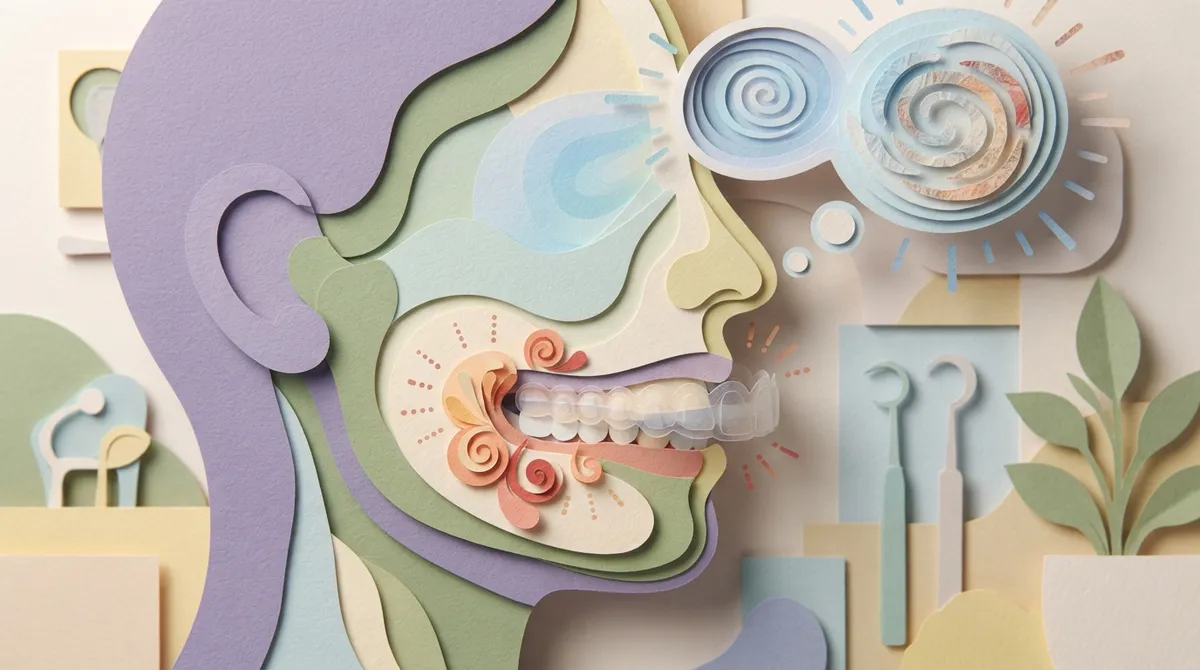
Let’s clear up a big misconception right away. Aligners are not pain-free, but they’re also nowhere near what people imagine when they hear the word “pain.” Most patients describe it as a tight, achy pressure rather than a stabbing sensation.
This pressure happens because your aligners are gently guiding your teeth into new positions. It’s the same biological process that makes any orthodontic treatment work, whether it’s traditional braces or clear trays. Your teeth need a little nudge, and that nudge creates sensation.
- Mild soreness or tenderness, especially when biting down
- A feeling of tightness across your teeth
- Slight sensitivity to cold or hot foods for a day or two
- Pressure that fades as your mouth adjusts
Sharp, overwhelming pain is not normal and usually means something needs adjusting. If you ever feel that way, don’t tough it out. contact us right away so we can check your fit.
2. When Does Aligner Pain Peak and When Does It Fade?
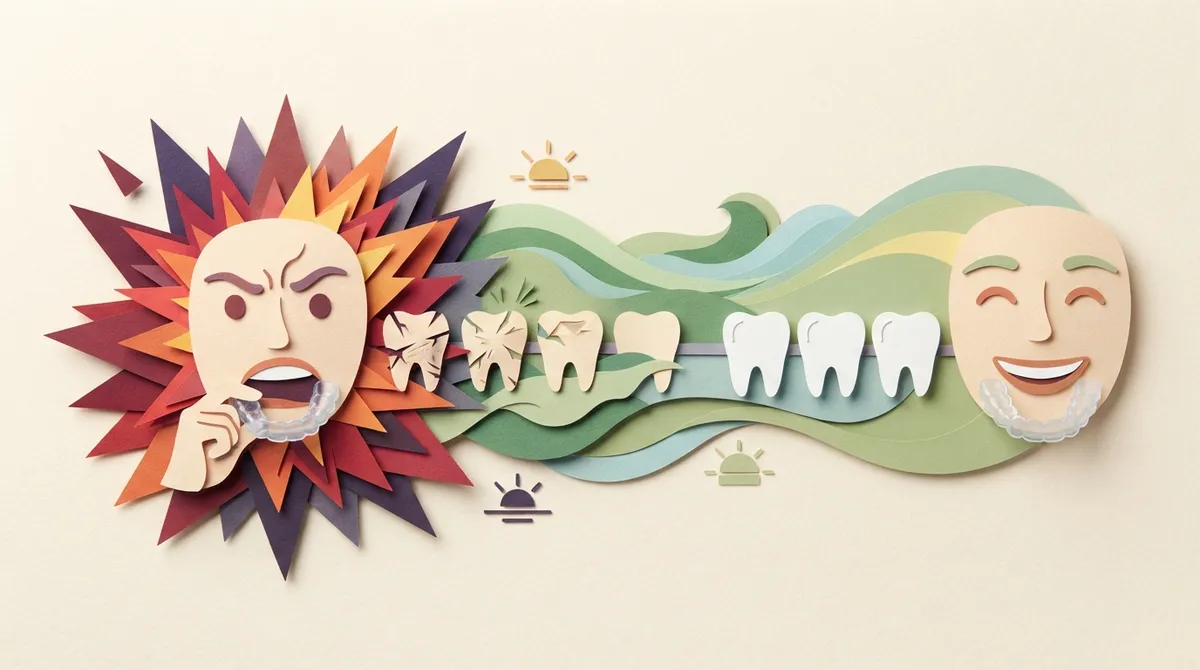
Timing matters a lot here. Most discomfort shows up within the first one to three days after you switch to a new tray. This is when your teeth are working hardest to shift position.
By day five, most people report feeling completely normal again. Some patients notice mild tooth sensitivity lingering up to two weeks, but this is on the higher end and not the typical experience. Here’s a simple breakdown of what to expect:
| Day After New Tray | What You Might Feel |
|---|---|
| Day 1 | Noticeable pressure and tightness |
| Day 2-3 | Peak soreness, may feel tender when chewing |
| Day 4-5 | Discomfort starts fading quickly |
| Day 5+ | Feels normal again for most patients |
Knowing this timeline helps you plan ahead. Many of our patients switch to new trays on a Friday night, so the peak soreness happens over the weekend when they’re relaxing at home instead of at work or school.
3. Aligners vs Braces: Which Hurts Less?
This is one of the most common questions we get from parents and adults alike. Research gives us a clear answer here. Traditional fixed braces are about 25% more painful than clear aligners, especially during the first week of treatment.
Studies also show that patients wearing traditional braces reach for pain relievers more often than those using aligners. Why the difference? Braces use metal brackets and wires that apply constant force all day, every day. Aligners apply gentler, more gradual pressure that your mouth adjusts to more easily.
- Aligners use smooth plastic with no sharp edges to irritate cheeks or lips
- Braces have brackets and wires that can rub against soft tissue
- Aligners are removable, giving your mouth breaks during meals
- Braces apply continuous pressure with no removal option
That said, both options work incredibly well for straightening teeth. If you’re weighing your choices, our guide on braces vs. clear aligners can help you decide what fits your lifestyle best.
4. Real Numbers: How Many Patients Actually Feel Pain?
Numbers can be reassuring when you’re nervous about starting treatment. Recent studies show that about 54% of aligner wearers experience mild, temporary pain. But here’s the part that should ease your mind: 35% report feeling no pain at all.
That means more than a third of patients breeze through treatment without any real discomfort. And for the majority who do feel something, it’s mild and short-lived. This data comes from real patient experiences, not just marketing claims, which is why we trust it when talking with our families at Segovia Orthodontics.
- 54% experience mild, temporary discomfort
- 35% report no pain whatsoever
- Remaining patients note occasional sensitivity, usually manageable
- Very few describe pain as severe or unmanageable
If you’re a busy professional worried about aligners interfering with your workday, these numbers should bring some comfort. Most people simply don’t notice much disruption to their daily routine.
5. Simple Ways to Ease Aligner Discomfort
Even mild pressure can feel annoying, especially in those first few days after a tray change. Thankfully, there are easy, proven ways to make the adjustment period smoother.
- Switch to new trays before bed so you sleep through the worst of it
- Use over-the-counter pain relievers if soreness bothers you
- Try cold water or ice packs against your cheek for quick relief
- Stick to soft foods for the first day or two after switching trays
- Use orthodontic wax if any edge feels rough against your gums
- Stay consistent with wear time, since removing aligners often actually prolongs discomfort
Consistency is key here. Wearing your aligners the recommended 20 to 22 hours a day actually reduces overall discomfort because your teeth move steadily instead of starting and stopping.
6. Special Situations That Can Increase Discomfort
Not everyone experiences aligner pressure the same way. Certain factors can make treatment feel a bit more uncomfortable, and it helps to know what they are ahead of time.
- Sensitive gums or a lower pain tolerance in general
- Existing gum conditions like gingivitis, which can heighten sensitivity
- Poorly fitted aligners that apply uneven pressure
- Skipping trays or wearing them inconsistently, which forces teeth to “catch up”
If gum health is a concern, it’s worth mentioning at your consultation. Dr. Segovia and our team always check for signs of gum irritation during your visits, and we can suggest solutions to keep your treatment comfortable. Our board-certified orthodontist credentials mean we follow the highest clinical standards, something you can verify through the American Board of Orthodontics.
Who Benefits Most From Choosing Aligners?
Different patients have different priorities, and clear aligners tend to be a great match for several groups. Let’s look at who really loves this treatment option.
Busy Parents and Their Kids
Moms juggling school pickups, soccer practice, and homework appreciate that aligners require fewer emergency visits than braces. No broken brackets, no poking wires. If your child is a good candidate, our teen orthodontic treatment options include aligners designed for growing smiles.
Professionals Who Need Discretion
Young professionals often prefer aligners because they’re nearly invisible. You can smile confidently in meetings without anyone noticing you’re in treatment. This makes clear aligners a popular choice among career-focused adults.
Adults Correcting Old Relapse
If your teeth shifted after you stopped wearing a retainer years ago, aligners offer a comfortable way to fix things without going back to metal braces. Many adults appreciate this gentler second chance at a straight smile through our adult orthodontics program.
Milestone-Driven Patients
Got a wedding, graduation, or big event coming up? Aligners let you straighten your smile discreetly beforehand, without anyone noticing metal brackets in your photos.
Why Fit Matters So Much for Comfort
Here’s something that doesn’t get talked about enough: a well-fitted aligner should never cause overwhelming pain. If something feels seriously wrong, it usually points to a fit issue rather than normal tooth movement.
This is exactly why choosing an experienced provider matters so much. At Segovia Orthodontics, we use precise digital scanning and planning to make sure every aligner tray fits exactly as it should. This attention to detail is part of why our advanced orthodontic technology makes such a difference in patient comfort.
We also offer options like Angel Aligners, which use a smart 7+3 wear schedule combining flexible and firmer trays. This approach can actually speed up tooth movement while keeping comfort front and center, thanks to their frosted, self-adaptive material designed to reduce gum and cheek irritation.
What Happens If Pain Feels Too Intense?
While mild soreness is completely normal, sharp or lasting pain is not something to just push through. Here’s when you should reach out to your orthodontist:
- Pain lasts longer than two weeks without improving
- You notice swelling, bleeding gums, or visible irritation
- The aligner feels like it’s cutting into soft tissue
- Pain is sharp rather than a dull, pressure-like ache
- You develop a fever or other signs of infection
These situations are rare, but they’re worth knowing about. If anything feels off, don’t wait it out. Give us a call us at 941-557-1333 so we can take a look and make any needed adjustments quickly.
Building Confidence Before You Start Treatment
Starting any orthodontic journey feels like a big decision, and it’s completely normal to have questions. That’s exactly why we encourage new patients to schedule a consultation before committing to anything. You’ll get to ask questions, learn about your first orthodontic visit process, and understand exactly what your treatment timeline will look like.
Many of our patients tell us that once they understood the mild, predictable nature of aligner discomfort, their anxiety disappeared almost completely. Knowledge really is powerful medicine here. You can also check out real patient experiences and updates by following our Facebook page or our Instagram page for behind-the-scenes looks at smile transformations happening right here in Lakewood Ranch.
Don’t just take our word for it, though. You can visit us on Google — Segovia Orthodontics to read what other Lakewood Ranch families and professionals have shared about their treatment experience.
Your Next Step Toward a Comfortable, Confident Smile
So, are aligners painful? Not really—at least not in the way you might have feared. What you’ll experience is mild pressure that fades quickly, especially compared to traditional braces. Thousands of patients complete their treatment feeling more confident, not miserable, along the way.
Whether you’re a parent exploring options for your teen, a professional wanting a discreet solution, or an adult ready to fix old relapse, clear aligners offer a comfortable path forward. Dr. Flor Segovia and our team are here to guide you every step of the way with personalized, bilingual care you can trust.
Ready to see if clear aligners are right for you? Request an appointment today and take the first step toward the smile you’ve always wanted.
FAQs
Q: How long does aligner pain last after switching trays?
A: Most people feel sore for about 1 to 3 days after switching to a new tray. By day 5, you’ll likely feel completely normal again. Some folks notice mild sensitivity for up to two weeks, but that’s less common.
Q: Do clear aligners hurt more than braces?
A: Nope, actually the opposite is true! Research shows traditional braces are about 25% more painful than aligners, especially in that first week. Aligners use gentler, more gradual pressure that’s easier on your mouth.
Q: What does aligner pain actually feel like?
A: Think tightness and pressure, not sharp pain. It’s similar to that snug feeling you get from a new pair of shoes. This pressure means your teeth are moving, which is exactly what you want.
Q: How can I reduce pain from new aligners?
A: Try switching trays before bed so you sleep through the worst part. Over-the-counter pain relievers, cold water, and soft foods for a day or two also help a lot. Staying consistent with wear time actually reduces discomfort overall.
Q: Is sharp pain from aligners normal?
A: Sharp or overwhelming pain isn’t typical and usually means something needs adjusting, like the fit of your tray. If you’re experiencing this, it’s best to reach out to your orthodontist right away rather than waiting it out.
Our Service Area