Key Takeaways
-
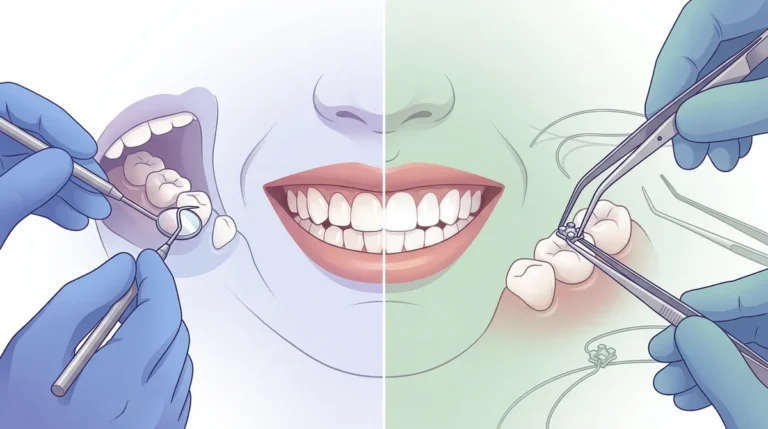
Teeth naturally drift back to their original position after braces, making retainers essential to prevent relapse within just a few months of treatment completion.
-
Fixed (bonded) retainers work 24/7 without requiring compliance and are ideal for relapse-prone patients, while removable retainers offer flexibility for those who prefer daily control.
-
Clear plastic retainers (Essix-style) are nearly invisible and affordable for professionals needing discretion, but Vivera retainers offer superior durability with multi-pack backups for busy adults.
-
Combination retainers pairing a Hawley retainer on upper teeth with a fixed retainer on lower teeth address how upper and lower teeth shift differently after treatment.
-
Proper retainer care—rinsing daily, using soft brushes with lukewarm water, storing in cases, and regular orthodontist inspections—significantly extends retainer lifespan and prevents costly repairs.
-
Contact your orthodontist immediately if your retainer cracks, feels loose, or goes missing, as teeth can shift within days and early intervention prevents expensive relapse correction.
So you finally got your braces off (or you’re about to)! That new smile is amazing, and you want to keep it that way forever. Here’s the thing: your teeth actually want to drift back to where they used to be. That’s where retainers come in, and picking the right one matters more than you might think.
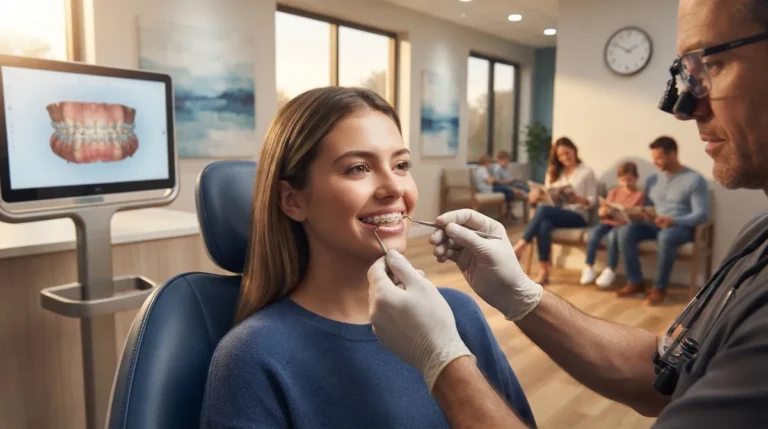
At Segovia Orthodontics, we walk families and adults through every retainer option so you never feel confused or overwhelmed. Whether you’re a busy mom juggling three kids’ schedules, a young professional who just finished clear aligner treatment, or an adult correcting relapse from years ago, there’s a retainer built for your life. Let’s break down the 7 main types of retainers so you know exactly what to expect.
Why Retainers Matter So Much After Braces
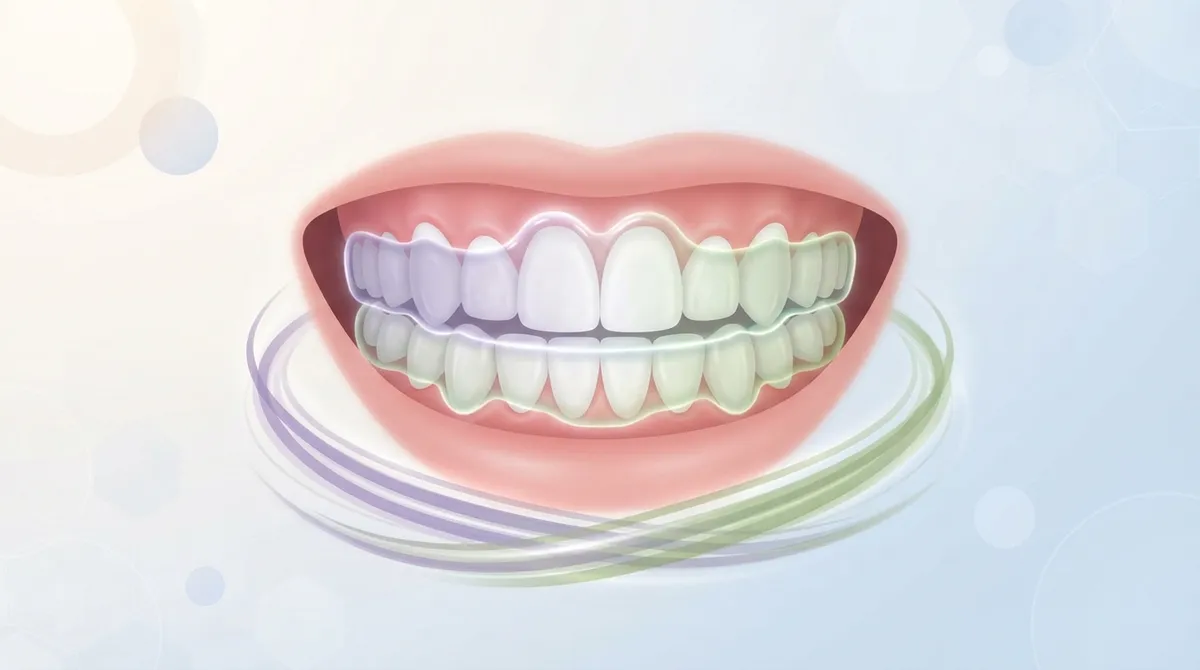
Think of your retainer like a safety net for all that hard work. Braces and aligners move your teeth into their new spots, but the bone and gum tissue around them need time to settle. Skip your retainer, and those teeth can slowly shift back within just a few months.
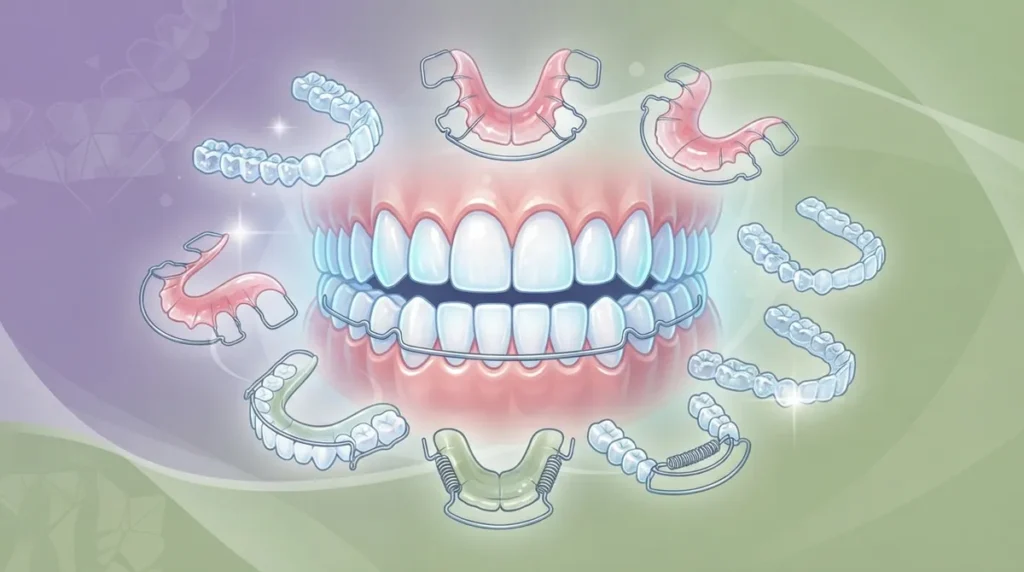
Orthodontic retainers fall into two big categories: removable and fixed (also called bonded or permanent). Both do the same job—holding your teeth in place—but they work in very different ways. Let’s look at all 7 options so you can chat confidently with your orthodontist about which one fits your lifestyle.
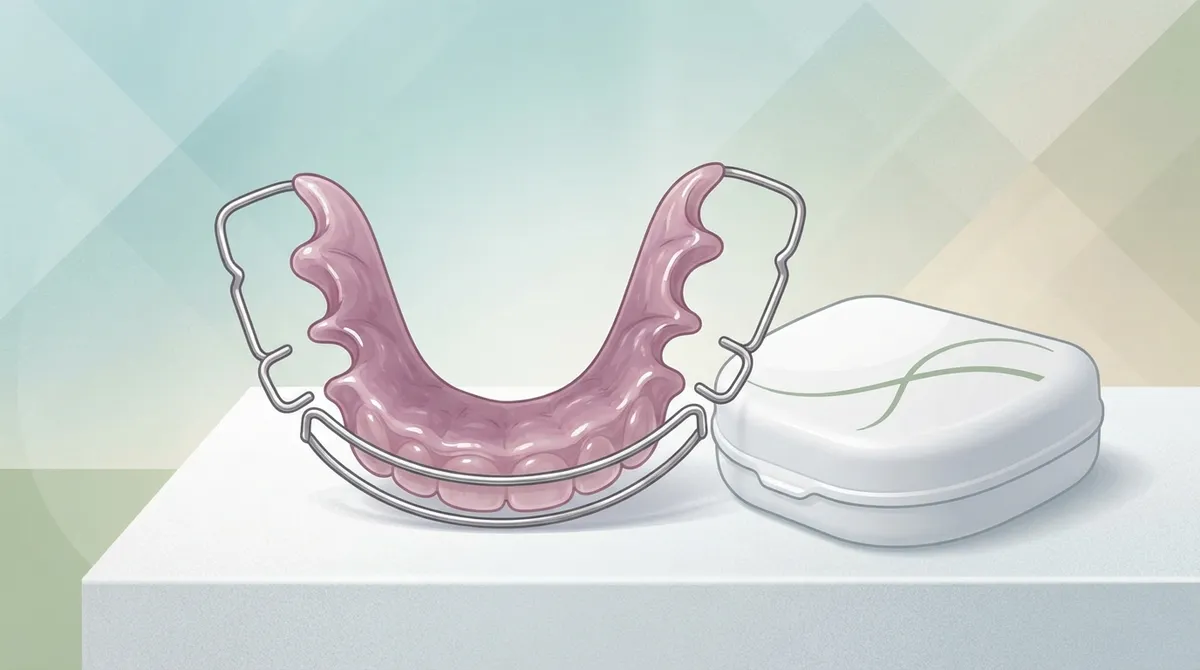
1. Hawley Retainers: The Classic Choice
Hawley retainers have been around for decades, and there’s a reason they’re still popular. They combine a hard acrylic base, molded to fit the roof of your mouth or the floor under your tongue, with a metal wire that wraps across your front teeth.
Here’s why families love them:
- They’re durable and can be adjusted by your orthodontist if minor tweaks are needed
- You can get them in fun colors or patterns, which kids especially enjoy
- They tend to last longer than clear plastic options
- They’re easy to clean with a toothbrush
Hawley retainers are often the go-to for lower teeth or for kids finishing Phase 1 of early orthodontic treatment. If you’re a concerned mom trying to find something sturdy that survives a busy kid’s schedule, this one’s worth asking about.
2. Clear Plastic Retainers (Essix-Style)
If you loved how invisible your clear aligners were, you’ll appreciate clear plastic retainers just as much. These trays are custom-molded to snap right over your teeth, looking almost exactly like an aligner tray.
Clear retainers are a favorite among young professionals and life event planners who don’t want anything visible in photos or during meetings. They’re virtually invisible, which makes them perfect if you’re prepping for a wedding, graduation, or big presentation at work.
A few things to know about clear retainers:
- They hold your teeth in the exact position they finished treatment in
- They’re generally less expensive to replace than Hawley retainers
- They don’t last quite as long since the plastic can wear down over time
- They can trap moisture, so cleaning them daily is a must
3. Vivera Retainers: The Upgraded Clear Option
Vivera retainers are a premium version of the clear plastic retainer. They’re made from a thicker, more durable plastic material, which means they typically hold up better against daily wear and tear.
Many patients wonder: are Vivera retainers better than Essix retainers? The honest answer is it depends on your budget and how hard you are on your retainers. Vivera retainers often come as a multi-pack, so if one gets a little worn or lost, you’ve got backups ready to go. This makes them a smart pick for career-focused adults who don’t have time for emergency orthodontist visits.
4. Fixed (Bonded) Retainers
Fixed retainers are a completely different animal. Instead of a removable tray or wire, this is a thin custom wire that gets bonded directly to the back (lingual) side of your teeth, usually the lower front teeth.
Here’s what makes fixed retainers unique:
- They work 24 hours a day without you having to remember to wear them
- They can’t be lost, which is huge for teenagers or kids who tend to misplace things
- They can last for many years if you take care of them properly
- They require a bit more effort to clean since floss threaders are usually needed
- Only your orthodontist can remove them, not you at home
Fixed retainers are usually recommended for patients who need consistent, around-the-clock retention to reduce the chances of relapse, since removable retainers are often only worn part-time. This makes them a great option for adult relapse patients who are serious about keeping their smile straight this time around.
5. Vacuum-Formed Retainers (VFRs)
Vacuum-formed retainers are a specific type of clear retainer made using a heat-and-suction process that molds thin plastic tightly around a model of your teeth. They’re relatively inexpensive and can often be made the very same day your braces come off.
This quick turnaround is a big win if you’re a busy professional who can’t afford to go weeks without protection for your new smile. Because VFRs are budget-friendly, they’re also a popular first retainer choice before deciding if you want to upgrade to something like Vivera later.
6. Combination Retainers (Upper Hawley, Lower Fixed)
Some patients don’t stick to just one type. It’s actually pretty common for Dr. Segovia to recommend a Hawley retainer for the upper teeth and a fixed retainer for the lower teeth, or some other combination based on your bite and treatment history.
This mixed approach makes sense because upper and lower teeth don’t always shift the same way. Your orthodontist will look at your specific case, including any history with types of braces you wore, to figure out the best combo for long-term stability.
7. Custom Sports & Nighttime Retainers
For active teens and adults, some practices offer specialized retainers designed to double as protection during sports or to be worn only at night once your teeth have fully stabilized. These are usually a clear or Hawley-style retainer fitted for reduced wear schedules, often prescribed a year or more after initial treatment.
This option works well for teens balancing sports practices, school, and a social life, since it reduces daytime hassle while still protecting those hard-earned results from your teen orthodontic treatment.
Comparing the Main Retainer Types
| Retainer Type | Visibility | Durability | Removable? | Best For |
|---|---|---|---|---|
| Hawley Retainer | Visible wire | High | Yes | Lower teeth, kids, Phase 1 patients |
| Essix Clear Retainer | Nearly invisible | Moderate | Yes | Upper teeth, young professionals |
| Vivera Retainer | Nearly invisible | High | Yes | Busy adults wanting backups |
| Fixed/Bonded Retainer | Not visible (inner teeth) | Very high | No (orthodontist removes) | 24/7 retention, relapse-prone patients |
| Vacuum-Formed Retainer | Nearly invisible | Moderate | Yes | Same-day, budget-conscious patients |
How to Choose the Right Retainer for Your Life
Picking a retainer isn’t a one-size-fits-all decision. Here’s a simple way to think through it:
- Consider your daily schedule—can you remember to wear and remove a tray, or do you need something permanent?
- Think about aesthetics—do you need something invisible for work or upcoming events?
- Factor in your budget—clear plastic options are usually cheaper upfront, but may need replacing sooner
- Ask about your bite history—if you’re an adult relapse patient, a fixed retainer may protect against future shifting
- Talk to your orthodontist about lifestyle factors like sports, instruments, or grinding habits
Dr. Flor Segovia, a board-certified orthodontist recognized by the American Board of Orthodontics, takes time to walk every patient through these choices during their first orthodontic visit and every follow-up after treatment.
Caring for Your Retainer the Right Way
No matter which type you choose, proper care keeps your retainer working well and lasting longer. Follow these simple habits:
- Rinse removable retainers every time you take them out
- Brush your retainer gently with a soft toothbrush (avoid hot water, which can warp plastic)
- Store removable retainers in their case when not worn, never in a napkin or pocket
- Floss carefully around fixed retainers using a floss threader or water flosser
- Bring your retainer to every checkup so your orthodontist can inspect it for wear
If you ever notice a cracked retainer, a loose wire, or discomfort, don’t wait it out. Reach out about an orthodontic emergency right away so small issues don’t turn into bigger, more costly problems.
What Happens If Something Goes Wrong
Life happens. Retainers get left in lunch trays, dogs decide they’re chew toys, or a bonded wire comes loose after eating something a little too crunchy. Here’s what to do in these situations:
- Lost removable retainer: Call your orthodontist right away, since teeth can shift within days
- Cracked or broken tray: Stop wearing it and schedule a replacement fitting
- Loose fixed retainer wire: Don’t try to fix it yourself, book an appointment quickly
- Retainer doesn’t fit anymore: This could mean your teeth have already shifted, so get checked promptly
We always encourage patients to contact us as soon as something feels off. Catching a problem early is always easier and cheaper than fixing a bigger shift later.
Why Choose Segovia Orthodontics for Your Retainer Care
Segovia Orthodontics at Lakewood Ranch treats every patient like family, whether you’re a teenager finishing up treatment or an adult correcting years-old relapse. Dr. Segovia offers bilingual care in English and Spanish and uses advanced orthodontic technology to design retainers that fit precisely and comfortably.
Our team understands that busy moms need flexible scheduling, young professionals want discreet solutions, and adults returning after relapse deserve compassionate, judgment-free care. That’s why we take time explaining every option, from orthodontic retainers to full treatment plans involving LightForce braces or WildSmiles braces for kids who want a little extra fun during treatment.
Curious what other patients say about their experience? You can visit us on Google — Segovia Orthodontics to read real reviews from families just like yours. You can also check out our Facebook page or follow along on our Instagram page for smile transformations and helpful tips.
Final Thoughts on Choosing Your Retainer
Your retainer is the final, important step in your orthodontic journey. Whether you go with a classic Hawley, a sleek clear tray, a durable Vivera, or a permanent fixed wire, the goal is the same: protecting the smile you worked so hard to achieve.
Don’t leave this decision to guesswork. Our friendly team is ready to help you figure out the best retainer type based on your treatment history, lifestyle, and goals. Request an appointment today, or feel free to call us at 941-557-1333 with any questions. Your straight, confident smile deserves the best protection out there!
FAQs
Q: What are the pros and cons of Hawley vs. clear retainers?
A: Hawley retainers are super durable and adjustable but more visible with their metal wire. Clear retainers are nearly invisible and great for photos, but they can wear out a bit faster and need gentler care. It really comes down to what matters most to you: durability or discreetness!
Q: How long do fixed orthodontic retainers last?
A: Fixed retainers can last many years, sometimes even a decade or more, if you take good care of them. Regular checkups help your orthodontist catch any wear before it becomes a problem. Just remember, only your orthodontist can remove or repair them, so never try that at home.
Q: Can I eat with a removable retainer?
A: Nope, you’ll want to take removable retainers out before eating or drinking anything besides water. This protects the plastic or acrylic from warping and keeps food from getting stuck. Just pop it back in right after you brush your teeth!
Q: Which teeth are fixed retainers usually bonded to?
A: Fixed retainers are most commonly bonded to the back of the lower front teeth, since these tend to shift the most after treatment. Sometimes your orthodontist may recommend one for the upper front teeth too, depending on your bite and history.
Q: How do I clean my orthodontic retainer?
A: Gently brush removable retainers with a soft toothbrush and lukewarm water every day. Avoid hot water since it can warp the plastic. For fixed retainers, a floss threader or water flosser works wonders to keep that wire area squeaky clean.
Our Service Area