Key Takeaways
-
Brush your teeth for at least two minutes after every meal and snack at a 45-degree angle to clean above and below brackets; aim for 3-5 times daily to prevent plaque buildup in hard-to-reach areas.
-
Use floss threaders, water flossers, or interdental brushes daily to remove food trapped under wires and between teeth, as regular floss alone cannot reach these critical spots.
-
Avoid sticky candies, hard foods like ice and nuts, chewy gum, and crunchy snacks that can damage brackets, loosen wires, or trap plaque around your orthodontic appliances.
-
Rinse with fluoride or antimicrobial mouthwash for 30-60 seconds after brushing and flossing to reduce plaque buildup around brackets and provide extra enamel protection.
-
Continue visiting your family dentist every six months for professional cleanings during orthodontic treatment, as your dentist and orthodontist work together to maintain oral health.
-
Carry a travel hygiene kit with a toothbrush, toothpaste, floss threaders, and interdental brush for on-the-go cleaning, and rinse with water if you cannot brush immediately after eating.
So, you (or your child) just got braces. Exciting, right? A straighter smile is on the way! But here’s the thing your orthodontist wants you to know from day one: braces and oral hygiene go hand in hand. Brackets and wires create tiny nooks where food and plaque love to hide. Without the right habits, you could end up trading crooked teeth for cavities or stained enamel. The good news? Keeping your smile healthy during treatment is totally doable once you know the tricks. Whether you’re a busy mom managing your teen’s morning routine, a professional wearing clear aligners between meetings, or an adult finally correcting old relapse, this guide breaks down exactly what you need to do. Let’s walk through eight simple, effective habits that will keep your teeth clean, your gums happy, and your treatment on track at Segovia Orthodontics and beyond.
Why Oral Hygiene Matters So Much With Braces
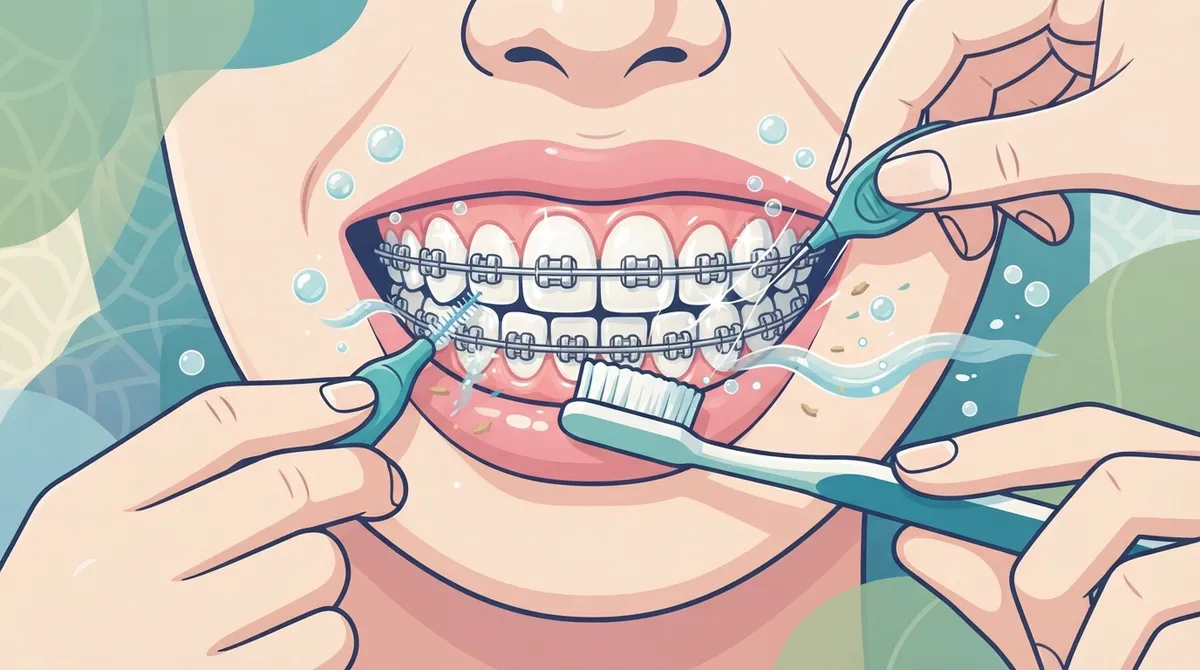
Braces do amazing work moving your teeth into place. But brackets, bands, and wires also give plaque more places to stick around. Left alone, this plaque can cause white spots, cavities, and swollen gums. It’s not scary, just something to stay on top of.
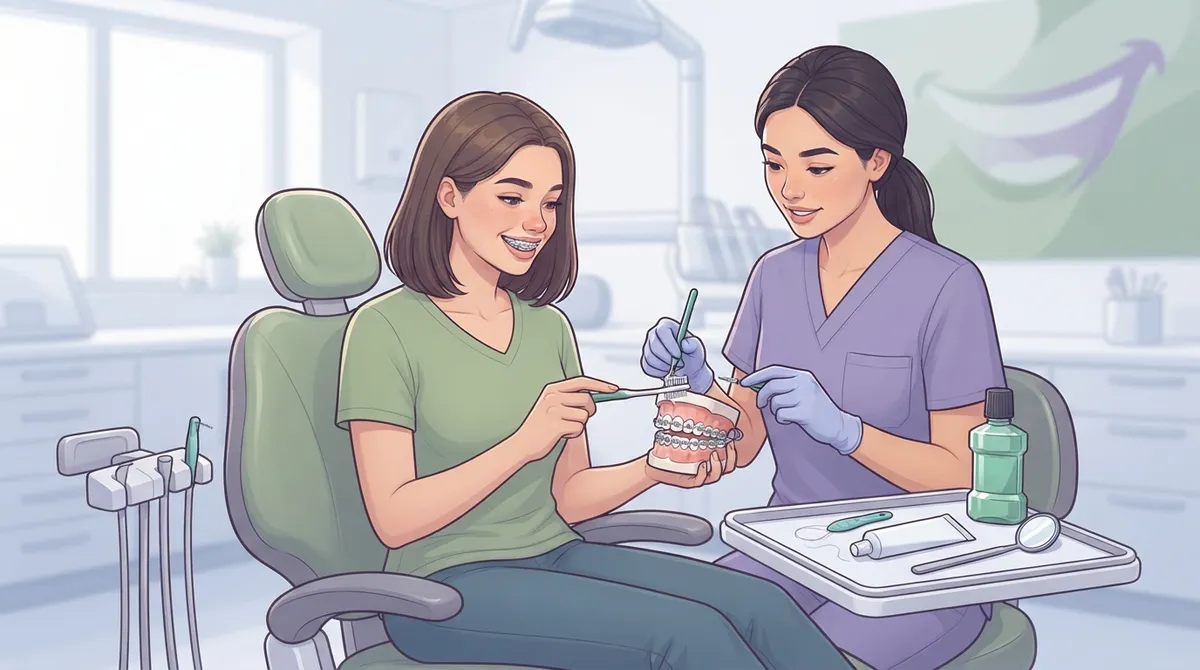
The good news is that a few consistent habits make a huge difference. Patients who brush and floss consistently during treatment tend to finish with brighter, healthier smiles. This is exactly why our team at Segovia Orthodontics spends time teaching every patient proper care from their very first appointment. If you’d like a personalized walkthrough, feel free to contact us anytime.
8 Braces and Oral Hygiene Habits That Actually Work
1. Brush After Every Meal (Yes, Every Time)
This one is non-negotiable. Brush your teeth for at least two minutes after every meal or snack, and again before bed. Hold your toothbrush at a 45-degree angle so you clean both above and below each bracket.
Some orthodontic guidelines even recommend brushing five times a day for younger patients with braces, spacing it out between waking up, meals, and bedtime. It sounds like a lot, but it becomes second nature after the first few weeks.
2. Floss Daily, Even Though It’s Tricky
Flossing with braces takes a bit more patience, but it’s one of the most important steps. Food loves to hide under wires, and a regular string of floss just won’t reach it without help.
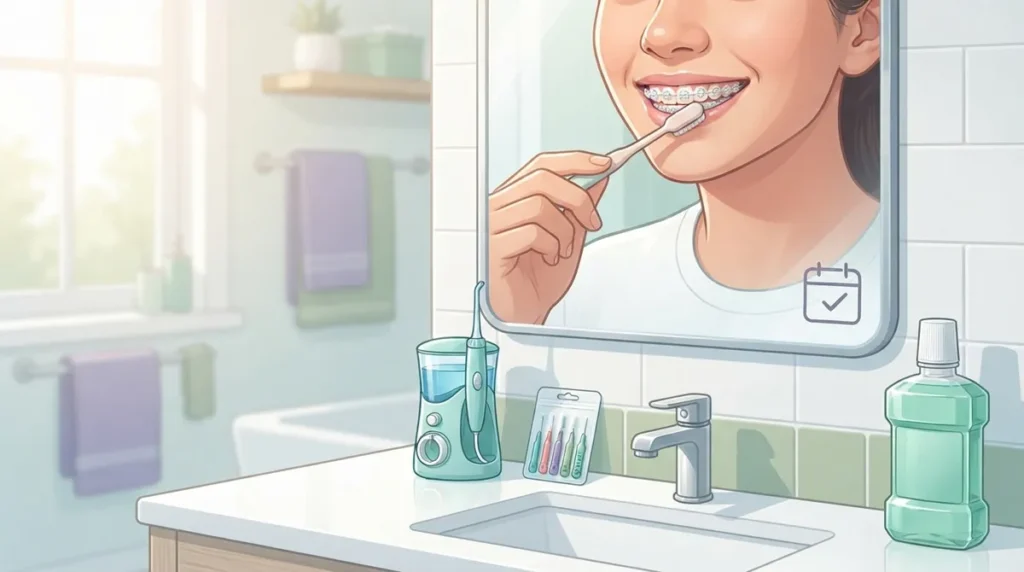
- Floss threaders help guide floss under the wire and between teeth.
- Water flossers blast away debris with a gentle stream of water.
- Interdental brushes clean tight spots a toothbrush can’t reach.
Pick whichever tool feels easiest and stick with it daily. Need more tips? Check out our detailed guide on how to floss with braces without the frustration.
3. Rinse With Fluoride Mouthwash
Fluoride toothpaste is a great start, but adding a fluoride or antimicrobial mouthwash gives your enamel extra protection. It helps reduce plaque buildup around brackets and lowers your risk of cavities.
Swish for about 30 to 60 seconds after brushing and flossing. This simple step takes less than a minute but adds a valuable layer of defense.
4. Consider an Electric Toothbrush
Electric toothbrushes designed for orthodontic patients can remove more plaque with less scrubbing effort compared to manual brushing. The vibrating or rotating bristles reach around brackets more effectively.
If you’re a busy professional squeezing in brushing between meetings, an electric brush can save you time while still giving your teeth a thorough clean.
5. Avoid Foods That Damage Braces or Trap Plaque
Certain foods are basically an invitation for trouble when you have braces. Steer clear of:
- Sticky candies like caramels and taffy
- Hard foods like ice, nuts, and popcorn kernels
- Chewy gum that can pull brackets loose
- Crunchy snacks that get stuck in wires
Choosing softer, braces-friendly foods protects your appliances and makes cleanup much easier. Curious what else to skip? Our article on 13 foods to avoid with braces has the full rundown.
6. Keep Seeing Your Family Dentist Regularly
Braces don’t replace your regular dental checkups. You should still visit your family dentist for professional cleanings at least every six months during treatment, or more often if your orthodontist recommends it.
Your orthodontist and dentist work as a team to keep your smile on track. Orthodontic adjustment visits typically happen every six to ten weeks, giving Dr. Segovia plenty of chances to check your hygiene progress too.
7. Pack a Travel Hygiene Kit
Life gets busy, and you won’t always be near your bathroom sink after lunch. That’s where a small travel kit comes in handy.
- A travel-sized toothbrush
- Mini toothpaste tube
- Floss threaders or picks
- An interdental brush
Toss this kit in your bag, car, or desk drawer. It’s a lifesaver for career-focused adults juggling meetings and errands without missing a brushing session.
8. Rinse With Water When You Can’t Brush
Sometimes brushing right after eating just isn’t possible. In those moments, swish plain water around your mouth for a few seconds. This helps neutralize sugars and acids until you can brush properly.
It’s not a replacement for brushing, but it’s a smart backup plan that reduces the time plaque has to build up on your teeth.
Comparing Cleaning Tools for Braces Wearers
Not sure which tools to add to your routine? Here’s a quick breakdown to help you decide what fits your lifestyle best.
| Tool | Best For | Ease of Use |
|---|---|---|
| Manual Toothbrush | Everyday brushing, budget-friendly option | Moderate |
| Electric Toothbrush | Removing more plaque with less effort | Easy |
| Floss Threaders | Reaching under wires | Moderate |
| Water Flosser | Fast, thorough cleaning between teeth | Easy |
| Interdental Brush | Cleaning tight spots around brackets | Easy |
How WildSmiles Braces Make Hygiene Easier for Kids
If you’re a parent worried about getting your child to brush thoroughly, WildSmiles Braces can help turn the chore into something fun. These brackets come in playful shapes like stars, hearts, and even Mickey Mouse designs.
Here’s the clever part: WildSmiles brackets are shaped to help prevent plaque from building up directly on the tooth surface. As your child brushes, the fun shapes should stay clearly visible. If they’re hidden under grime, that’s an easy signal it’s time to brush again. It’s a simple visual trick that keeps kids motivated and parents reassured.
How LightForce Braces Support Better Daily Care
LightForce Orthodontics takes a modern approach with fully custom, 3D-printed brackets designed to match your unique tooth shape. This precision fit means brackets bond more smoothly to your teeth, which can reduce irritation and make brushing around them more comfortable.
Because LightForce treatment plans are often 45% faster, you’ll spend less overall time managing braces-related cleaning challenges. Dr. Flor Segovia, a board-certified orthodontist, uses this advanced orthodontic technology to make treatment smoother from start to finish.
What About Clear Aligners Like Angel Aligners?
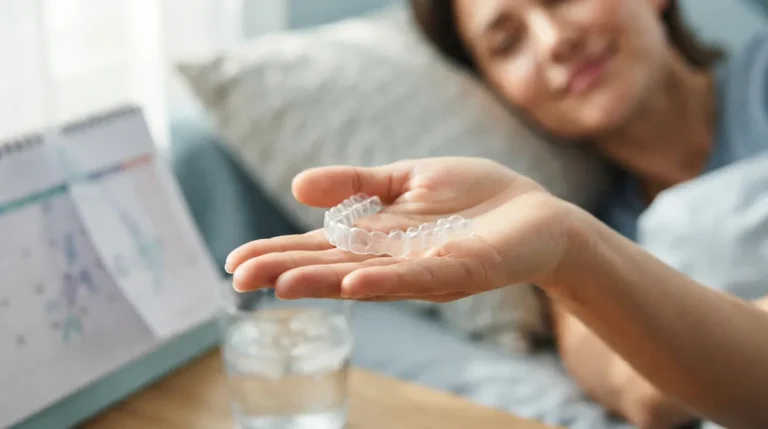
If you’re drawn to a more discreet option, clear aligners such as Angel Aligners offer a different hygiene experience. Since the trays are removable, you can brush and floss just like you normally would, without navigating brackets and wires.
That said, aligner wearers still need to be diligent. Trays should be cleaned regularly, and teeth should be brushed before popping the aligners back in. This makes clear aligners a popular choice for career-focused adults and young professionals who want a low-maintenance path to a straighter smile.
Quick Daily Checklist for Braces and Oral Hygiene
- Brush after breakfast, lunch, dinner, and before bed
- Floss once daily using a threader or water flosser
- Rinse with fluoride mouthwash
- Avoid sticky, hard, or chewy foods
- Carry a travel hygiene kit for on-the-go cleaning
- Rinse with water if brushing isn’t possible right away
- Keep every dental cleaning appointment
- Attend every orthodontic checkup as scheduled
Following this checklist consistently helps protect your investment in your smile. It also makes those orthodontic visits smoother and often quicker, since there’s less plaque buildup to deal with.
Signs You Might Be Missing Spots
Sometimes it’s hard to tell if you’re brushing thoroughly enough. Watch for these warning signs:
- Red or puffy gums, especially near brackets
- Bad breath that doesn’t go away after brushing
- White or discolored spots forming around brackets
- Food visibly stuck in wires after cleaning
If you notice any of these, it might be time to adjust your routine or ask your orthodontist for extra tips. You can always request an appointment if something feels off between regular visits.
Why Choose Segovia Orthodontics for Your Treatment Journey
At Segovia Orthodontics in Lakewood Ranch, we believe great results come from great teamwork between our office and our patients. Dr. Flor Segovia and her team walk you through every hygiene step, whether you choose traditional braces, WildSmiles, LightForce, or clear aligners like Angel Aligners.
We proudly serve families throughout the Lakewood Ranch area with bilingual, comfortable care for all ages. Curious what other patients are saying? You can visit us on Google — Segovia Orthodontics to read real reviews, or check out our Facebook page and our Instagram page for smile transformations and helpful tips. For general orthodontic standards, the American Board of Orthodontics is also a trusted resource.
Ready to Keep Your Smile on Track?
Good oral hygiene during orthodontic treatment doesn’t have to feel overwhelming. With a few consistent habits, brushing, flossing, rinsing, and smart food choices, you’ll protect your smile every step of the way. Whether your child is starting early treatment, you’re a teen juggling sports and social events, or you’re an adult finally getting that relapse corrected, these habits apply to everyone.
Ready to get started or have questions about your current routine? Call us at 941-557-1333 and our friendly Lakewood Ranch team will be happy to help you keep your smile healthy from day one to your final reveal.
FAQs
Q: How often should I brush my teeth if I have braces?
A: You should brush after every meal or snack and again before bed, so that’s at least three to five times a day. Aim for a full two minutes each time, and angle your brush at 45 degrees to clean above and below each bracket. It might feel like a lot at first, but it quickly becomes part of your daily rhythm!
Q: What is the best way to floss with braces?
A: Floss threaders, water flossers, and interdental brushes all work great for reaching under wires and between teeth. Pick whichever tool feels easiest for you, since consistency matters more than the exact method. Doing it once a day keeps plaque from building up where your toothbrush can’t quite reach.
Q: Can I use an electric toothbrush with braces?
A: Absolutely, and many patients find it makes cleaning easier and more effective. Electric toothbrushes can remove more plaque around brackets with less scrubbing effort compared to manual brushing. Just be gentle around your brackets and wires to avoid loosening anything.
Q: Do I still need to see my dentist for cleanings while I have braces?
A: Yes, definitely! You should keep visiting your family dentist for professional cleanings every six months, or more often if recommended. Your orthodontist and dentist work together as a team to make sure your teeth and gums stay healthy throughout treatment.
Q: What should I do if I can’t brush after eating with braces?
A: If brushing isn’t possible right away, rinse your mouth thoroughly with plain water. This helps wash away food particles and neutralizes sugars and acids until you can brush properly. It’s not a full replacement for brushing, but it’s a smart backup plan when you’re on the go.
Our Service Area