Key Takeaways
-
Schedule a pediatric orthodontist evaluation by age 7, when children have mixed dentition (both baby and permanent teeth), allowing experts to catch jaw and bite issues early while growth is still flexible and easier to guide.
-
Watch for 8 key signs including early/late baby tooth loss, difficulty chewing, mouth breathing, thumb-sucking past age 5, crowded teeth, jaw clicking, protruding front teeth, and speech difficulties—even one or two warrant a professional evaluation.
-
Early orthodontic intervention can prevent costly, complex problems later by addressing crossbites, overbites, underbites, and crowding while your child’s jaw is still growing and responsive to treatment.
-
Treatment options are personalized and not one-size-fits-all; choices range from space maintainers and palatal expanders for younger kids to traditional or clear braces for older children, allowing flexibility for busy family schedules.
If you’re a mom scrolling through your phone at 10 p.m. wondering whether your child’s crooked teeth need attention now or can wait, you’re in good company. So many parents in Lakewood Ranch ask us the same thing: when is the right time to see a pediatric orthodontist? The good news is, you don’t need to guess. There are clear, real-world signs that tell you it’s time to book that first visit, and catching them early can make a huge difference in your child’s smile and confidence.
A pediatric orthodontist focuses on spotting and treating bite, alignment, and jaw growth problems while kids are still growing. This timing matters because young jaws are more flexible and easier to guide than adult jaws. Below, we’re walking through 8 signs that suggest your child could benefit from an orthodontic evaluation, plus what to expect once you get there. Think of this as your friendly, no-stress guide to early orthodontic care.
What Does a Pediatric Orthodontist Actually Do?
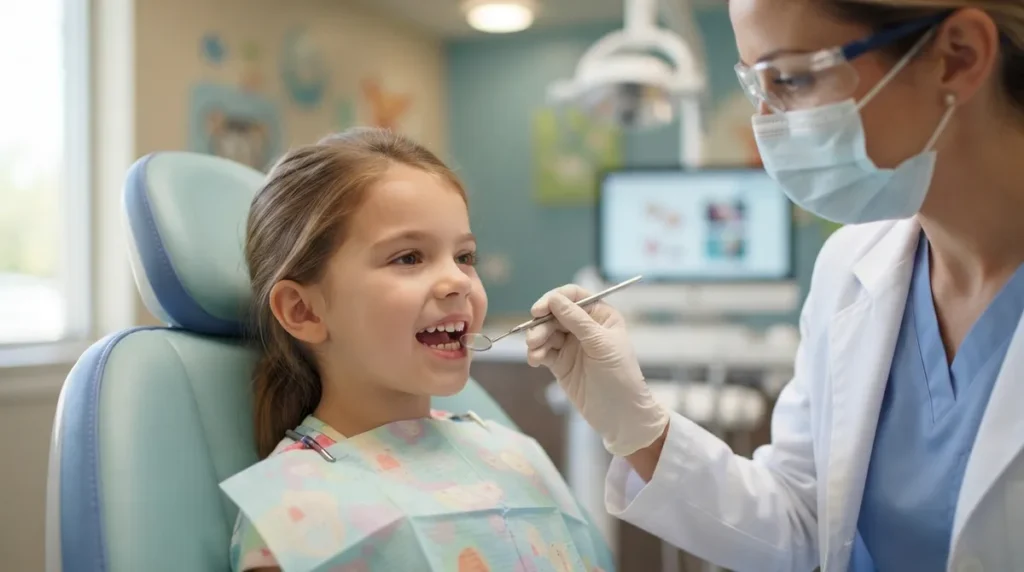
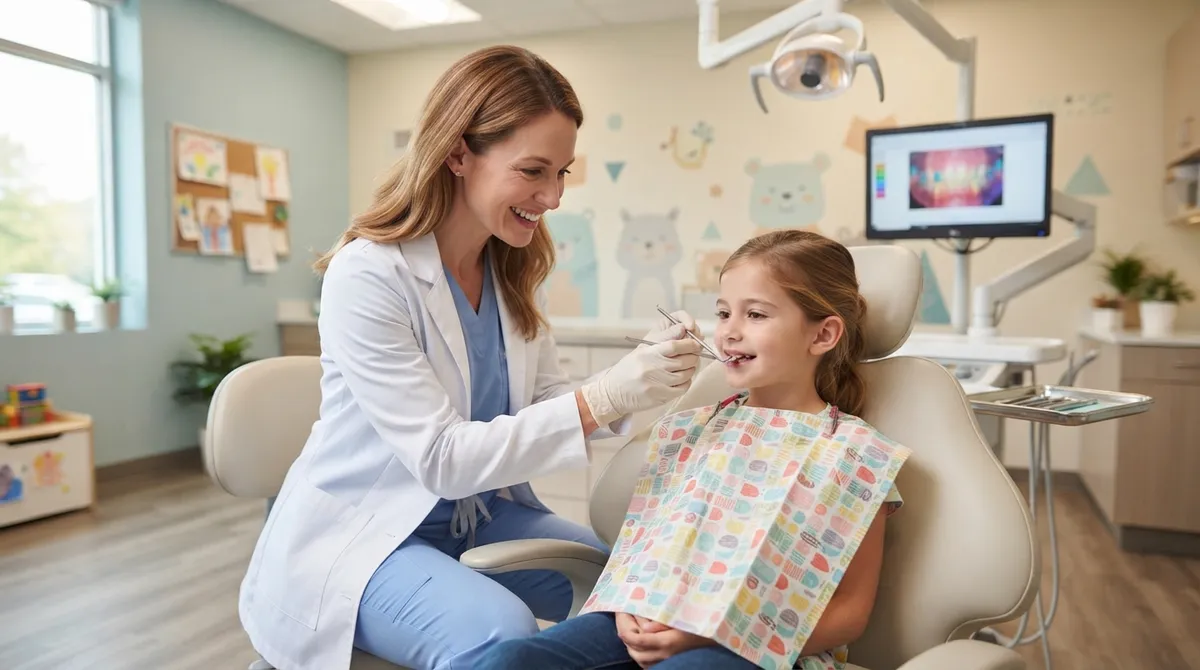
A pediatric orthodontist is a dental specialist trained to diagnose and treat alignment and bite issues in growing children. They look at more than just crooked teeth. They also watch how the jaw is developing, how baby teeth are falling out, and whether permanent teeth are coming in correctly.
Their job is to catch problems early, before they turn into bigger, more expensive issues later. This is often called interceptive treatment, and it’s a cornerstone of modern pediatric orthodontics. You can learn more about this approach on our Early Orthodontic Treatment page.
How This Differs From General Dentistry
Your family dentist is amazing at cleanings, cavities, and overall oral health. But orthodontic specialists go through extra years of training specifically focused on tooth movement and jaw alignment. If you’re curious about the distinction, our article on General Dentist vs. Orthodontist breaks it down simply.
8 Signs It’s Time to See a Pediatric Orthodontist
Here’s a practical, numbered rundown of the signs we hear about most often from parents. If your child shows even one or two of these, it’s worth scheduling a check.
- Early or late loss of baby teeth. If baby teeth fall out much earlier or later than expected, it can throw off the timing of permanent teeth coming in.
- Difficulty chewing or biting. Kids who struggle to bite into food comfortably may have an underlying bite issue.
- Mouth breathing or snoring. This can sometimes point to airway or jaw development concerns worth a professional look.
- Thumb-sucking past age 5. Prolonged habits like thumb-sucking can shift teeth and affect jaw shape over time.
- Crowded or overlapping teeth. Visible crowding, especially as permanent teeth erupt, is one of the most common reasons for a referral.
- Jaws that shift or make sounds. Clicking, popping, or a jaw that seems to shift to one side needs evaluation.
- Protruding front teeth. Teeth that stick out noticeably can increase the risk of injury and may benefit from early guidance.
- Speech difficulties tied to teeth position. Sometimes alignment issues affect how a child pronounces certain sounds.
If any of these sound familiar, don’t panic. Many of these signs are simply invitations to get a professional opinion, not automatic tickets to years of treatment. Our team can walk you through Common Orthodontic Problems we see in kids every day.
Why Age 7 Is the Magic Number
You might be wondering why age 7 keeps coming up in orthodontic conversations. It’s not random. Around this age, most children have a healthy mix of baby teeth and permanent teeth, known as mixed dentition. This mix gives orthodontists a clear window into how the bite and jaw are developing.
The American Association of Orthodontists commonly recommends a first checkup by age 7. This doesn’t mean your 7-year-old will get braces that day. It simply means an expert takes a look, tracks growth, and flags anything that might need early attention. You can read more general guidance from the American Board of Orthodontics, a respected authority in the field.
What Happens During That First Visit
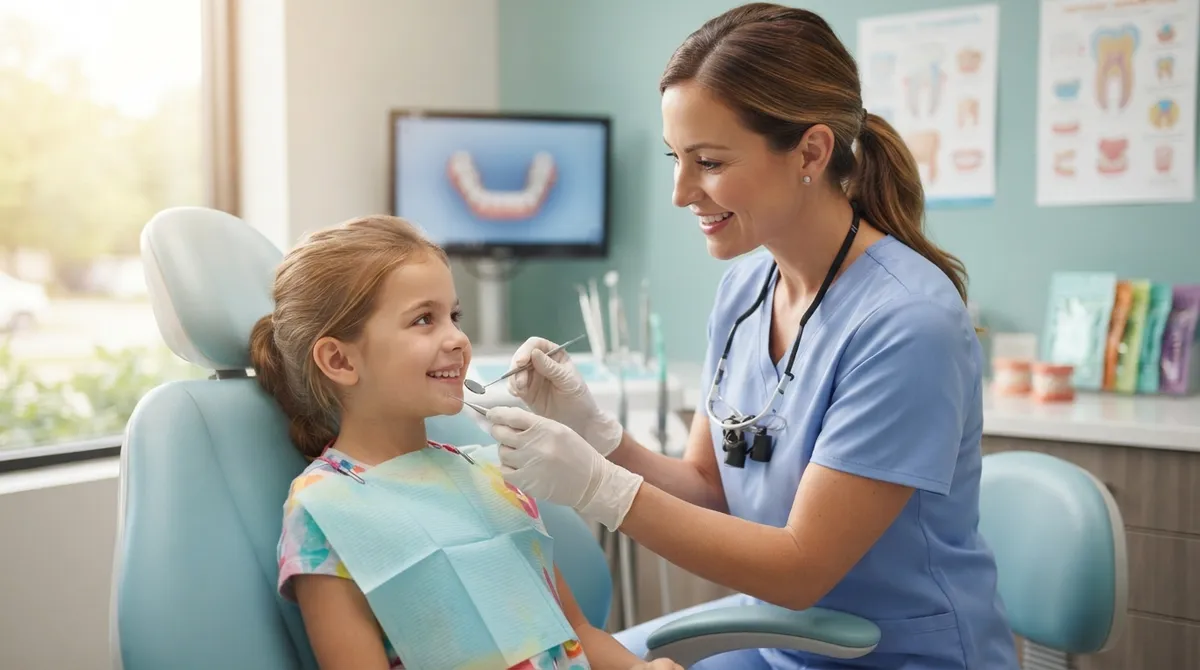
Your child’s first orthodontic visit is usually relaxed and informative. Expect a friendly conversation, some photos or digital scans, and a clear explanation of what the orthodontist sees. For a full walkthrough, check out our page on the First Orthodontic Visit.
Common Problems Pediatric Orthodontics Can Catch Early
Early evaluation isn’t just about crooked teeth. It’s about catching bigger structural issues while there’s still time to guide growth gently. Here are some conditions we watch for closely:
- Crossbites, where upper and lower teeth don’t line up properly side to side
- Overbites and underbites, involving how the front teeth meet
- Open bites, where front teeth don’t touch when the mouth is closed
- Crowding, when there isn’t enough space for permanent teeth
- Excessive spacing between teeth
- Jaw size mismatches that run in families
- Watch for the 8 signs listed above during everyday moments, like mealtime or bedtime.
- Mention any concerns to your child’s pediatric dentist at their next cleaning.
- Schedule a consultation with a pediatric orthodontist around age 7, or sooner if something feels off.
- Ask questions during the visit. No question is too small.
- Review the recommended treatment plan and timeline together as a family.
- Start early treatment if recommended, or simply monitor growth with periodic check-ins.
- Talk about the visit positively beforehand, without over-explaining
- Let them pick out fun bracket colors or shapes if treatment starts
- Praise good brushing habits during treatment
- Keep a light, encouraging tone about their progress
- Celebrate milestones, like getting an expander adjusted or finishing a phase
Left untreated, some of these issues can get more complex as your child grows. That’s the whole idea behind early intervention: use the growth window while it’s open. Our Crooked Teeth: Causes, Effects, and How to Fix Them article goes deeper into this topic if you want more detail.
Treatment Options Available for Young Patients
Not every child needs the exact same treatment. Pediatric orthodontics is not one-size-fits-all, and that’s actually great news for busy parents juggling schedules and budgets.
Comparing Common Pediatric Orthodontic Treatments
| Treatment | Best For | Typical Age Range |
|---|---|---|
| Space Maintainers | Holding space after early tooth loss | Ages 6-10 |
| Palatal Expanders | Widening a narrow upper jaw | Ages 7-11 |
| Traditional Braces | Crowding, bite correction, alignment | Ages 10-14 |
| WildSmiles Braces | Fun, expressive treatment for kids | Ages 8-14 |
| Clear Aligners | Mild to moderate alignment issues | Teens 13+ |
One option many families love is WildSmiles Braces, which lets kids choose fun bracket shapes like stars, hearts, or even Mickey Mouse designs. This small detail can make a surprisingly big difference in how excited kids feel about wearing braces, which usually means better brushing habits too.
For families who want cutting-edge precision, Lightforce Orthodontics uses fully digital, 3D-printed brackets custom-designed for each tooth. This can mean faster treatment times and a more comfortable fit, something busy parents definitely appreciate when trying to minimize appointments.
How Pediatric Dentists and Orthodontists Work Together
Your child’s pediatric dentist and their orthodontist are actually a team, even if they work in different offices. Pediatric dentists usually spot early warning signs during regular checkups and refer families to an orthodontist when needed.
This collaboration matters because early communication between providers helps avoid gaps in care. If your dentist has already mentioned something about your child’s bite or crowding, that’s a great cue to schedule an orthodontic evaluation sooner rather than later.
Steps to Take If You Suspect Your Child Needs Treatment
Feeling unsure about next steps is completely normal. Here’s a simple, numbered path to follow:
This process is designed to feel collaborative, not overwhelming. Our team walks parents through every step, and you can learn what typically happens at an evaluation on our What Happens During an Orthodontic Evaluation page.
Why Choose Segovia Orthodontics for Your Child’s Care
At Segovia Orthodontics in Lakewood Ranch, Dr. Flor Segovia brings board-certified expertise and a genuinely warm approach to every young patient. She’s fluent in English and Spanish, which many local families appreciate, and she uses advanced technology to keep treatment efficient and comfortable.
We know parents are busy, juggling school pickups, soccer practice, and everything in between. That’s why we focus on flexible scheduling and a supportive environment that fits real family life. You can also learn more about Dr. Segovia’s board certification and her commitment to ongoing training.
Don’t just take our word for it. Feel free to visit us on Google — Segovia Orthodontics to see what other Lakewood Ranch families are saying about their experience. We also love connecting with our community on our Facebook page and sharing smile transformations on our Instagram page.
Making Orthodontic Care a Positive Experience for Kids
Let’s be honest, kids don’t always love the idea of a dental visit. But a few simple strategies can turn nerves into excitement.
Small wins add up. Before you know it, your child will be proud of their changing smile instead of dreading appointments.
Ready to Schedule Your Child’s Evaluation?
Early orthodontic care gives your child’s smile the best possible foundation, and it gives you peace of mind as a parent. If you’ve noticed any of the 8 signs above, or if your child is approaching that important age-7 milestone, now is a great time to act. Feel free to request an appointment with our friendly team, or simply call us at 941-557-1333 to ask any questions you might have. We’re here to make this journey easy, warm, and even a little fun for your whole family.
FAQs
Q: What does a pediatric orthodontist do?
A: A pediatric orthodontist diagnoses and treats bite, alignment, and jaw growth issues in growing kids. They catch problems early so treatment can work with your child’s natural growth instead of against it, often making later care simpler.
Q: At what age should a child first see an orthodontist?
A: Most experts, including the American Association of Orthodontists, recommend a first checkup around age 7. At this age, kids usually have both baby and permanent teeth, which helps orthodontists spot developing issues early.
Q: What is the difference between a pediatric dentist and a pediatric orthodontist?
A: A pediatric dentist focuses on overall oral health, cleanings, and cavity prevention for kids. A pediatric orthodontist specializes specifically in tooth alignment and jaw growth, and the two often work together to keep your child’s smile on track.
Q: Do all children need braces after seeing a pediatric orthodontist?
A: Not at all! Many kids just need monitoring during regular checkups. Braces or other appliances are only recommended when there’s a clear alignment or bite issue that needs correcting.
Q: What treatments are commonly used in pediatric orthodontics?
A: Common options include space maintainers, palatal expanders, traditional braces like WildSmiles, and clear aligners for older teens. The right choice depends on your child’s age, growth stage, and specific orthodontic needs.
Our Service Area