Key Takeaways
-
Traditional metal braces cost $3,000–$6,000 while Invisalign ranges from $2,500–$7,500, with overlapping price ranges meaning clear aligners aren’t necessarily more expensive despite common misconceptions.
-
Dental insurance typically covers $1,000–$2,000 of orthodontic treatment, and FSAs/HSAs allow pre-tax payments, making either braces or aligners significantly more affordable when you use available financial tools.
-
Treatment costs vary dramatically by case severity, location, and length; mild crowding costs less than complex bite issues, so getting a personalized consultation is essential to understand your actual costs.
-
Braces work best for children, teens, and complex cases requiring fixed 24/7 correction, while clear aligners suit responsible patients who can wear them 20–22 hours daily and have mild-to-moderate issues.
-
Most orthodontic practices include consultation, records, all adjustments, emergency visits, and retainers in their quoted price, so always request a written breakdown to avoid hidden costs.
-
In-office payment plans with low or no interest, upfront payment discounts, and family pricing options make orthodontic treatment accessible for various budgets without requiring full upfront payment.
One of the first questions people ask when starting orthodontic treatment is simple: How much is this going to cost? Whether you’re a mom researching options for your child, a young professional thinking about clear aligners, or an adult ready to finally fix your smile, understanding the cost of braces compared to Invisalign helps you plan with confidence. The good news? Both options are more affordable and accessible than most people think — especially when you work with the right orthodontic team. Let’s break it all down in plain, simple terms so you can make the best decision for your smile and your budget.
Why Treatment Costs Vary So Much
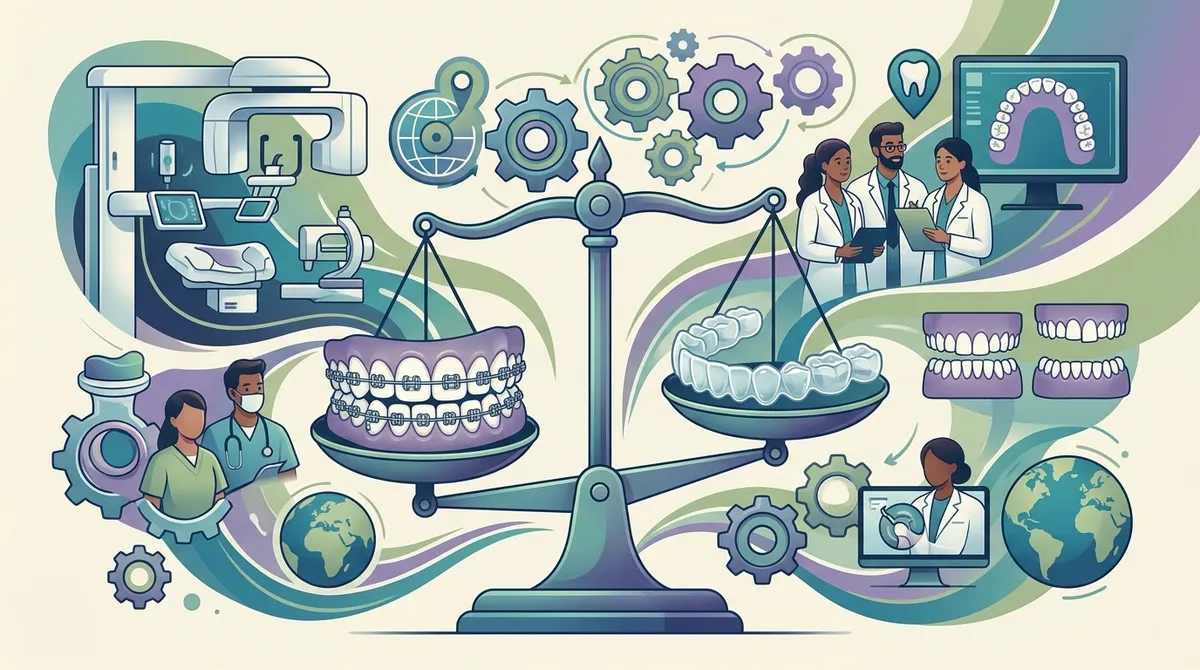
Before we dive into the numbers, it’s important to know that no two smiles are the same. The cost of orthodontic treatment depends on several factors. Understanding these factors helps you see why price ranges can be wide. You can learn more about what goes into treatment decisions by exploring common orthodontic problems that affect treatment complexity.
Here are the main factors that affect your total cost:
- Severity of your case: Mild crowding costs less to treat than significant bite issues.
- Type of treatment: Metal braces, clear braces, and clear aligners all have different price points.
- Length of treatment: Longer treatment means more visits and more adjustments.
- Your location: Orthodontic costs vary by region and practice.
- Insurance coverage: Some plans cover a portion of orthodontic care.
- Retainers and follow-up care: These are often included but worth confirming.
Cost of Braces: What You Can Expect to Pay
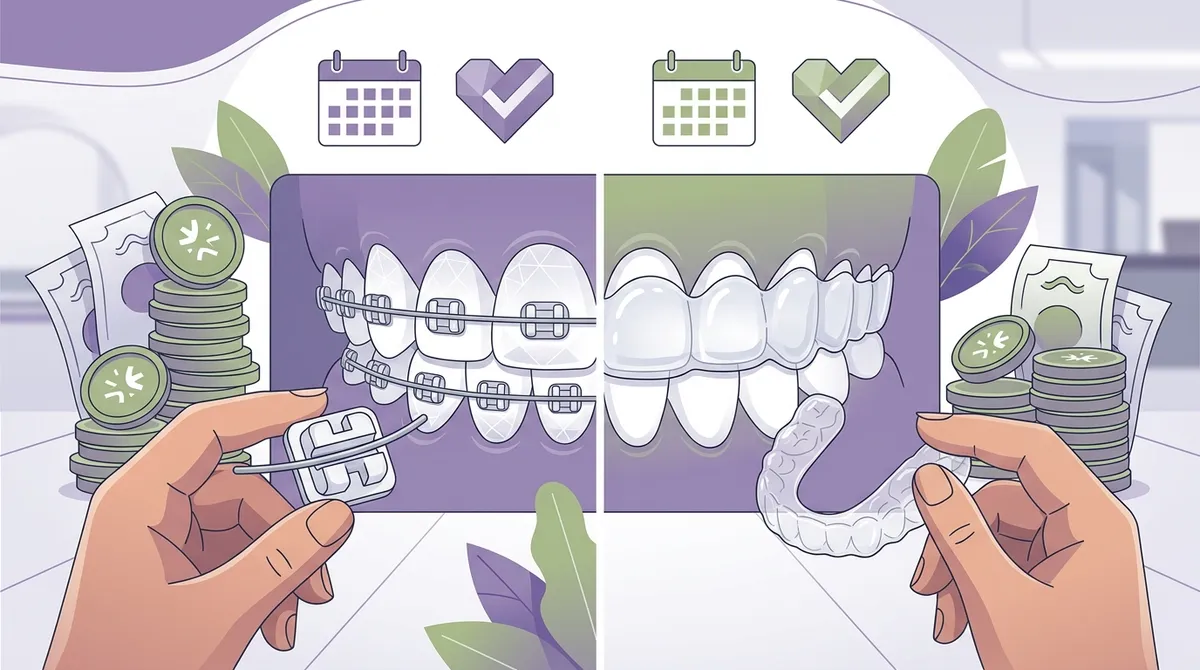
Traditional metal braces remain one of the most popular and cost-effective ways to straighten teeth. They work well for a wide range of orthodontic issues, from simple crowding to more complex bite corrections. If you want a deeper look at your options, check out the different types of braces available today.
Here’s a general breakdown of braces costs in 2026:
| Type of Braces | Average Cost Range | Best For |
|---|---|---|
| Traditional Metal Braces | $3,000 – $6,000 | Kids, teens, complex cases |
| Clear/Ceramic Braces | $3,500 – $7,000 | Adults wanting a discreet look |
| LightForce Custom Braces | $4,500 – $7,500 | Patients wanting precision & speed |
Traditional braces are often the go-to for children and teens because they handle a wide variety of cases efficiently. They’re also usually the most budget-friendly starting point. If your child has complex alignment needs, early orthodontic treatment with braces can sometimes reduce overall costs down the line.
Cost of Invisalign and Clear Aligners: What You Can Expect
Clear aligners have become incredibly popular — especially among teens and adults who want a nearly invisible treatment option. The cost of braces compared to Invisalign and similar clear aligner systems is often closer than people expect. For a detailed breakdown, you can also read more about how much clear aligners really cost in 2026.
Here’s a general clear aligner cost overview:
| Clear Aligner Option | Average Cost Range | Best For |
|---|---|---|
| Invisalign Lite / Go | $2,500 – $4,500 | Mild to moderate cases |
| Invisalign Full | $4,000 – $7,500 | Moderate to complex cases |
| Other Clear Aligners | $3,000 – $6,500 | Varies by system and complexity |
As you can see, the price ranges overlap quite a bit. The right choice really comes down to your specific orthodontic needs and lifestyle. To explore which option suits you best, take a look at this helpful guide on braces vs. clear aligners: which is right for you.
Braces vs. Clear Aligners: A Side-by-Side Comparison
Cost is just one piece of the puzzle. Here’s a quick comparison of both treatment types to help you see the full picture:
| Feature | Braces | Clear Aligners |
|---|---|---|
| Visibility | More visible | Nearly invisible |
| Removability | Fixed (not removable) | Removable for eating & cleaning |
| Maintenance | Requires careful brushing around brackets | Remove to brush and floss normally |
| Discipline Required | Lower (always working) | Higher (must wear 20-22 hrs/day) |
| Complex Cases | Excellent for all severity levels | Best for mild to moderate cases |
| Average Cost | $3,000 – $7,500 | $2,500 – $7,500 |
Who Should Choose Braces?
Braces are a fantastic choice for many patients. Here’s when they tend to be the better option:
- Children and younger teens who benefit from a fixed appliance that works around the clock without needing to remember to wear it.
- Patients with complex bite issues like overbites, underbites, or crossbites that need precise force over time.
- Budget-conscious patients looking for the most affordable entry point into orthodontic care.
- Patients who want options like WildSmiles — fun, shaped brackets that make braces more personalized. Explore WildSmiles braces to see what’s available.
Parents researching options for their kids will find a lot of helpful information in our guide to teen orthodontic treatment as well.
Who Should Choose Clear Aligners?
Clear aligners are an excellent fit for the right patient. Here’s who tends to do best with them:
- Busy professionals and adults who want a discreet treatment that doesn’t affect their appearance at work or social events. Check out our page on adult orthodontics for more details.
- Teens who are responsible and committed to wearing aligners for the required 20–22 hours per day.
- Patients preparing for a big event like a wedding or graduation who want a nearly invisible treatment option.
- Adults correcting relapse after previous orthodontic treatment — clear aligners work very well for minor to moderate corrections.
You can learn more about how aligners work and what to expect in our guide to clear aligners.
How to Make Orthodontic Treatment More Affordable
Worried about the cost? You’re not alone — and there’s great news. Most orthodontic practices offer multiple ways to make treatment fit your budget. The cost of braces compared to Invisalign becomes much more manageable when you use the financial tools available to you. For smart budgeting strategies, explore 9 smart ways to make orthodontic financing work for you.
Here are the most common ways to reduce your out-of-pocket costs:
- Dental insurance: Many plans cover $1,000–$2,000 toward orthodontic treatment. Check your policy for orthodontic benefits.
- Flexible Spending Accounts (FSA) or Health Savings Accounts (HSA): Use pre-tax dollars to pay for treatment and save money immediately.
- In-office payment plans: Many practices offer low or no-interest monthly payment plans. Learn how orthodontic financing can work for you.
- Upfront payment discounts: Some practices offer a discount if you pay in full at the start of treatment.
- Family discounts: If multiple family members are in treatment at the same time, ask about family pricing.
Understanding all your options before committing is smart. Our page on how flexible payment plans make orthodontics affordable is a great resource to bookmark.
What’s Included in Your Treatment Cost?
A good orthodontic practice will be transparent about what’s included in your quoted price. Here’s what you should expect to be covered in a comprehensive treatment fee:
- Initial consultation and records (X-rays, photos, digital scans)
- Placement of braces or delivery of aligner trays
- All regular adjustment appointments throughout treatment
- Emergency visits for broken brackets or loose wires
- Retainers at the end of treatment (confirm this with your provider)
After treatment ends, maintaining your results is just as important. Learn more about orthodontic retainers and why they’re essential for a long-lasting smile.
Advanced Technology Can Add Value — Not Just Cost
Today’s orthodontic technology makes treatment faster, more precise, and more comfortable than ever before. At Segovia Orthodontics at Lakewood Ranch, Dr. Flor Segovia uses advanced orthodontic technology including custom LightForce braces that are 3D-printed to fit each patient’s unique teeth. This kind of precision can reduce treatment time — meaning fewer appointments and faster results, which is a win for busy families and professionals alike.
Dr. Segovia is a board-certified orthodontist, recognized by the American Board of Orthodontics — which means she’s held to the highest standards of orthodontic care. That level of expertise matters when you’re comparing treatment options and costs.
Tips for Getting the Best Value on Your Orthodontic Treatment
When weighing the cost of braces compared to Invisalign, here are a few practical tips to keep in mind:
- Always schedule a consultation before making a decision — most practices offer a free first visit.
- Ask for a full written breakdown of what’s included in your quoted price.
- Inquire about insurance coordination and whether the office bills your insurer directly.
- Ask about the expected treatment timeline — shorter treatment may mean lower overall costs.
- Choose a board-certified orthodontist to ensure the highest quality outcome for your investment.
You can see what real patients say about their experience and results by visiting Segovia Orthodontics on Google. We love hearing from our Lakewood Ranch community! Also, feel free to follow along on our Facebook page or our Instagram page for smile transformations and helpful tips.
Your Next Step Toward a Healthier, More Confident Smile
Understanding the cost of braces compared to Invisalign is a great first step — but the best way to know exactly what treatment will cost for your smile is to come in for a consultation. Every patient is different, and a personalized evaluation gives you the clearest picture of your options, timeline, and total investment.
Whether you’re a parent exploring options for your child, a young professional interested in discreet clear aligners, or an adult ready to invest in your smile, we’re here to help. Request your appointment today at Segovia Orthodontics at Lakewood Ranch — and take the first step toward the smile you’ve always wanted. You can also call us at 941-557-1333 and we’ll be happy to answer any questions you have!
FAQs
Q: Is Invisalign more expensive than traditional braces?
A: Not always! The cost of braces compared to Invisalign is often very similar, with both ranging from about $3,000 to $7,500 depending on the complexity of your case. The best way to find out which fits your budget is to schedule a free consultation with your orthodontist.
Q: Does dental insurance cover braces and Invisalign?
A: Many dental insurance plans include orthodontic benefits that can cover $1,000 to $2,000 of your treatment cost — whether you choose braces or clear aligners. It’s always worth checking your plan details and asking your orthodontic office to help you maximize your benefits!
Q: Can I pay for braces or Invisalign on a monthly payment plan?
A: Absolutely! Most orthodontic practices, including Segovia Orthodontics at Lakewood Ranch, offer flexible in-office payment plans to make treatment affordable for every budget. You can often start treatment with a small down payment and spread the rest over monthly installments.
Q: How long does treatment take with braces vs. Invisalign?
A: Treatment time varies by case, but braces typically take 18–24 months and clear aligners can range from 6–18 months for mild to moderate cases. Your orthodontist will give you a personalized timeline after your initial evaluation — and faster treatment can sometimes mean a lower overall cost!
Q: What’s included in the cost of braces or Invisalign?
A: A complete orthodontic treatment fee usually includes your consultation, records, all adjustment appointments, and retainers at the end of treatment. Always ask your orthodontist to provide a full written breakdown so you know exactly what you’re getting — no surprises!
Our Service Area