Key Takeaways
-
Angel Aligners work best for mild to moderate cases (crowding, spacing, crossbites) and require 20-22 hours daily wear; success depends more on orthodontist expertise and patient compliance than the brand itself.
-
Treatment typically takes 6-18 months for standard cases, with costs ranging from $2,500-$9,000 depending on complexity and location; many practices offer financing options to make treatment affordable.
-
Proper case selection by an experienced orthodontist is critical—not every smile suits aligners, so a thorough evaluation before starting treatment is essential to avoid extended timelines or refinement needs.
-
Angel Aligners use custom plastic trays with digital AI-assisted planning that gradually shift teeth; some systems use a ‘7+3’ wear cycle (flexible tray 7 days, firmer tray 3 days) to potentially speed movement.
-
Post-treatment retainer wear is non-negotiable to prevent teeth from drifting back; consistent retainer compliance protects your investment and maintains results long-term.
-
Most patients experience mild pressure or tightness when starting new trays that fades within 1-2 days; the frosted, flexible material causes less gum irritation compared to traditional metal braces.
If you’ve been scrolling through orthodontic options and stumbled on Angel Aligners, you probably have one big question buzzing in your head: do angel aligners really work? It’s a fair question, and honestly, one every smart patient should ask before committing time and money to any treatment. The good news? Angel Aligners can absolutely deliver beautiful results for the right smiles, when paired with good planning and real commitment.
At Segovia Orthodontics, we know families and busy professionals in Lakewood Ranch want straight answers, not marketing fluff. So let’s break down exactly how Angel Aligners work, who they’re best suited for, and what you can realistically expect. Whether you’re a mom exploring options for your teen, a young professional wanting a discreet fix, or an adult ready to correct old relapse, this guide has you covered.

What Are Angel Aligners, Exactly?
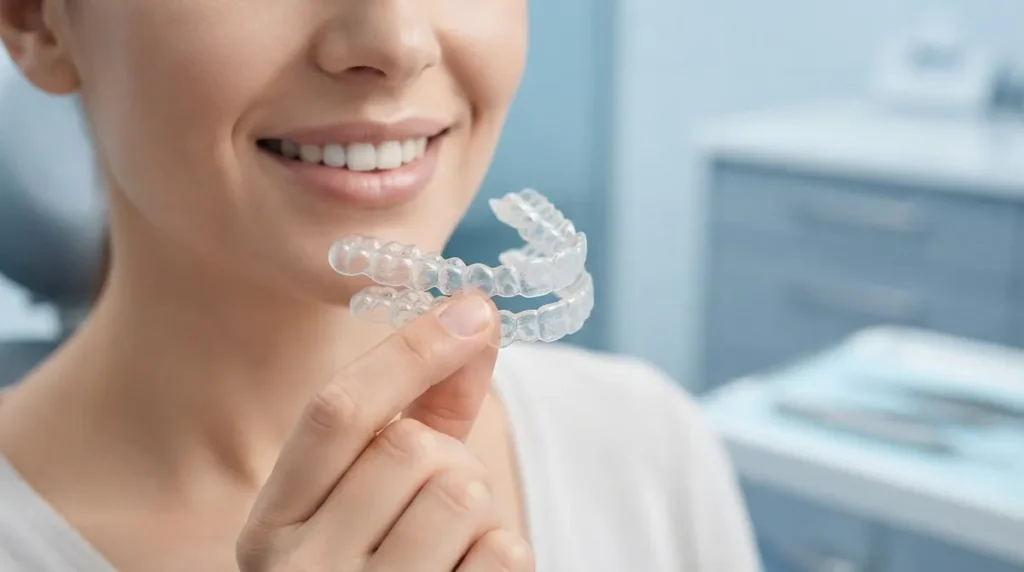
Angel Aligners are a clear aligner system, similar in concept to other well-known brands. You wear a series of custom-made plastic trays that gradually shift your teeth into a better position. Each tray is slightly different from the last, nudging your smile step by step toward the final result.
They’re built using digital scans and AI-assisted planning, which helps your orthodontist map out your entire treatment before you even get your first tray. This is similar to the digital precision used in LightForce Orthodontics, where technology drives more accurate, efficient results.
How the Trays Actually Move Your Teeth
Each aligner tray applies gentle, controlled pressure to specific teeth. Over time, this pressure encourages the teeth to shift into their new positions. Some Angel Aligner systems use a “7+3” wear cycle, meaning you wear a more flexible tray for seven days, followed by a firmer tray for three days. This approach is designed to speed up movement, though it’s worth noting this cycle is provider-specific rather than a universal industry standard.

Do Angel Aligners Really Work? The Honest Answer
Here’s the truth: Angel Aligners work well for many patients, but results depend on three big factors:
- How complex your case is (mild crowding versus severe bite issues)
- How closely you follow your orthodontist’s wear instructions
- How experienced your orthodontist is at planning and monitoring treatment
Clear aligners, including Angel Aligners, generally need to be worn 20 to 22 hours a day. Skip too many hours, and your teeth simply won’t move as planned. This is one of the biggest reasons treatment sometimes takes longer than expected or requires refinement trays.
What Angel Aligners Can Typically Fix
Angel Aligners are commonly used to treat:
- Mild to moderate crowding
- Spacing issues between teeth
- Crossbites
- Overbites and underbites (in select cases)
- Open bites
- Rotated teeth
Some orthodontic practices report success with more complex cases too, but this really depends on the orthodontist’s experience and how the treatment plan is built. If you’re dealing with more advanced common orthodontic problems, a thorough evaluation is essential before starting.
Angel Aligners vs. Traditional Options: A Quick Comparison
Choosing between aligners and braces can feel overwhelming. Here’s a simple breakdown to help you compare:
| Feature | Angel Aligners | Traditional Braces |
|---|---|---|
| Visibility | Nearly invisible | Visible metal or ceramic brackets |
| Removability | Removable for eating and brushing | Fixed, cannot remove |
| Typical Timeline | 6 to 18 months for standard cases | Varies, often 12 to 24 months |
| Best For | Mild to moderate cases | Mild to severe cases |
| Daily Commitment | 20 to 22 hours of wear | Worn continuously, no removal needed |
If you’re still weighing your choices, our guide on braces vs. clear aligners can help you decide which path fits your lifestyle best.
How Long Does Angel Aligner Treatment Actually Take?
Most orthodontic practices report treatment timelines ranging from 6 to 18 months for typical cases. More complex situations, like significant bite corrections, may stretch beyond that window. Your orthodontist will map out a realistic timeline during your orthodontic evaluation, based on your specific smile goals.
Steps in a Typical Angel Aligner Journey
- Initial consultation and digital scan of your teeth
- Custom treatment plan created using AI-assisted software
- Receiving your first set of aligner trays
- Wearing each tray for the prescribed number of days
- Regular check-ins with your orthodontist to monitor progress
- Possible refinement trays if teeth need extra adjustment
- Final results and transition to a retainer
This step-by-step process is similar to what many patients experience with other clear aligner brands, which you can read more about in our article on clear aligners.
What Determines Success With Angel Aligners?
Success isn’t just about the brand name on the box. It comes down to a few key ingredients working together.
1. Proper Case Selection
Not every smile is a perfect match for aligners. An experienced orthodontist, like Dr. Flor Segovia, will evaluate your bite, crowding, and jaw alignment before recommending Angel Aligners as your treatment path.
2. Wear Time Compliance
This one is huge. If you’re not wearing your trays for the recommended 20 to 22 hours daily, your treatment will stall. Life Event Planners preparing for a wedding or graduation especially need to stay on track to hit their deadline with a picture-perfect smile.
3. Regular Monitoring
Clear aligner treatment isn’t a “set it and forget it” process. Your orthodontist needs to check in periodically to make sure your teeth are tracking correctly. If they’re not, refinement trays or additional appliances might be needed.
How Much Do Angel Aligners Cost?
Pricing varies quite a bit depending on your case complexity and location. Some orthodontic sources estimate costs between $2,500 and $5,000, while others cite a broader range of $3,000 to $9,000. One review even suggested Angel Aligners can run more than 20% cheaper than some premium aligner brands, though this varies by practice.
If cost is a concern, don’t let it stop you from exploring your options. Segovia Orthodontics offers orthodontic financing to help make treatment fit your budget, whether you’re a career-focused adult or a parent managing multiple expenses.
Are Angel Aligners Comfortable to Wear?
Most patients describe mild pressure or tightness when starting a new tray, which is completely normal. This feeling usually fades within a day or two as your teeth adjust. Angel Aligners often use a frosted, flexible material designed to reduce irritation against your gums and cheeks, which many patients find more comfortable than traditional metal brackets.
Compared to braces, aligners tend to be gentler on soft tissue since there are no wires or brackets to poke your mouth. This is a big win for Young Adults and Career-Focused patients who want treatment that doesn’t interfere with daily life, meetings, or social events.
What Happens After Treatment Ends?
Finishing your last tray is exciting, but it’s not quite the finish line. Retention is a critical part of long-term success. Without consistent retainer wear, teeth can slowly drift back toward their original positions.
This is especially important for our Adult Relapse Patients who previously had braces and are now correcting shifted teeth. Sticking with your orthodontic retainers schedule protects your investment and keeps your smile looking great for years to come.
Tips for Retainer Success
- Wear your retainer exactly as your orthodontist instructs
- Clean it regularly to prevent bacteria buildup
- Store it safely when not in your mouth
- Bring it to follow-up appointments for a fit check
- Replace it promptly if it becomes damaged or lost
Is Angel Aligner Treatment Right for You?
Here’s a quick self-check to see if you might be a good candidate:
- You have mild to moderate crowding or spacing
- You’re motivated to wear trays consistently
- You want a nearly invisible treatment option
- You’re comfortable with removable trays for eating and brushing
- You’ve had orthodontic relapse and want a discreet fix
If several of these apply to you, Angel Aligners could be a great fit. But the only way to know for sure is through a proper evaluation. Concerned Moms especially appreciate knowing exactly what to expect before their teen starts treatment, and our team walks every family through the full process.
Why Professional Guidance Matters More Than the Brand
At the end of the day, the aligner brand matters less than the orthodontist guiding your treatment. A board-certified orthodontist knows how to read your bite, plan tooth movement, and catch problems early. You can verify credentials through the American Board of Orthodontics, which sets rigorous standards for orthodontic specialists.
Dr. Segovia brings years of training and hands-on experience to every Angel Aligner case, ensuring your treatment plan is tailored specifically to your smile goals, not a one-size-fits-all approach.
Ready to Find Out If Angel Aligners Work for You?
So, do Angel Aligners really work? For the right patient, with the right plan, and consistent wear, absolutely. They offer a comfortable, discreet path to a straighter smile, whether you’re a busy professional, a teen prepping for graduation, or an adult ready to fix old relapse.
The best way to know if Angel Aligners fit your unique smile is to talk with a trusted orthodontist. We’d love to walk you through your options and answer every question you have. Feel free to contact us or request an appointment today. You can also call us at 941-557-1333 to speak with our friendly team.
Curious what real patients say about their experience? Check out our Facebook page and our Instagram page for smile transformations and helpful tips. You can also visit us on Google — Segovia Orthodontics to see what our Lakewood Ranch patients have to say about their journey with us. Your straighter, more confident smile could be closer than you think!
FAQs
Q: Do Angel Aligners work as well as Invisalign?
A: Angel Aligners can work just as well for many patients, especially for mild to moderate cases like crowding or spacing. Success really comes down to your orthodontist’s planning and how consistently you wear your trays, not just the brand name.
Q: How many hours a day do I need to wear Angel Aligners?
A: You’ll want to wear your Angel Aligners about 20 to 22 hours each day for the best results. Think of it like this: the more consistent you are, the faster and smoother your smile transformation will be!
Q: Are Angel Aligners good for severe crowding or bite issues?
A: Angel Aligners typically work best for mild to moderate cases, though some experienced orthodontists can manage more complex issues too. A thorough evaluation with your orthodontist is the best way to find out if they’re right for your specific smile.
Q: How much do Angel Aligners cost?
A: Pricing usually falls somewhere between $2,500 and $9,000, depending on your case complexity and location. The good news is many practices, including ours, offer financing options to help make treatment more affordable.
Q: Do I need to wear a retainer after Angel Aligner treatment?
A: Yes, wearing a retainer is essential to keep your new smile looking great! Without one, your teeth can slowly shift back over time, so sticking to your orthodontist’s retainer schedule really pays off long-term.
Our Service Area