
Key Takeaways
-
Traditional metal braces cost $3,000-$6,000 and are the most affordable option, while clear aligners range from $3,500-$8,000; insurance typically covers $1,000-$2,500 of treatment costs.
-
Most orthodontic practices offer flexible payment plans, HSA/FSA accounts, and third-party financing options that spread costs over months, making braces affordable on a monthly basis despite high upfront costs.
-
Case complexity, treatment length (12-36 months), and your age significantly affect pricing; early Phase 1 treatment for children ($1,500-$3,500) can prevent costlier problems requiring full braces later.
-
Quoted braces costs typically include initial X-rays and scans, all adjustment appointments, bracket replacements, and retainers—ask your orthodontist what’s included to avoid surprise fees for extra services.
-
Maximize savings by starting early orthodontic treatment, using your full insurance benefit before reset, choosing a local provider with lower overhead, and asking about family discounts when multiple members need treatment.
-
A personalized consultation with a board-certified orthodontist is essential to get an accurate cost estimate based on your specific case complexity, teeth alignment needs, and treatment timeline.
You’ve been thinking about braces for a while now. Maybe your child’s dentist just mentioned it, or maybe you’ve been quietly wishing for a straighter smile yourself. Whatever your reason, one big question is probably sitting at the front of your mind: how much is this actually going to cost?
The cost of braces is one of the most searched topics in orthodontics — and it makes total sense. This is a real investment in your health and confidence. The good news? Understanding the factors behind pricing can take a lot of the stress away. Once you know what shapes the final number, you can plan with confidence and focus on the exciting part — your new smile.
Let’s break it all down in plain, simple terms so you can walk into your first orthodontic visit feeling prepared and empowered.
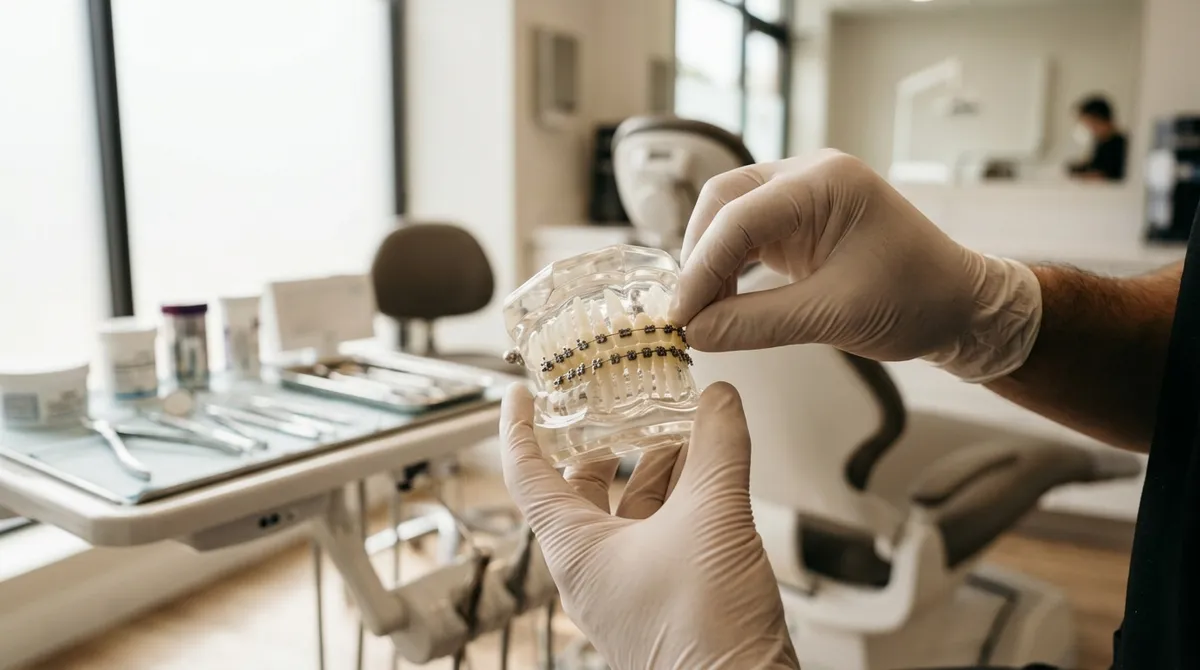
What Is the Average Cost of Braces in 2026?
Braces prices vary a lot depending on the type of treatment, your location, and the complexity of your case. Here’s a general look at what most families and adults can expect to pay in 2026.
| Type of Braces | Estimated Cost Range | Best For |
|---|---|---|
| Traditional Metal Braces | $3,000 – $6,000 | Kids, teens, complex cases |
| Clear (Ceramic) Braces | $4,000 – $7,500 | Adults who want a subtle look |
| Clear Aligners | $3,500 – $8,000 | Teens and adults wanting discretion |
| Custom LightForce Braces | $4,500 – $8,000 | Patients wanting precision treatment |
| WildSmiles Braces | $3,500 – $6,500 | Kids wanting fun, personalized brackets |
These are general ranges. Your actual cost depends on several personal factors, which we’ll cover below. Want to explore your types of braces options in more detail? There are more choices available today than ever before.

What Factors Affect the Cost of Braces?
The price tag on braces isn’t random. Several specific things push the number up or bring it down. Here are the most important ones to know.
1. The Type of Braces You Choose
Metal braces tend to be the most affordable option. Clear ceramic braces and clear aligners usually cost more. Custom options like LightForce Orthodontics use 3D-printed brackets tailored to your unique teeth, which can increase the price — but also improve results and comfort. Fun options like WildSmiles Braces let kids personalize their brackets, which adds a little pizzazz without a huge price jump.
2. The Complexity of Your Case
Simple spacing issues cost less to treat than severe crowding, overbites, or jaw alignment problems. The more work your teeth need, the longer your treatment runs — and the more it costs. Learn more about common orthodontic problems to understand where your situation might fall.
3. Your Age and Treatment Stage
Early orthodontic treatment for younger children can sometimes prevent bigger (more expensive) problems later on. Teen and adult cases vary in cost too. Adult orthodontics can cost slightly more in some cases because adult bones are denser and treatment may take longer.
4. Length of Treatment
Most braces treatments last between 12 and 36 months. Longer treatments require more appointments and more adjustments. That time adds to the overall cost of care.
5. Where You Live
Orthodontic prices vary by region. Practices in suburban areas like Lakewood Ranch, FL, often offer competitive pricing compared to large city centers. That’s one reason many families choose to stay local for their care.
Does Insurance Help Cover the Cost of Braces?
Yes! Many dental insurance plans include orthodontic benefits. Here’s what you should know before assuming your plan covers everything.
- Most plans cover a lifetime orthodontic maximum — typically $1,000 to $2,500 per patient
- Coverage usually applies to children under 18, but some plans extend to adults
- Not all brace types are covered equally — metal braces may be fully covered while clear aligners may only receive partial coverage
- Some plans require you to see an in-network orthodontist
- Waiting periods may apply before benefits kick in
It’s a great idea to call your insurance provider before your consultation. Ask specifically about orthodontic benefits, age limits, and approved brace types. You can also learn more about how to use orthodontics insurance to save on your smile.
Flexible Financing Makes Braces More Affordable
Even after insurance, the remaining balance can feel daunting. The great news is that most orthodontic practices offer flexible payment plans to spread costs over time. This makes braces surprisingly affordable on a monthly basis.
Here are some popular ways to manage the cost of braces:
- In-house payment plans — Pay monthly directly through the orthodontic practice, often with little to no interest
- Health Savings Accounts (HSA) or Flexible Spending Accounts (FSA) — Use pre-tax dollars to pay for braces and save money overall
- Third-party financing — Services like CareCredit offer low-interest or interest-free financing for medical and dental care
At Segovia Orthodontics, the team understands that cost is a real concern for families and individuals. That’s why orthodontic financing options are available to make treatment accessible for everyone. You shouldn’t have to choose between your budget and your smile.
Want to dig deeper into your options? Check out these 9 smart ways to make orthodontic financing work for you.
Cost of Braces by Patient Age Group
The cost of braces isn’t one-size-fits-all. Let’s look at what different age groups typically experience.
Children (Ages 7–12)
The American Board of Orthodontics recommends that children get their first orthodontic evaluation by age 7. Early treatment — called Phase 1 — can address jaw development and spacing issues before they become serious. Phase 1 treatment typically costs $1,500 to $3,500. This can reduce the scope and cost of full braces later on. Learn about early orthodontic treatment and why timing matters so much.
Teenagers
Teen braces are extremely common — and the good news is that most insurance plans focus coverage here. Teen orthodontic treatment typically runs between $3,000 and $6,500 depending on the type of braces chosen. Teens also tend to respond to treatment quickly, which can keep overall costs in check.
Adults
More adults are choosing braces in 2026 than ever before — and that’s fantastic! Adult orthodontic care may cost slightly more than teen treatment, and insurance coverage can vary. Clear aligners and discreet options are especially popular with working professionals who want to straighten their smiles without drawing attention. The total cost usually falls between $3,500 and $8,000 for adult cases.
Breaking Down What’s Included in the Cost
Many people are surprised to learn that the quoted cost of braces usually includes more than just the hardware. Here’s what’s typically bundled into your treatment fee:
- Initial records (X-rays, photographs, digital scans)
- All adjustment appointments during treatment
- Replacement of broken brackets or wires (in most cases)
- Retainers after treatment is complete
- Any follow-up visits during the retention phase
It’s always smart to ask your orthodontist exactly what’s included — and what might cost extra. Things like additional retainers, whitening, or emergency visits for things outside normal wear may have separate fees. Speaking of which, you can always find out more about orthodontic retainers and their role in protecting your investment.
Is the Cost of Braces Worth It?
Absolutely — and here’s why. Straight teeth aren’t just about aesthetics. Properly aligned teeth are easier to clean, which means fewer cavities and less gum disease over time. That can actually save you money on dental work down the road. Plus, fixing bite issues can prevent jaw pain, headaches, and even speech problems.
And of course, there’s the confidence factor. A healthy, beautiful smile changes how you feel about yourself every single day. That kind of return on investment is hard to put a dollar amount on.
Check out our orthodontics before and after results to see real smile transformations that speak for themselves.
How to Get an Accurate Cost Estimate
The best way to know your actual cost is to schedule a consultation with a board-certified orthodontist. During this visit, your teeth will be examined and a personalized treatment plan will be created for you. You’ll get a clear picture of your options, timeline, and total cost — with no surprises.
Here’s what a typical consultation process looks like:
- A full examination of your teeth, bite, and jaw alignment
- Digital X-rays or 3D scans for a detailed view of your mouth
- A review of treatment options matched to your goals and budget
- A breakdown of costs, insurance estimates, and payment plan options
- Time for your questions — so you leave feeling fully informed
Want to know what to expect before you go? Read up on what happens during an orthodontic evaluation so you feel comfortable from the start.
You can also follow along with our community on our Facebook page and our Instagram page for tips, smile stories, and helpful updates from our team.
Tips for Reducing Your Out-of-Pocket Costs
Want to make the cost of braces as manageable as possible? Here are some practical tips to keep more money in your pocket:
- Start early — Early treatment in childhood can lower the complexity (and cost) of future care
- Maximize your insurance — Use every dollar of your orthodontic benefit before it resets
- Use your HSA/FSA — Pre-tax contributions can reduce the effective price significantly
- Ask about family discounts — Many practices offer reduced rates when multiple family members are in treatment
- Choose a local provider — Local practices in areas like Lakewood Ranch often have lower overhead and more flexible pricing
- Stick to the plan — Missed appointments and broken brackets can add to your total cost
If you want to explore payment plan structures in detail, this guide on how orthodontics payment plans actually work is a great resource.
Your Next Step Toward a Beautiful Smile
Understanding the cost of braces is the first step toward making a smart, confident decision. You now know that prices vary by brace type, case complexity, and age — and that insurance and financing can make treatment very manageable for most budgets.
Dr. Flor Segovia and the team at Segovia Orthodontics in Lakewood Ranch are here to walk you through every detail. From your first consultation to your final retainer, you’ll receive personalized, caring treatment in a warm and welcoming environment. Visit us on Google — Segovia Orthodontics to read what our patients are saying and see why so many families in the area trust us with their smiles.
Ready to find out exactly what your smile journey will cost? Schedule your consultation today and take the first step toward the smile you’ve always wanted — without the financial guesswork.
FAQs
Q: How much do braces typically cost for a child?
A: Most children’s braces treatments fall between $3,000 and $6,500 depending on the type of braces and the complexity of the case. Early treatment (Phase 1) for younger children can run $1,500 to $3,500 and may reduce costs down the road. The best way to get an accurate number is to schedule a consultation with a board-certified orthodontist!
Q: Does insurance cover the cost of braces?
A: Many dental insurance plans do include orthodontic benefits, often covering $1,000 to $2,500 of treatment costs. Coverage typically focuses on children under 18, though some plans extend benefits to adults. Always call your insurance provider before your consultation to understand exactly what your plan includes.
Q: Are there payment plans available to help with the cost of braces?
A: Absolutely — most orthodontic practices offer flexible monthly payment plans to make braces affordable for families and individuals. You can also use HSA or FSA funds, apply for third-party financing through services like CareCredit, and ask about family discounts if multiple family members need treatment.
Q: Do clear aligners cost more than traditional metal braces?
A: Clear aligners can cost more than traditional metal braces, generally ranging from $3,500 to $8,000 compared to $3,000 to $6,000 for metal braces. The difference depends on your case complexity and the specific aligner system used. Your orthodontist will help you find the best option for both your smile goals and your budget.
Q: What is included in the cost of braces?
A: Most quoted braces costs include your initial records (X-rays, scans), all regular adjustment appointments, replacement of standard broken hardware, and your retainers at the end of treatment. It’s always a good idea to ask your orthodontist exactly what’s bundled in — so you know what to expect from start to finish!
Our Service Area