Key Takeaways
-
Spacers are tiny temporary devices (rubber rings or metal springs) placed between back teeth for just a few days to a week to create a gap for molar bands, while palatal expanders are larger appliances that gradually widen a narrow upper jaw over weeks with a retention phase afterward.
-
Palatal expanders work best in growing children and young adolescents whose upper jaw is narrow; in older teens and adults, the midpalatal suture becomes more resistant, often requiring specialized approaches like miniscrew-assisted expansion (MARPE) or surgical assistance.
-
Spacers cause mild pressure or soreness that typically peaks on days 2-3 and fades quickly, while expanders may temporarily affect speech and eating for a few days and can create a temporary gap between upper front teeth, which is a normal expected part of treatment.
-
The expansion process has two critical phases: an active widening phase lasting approximately 2-3 weeks followed by a retention phase of about 3 months, during which bone and tissue must stabilize to prevent relapse.
-
Prepare for spacers by eating soft foods, avoiding sticky and hard items, and planning to call your orthodontist immediately if one falls out; for expanders, understand the activation schedule, prepare your child mentally, and attend regular follow-up appointments for monitoring.
-
Do not expect expanders to treat breathing problems or sleep apnea—evidence does not support this use; any concerns about snoring or breathing require a separate medical evaluation from a healthcare professional.
If you have just heard the words “spacer” and “expander” at the orthodontist, you are not alone in feeling a little puzzled. Many parents, teens, and adults tell us the same thing: they sound alike, but they do very different jobs. One is tiny and temporary. The other is a bigger appliance that works on the shape of the upper jaw.
This guide breaks down spacer and expander orthodontics in plain, friendly language. You will learn what each one does, how long they stay in, what they feel like, and which questions to ask at your visit. Whether you are a parent planning for your child, a busy professional thinking about treatment, or an adult returning after relapse, you will leave feeling calm and prepared.
One note before we dive in: every smile is different. Your orthodontist decides what you need after an exam. Think of this article as a friendly map, not a prescription.
What Are Orthodontic Spacers (Separators)?
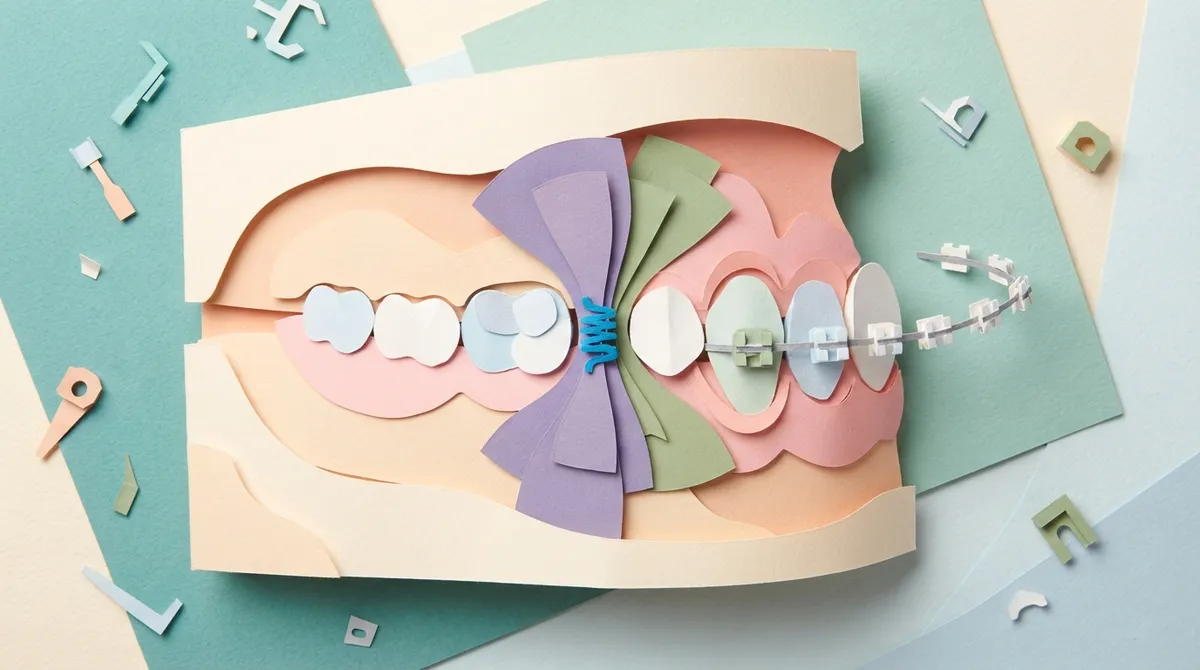
In orthodontics, a spacer is usually called a separator. It is a small rubber ring or a tiny metal spring that sits between two teeth, most often the back molars. Its job is simple: it gently nudges teeth apart to make a little room.
Why does that matter? Some braces use metal bands that wrap around the molars. A band needs a small gap to slide into place. A separator creates that gap. It does not widen your jaw or move your teeth in a big way.
Key Facts About Separators
- They are temporary and removed when the band or appliance is fitted.
- They usually go in a few days to about a week before a band appointment, based on your orthodontist’s plan.
- Mild pressure or soreness is common and usually fades quickly.
- They are not the same thing as a palatal expander.
If you want a broader look at how braces work from start to finish, our guide on all about braces is a great companion read.
What Is a Palatal (Palate) Expander?
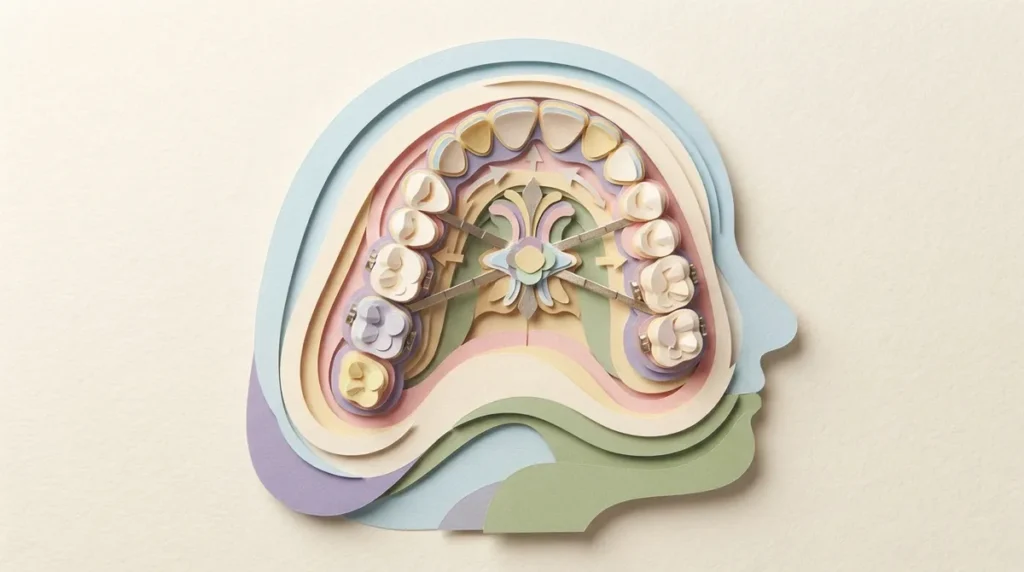
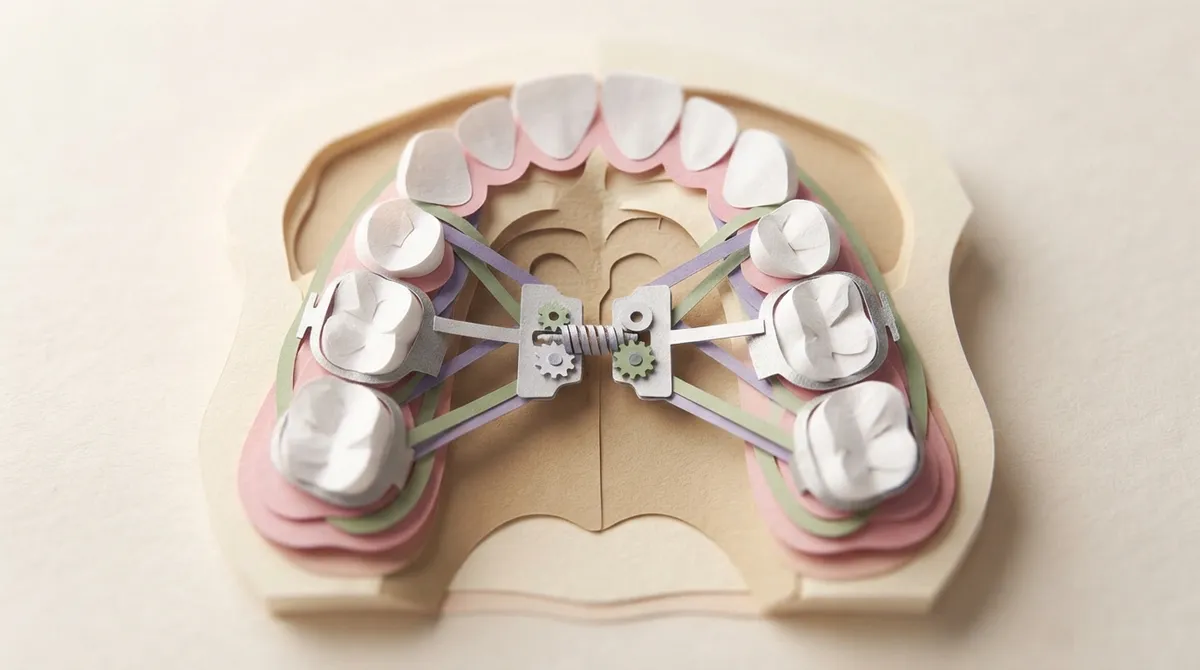
A palatal expander, also called a maxillary expander, is a different appliance altogether. It is attached to the upper teeth or supported by the roof of the mouth. Its goal is to gradually widen a narrow upper dental arch.
Picture a crowded dinner table. If the table is too small, everyone gets squeezed. An expander helps make the “table” wider so the upper teeth have more room and the top and bottom teeth can meet properly.
Some expanders use a small screw that is turned at set times. Others use springs or wires. Your orthodontist chooses the style that fits your diagnosis and your growth.
Who Often Needs an Expander?
Expanders are most common in growing children and young adolescents. They are often considered when an exam shows a narrow upper jaw, such as a posterior crossbite or not enough arch width. Not every child needs one, and timing depends on diagnosis and skeletal maturity rather than age alone.
If you are wondering whether your child is ready for an evaluation, take a look at early orthodontic treatment to see what early care can look like.
Spacer vs. Expander: A Quick Comparison
These two get mixed up all the time. This table makes the difference easy to see.
| Feature | Spacer (Separator) | Palatal Expander |
|---|---|---|
| Main purpose | Creates a tiny gap so a band can fit | Widens a narrow upper arch |
| Size | Very small ring or spring | Larger appliance in the upper mouth |
| Where it goes | Between back teeth | Attached to upper teeth or palate |
| How long | Days to about a week | Active phase plus a retention phase |
| Who needs it | Anyone getting molar bands | Patients with a transverse upper-jaw problem |
| Adjusted at home? | No, just wear them | Only as your orthodontist directs |
How to Prepare for Spacers
Spacers are quick and simple. A little preparation makes the first few days smoother. Here is a friendly step-by-step plan.
- Ask about timing. Find out how many days before your band appointment the spacers go in, so you can plan around work, school, or sports.
- Stock up on soft foods. Yogurt, soup, mashed potatoes, and scrambled eggs are your friends for the first couple of days.
- Skip sticky and hard foods. Gum, caramel, and chewy candy can pull spacers out of place. Our list of foods to avoid with braces works well here too.
- Floss carefully. Follow your orthodontist’s instructions. Many offices ask patients to avoid flossing right at the spacer area so it does not get snagged.
- Know the plan if one falls out. Call the office and ask what to do. Do not just ignore it, because the gap can close up again.
Do Spacers Hurt?
Most people describe spacers as a feeling of pressure, like something is stuck between the teeth. Mild soreness is normal and often peaks on day two or three. If you have significant pain, swelling, or a spacer that causes real trouble, contact your orthodontist right away. For urgent situations, see our page on orthodontic emergencies.
How to Get Ready for a Palate Expander
An expander is a bigger step, so it is smart to feel confident before the day arrives. Here is how to get ready.
- Start with a full exam. Your orthodontist checks your bite, jaw width, and growth. This is where the decision to use an expander is made. Learn what to expect at a first orthodontic visit.
- Talk through the schedule. The orthodontist sets how and when the appliance is activated. Never change the schedule on your own.
- Plan for an adjustment period. Speech may sound a little different for a few days, and eating can feel odd at first. This usually settles quickly.
- Prepare your child. Explain that the appliance is a helper, not a punishment. A calm, positive talk goes a long way.
- Book follow-ups. Regular checks let your orthodontist monitor progress and catch small problems early.
What Happens During Expansion?
Treatment with an expander has two main parts: an active expansion phase and a retention phase.
The Active Phase
This is when the appliance gradually widens the upper arch. One clinical review describes a rapid expansion period commonly lasting about 2 to 3 weeks. Protocols vary by appliance, patient, and clinician, so your own timeline may differ.
The Retention Phase
After the widening is done, the expander usually stays in place so the new width can stabilize. The same review suggests a retention period of about 3 months, though real-life plans vary. Retention matters because bone and tissue need time to settle.
What You May Notice
- Temporary pressure or tenderness
- A short speech or eating adjustment
- A temporary gap between the upper front teeth
That front-tooth gap surprises many families, but it is a common and often expected part of the process. Your orthodontist will explain what is normal for your case.
Eating and Cleaning With an Expander
Good habits keep the appliance comfortable and your mouth healthy. Food and plaque can get trapped around an expander, so cleaning matters.
- Choose softer foods during the first days, then return to a normal diet as comfort allows, while avoiding very sticky or hard items.
- Brush after meals and angle the brush toward the appliance.
- Rinse well to clear food from around the device.
- Ask about tools like interdental brushes or a water flosser if your orthodontist recommends them.
For daily routines that keep everything fresh, see our tips on how to care for your braces.
Risks and Limits You Should Know
Expanders are very useful, but honest information helps you choose with confidence. Possible effects include dental tipping, gum or bone effects, tissue irritation, uneven expansion, appliance problems, and relapse. Careful monitoring and retention help lower these risks.
Age and bone maturity also change the picture. In older teens and adults, the midpalatal suture becomes more resistant as the body matures. Conventional tooth-borne expansion may then give less skeletal widening and more dental change. Some adults are considered for miniscrew-assisted expansion (often called MARPE) or surgically assisted expansion after a specialist reviews their case.
For context, a 2026 systematic review of 15 MARPE studies reported a mean expansion success rate of 92.5%, with durations ranging from 20 to 126 days. The authors also noted wide variation between studies and reported adverse effects, including buccal bone resorption of roughly 0.6 to 0.9 mm. These numbers describe groups of patients, not a promise for any one person.
A Note on Breathing and Sleep
You may see claims online that expanders fix breathing problems or sleep apnea. The evidence does not support treating expansion as a universal solution. Evidence for using rapid maxillary expansion for pediatric sleep apnea remains uncertain. If you worry about snoring or breathing, please see a medical professional for a proper evaluation.
Expanders for Different Life Stages
Different readers come to this topic from different places. Here is how it can look for each.
For Parents of Kids and Teens
If your child has a crossbite or a narrow upper jaw, an expander may be part of a plan. Many families like that early steps can make later braces simpler. Our page on teen orthodontic treatment explains how care can fit a busy school schedule.
For Adults
Adults often ask whether it is too late. Many adult concerns are handled with braces or aligners, and some adults with a true narrow jaw are evaluated for specialized expansion. Learn more about adult orthodontics and how discreet options can fit a professional lifestyle.
For Past Patients Facing Relapse
If your teeth shifted after earlier treatment, a fresh exam can show what changed. Good retention helps protect results, and our overview of orthodontic retainers shows why wearing them matters.
Where Spacers and Expanders Fit in a Bigger Treatment Plan
Spacers and expanders are usually pieces of a larger plan, not the whole story. A spacer may be the first small step before molar bands for braces. An expander may come first to build room, followed by braces or clear aligners to fine-tune the bite.
At Segovia Orthodontics, Dr. Flor Segovia, a board-certified orthodontist, creates a personalized plan for each patient. You can read more about her background on the Dr. Flor Segovia page. The office offers options like LightForce braces, WildSmiles braces, and clear aligners, with bilingual care in English and Spanish.
You can also verify specialist credentials through the American Board of Orthodontics, which is a helpful step when choosing any orthodontist.
Questions to Ask at Your Visit
Walking in with a short list makes the appointment feel less overwhelming. Try these:
- What problem are we solving with this appliance?
- How long will it stay in, including retention?
- What is the activation schedule, and who handles it?
- What should I do if something breaks or feels wrong?
- What happens next after this step?
For more ideas, see how to ask the right orthodontic questions at your visit.
Cost and Payment Considerations
Many families wonder how spacers and expanders fit into the overall cost. Often they are part of a larger treatment plan, so the total depends on your situation. Flexible options can help spread out payments. Explore orthodontic financing to see what might work for your family.
Take the Next Step With a Friendly Local Team
Spacers and expanders may sound like big, scary terms, but they are really just helpful tools. A spacer makes a tiny gap so a band can fit. An expander gently widens a narrow upper arch, usually in growing patients. Each one has a clear job, and your orthodontist decides which, if any, you need.
If you are in the Lakewood Ranch area, we would love to meet you. You can see what neighbors say by visiting us on Google through our Segovia Orthodontics Google listing, and follow along on our Facebook page or our Instagram page for smile updates.
Ready to find out what your smile needs? Request an appointment today, or call us at 941-557-1333. We are here to answer your questions with patience and a smile.
FAQs
Q: What is the difference between orthodontic spacers and a palate expander?
A: Great question! Spacers (also called separators) are tiny rings or springs that make a small gap between back teeth so a band can fit. A palate expander is a larger appliance that gradually widens a narrow upper arch, usually in growing patients.
Q: How long do orthodontic spacers stay in before braces or bands are placed?
A: Spacers are temporary and usually stay in for a few days up to about a week, depending on your orthodontist’s plan. They come out when the band or appliance is fitted. If one falls out, just give the office a call so they can guide you.
Q: How long does a palate expander stay in, including the retention phase?
A: It depends on the appliance and the patient, but treatment has an active widening phase followed by a retention phase. One clinical review describes about 2 to 3 weeks of active expansion and roughly 3 months of retention, though plans vary. Your orthodontist will set the exact timeline for you.
Q: Can adults get a palate expander?
A: Sometimes, yes! In older teens and adults, regular tooth-borne expansion may give less skeletal widening, so selected patients may be considered for miniscrew-assisted expansion (MARPE) or surgically assisted expansion after a specialist exam. A personal evaluation is the best way to know your options.
Q: Are palate expanders used to treat snoring or sleep apnea in children?
A: Expanders correct narrow upper jaws and certain bite problems, but they should not be seen as a general fix for breathing or sleep apnea. Evidence for that use is still uncertain, so any breathing or snoring concerns deserve a proper medical evaluation.
Our Service Area