
Key Takeaways
-
Most orthodontist payment plans require an initial down payment followed by equal monthly payments spread over 12-24 months, making treatment affordable without draining savings in one visit.
-
Compare total cost across financing options rather than just monthly payments; third-party financing with low monthly rates can cost significantly more overall due to interest and hidden fees.
-
Dental insurance typically covers orthodontics up to $1,000-$2,500 lifetime maximum, and HSA/FSA funds qualify for braces, aligners, and retainers—always request a pre-treatment insurance estimate before committing.
-
In-house financing through orthodontist offices often offers low or no-interest rates with reasonable down payments, making them frequently cheaper than third-party medical lenders.
-
Before signing any agreement, ask critical questions about early termination refunds, retainer costs, missed appointment fees, payment penalties, and what happens if you move mid-treatment.
-
Treatment costs typically range from $3,000-$7,000 for metal braces and $2,500-$8,000+ for clear aligners, with complexity, appliance type, and location significantly affecting final price.
Let’s be honest: the sticker price of braces or clear aligners can feel a little scary at first glance. But here’s the good news—almost nobody pays that full amount in one lump sum. Orthodontist payment plans exist to make beautiful, healthy smiles possible for real families with real budgets. Whether you’re a mom juggling three kids’ schedules, a young professional eyeing clear aligners before a big presentation, or an adult ready to fix that relapse from your teenage braces, understanding your payment options can turn “someday” into “let’s start now.”
At Segovia Orthodontics in Lakewood Ranch, we believe cost should never be the reason someone puts off treatment. Dr. Flor Segovia and her team work with patients every day to find a plan that fits their life, not the other way around. In this guide, we’ll walk through how orthodontist payment plans actually work, what they typically cost, and the questions you should ask before signing anything. Grab a coffee, and let’s make this whole money conversation a lot less stressful.
What Are Orthodontist Payment Plans, Exactly?
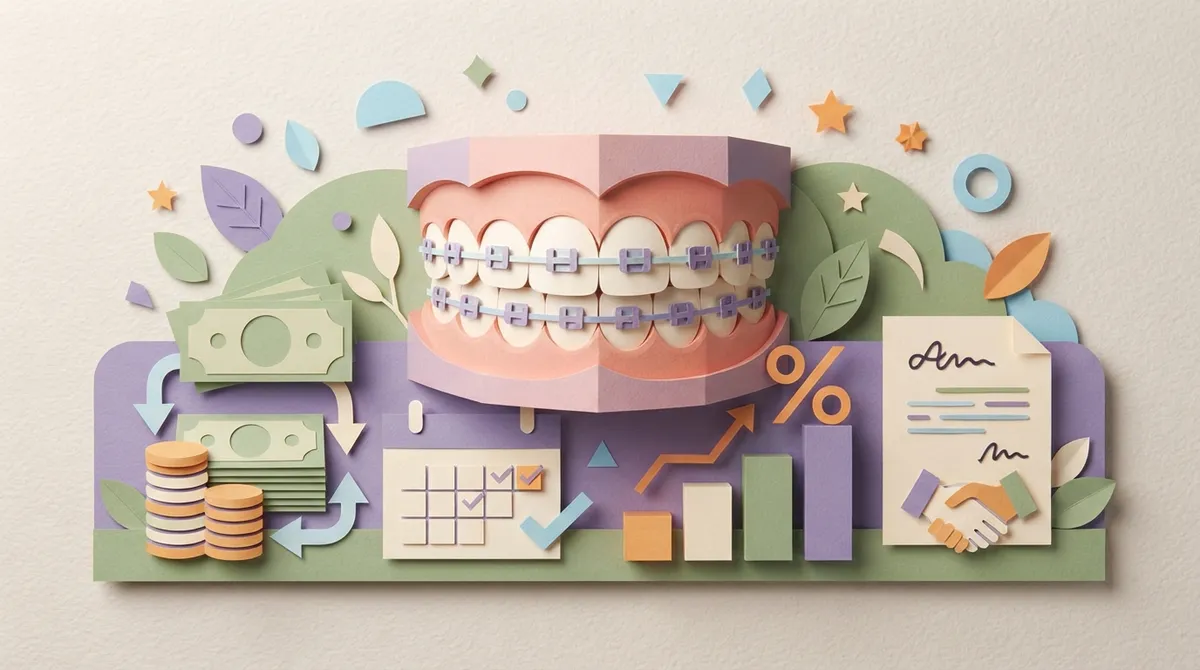
An orthodontist payment plan simply lets you spread the cost of your treatment over time instead of paying it all upfront. Most plans start with a down payment, then continue with equal monthly payments for the rest of your treatment. This structure makes it much easier to budget for braces or aligners without draining your savings account in one visit.
Treatment length typically runs between 12 and 24 months, though some cases wrap up faster or take a bit longer depending on your specific needs. You can learn more about how this works on our orthodontic financing page, where we break down our approach in plain language.
How Much Does Treatment Typically Cost?
Prices vary quite a bit depending on your case, but here are some general ranges patients often see:
| Treatment Type | Typical Cost Range | Common Payment Length |
|---|---|---|
| Traditional Metal Braces | $3,000 – $7,000 | 12–24 months |
| Clear Aligners (like Angel Aligners) | $2,500 – $8,000+ | 12–24 months |
| Retainers (after treatment) | Often included or billed separately | One-time or replacement basis |
Keep in mind these numbers depend on the complexity of your bite, the type of appliance you choose, and where you live. A written estimate from your orthodontist should always spell out exactly what’s included, so there are no surprises down the road. If you’re curious about specific treatment options, our types of braces page and clear aligners page are great places to start exploring.

Common Ways to Pay for Orthodontic Treatment
You’ve got more options than you might think. Most families end up mixing and matching a few of these to make treatment affordable.
1. In-House Financing
Many orthodontic practices, including ours, offer in-house payment plans directly through the office. These often come with low or even no interest, especially when you make a reasonable down payment. Terms can depend on your treatment length, credit history, and whether you keep your account current.
2. Third-Party Financing
Some patients choose outside financing through healthcare credit cards, banks, or specialized medical lenders. If you go this route, pay close attention to the annual percentage rate, any deferred-interest clauses, and hidden fees. A plan that looks cheap monthly can end up costing much more over time if the interest terms aren’t in your favor.
3. Dental Insurance Benefits
Some dental insurance plans include orthodontic coverage, though it’s usually capped by a lifetime maximum—commonly somewhere between $1,000 and $2,500 per person. Some Invisalign-style providers report benefits up to around $3,000, but this really depends on your individual policy. Always ask your orthodontist’s office to request a pre-treatment estimate from your insurance company before you commit to anything.
4. HSA and FSA Funds
Health Savings Accounts and Flexible Spending Accounts are fantastic tools for orthodontic care. Braces, clear aligners, and retainers generally qualify as eligible medical expenses under IRS rules. For 2026, the federal FSA contribution limit sits at $3,400, with some plans allowing a carryover of up to $680. Just double-check with your plan administrator and keep all your itemized receipts handy.
Steps to Set Up Your Payment Plan
Ready to get started? Here’s a simple roadmap most patients follow:
- Schedule a consultation. This is where Dr. Segovia evaluates your smile and discusses treatment options.
- Get a written treatment estimate. This should list total cost, what’s included, and what might cost extra later.
- Check your insurance benefits. Ask for a pre-treatment estimate so you know exactly what’s covered.
- Compare financing options. Look at in-house plans versus third-party financing, focusing on total cost, not just the monthly payment.
- Ask about extras. Confirm whether retainers, emergency visits, and refinements are included in your quote.
- Sign your agreement. Make sure you understand the refund policy if treatment ends early.
If you’d like help walking through this process, feel free to request an appointment with our team. We’re happy to explain every line item so you feel confident before you commit.
Questions to Ask Before You Sign
Before agreeing to any orthodontist payment plan, it helps to ask a few smart questions. This protects you from surprises later and keeps your budget on track.
- Is my balance refundable if treatment ends early?
- How are missed appointments or broken appliances billed?
- Are retainers included in the total cost?
- What happens if I move or switch providers mid-treatment?
- Does financing continue after active treatment wraps up?
- Is there a penalty for paying off the balance early?
A good orthodontic office will answer these questions clearly and without hesitation. If they seem evasive, that’s a red flag worth noting. Our FAQ orthodontic treatment page covers many of these common concerns in more detail.
Payment Plans for Every Stage of Life
Every patient’s situation is a little different, so let’s talk about how payment plans fit various lifestyles.
For Busy Moms Managing Family Schedules
If you’re coordinating braces for more than one kid, ask about family discounts or sibling plans. Many practices, including ours, work with parents to structure payments that align with school years or family budgets. Early treatment for younger children, outlined on our early orthodontic treatment page, can also help prevent more costly issues later.
For Young Professionals Wanting Discreet Options
Clear aligners like Angel Aligners are popular among working adults who want a subtle treatment option. Since Angel Aligners often use AI-driven planning and a flexible wear schedule, treatment can move faster with fewer office visits—which is great news for anyone with a packed calendar. Payment plans for aligners typically mirror those for braces, spreading cost over similar monthly terms.
For Adults Fixing Old Relapse
If your teeth have shifted since your teenage braces, you’re definitely not alone. Many adults return for a second round of treatment, and because they’re financially established, they often qualify for favorable in-house financing terms. Check out our adult orthodontics page for more on treatment options designed with grown-up schedules in mind.
For Life Event Planners
Got a wedding, graduation, or big career milestone coming up? Faster treatment options paired with a manageable payment plan can help you feel confident smiling in every photo. Our team can help map out a timeline that works with your event date and your wallet.
Why Choose WildSmiles or LightForce Braces?
If you’re comparing braces options, it helps to know what’s available. WildSmiles brackets add a fun, personalized touch for kids and teens, with shapes like stars, hearts, and even Mickey Mouse designs. Because patients enjoy their treatment more, they tend to stick with good brushing and flossing habits—which keeps costs down by avoiding extra cleanings or repairs.
LightForce Braces, on the other hand, use fully digital, 3D-printed brackets custom-fitted to your teeth. This technology can reduce treatment time by up to 45%, which means fewer monthly payments overall. Learn more about this option on our LightForce Orthodontics page or explore our WildSmiles Braces page for more fun details.
Making Your Decision with Confidence
Choosing the right payment plan comes down to comparing total cost, not just the monthly number. A plan with a lower monthly payment but a longer term or high interest rate might cost more overall. Always ask for a full breakdown before signing, and don’t be afraid to ask questions until you feel completely comfortable.
Dr. Flor Segovia is a board-certified orthodontist recognized by the American Board of Orthodontics, and she believes every patient deserves clear, honest answers about cost. You can read more about her credentials on our board certified orthodontist page.
Curious what other patients say about their experience? Check out Visit us on Google — Segovia Orthodontics to see real reviews from Lakewood Ranch families. You can also follow along with smile transformations and office updates on our Facebook page and our Instagram page.
Bringing It All Together
Orthodontist payment plans are designed to make your dream smile achievable, not stressful. Between in-house financing, insurance benefits, HSA and FSA funds, and third-party options, there’s a combination that will likely work for your budget. The key is asking the right questions upfront and getting everything in writing before you begin.
At Segovia Orthodontics in Lakewood Ranch, we’ve helped countless families, professionals, and adults find a payment plan that fits their life. Whether you’re exploring braces for your child or considering clear aligners for yourself, our team is here to make the process simple and welcoming. Ready to see what your options look like? Request an appointment today, or call us at 941-557-1333 to chat with our friendly team about financing that fits your budget.
FAQs
Q: How much do orthodontist payment plans usually cost per month?
A: Monthly payments typically range from $100 to $300, depending on total treatment cost, down payment, and length of the plan. Most plans run 12 to 24 months, so the exact number really depends on your specific case. We’re happy to walk through the numbers together during your consultation.
Q: Do orthodontists offer no-interest payment plans for braces?
A: Many practices, including ours, offer low- or no-interest in-house financing, especially with a reasonable down payment. Terms can vary based on treatment length and your payment history, so it’s always worth asking directly. It’s one of the easiest ways to keep your total cost predictable.
Q: Can I use an HSA or FSA to pay for braces or clear aligners?
A: Yes! Braces, clear aligners, and retainers generally qualify as eligible expenses under IRS rules for both HSA and FSA funds. Just be sure to confirm eligibility with your plan administrator and save your itemized receipts. It’s a smart, tax-advantaged way to cover part of your treatment.
Q: Is it better to use an orthodontist’s in-house plan or third-party financing?
A: It really depends on your situation—in-house plans often have simpler terms and lower interest, while third-party financing might offer longer repayment periods. Compare the total cost of each option, not just the monthly payment, before deciding. Our team can help you weigh the pros and cons based on your budget.
Q: What should be included in an orthodontic payment-plan agreement?
A: A good agreement should clearly state the total cost, down payment, monthly payment amount, and what happens if treatment ends early. It should also cover whether retainers are included and how missed appointments are handled. Always ask for this in writing before you sign anything.
Our Service Area