Key Takeaways
-
Schedule an orthodontic evaluation by age 7 to catch early issues like crossbites, crowding, or jaw growth problems while there’s still time to guide development positively.
-
Most children start full braces treatment between ages 10-14 when permanent teeth are in place and jaws are still responsive to gentle pressure, making treatment faster and easier.
-
Early intervention (Phase 1 treatment) before age 10 can address specific problems like severe crowding, crossbites, or protruding teeth to prevent more complex treatment later.
-
Adults of any age can successfully get braces with modern discreet options like clear aligners and custom 3D-printed brackets that work as effectively as teen treatment.
-
Clear aligners and LightForce technology can accelerate treatment by up to 45%, making them ideal for self-conscious teens or adults with upcoming life events.
-
Flexible payment plans and financing options can make orthodontic treatment accessible for families regardless of budget, removing cost as a barrier to care.
If you’ve ever watched your child smile and wondered, “Should we be doing something about those teeth?”—you’re not alone. It’s one of the most common questions moms and dads bring up at playdates, school pickups, and family dinners. The good news? Figuring out what age to get braces is easier than you think, and there’s no need to stress about getting it perfectly right on your own.
At Segovia Orthodontics, we love guiding families through this exact question every single day. Whether you’re a parent watching your seven-year-old’s baby teeth wiggle loose, a teenager getting ready for prom photos, or an adult finally ready to fix that smile you’ve been self-conscious about for years, there’s a right time for you. Let’s break it all down together, in plain and simple terms.
The Short Answer: What Age to Get Braces?
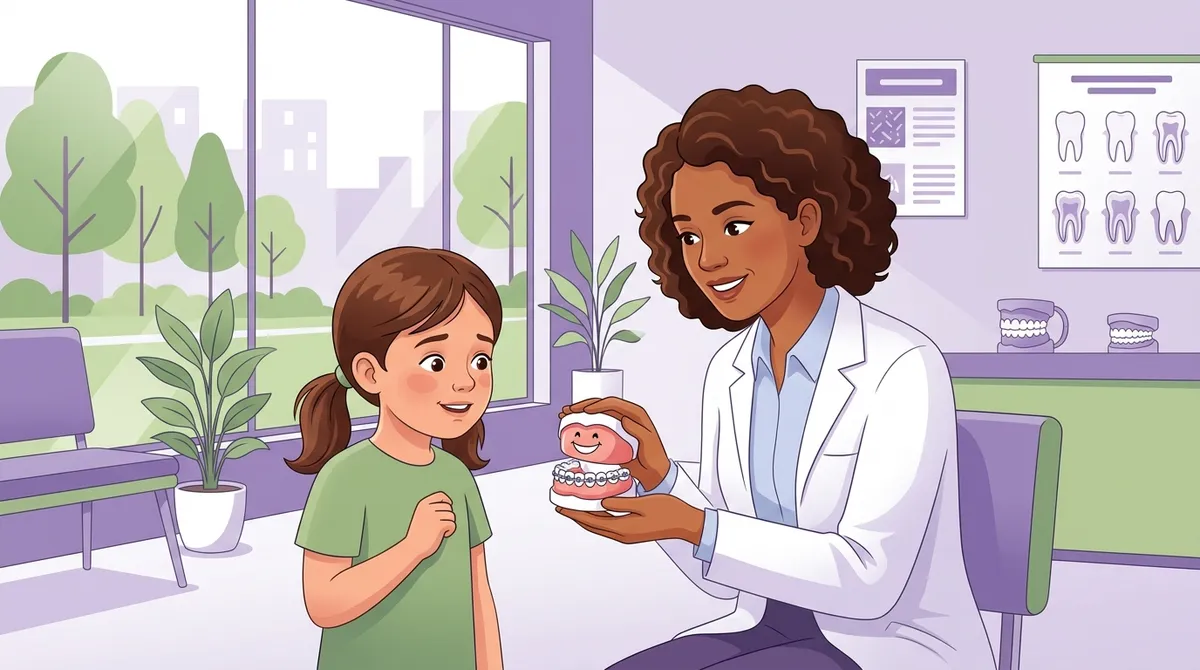
Most kids start full braces treatment between ages 10 and 14. This is when most permanent teeth have grown in, and the jaw is still developing enough to make adjustments easier. The NHS notes that 12 or 13 is often the ideal window, since the mouth and jaw are still growing during this stage.
But here’s the twist: the American Association of Orthodontists actually recommends an evaluation by age 7, long before braces are typically needed. This early check-up isn’t about rushing into treatment. It’s about catching potential issues early, while there’s still time to guide growth in a positive direction.
And if you’re an adult wondering if you missed your chance? You didn’t. There’s truly no upper age limit for braces. Treatment might take a little longer, but it works just as effectively for grown-ups ready to invest in their smile.
Why Age 7 Matters (Even Without Braces Yet)
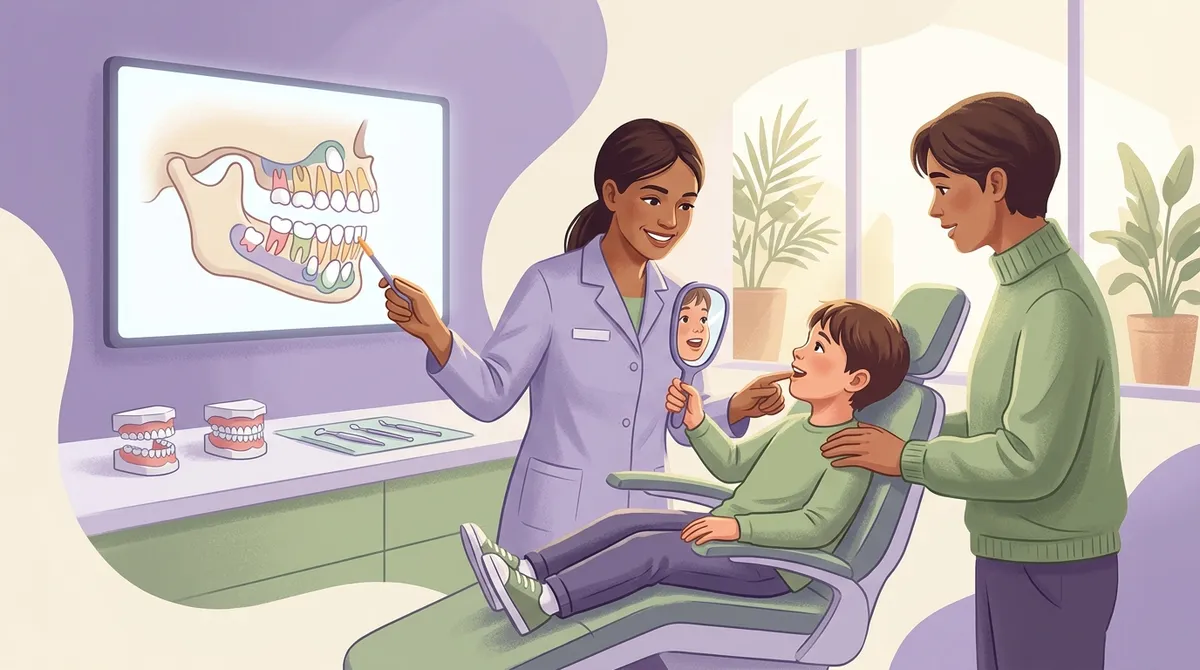
We know it sounds surprising to bring your child in at age 7 when they clearly don’t need braces yet. But this visit is more valuable than most parents realize. At this age, your child likely has a mix of baby and permanent teeth, giving Dr. Flor Segovia a clear picture of how their bite and jaw are developing.
During this first orthodontic visit, we’re watching for things like:
- Crossbites or underbites forming early
- Overcrowding that could get worse over time
- Jaw growth that’s off track
- Extra or missing teeth
- Thumb-sucking or tongue-thrusting habits affecting alignment
- Early or late loss of baby teeth
Most kids who come in at 7 won’t need braces right away. Instead, we simply monitor their growth every six to twelve months. Think of it like a garden check-up—sometimes you just need to watch things grow before deciding if any trimming is needed.
Signs Your Child Might Need Braces Earlier
While most kids wait until their tween years, some situations call for early orthodontic treatment, sometimes called Phase 1 treatment. This isn’t full braces, but it can make a big difference down the road.
Here are signs that early intervention might help:
- Significant crowding: Teeth are so bunched up there’s simply no room for permanent teeth to come in properly.
- Crossbite: The upper teeth sit inside the lower teeth when biting down, which can affect jaw growth.
- Protruding front teeth: Teeth that stick out noticeably, increasing injury risk during sports or falls.
- Difficulty chewing or biting: Your child mentions pain or trouble eating certain foods.
- Jaw that shifts or makes noise: This can point to alignment issues worth addressing sooner.
- Prolonged thumb-sucking: Past age 5 or 6, this habit can shift teeth and affect the palate.
If any of these sound familiar, don’t panic. These are exactly the kinds of common orthodontic problems we see regularly, and there are proven ways to address them.
The Sweet Spot: Ages 10 to 14
For most families, this is when the magic happens. By this age, kids usually have most of their adult teeth in place. Their jaw is still growing, which actually makes it easier to guide teeth into their ideal positions.
This stage is often called “full braces” or comprehensive treatment. It’s designed to address the complete bite, not just one or two problem areas. Many parents appreciate that teen orthodontic treatment at this age tends to move faster than adult treatment, since young jaws are more responsive to gentle pressure.
We also know busy families need options that fit real life. That’s why we offer flexible scheduling and treatments like WildSmiles Braces, which let kids choose fun bracket shapes like stars, hearts, or even Mickey Mouse designs. When kids feel excited about their braces, they’re more likely to brush well, avoid off-limit foods, and stay on track with treatment.
What About Teens Who Are Self-Conscious?
Not every teenager wants metal brackets flashing every time they smile for a photo. That’s completely understandable, especially with school dances, sports photos, and social media in the mix.
For these teens, we often recommend clear aligners or subtle options like LightForce Orthodontics, which uses custom, 3D-printed brackets that can be clear or white for a more discreet look. LightForce technology can also speed up treatment by up to 45%, which is a huge win for teens eager to see results before prom or graduation.
Braces for Adults: It’s Never Too Late
Here’s something we want every adult reading this to hear loud and clear: you are not too old for braces. Whether you’re 28, 45, or beyond, orthodontic treatment can still work beautifully for you.
We see all kinds of adult patients at our Lakewood Ranch practice, including:
- Busy professionals who want a confident smile for job interviews or client meetings
- Parents who put their own orthodontic needs on hold while raising kids
- People preparing for weddings, reunions, or other big life events
- Adults whose teeth have shifted back after wearing braces as a teen
- Anyone simply ready to invest in themselves and their smile
If you’re a career-focused professional worried about how braces might look at work, you’ll be glad to know adult orthodontics today looks nothing like it did decades ago. Clear aligners and subtle bracket options mean you can straighten your smile without drawing unwanted attention in the boardroom.
For adults who already had braces once and are seeing their teeth drift back, we understand how frustrating that can feel. Fixing a relapse is common, and it’s honestly one of the most rewarding treatments we provide. Many adult relapse patients are highly motivated and see fantastic results because they already know how to stick with a treatment plan.
Comparing Treatment Timelines by Age Group
| Age Group | Typical Focus | Common Treatment Options | Average Treatment Length |
|---|---|---|---|
| Age 7 (Evaluation) | Monitoring growth, spotting early issues | Observation, sometimes early intervention | N/A (check-ups only) |
| Ages 7-10 (Early Treatment) | Correcting crossbites, severe crowding, jaw issues | Phase 1 appliances, limited braces | 6-18 months |
| Ages 10-14 (Full Treatment) | Comprehensive bite and alignment correction | Traditional braces, WildSmiles, clear aligners | 18-30 months |
| Adults (18+) | Aesthetic and functional correction, relapse fixes | Clear aligners, LightForce, Angel Aligners | 12-24 months |
How to Decide: Steps to Take as a Parent
Feeling unsure about when to schedule that first visit? Here’s a simple game plan to follow:
- Schedule an evaluation by age 7. Even if braces seem far away, this visit gives you a baseline understanding of your child’s dental development.
- Watch for warning signs. Difficulty chewing, mouth breathing, or noticeable crowding are cues to bring up at your next dental visit.
- Ask your pediatric dentist for a referral. They often spot issues first and can point you toward an orthodontic evaluation.
- Book a consultation. During this visit, we’ll review X-rays, growth patterns, and your child’s bite to create a personalized plan.
- Discuss timing options. We’ll walk you through whether early treatment, waiting, or full braces makes the most sense.
- Choose a treatment style that fits your family. From fun WildSmiles designs to discreet LightForce brackets, there’s an option for every personality and lifestyle.
This approach takes the guesswork out of the process and helps you feel confident you’re making the right choice at the right time.
What Makes Segovia Orthodontics Different
Dr. Flor Segovia is a board-certified orthodontist who believes every patient deserves a treatment plan built around their unique needs, not a one-size-fits-all approach. Her credentials are recognized by the American Board of Orthodontics, giving families extra peace of mind that they’re in skilled, qualified hands.
Our Lakewood Ranch office uses advanced orthodontic technology, including digital scanning and 3D treatment planning, to make every visit as comfortable and efficient as possible. We also proudly offer bilingual care in English and Spanish, so language is never a barrier to getting the smile you deserve.
Don’t just take our word for it. You can visit us on Google to see what our Segovia Orthodontics patients are saying, or follow along with real patient transformations on our Facebook page and our Instagram page.
Making Braces Affordable for Every Family
We understand that cost is often a big part of the “what age to get braces” conversation. Many parents wait longer than they’d like simply because they’re worried about the budget. The good news is that orthodontic financing options can make treatment accessible no matter your family’s financial situation.
We offer flexible payment plans designed to spread out costs in a way that works for real families, not just those with unlimited budgets. Whether you’re considering treatment for a 7-year-old, a teenager, or yourself as an adult, we’ll walk you through every available option so cost never has to be the reason you delay care.
Life Events and Timing Your Treatment
If you’re planning a wedding, graduation, or big career milestone, timing matters. Many young adults reach out to us specifically because they want straighter teeth before walking across a stage or down an aisle.
The good news? Options like clear aligners and Angel Aligners use accelerated wear schedules that can shorten treatment time significantly. Angel Aligners, for example, use a unique 7-day and 3-day tray rotation that can speed up movement compared to traditional aligner systems. This means less waiting and more confidence for your big day.
Keeping That New Smile: Retainers Matter Too
Once braces come off, the job isn’t quite finished. Teeth naturally want to shift back over time, which is why orthodontic retainers are such an important part of the process, no matter your age when you started treatment.
We always recommend sticking closely to your retainer schedule, especially in the first year after treatment. This simple habit protects your investment and keeps your smile looking exactly the way you worked so hard to achieve.
Ready to Find Your Family’s Perfect Timing?
Whether your child just turned 7, your teenager is heading into their braces years, or you’re an adult finally ready to invest in your smile, there’s no better time than now to start the conversation. Every smile journey looks a little different, and that’s exactly why personalized care matters so much.
We’d love to meet you and your family at our Lakewood Ranch office. Feel free to request an appointment today, or if you have questions first, you’re always welcome to contact us directly. You can also call us at 941-557-1333 to speak with our friendly team and get your questions answered right away. Your best smile is waiting, and we can’t wait to help you find it.
FAQs
Q: What is the best age to get braces for a child?
A: Most kids start full braces between ages 10 and 14, once most permanent teeth have grown in. That said, every child’s dental development is a little different, so it’s best to let an orthodontic evaluation guide the exact timing.
Q: Why do orthodontists recommend a checkup at age 7?
A: Age 7 is when your child usually has a mix of baby and adult teeth, making it easier to spot early signs of crowding, crossbites, or jaw growth issues. It doesn’t mean braces are needed right away—it just means we can start watching things closely and catch problems early.
Q: Can a 7-year-old get braces?
A: It’s rare, but sometimes early treatment (called Phase 1) is recommended for specific issues like severe crowding or a crossbite. Most 7-year-olds are simply monitored and don’t need braces until they’re a bit older.
Q: Is 12 or 13 too late to start braces?
A: Not at all! Ages 12 and 13 are actually considered a great window for braces since the jaw is still growing. This timing often leads to smooth, efficient treatment with wonderful results.
Q: Can adults get braces successfully?
A: Absolutely, yes! There’s no upper age limit for orthodontic treatment. Adult treatment might take a bit longer than teen treatment, but braces and clear aligners work beautifully at any age.
Our Service Area