Key Takeaways
-
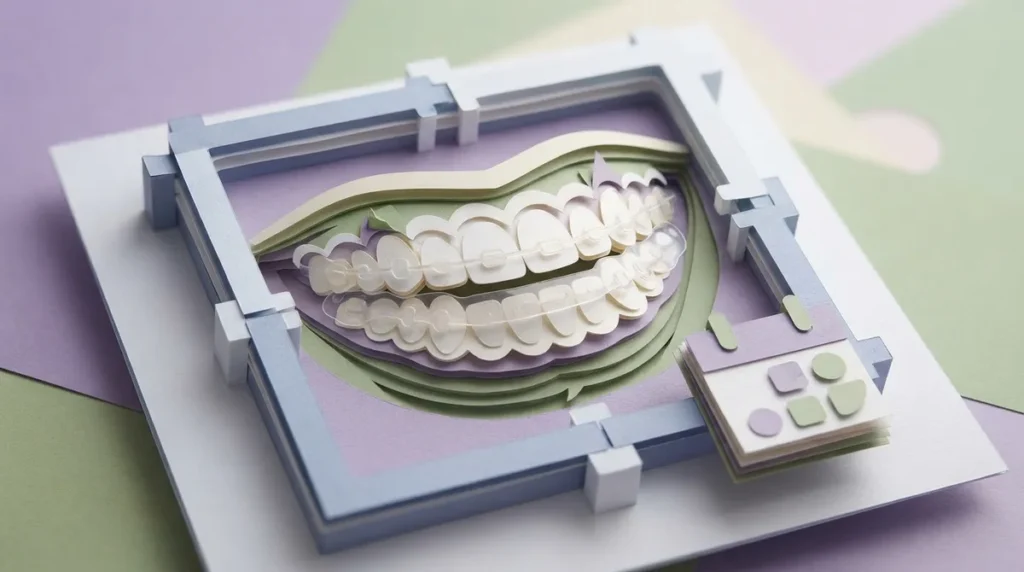
Wear your retainer exactly as your orthodontist prescribes, not following a friend's schedule or stopping after a year or two—retainers are typically needed for life, though frequency may decrease over time.
-
Never force a tight retainer onto your teeth; this signals tooth movement and can cause damage. Contact your orthodontist immediately if your retainer feels snug or won't seat properly.
-
Replace cracked, lost, or loose retainers promptly and never attempt DIY repairs—teeth can shift significantly within days or weeks without proper support.
-
Research shows only 30-50% of patients maintain satisfactory alignment 10 years after treatment without proper retention, emphasizing why a personalized retention plan matters more than the treatment itself.
-
Keep regular dental and orthodontic checkups even after treatment ends to catch early signs of relapse like loose bonded wires or poor retainer fit before major shifts occur.
-
Clean removable retainers daily with soft brush and mild soap, and for fixed retainers use floss threaders or water flossers to prevent plaque buildup and gum problems.
You spent months, maybe years, getting your smile just right. The braces came off, the aligners went in the drawer, and your teeth looked amazing. Then, a year later, you notice a little overlap on the bottom front teeth. Sound familiar? You are not alone, and you did nothing wrong by wanting to enjoy your results.
The truth is that teeth like to move. That is why orthodontic relapse prevention matters just as much as the treatment itself. Whether you are a parent helping a teen stay on track, a busy professional who finally got that discreet smile, or an adult who had braces years ago, a few simple habits can protect your investment.
In this friendly guide, we walk through ten common mistakes that lead to shifting teeth, plus easy fixes for each one. Think of it as a chat with a helpful friend who happens to know a lot about retainers. Let’s keep that beautiful smile exactly where you want it.
What Is Orthodontic Relapse, and Why Does It Happen?
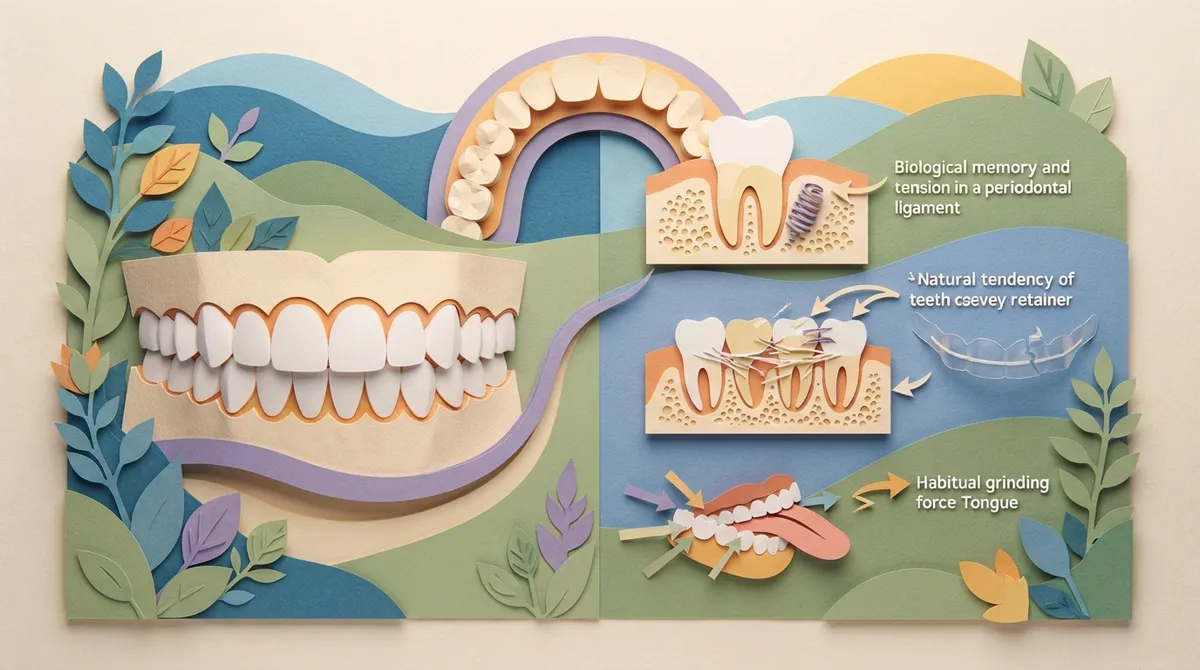
Orthodontic relapse is unwanted tooth movement after active treatment ends. Your teeth can slowly drift back toward their old positions. Changes can also happen with normal aging, even years later.
Why does this happen? After braces or aligners move your teeth, the bone and gum tissues around them need time to adapt and firm up. Retainers hold your teeth steady while that process happens. Retention lowers the risk of movement, but it cannot offer a perfect guarantee.
The research paints a clear picture. A Cochrane review on managing relapse, with evidence current to November 2012, cited observational estimates that only about 30% to 50% of patients kept satisfactory alignment 10 years after treatment, and about 10% at 20 years. Those older numbers reflect different definitions and retention habits, so they are not a prediction for you. They simply show why a good retention plan is so important.
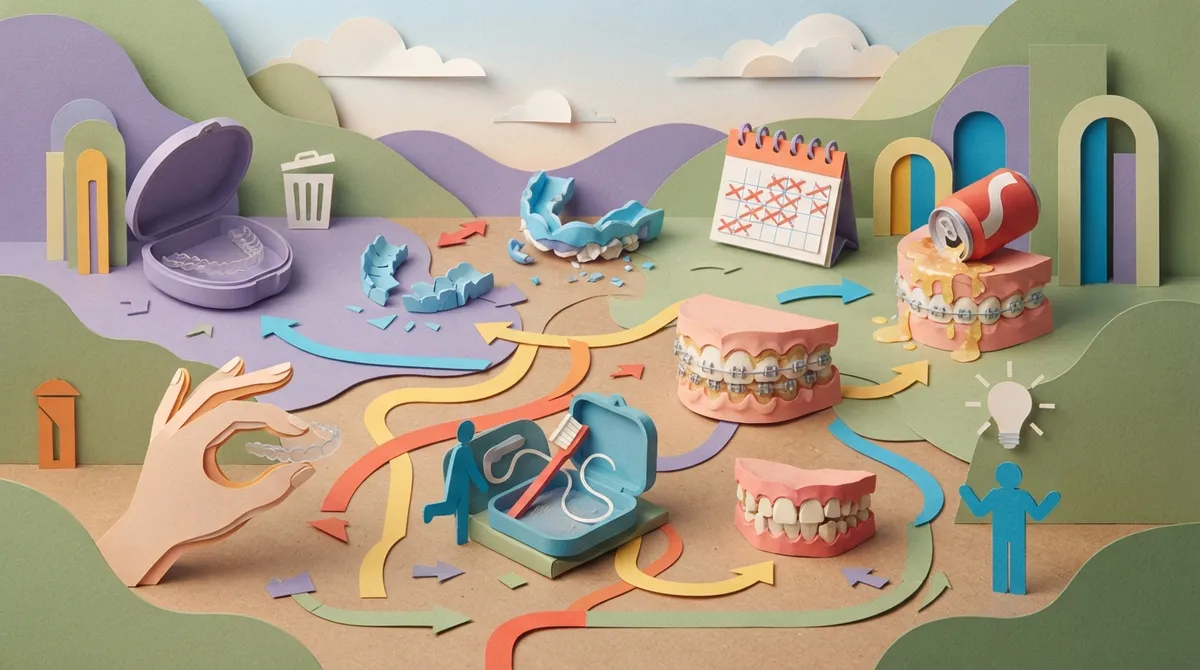
The 10 Mistakes That Put Your Smile at Risk
1. Treating the Retainer as Optional
This is the big one. Many people think the retainer is a nice extra. It is actually the final phase of orthodontic care. Skipping it is like finishing a marathon and then refusing to cool down.
Your orthodontist picks a plan based on your original bite, your treatment result, your gum health, and how well you can follow the routine. Take that plan seriously from day one.
2. Following a Friend’s Wear Schedule Instead of Your Own
Your cousin wears her retainer only at night. Your coworker wore his full time for six months. Which one is right? Neither, unless it matches your orthodontist’s instructions.
A common approach is more frequent wear at first, then nighttime wear. But schedules vary from person to person. Always follow the instructions from your own orthodontist rather than assuming one timetable fits everyone.
3. Stopping Retainer Wear After a Year or Two
Feeling great after twelve months? Awesome! But this is exactly when many people stop. The American Association of Orthodontists says retainers are typically needed for a lifetime, though the wear frequency may decrease over time.
Do not worry, this does not mean you are stuck with a heavy routine forever. Many people simply wear their retainer a few nights a week once things settle. Your orthodontist will tell you what is right for you.
4. Forcing a Tight Retainer Onto Your Teeth
Here is a scenario many patients know. You skip a few nights, and your retainer feels snug. The tempting move is to push it on harder. Please don’t!
A retainer that feels newly tight or no longer seats fully may be a sign that your teeth have moved. Forcing it can hurt your teeth or damage the appliance. Call your orthodontist instead and let them take a look.
5. Ignoring a Cracked, Lost, or Loose Retainer
A cracked tray or a bonded wire that came loose might seem like a small thing. But teeth can shift in just days or weeks once the support is gone. Never try to repair a retainer yourself with glue or by bending a wire.
If you lose a retainer or notice damage, reach out right away. If a bonded wire comes loose, our team can help, and our guide on orthodontic emergencies explains what to do while you wait for your visit. You can also read about what to do with a lost retainer.
6. Assuming One Retainer Type Is Always Best
Fixed or removable? Many people hunt for the single best answer. The honest truth is that current research does not crown one winner for every patient.
The 2023 Cochrane review included 47 studies and 4,377 participants. Yet it rated much of the evidence as low or very low certainty, and many studies had short follow-up. That is why your plan should be individualized by your orthodontist, based on your teeth, your habits, and your lifestyle.
Here is a quick comparison to help you think it through:
| Feature | Removable Retainer | Fixed (Bonded) Retainer |
|---|---|---|
| How it works | Clear tray or Hawley appliance you take in and out | Thin wire bonded behind the teeth |
| Main requirement | Consistent daily or nightly wear | Careful cleaning and regular checks |
| Common risk | Forgetting to wear it, loss, or damage | Detaching or breaking, plaque buildup |
| Best for | Patients who can follow a routine | Patients needing steady, always-on support |
Curious about the details? Explore our pages on orthodontic retainers and the differences between Hawley and clear retainers.
7. Skipping Care for Your Fixed Retainer
A bonded retainer works around the clock, which is wonderful. But it can also collect plaque and calculus (hardened tartar) if cleaning gets sloppy. That can affect your gum health over time.
Fixed retainers can also detach or break. A 2021 review of fixed-retainer failure studies reported rates from 7.3% to 50%, with big differences between studies and settings. Failures were often reported in the first three to six months. Please do not treat those numbers as your personal odds. They simply show why regular inspection matters.
Here are simple ways to care for a bonded retainer:
- Brush carefully along the wire and behind the teeth every day.
- Use floss threaders or a water flosser to clean underneath.
- Run your tongue over the wire now and then to check for loose spots.
- Avoid biting hard foods with your front teeth.
- Keep your regular dental and orthodontic checkups.
8. Letting Your Removable Retainer Get Dirty or Worn Out
Removable retainers need love too. A grimy retainer is not just unpleasant, it can hold bacteria against your teeth. And a warped or cracked retainer will not hold your smile in place the way it should.
Try this easy routine:
- Rinse your retainer every time you take it out.
- Brush it gently with a soft toothbrush and mild soap, not harsh toothpaste.
- Keep it away from hot water, which can warp plastic.
- Store it in its case, never wrapped in a napkin (those end up in the trash!).
- Replace it when it is cracked, loose, or no longer fits well.
Our article on retainer care goes into even more detail.
9. Skipping Checkups After Treatment Ends
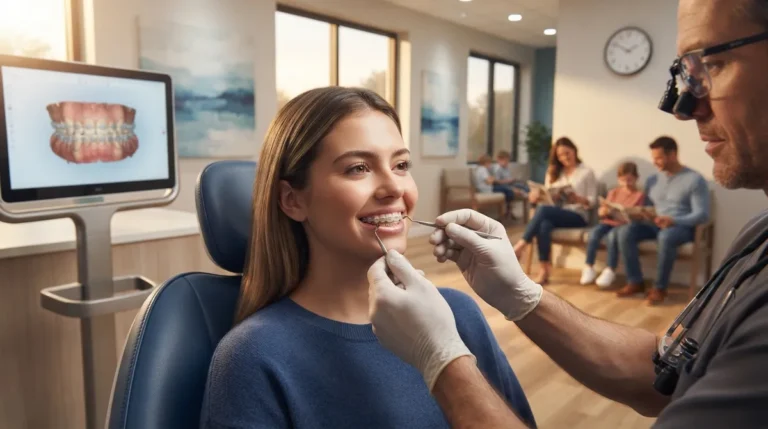
Once the braces are off, life gets busy. Appointments slip off the calendar. But routine dental and orthodontic checks help catch small problems early, like a retainer that no longer fits or a bonded wire that came loose.
An early fix is almost always easier, faster, and less expensive than correcting a bigger shift later. Think of checkups as a quick tune-up for your smile.
10. Assuming You Are Safe If You Wear Your Retainer Perfectly
This one surprises people. Even with excellent retainer habits, small changes can still happen. Teeth continue to shift slightly with age, and no plan can promise perfectly stable alignment forever.
The goal of orthodontic relapse prevention is to lower the risk and catch changes early. If you notice something, do not panic or feel guilty. Just reach out so we can look at your options together.
A Simple Retention Game Plan You Can Follow
Ready for a plain-English summary? Here is a step-by-step approach that fits most patients. Remember, your orthodontist’s instructions always come first.
- Get your retainer on the day your braces or aligners finish. Do not wait.
- Follow your personal wear schedule exactly. Set a phone reminder if it helps.
- Clean your retainer daily. A fresh retainer is a happy retainer.
- Check the fit often. If it feels tight or loose, call us.
- Keep your follow-up visits. Small checks prevent big surprises.
- Plan for the long haul. Wearing time may drop over the years, but the habit stays.
Retention Tips for Every Type of Patient
For Parents of Kids and Teens
Teens are busy, and retainers get left in lunch trays and gym bags. Make it easy by picking one spot at home for the retainer case, right next to the toothbrush. A short nightly routine works wonders. If your teen is finishing treatment, our page on teen orthodontic treatment explains what to expect.
For Busy Professionals and Clear Aligner Patients
If you finished clear aligners and want a discreet smile for work, a nighttime retainer fits nicely into a busy schedule. No one sees it, and you wake up with the same great smile. Pair it with a quick habit, like putting it in as you set your morning alarm.
For Adults Who Had Braces Years Ago
Did your teeth drift after treatment years back? You are in good company, and it is never too late to talk about it. Many adults come back motivated and ready to fix the shift. Learn more about adult orthodontics and your options for getting back on track.
For Life Event Planners
Got a wedding or graduation coming up? Finishing treatment on time is wonderful, but holding your results through the big day matters too. Wear your retainer as directed so your smile looks its best in every photo.
Signs It Is Time to Call Your Orthodontist
Not sure whether something is worth a call? When in doubt, reach out! Here are the signs to watch for:
- Your retainer feels suddenly tight or will not seat fully.
- You notice new gaps, crowding, or overlapping teeth.
- Your retainer is cracked, warped, or lost.
- A bonded wire feels loose, sharp, or has detached.
- Your bite feels different when you close your mouth.
- Your gums look red or swollen near a fixed retainer.
We are always happy to help, and a quick visit can save you a lot of trouble down the road. At Segovia Orthodontics, Dr. Flor Segovia and our team want you to feel supported long after your braces or aligners come off.
Why Your Retention Plan Should Be Personal
No two smiles are the same. The way your teeth moved, your bite, your gum health, and your daily routine all shape the best retention plan for you. That is why a one-size-fits-all approach rarely works.
Dr. Segovia is a board certified orthodontist, and you can verify credentials through the American Board of Orthodontics. Learn more about her background on our orthodontist Flor Segovia page. We offer bilingual care in English and Spanish, and we take time to explain your plan in a way that makes sense.
Want to see how other patients feel about their experience? You can visit us on Google — Segovia Orthodontics to read reviews. And if you like smile inspiration and practice news, follow our Facebook page or our Instagram page.
Final Thoughts: Protect the Smile You Worked For
You put in the time, the effort, and the care to get a smile you love. Strong orthodontic relapse prevention is how you keep it. The big ideas are simple: wear your retainer as directed, keep it clean, fix problems early, and keep your checkups. Do these things, and you give your teeth the best chance to stay put.
Remember, teeth can still shift a little over time, and that is not a failure. It just means it is time for a friendly check-in. Ready to talk about your retainer plan, or fix a shift that already happened? Request an appointment with our team today, contact us with your questions, or call us at 941-557-1333. We would love to help you keep smiling with confidence in 2026 and beyond.
FAQs
Q: How can I prevent my teeth from shifting after braces or clear aligners?
A: The best way is to wear your retainer exactly as your orthodontist instructs and keep it clean and in good shape. Keep your follow-up visits so small changes get caught early. While no plan can promise perfect stability, consistent retention gives your teeth the best chance of staying put.
Q: Do I have to wear my retainer for life?
A: The American Association of Orthodontists says retainers are typically needed for a lifetime, though how often you wear them may decrease over time. Many people move to nighttime wear, then fewer nights per week. Your orthodontist will tailor the exact schedule to you.
Q: Are fixed or removable retainers better for preventing relapse?
A: Research does not show one retainer type as best for every patient. The 2023 Cochrane review rated much of the evidence as low or very low certainty. Your orthodontist will choose what fits your teeth, gum health, and lifestyle.
Q: What should I do if my retainer feels tight or no longer fits?
A: Please don’t force it on! A tight or poorly fitting retainer may mean your teeth have moved or the appliance is damaged. Call your orthodontist promptly so they can check your teeth and decide on the next step.
Q: Can teeth shift even if I wear my retainer?
A: Yes, small changes can still happen, even with great habits, because teeth can also shift with normal aging. Retention lowers the risk but cannot guarantee perfect alignment. If you notice a change, reach out early so we can help.
Our Service Area