Key Takeaways
-
Wearing your retainer exactly as prescribed is the primary defense against relapse; skipping wear or replacing lost retainers late are the most common causes of tooth shifting after clear aligners.
-
Teeth can shift after any orthodontic treatment including aligners, with relapse risk highest in the first months after treatment when bone and supporting tissues are still adapting to new positions.
-
If your retainer feels tight, stop wearing it immediately and contact your orthodontist; forcing a tight retainer can damage teeth and gums without correcting significant movement.
-
Research shows retention habits and individual cases matter more than the type of treatment; clear aligners are not inherently more prone to relapse than traditional braces.
-
Shifted teeth can often be corrected with simple fixes like replacement retainers, adjusted retainers, or limited retreatment depending on the amount of movement.
-
Early warning signs of relapse include a tight-fitting retainer, new gaps or overlapping teeth, changes in bite, floss catching in new spots, and visible differences in photos.
You finished your last aligner tray, and your smile looks amazing. Congratulations! But now a little worry creeps in. After all that time, effort, and investment, you may be asking yourself: will my teeth relapse after clear aligners?
It is one of the most common questions we hear, and it is a smart one. The honest answer is yes, teeth can shift after clear aligner treatment, just like they can after braces. The good news? You have a lot of control over whether that happens. A little knowledge and a consistent routine go a long way.
In this friendly guide, we will walk through why teeth move, how retainers protect your results, what warning signs to watch for, and what to do if you notice a change. Whether you are a parent planning for your teen, a busy professional, or an adult who had braces years ago and wants to fix a shifted smile, this article is for you.
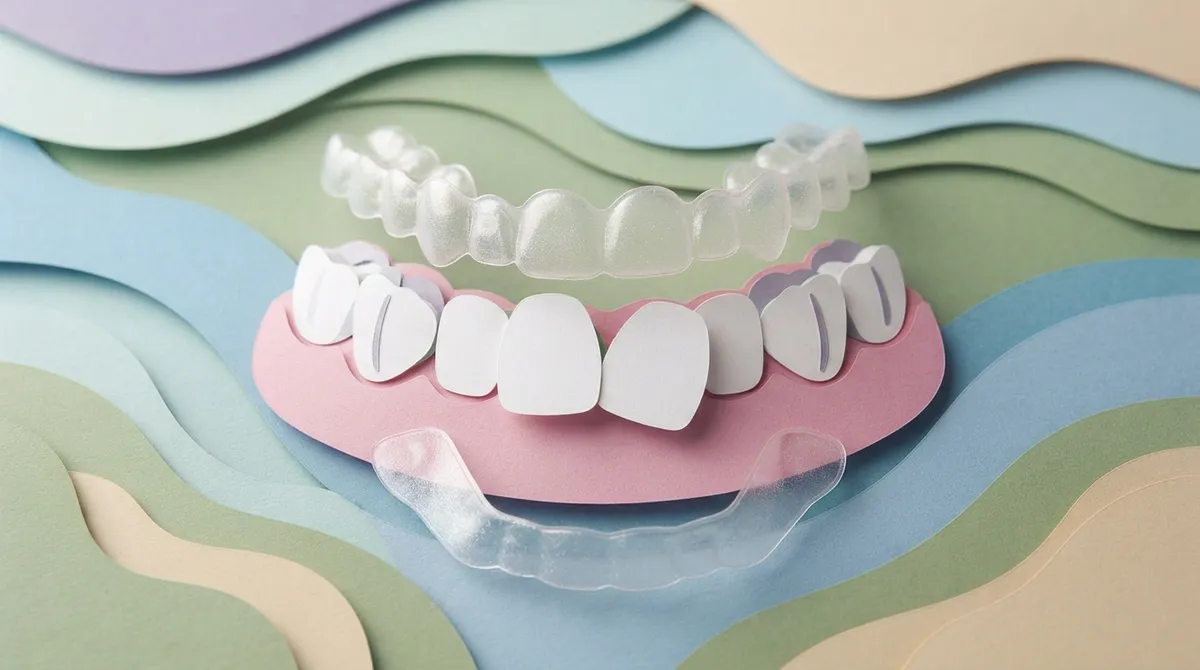
The Short Answer: Yes, Teeth Can Shift After Aligners
Let us start with the truth. Clear aligners move your teeth, but they do not lock them in place forever. Teeth sit in your jawbone and are held by soft tissues and tiny fibers. When aligners shift your teeth, those tissues need time to adjust to the new positions.
That is why the American Association of Orthodontists explains that teeth can continue to move after treatment and that retainers are needed to maintain results. This is true for clear aligners, traditional braces, and other types of treatment.
Here is the encouraging part. Relapse is not a sign that your treatment failed. It is simply what teeth do when they are not supported. With the right plan, you can keep the smile you worked so hard for.
Why Do Teeth Relapse in the First Place?
Teeth are never completely still. They respond to the forces around them all day long. Understanding the reasons behind relapse helps you protect your smile.
Your Bone and Gums Need Time to Settle
Relapse risk is often highest soon after active treatment ends. During this time, the bone and supporting tissues are still adapting to the new tooth positions. Think of it like a freshly planted tree. It needs support while its roots settle in.
Everyday Forces Keep Pushing
Your teeth deal with constant light pressure from your tongue, lips, cheeks, and chewing. Habits like clenching, grinding, or pushing your tongue against your teeth can add to that pressure.
Normal Aging Changes
Teeth can also continue to change throughout life because of normal aging. This is why even people who had braces decades ago sometimes notice their lower front teeth getting a little crowded. It is common, and it is fixable.
Common Causes at a Glance
- Skipping retainer wear or wearing it less often than prescribed
- Losing or damaging a retainer and waiting too long to replace it
- Natural, age-related changes in the jaw and teeth
- Habits such as nail biting, teeth grinding, or tongue thrusting
- Gum changes that affect how teeth are supported
How Retainers Protect Your Aligner Results
If there is one takeaway from this article, it is this: wearing your retainer is the main way to reduce unwanted movement. It is your smile’s best insurance policy.
Your orthodontist will build a retention plan just for you. Many patients wear their retainer more often at first, then switch to nighttime wear later. And for many people, ongoing, often lifelong, retainer use is the best way to keep teeth in place. You can learn more about orthodontic retainers and how they fit into your care.
Types of Retainers
Not every retainer is the same, and each type has strengths and limits. Your orthodontist will recommend the best fit for your bite, your lifestyle, and your risk of shifting.
| Retainer Type | How It Works | Benefits | Things to Watch |
|---|---|---|---|
| Removable clear retainer | A thin, clear tray that fits over your teeth | Discreet, easy to clean, similar feel to aligners | Can be lost or cracked; only works if you wear it |
| Wire-and-acrylic retainer | A removable plate with a thin wire across the front teeth | Durable and adjustable | More noticeable; may affect speech at first |
| Fixed (bonded) retainer | A thin wire glued behind the front teeth | Works around the clock without effort | Needs hygiene care; must be checked for breakage |
Curious about the clear style? Our guide on what a clear retainer is and why you need one breaks it down in simple terms. If you are weighing options, you may also like our post on fixed versus removable retainers.
A Quick Note on Your Last Aligner
Many people ask if they can just keep using their final aligner tray as a retainer. Aligners are made to move teeth, not hold them, and they may wear down or lose their fit. Always ask your orthodontist before using one this way. A proper retainer is built for the job.
What Does the Research Say About Aligners and Relapse?
Here is where we want to be careful and honest. Long-term research that directly compares relapse after clear aligners and after braces is still limited. That means no one can promise a single “aligner relapse rate” that applies to everyone.
One 2019 review described a study in which both clear aligner and traditional braces groups showed some alignment relapse three years after the retention phase. The upper front teeth seemed less stable in the aligner group. However, the review warned that this was early evidence, based on removable retainers and patient cooperation, and it cannot be applied to every person.
So what does that tell us? Mainly this: retention habits and your individual case matter a great deal. Clear aligners are not automatically more or less likely to relapse. Your follow-through is a big piece of the puzzle.
Signs Your Teeth May Be Shifting
Relapse usually happens slowly, so it can be easy to miss. Keep an eye out for these clues:
- Your retainer feels tight. A retainer that suddenly feels snug, or does not seat all the way, can mean your teeth have moved.
- You see new gaps or overlap. Check your front teeth in the mirror every few weeks.
- Your bite feels different. Teeth may meet in a new way when you chew.
- Floss catches in new spots. Tighter contacts can be an early sign of crowding.
- Photos look a little different. Compare a recent picture with your end-of-treatment photo.
Noticing one of these does not mean disaster. It simply means it is time to check in with your orthodontist.
What to Do If Your Retainer Does Not Fit
Here is a mistake we see often: someone feels their retainer is tight, so they push it in harder, hoping it will move their teeth back. Please do not do this. Forcing a retainer can hurt your teeth and gums, and it will not fix significant movement.
Instead, follow these steps:
- Stop forcing it. If it does not seat easily, take it out.
- Keep it safe. Store it in its case so it does not get bent or lost.
- Contact your orthodontist promptly. The sooner you call, the simpler the fix tends to be.
- Get an evaluation. Your orthodontist can check how much movement has happened.
- Follow the recommended plan. This may be a new retainer, an adjusted retainer, or a short round of treatment.
If your retainer breaks or you lose it, get it replaced quickly. Our post on what to do when you lose a retainer is a helpful read.
Can Shifted Teeth Be Fixed?
Absolutely. Many of our patients are adults who had braces or aligners years ago and now want to correct a bit of movement. They are some of the most motivated, reliable patients we meet!
Depending on how much your teeth have shifted, care may include:
- A replacement or adjusted retainer for very small changes
- Limited retreatment with clear aligners or braces for mild to moderate shifting
- More extensive treatment if the movement is significant
If you are an adult thinking about a touch-up, explore our adult orthodontics options and our clear aligners to see what might work for you.
Tips to Keep Your Smile Straight for Life
Protecting your results does not have to feel like a chore. A few simple habits make it easy.
- Wear your retainer exactly as prescribed. Build it into your routine, like brushing your teeth.
- Pick a consistent time. Many people put their retainer in right before bed.
- Always use the case. Wrapping a retainer in a napkin is a classic way to lose one.
- Clean it daily. A clean retainer keeps your mouth fresh and healthy.
- Keep your checkups. Your orthodontist can spot small changes early.
- Avoid harmful habits. Skip nail biting, chewing on pens, and using your teeth as tools.
- Tell us about grinding. A nighttime guard may help protect your teeth.
For more help, take a look at our guide on orthodontic retainer mistakes to avoid and our tips on how to master retainer care.
Relapse Tips for Different Life Stages
Every patient has a different story. Here is how retention fits into a few common situations.
For Parents of Teens and Kids
Teens are busy, and retainers can get forgotten in lunch trays or gym bags. Set a simple routine, such as retainer in at bedtime, and keep a spare case in their backpack. You can read more in our overview of teen orthodontic treatment.
For Busy Professionals and Young Adults
Between meetings, travel, and social plans, it is easy to skip a night. Keep a retainer case in your work bag and one at home. A fixed retainer can also be a smart choice for people who want protection without remembering a nightly step. Ask your orthodontist if it fits your case.
For Those With Big Events Ahead
Planning a wedding or graduation? Finish treatment early when you can, and keep wearing your retainer so your smile looks its best on the big day and long after.
For Adults Who Had Braces Before
If you stopped wearing your retainer years ago, you are not alone, and it is not too late. A quick evaluation can show whether a retainer or a short treatment can bring your smile back.
How Our Team Supports Your Long-Term Results
At Segovia Orthodontics at Lakewood Ranch, we believe treatment does not end when your aligners come off. Led by Dr. Flor Segovia, our team builds a retention plan around your teeth, your lifestyle, and your goals. We want you to feel supported and never judged, whether it has been two weeks or twenty years since your treatment.
Want to see what other patients think? You can visit us on Google — Segovia Orthodontics to read their experiences, or follow along with smile updates on our Instagram page. You can also verify a specialist’s training through the American Board of Orthodontics.
The Bottom Line on Relapse After Clear Aligners
So, will my teeth relapse after clear aligners? They can, but they do not have to. Teeth naturally want to drift, and retention is what keeps them where you want them. Aligners are a powerful way to straighten a smile, and a consistent retainer routine is what protects that investment.
Remember these key points:
- Teeth can shift after any type of orthodontic treatment, including aligners and braces.
- Your retainer is the best tool to prevent unwanted movement.
- If your retainer feels tight, do not force it. Call your orthodontist.
- Shifted teeth can often be corrected with a simple plan.
Ready to protect your smile or fix a little movement? Request an appointment today, or call us at 941-557-1333 to talk with our friendly team. We would love to help you keep your best smile for years to come.
FAQs
Q: Will my teeth move after clear aligners if I do not wear my retainer?
A: They very likely can. Teeth tend to drift back toward their old positions, especially in the months right after treatment. Wearing your retainer as prescribed is the best way to keep your new smile in place.
Q: How long do I need to wear a retainer after clear aligners?
A: It depends on your case, but many patients start with more frequent wear and then move to nighttime wear. Many people need ongoing, often lifelong, retainer use, and your orthodontist will set the right schedule for you.
Q: What should I do if my clear retainer feels tight or no longer fits?
A: Please do not force it in. A tight retainer can mean your teeth have moved, so take it out and call your orthodontist right away. The sooner we take a look, the easier the fix usually is.
Q: Can clear aligners fix teeth that have shifted after treatment?
A: Often, yes! For mild to moderate shifting, limited retreatment with clear aligners or braces can bring your smile back on track. Your orthodontist will check how much movement has happened and recommend the best option.
Q: Are fixed retainers or removable retainers better after clear aligners?
A: Neither is better for everyone. Fixed retainers work around the clock but need good hygiene and checks for breakage, while removable ones are easy to clean but only work when you wear them. Your orthodontist can help you choose based on your teeth and lifestyle.
Our Service Area