Key Takeaways
-
Teeth can shift within days or weeks without retainer support, so replacing a lost retainer immediately is critical—do not delay or hope teeth will stay in place.
-
Follow your orthodontist's specific wear schedule rather than generic online guidelines; many patients start full-time wear for 4-6 months before switching to nighttime only.
-
Use only cool water and a soft brush to clean retainers; hot water warps plastic and harsh chemicals like bleach or alcohol damage the retainer and irritate your mouth.
-
Always store removable retainers in a protective case when not in mouth—wrapping in napkins leads to accidental disposal, and keep away from heat sources and pets.
-
For fixed retainers, floss under the wire daily using floss threaders or interdental brushes to prevent plaque buildup, as failure rates range from 7-50% depending on design.
-
Long-term retainer wear is essential because teeth naturally drift over years even after perfect orthodontic treatment due to ongoing biological changes and shifting bone fibers.
You spent months, maybe even years, getting your smile just right. The braces came off, or your last aligner tray went into the drawer, and you finally got to show off your new teeth. Now comes the part that many people overlook: retention and retainer care. This is the phase that keeps your hard work from slipping away.
Here is the honest truth. Teeth have a mind of their own. Even after perfect treatment, they can drift back toward their old spots over time. That is why orthodontists commonly recommend long-term retainer wear. The good news? A few simple habits make a huge difference, and you do not have to be perfect to protect your smile.
Whether you are a parent helping a teen stay on track, a professional with a packed calendar, or an adult who had braces years ago, this guide is for you. We will walk through ten common mistakes, how to avoid them, and what to do when life throws a curveball. Let’s keep that smile right where you want it.
Why Retention Matters After Orthodontic Treatment
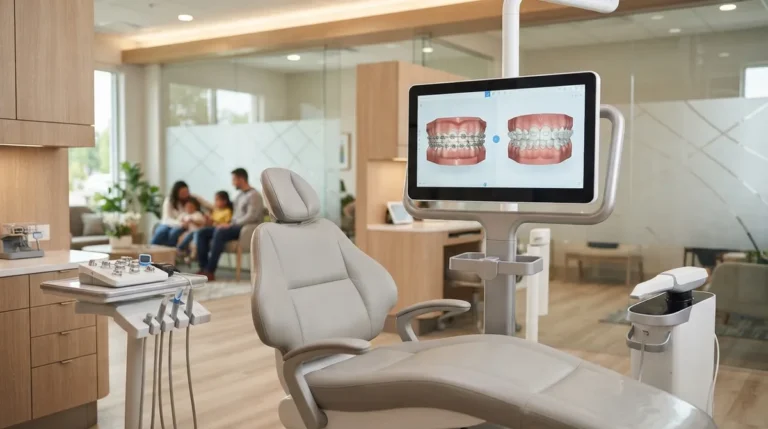
Orthodontic retention is the phase after braces or aligners. Its job is to hold your teeth in their corrected positions. Your teeth sit in bone and are held by tiny fibers and gum tissue. After treatment, those tissues need time to settle. Ongoing biological changes can also nudge teeth over the years.
That is why retainers are often recommended for the long haul. Your orthodontist will tailor the type, schedule, and length of wear to your needs. At Segovia Orthodontics, Dr. Flor Segovia builds a retention plan that fits your teeth, your bite, and your lifestyle.
You can learn more about the basics on our page about orthodontic retainers.
Know Your Retainer Options First
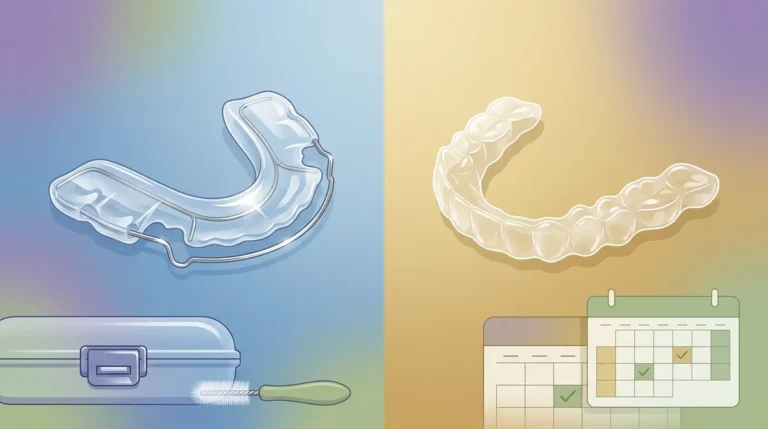
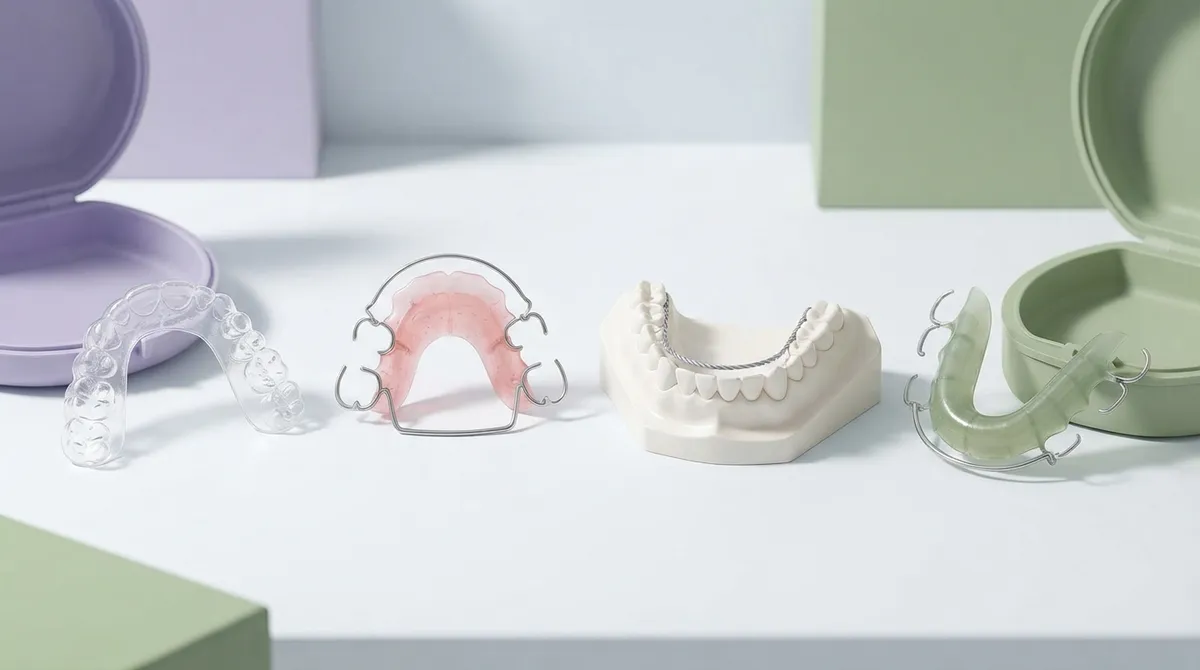
Before we dive into the mistakes, it helps to know what you might be wearing. Retainers come in a few styles, and each has its own care needs.
| Retainer Type | What It Is | Best For | Key Care Tip |
|---|---|---|---|
| Clear vacuum-formed tray | Thin, clear plastic that fits over your teeth | Patients who want a discreet look | Clean daily with a soft brush and cool water |
| Hawley retainer | Acrylic plate with a metal wire across the front teeth | Patients who want a durable, adjustable option | Brush gently and store in a case |
| Fixed (bonded) retainer | Thin wire bonded behind the teeth | Patients who may struggle with a wear schedule | Floss under the wire daily |
Curious about the differences? Check out our guide on Hawley retainers versus clear retainers, or learn about fixed versus removable retainers.
10 Retention and Retainer Care Mistakes to Avoid
1. Skipping Your Wear Schedule
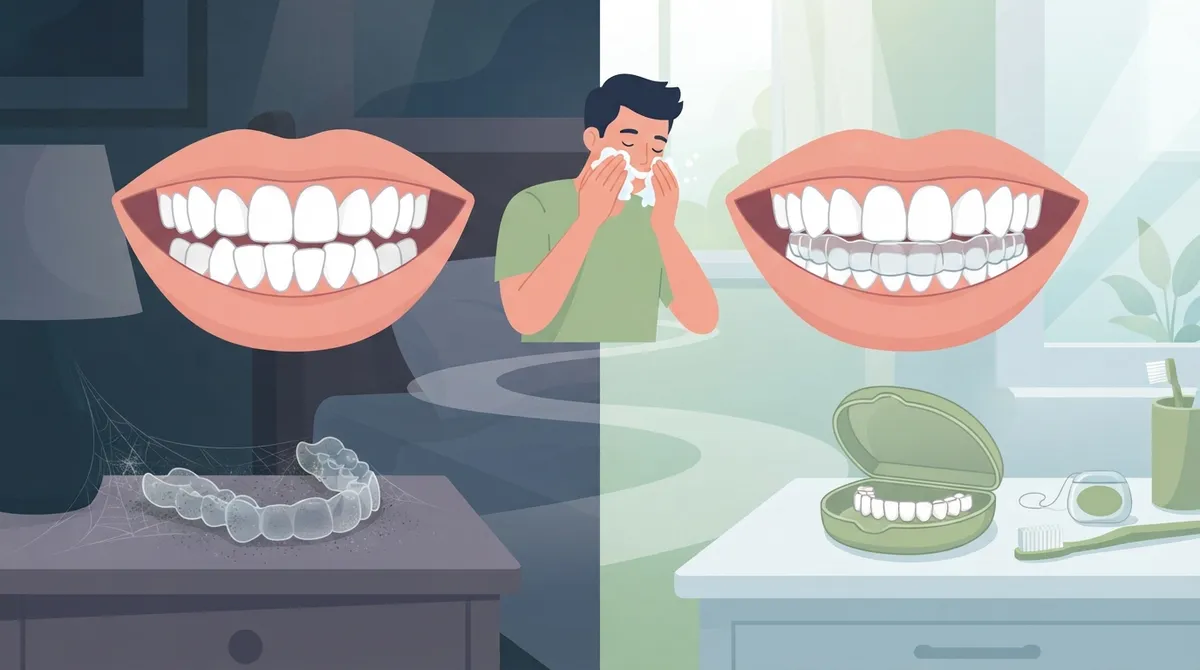
This is the big one. Your orthodontist gives you a wear schedule for a reason. Some patients start with full-time wear and later move to nighttime only. Cleveland Clinic guidance notes that patients may wear retainers day and night for at least 4 to 6 months before switching to nights. Your own plan may be different, so always follow your orthodontist’s instructions instead of a generic schedule you found online.
2. Taking Your Retainer Out for Meals and Not Putting It Back
Removable retainers usually come out for meals. The trouble starts when they stay out. A retainer sitting in your pocket or on a tray is not holding anything in place. Make it a habit: eat, brush, and pop the retainer back in. A small routine beats a big regret.
3. Using Hot Water to Clean Your Retainer
It seems logical that hot water would clean better. But heat can warp plastic, and a warped retainer will not fit right. Use cool water and a soft toothbrush instead. A retainer-safe cleaner is fine if your orthodontist recommends one.
4. Reaching for Harsh Chemicals
Bleach, alcohol, and strong cleaners can damage your retainer and irritate your mouth. Unless your orthodontist tells you otherwise, keep it simple. Gentle brushing each day does most of the work.
5. Wrapping Your Retainer in a Napkin
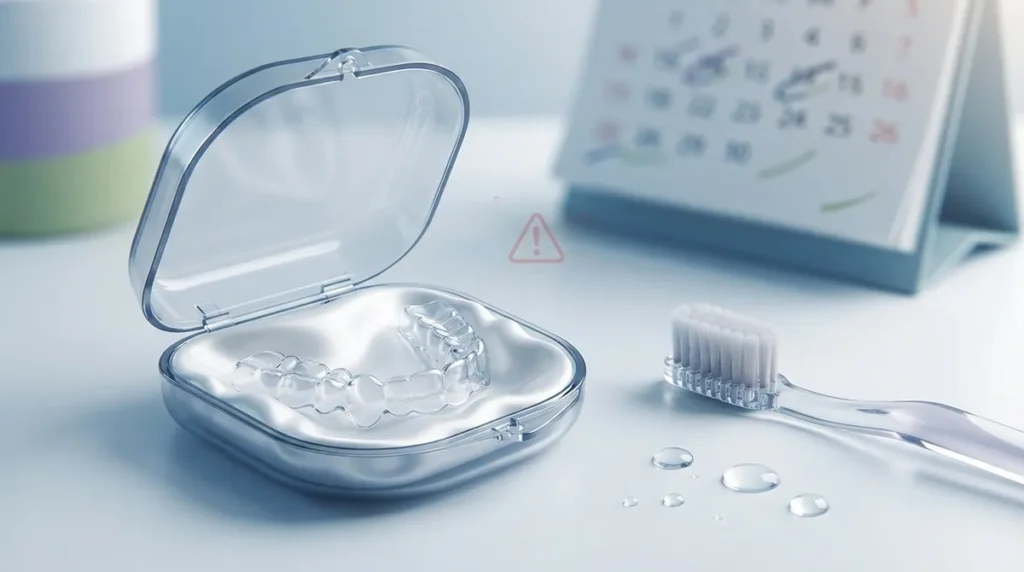
We have all heard the sad story. A retainer wrapped in a napkin ends up in the trash. Always keep it in a protective case when it is not in your mouth. Keep it away from heat, too, like a hot car dashboard or a sunny windowsill. And watch out for pets, because dogs find retainers irresistible.
6. Forgetting to Clean Around a Fixed Retainer
A fixed wire can collect plaque and tartar if you skip the details. Brush carefully around the wire. Then floss under it using floss threaders, or try an interdental brush. Routine dental cleanings and checkups matter here, too. Our article on fixed retainer facts goes deeper on this topic.
7. Forcing a Retainer That Does Not Fit
If your retainer feels very tight, do not force it into place. A snug feeling after a few days off can be normal, but a retainer that will not seat needs attention. Pushing hard can crack it or move teeth in the wrong way. Call your orthodontist and let them take a look.
8. Ignoring a Loose Wire or Cracked Retainer
Fixed retainers can come loose, and removable ones can crack. Research shows these problems are not rare. A 2021 review of fixed retainer failure reported failure rates between 7.3% and 50%, depending on the study and retainer design. A systematic review comparing bonded and vacuum-formed retainers found overall failure rates between 5.8% and 50%. The takeaway? Check your retainer often and speak up early.
9. Waiting Too Long to Replace a Lost Retainer
Lost your retainer? Do not wait and hope your teeth will behave. Teeth can shift in just days or weeks without support. Call your orthodontist right away. Our guide on lost retainer replacement walks you through the steps.
10. Quitting Retainers Because Treatment Is Done
This mistake catches many adults who had braces as teens. Years later, they notice crowding returning and wonder what happened. Without ongoing retainer wear, teeth can drift. If this sounds familiar, you are not alone, and it is never too late to talk with an orthodontist. Take a look at our page on why teeth shift back after braces come off.
A Simple Daily Retainer Care Routine
Good retainer care does not need to be complicated. Here is an easy routine for a removable retainer:
- Remove your retainer before meals and place it in its case.
- Eat and drink as usual, then brush and floss your teeth.
- Rinse your retainer with cool water.
- Gently brush it with a soft toothbrush. Use a retainer-safe cleaner if your orthodontist recommends one.
- Put it back in your mouth as directed.
- Store it in its case whenever it is out.
For a fixed retainer, the routine looks a little different:
- Brush carefully along the wire and the surfaces of your teeth.
- Use a floss threader or interdental brush to clean under the wire.
- Check the wire with your tongue for any loose spots or sharp edges.
- Keep up with regular cleanings and orthodontic checkups.
Retainer Care Tips for Different Lifestyles
For Busy Parents and Teens
Teens are famous for leaving retainers in odd places. Try giving your child a bright case that is easy to spot. Set a phone reminder for nighttime wear. A little teamwork goes a long way, and it saves the cost of replacements. If your teen is just finishing treatment, our resource on teen orthodontic treatment can help your family plan ahead.
For Working Professionals
If your days are packed, nighttime wear is easy to build into your routine. Keep a spare case in your bag or desk so you never wrap your retainer in a napkin at lunch. A quick brush and rinse at the office keeps things fresh.
For Adults Fixing Relapse
Did your teeth shift after years of skipping retainers? Many adults are in the same boat. The good news is that relapse can often be corrected, and today’s options are more discreet than ever. Explore adult orthodontics or clear aligners to see what might work for you.
For Big Life Events
Planning a wedding, graduation, or big photo day? Protect your smile by staying consistent with your retainer in the weeks leading up to it. A retainer that fits well helps you feel confident when the camera comes out.
When to Call Your Orthodontist
Some retainer issues are small. Others need quick attention. Reach out if you notice any of the following:
- Your retainer is lost, cracked, or bent
- It no longer fits or will not seat all the way
- A fixed wire feels loose or has come unbonded
- You feel sharp edges that irritate your lips or tongue
- You see your teeth moving or new gaps forming
For urgent problems, see our page on orthodontic emergencies. We are here to help you fix things before they become bigger issues.
How Often Should Retainers Be Checked or Replaced?
There is no single timeline that fits everyone. Removable retainers wear down over time, especially with nightly use. Fixed retainers can loosen or collect buildup. Your orthodontist will check the fit and condition at regular visits. If you ever wonder whether it is time for a new one, ask us. If cost is on your mind, you can read about what drives retainer cost to know what to expect.
The Bottom Line on Retention and Retainer Care
Retention and retainer care is not the exciting part of orthodontic treatment. But it is the part that protects everything you worked for. Wear your retainer as directed, clean it gently, store it safely, and call us when something feels off. Those small habits keep your smile steady for years.
You can also see what other families say about us on Google. Visit us on Google — Segovia Orthodontics to read reviews from our Lakewood Ranch community. We are also on social media, so follow our Facebook page and our Instagram page for smile tips. Dr. Segovia is proud to serve patients as a board-certified orthodontist, and you can verify specialist credentials through the American Board of Orthodontics.
Have a retainer question, or need a replacement? Do not wait for your teeth to shift. Request an appointment today, or call us at 941-557-1333. We would love to help you keep your best smile for life.
FAQs
Q: How long do I need to wear my retainer after braces or clear aligners?
A: Every smile is different, so your orthodontist will give you a plan that fits your teeth. Many patients wear a retainer full-time at first, then move to nighttime wear. Because teeth can shift over time, long-term wear is often recommended.
Q: How do I clean a clear plastic or Hawley retainer safely?
A: Brush it gently each day with a soft toothbrush and cool water. Avoid hot water, bleach, and alcohol, since they can warp or damage the retainer. If you like, ask us about a retainer-safe cleaner.
Q: How do I floss and clean around a permanent retainer?
A: Brush carefully around the wire, then use a floss threader or interdental brush to clean under it. This helps remove plaque and tartar that can build up. Regular dental cleanings and orthodontic checkups keep everything in great shape.
Q: What should I do if I lose or break my retainer, or a wire comes loose?
A: Call your orthodontist as soon as you can. Teeth can start shifting quickly without support, and a broken or loose retainer may need a repair or replacement. Please do not try to force a retainer that will not fit.
Q: Can I eat or drink while wearing a removable retainer?
A: Most orthodontists ask you to remove your retainer for meals and snacks. Plain water is usually fine, but follow your own instructions. Pop it back in after you brush and keep it in its case when it is out.
Our Service Area