Key Takeaways
-
Clear brackets are not invisible—they're less noticeable than metal but still visible up close. Use tooth-colored archwires and elastic ties to blend them in better, and discuss other options if total invisibility is your goal.
-
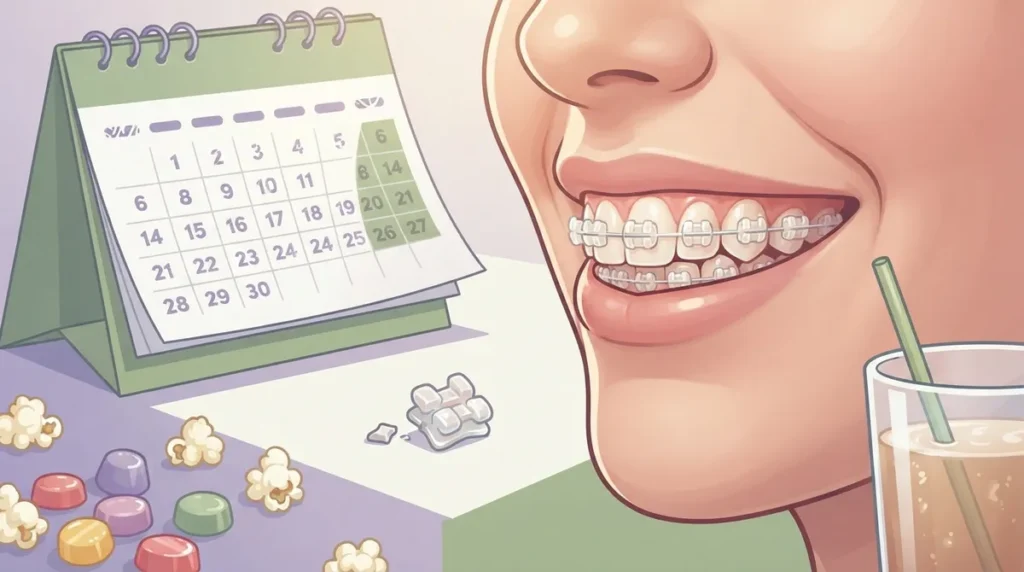
Ceramic brackets are more brittle than metal and can chip or break easily with hard or sticky foods like candy, popcorn, and caramel. Cut food into bite-sized pieces to avoid expensive repair visits and treatment delays.
-
Clear bracket treatment typically costs $4,000–$8,000 ($1,000–$2,000 more than metal) and takes 12–36 months. Discuss total costs, insurance coverage, payment plans, and your specific timeline before committing to treatment.
-
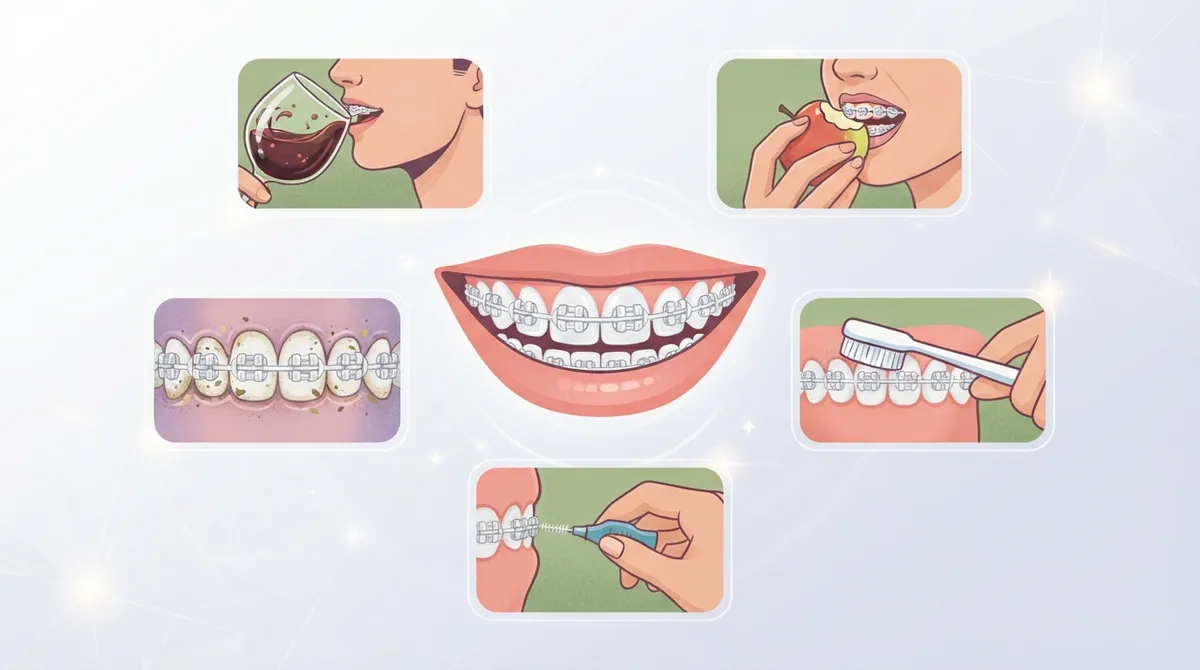
Staining usually comes from elastic ties, not ceramic brackets themselves. Replace ties at adjustment appointments and reduce discoloration by using straws for dark drinks and rinsing after meals.
Picture this: you finally decide to straighten your smile, you choose clear brackets on braces so they blend in, and then a few months later you’re dealing with a chipped bracket, stained ties, and a surprise bill. It happens more often than you’d think, and it’s almost always avoidable.
Whether you’re a parent helping a teen pick a style, a professional who wants a low-profile look for work, or an adult planning ahead for a wedding or big event, clear brackets can be a great fit. They are tooth-colored or ceramic brackets that bond to your teeth and connect with an archwire, just like metal braces. But they come with a few quirks worth knowing before you start.
In this friendly guide, we’ll walk through five common mistakes people make with clear brackets on braces, and how to sidestep every one of them. Let’s get you ready for a smoother, more confident treatment journey in 2026.
What Are Clear Brackets on Braces, Exactly?
Clear brackets on braces are usually made of ceramic or another tooth-colored material. They work the same way as metal braces: small brackets are bonded to each tooth, and an archwire gently guides your teeth into place over time.
Here’s the part that trips people up. Clear brackets are not the same as clear aligners. Aligners are removable plastic trays. Clear brackets are fixed to your teeth, so you can’t take them out to eat or brush. If you’re curious about the removable route, our page on clear aligners explains how they differ.
How Do They Compare to Other Options?
| Feature | Clear Brackets | Metal Braces | Clear Aligners |
|---|---|---|---|
| Fixed to teeth | Yes | Yes | No (removable) |
| How noticeable | Less noticeable, not invisible | Most noticeable | Very discreet |
| Durability | More brittle | Very sturdy | Depends on wear habits |
| Typical cost | Often higher than metal | Often lowest | Varies by case |
| Best for | Discreet fixed treatment | Complex cases, budget | Mild to moderate cases |
Every mouth is different, so the right choice depends on your teeth, your goals, and your orthodontist’s exam. Our guide on types of braces is a helpful place to compare your options.

Mistake #1: Assuming Clear Brackets Are Invisible
This is the big one. Clear brackets are less noticeable than metal, but they are not invisible. You’ll still see small squares on your teeth, especially up close or in bright light.
The good news? A few details can make them blend in even better:
- Tooth-colored archwires that match the brackets
- Clear or tooth-colored elastic ties
- Brackets that match your natural tooth shade
If total invisibility is your top goal, ask about other choices during your consultation. Our post on things to know about clear braces before you start sets realistic expectations so there are no surprises.
Mistake #2: Blaming the Brackets for Stains (When It’s the Ties)
Many patients worry that their clear brackets will turn yellow. Here’s a little secret: the ceramic brackets themselves are not usually the main culprit. The clear or light-colored elastic ties that hold the wire in place are what tend to discolor between visits.
Coffee, tea, red wine, dark sodas, curry, and tomato sauce can all leave their mark on those little ties. Think of them like a white t-shirt at a spaghetti dinner.
Simple Ways to Keep Ties Looking Fresh
- Sip dark drinks through a straw when you can.
- Rinse your mouth with water after coffee, tea, or sauces.
- Brush carefully after meals, paying attention to the areas around each bracket.
- Ask your orthodontist how often ties are replaced at your visits.
Since ties are swapped out at adjustment appointments, a little extra care in between goes a long way. Our tips on how to care for your braces cover daily habits that keep everything looking its best.
Mistake #3: Treating Ceramic Brackets Like Metal Ones
Ceramic is strong, but it’s also more brittle than metal. That means clear brackets on braces can chip or break more easily if you bite down on something hard or sticky.
Foods that often cause trouble include:
- Hard candy, ice, and nuts
- Crunchy snacks like popcorn and hard pretzels
- Sticky treats like caramel and taffy
- Biting directly into apples, corn on the cob, or crusty bread
A broken bracket usually needs a repair visit, and it can slow down your treatment progress. The fix is easy: cut food into bite-sized pieces and skip the tough stuff. We’ve put together a helpful list of foods to avoid with braces so you know what to steer clear of.
What If a Bracket Breaks?
Don’t panic, and don’t try to remove or fix it yourself. Call your orthodontic office and let them know. If something is poking or causing real discomfort, our page on orthodontic emergencies walks you through what to do until you can be seen.
Mistake #4: Skipping the Cost and Timeline Conversation
Clear ceramic braces often cost more than metal braces, and the final price depends on your location, how complex your case is, how long treatment takes, and the practice you choose. Consumer health sources have shared broad estimates in the range of roughly $4,000 to $8,000 for ceramic braces, with ceramic sometimes adding $1,000 to $2,000 over metal. Treat those as general ballparks, not a local quote.
On timing, the Cleveland Clinic reports that clear braces typically take about 12 to 36 months. Your own timeline depends on your teeth and how closely you follow your orthodontist’s plan.
Questions to Ask Before You Commit
- What is the total estimated cost, including visits and retainers?
- Does my insurance cover any part of treatment?
- Are there payment plans or financing options?
- How long will my specific case likely take?
The good news is that budgeting doesn’t have to be stressful. Learn more about orthodontic financing and how flexible payment options can make your treatment fit your life.
Mistake #5: Slacking on Oral Hygiene Around the Brackets
With any fixed braces, food and plaque love to hide around brackets and along the gumline. Clear brackets on braces are no exception. Skipping careful cleaning can lead to cavities, swollen gums, and white spots on your teeth once the braces come off.
A small study of 20 teenagers reported less long-term plaque buildup with ceramic brackets than with metal ones. But with such a small group, it doesn’t mean ceramic braces make cleaning easier. Good habits still matter most.
Your Daily Braces Care Checklist
- Brush after meals, angling the bristles toward the gumline
- Clean between teeth daily with floss threaders, interdental brushes, or a water flosser
- Use fluoride toothpaste
- Keep up with your regular dental cleanings
- Show up for every adjustment appointment
For a deeper dive, check out our friendly walkthrough on how to floss with braces without the frustration.
A Quick Note About Removal Day
Here’s something many people don’t think about: ceramic brackets can be harder to remove than metal ones. Orthodontists use special debonding techniques to lower the risk of bracket fracture or enamel damage. One 2020 study in the European Journal of Orthodontics referenced earlier clinical data reporting a 14.6% fracture rate during debonding. That was a study-specific finding, not a rate that applies to every practice.
The takeaway? Only a trained dental professional should ever remove your brackets. Please don’t try it at home, no matter how excited you are to show off your new smile!
Who Are Clear Brackets Best For?
Clear brackets on braces can be a wonderful match for many people:
- Teens and kids who want a lower-profile look for school and photos
- Busy professionals who want treatment that doesn’t stand out in meetings
- Adults returning for treatment after relapse who want a polished, discreet option
- Anyone planning for a big event like a graduation or wedding who wants steady, predictable progress
Ceramic braces use the same basic mechanics as metal braces, so they can treat many alignment and bite problems, including crowding and overbites. Whether they’re right for you comes down to a personal evaluation. If you’re a parent, our guide on choosing the right braces for teens can help, and adults can explore adult orthodontics.
Finding the Right Care in Lakewood Ranch
The best results come from pairing the right braces with an experienced orthodontist. At Segovia Orthodontics, Dr. Flor Segovia is a board certified orthodontist who offers personalized care for children, teens, and adults in a comfortable, supportive setting. You can also verify an orthodontist’s credentials through the American Board of Orthodontics.
Curious what other families think? See what our Segovia Orthodontics patients say when you visit us on Google — Segovia Orthodontics. You can also follow along with smile stories on our Instagram page and join the community on our Facebook page.
Ready to Explore Your Options?
Clear brackets on braces can give you a straighter smile with a more discreet look, as long as you go in with the right expectations and habits. Remember the five mistakes: assuming they’re invisible, blaming brackets for tie stains, treating ceramic like metal, skipping the cost talk, and slacking on hygiene. Avoid those, and you’re well on your way.
Not sure which option fits your smile? The best next step is a personal evaluation. Request an appointment today, or call us at 941-557-1333 and our friendly team will help you find the perfect plan. We can’t wait to meet you!
FAQs
Q: What are clear brackets on braces made of?
A: Clear brackets are usually made of ceramic or another tooth-colored material. They bond to your teeth and connect with an archwire, working much like metal braces but with a more blended-in look.
Q: Are clear braces the same as clear aligners?
A: Nope! Clear brackets are fixed to your teeth and can’t be removed, while clear aligners are removable plastic trays. Both can be discreet, but they work in different ways and suit different cases.
Q: Do clear brackets stain, or do the elastic ties stain?
A: It’s usually the clear or light-colored elastic ties that discolor between visits, not the ceramic brackets themselves. Rinsing after dark drinks and brushing well helps, and your orthodontist replaces the ties at adjustments.
Q: Are ceramic braces more likely to break than metal braces?
A: Ceramic brackets are generally more brittle, so they can chip or break more easily, especially with hard or sticky foods. Careful eating habits and quick repairs keep your treatment on track.
Q: Can clear brackets treat an overbite or crowding?
A: Yes, ceramic braces use the same basic mechanics as metal braces and can treat many alignment and bite problems. Whether they’re right for you depends on your teeth and your orthodontist’s evaluation.
Our Service Area