Key Takeaways
-
Custom 3D-printed brackets like LightForce can reduce treatment time by up to 45% compared to traditional braces by ensuring precise fit to each tooth's unique shape.
-
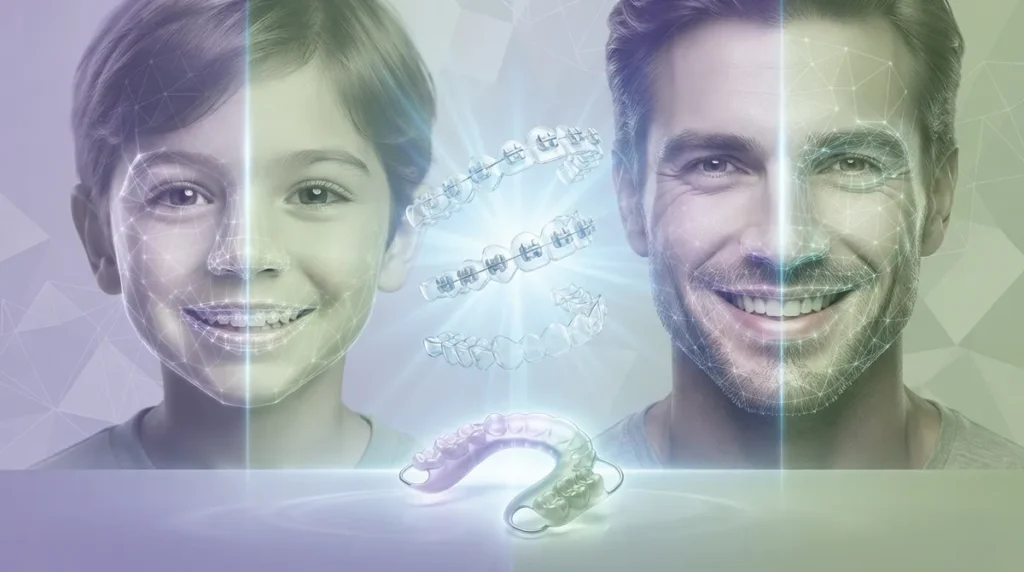
Children should have their first orthodontic check-up by age 7 to catch developing bite or jaw problems early while growth can still naturally guide corrections.
-
Clear aligners work best for mild to moderate alignment issues, while complex bite problems often require traditional braces for more predictable control and results.
-
Adult relapse (teeth shifting after previous braces) is highly treatable because adults typically follow instructions better, making treatment smoother and more successful.
-
Retainer wear after active treatment is essential and non-negotiable; skipping it is the most common reason patients need a second round of orthodontic treatment later.
-
A thorough in-person evaluation with X-rays, digital scans, and bite analysis is critical before starting treatment, as social media trends and digital smile simulations cannot replace professional diagnosis.
Let’s be honest: staring at a mouth full of options can feel overwhelming. Maybe you’re a mom wondering if your seven-year-old needs an early check-up. Maybe you’re a busy professional dreaming of a straighter smile before your next big presentation. Or maybe you had braces as a teenager, and now your teeth have quietly shifted back. Whatever brought you here, we’re glad you found us. Today we’re breaking down the most trusted orthodontic solutions available right now, so you can walk into your next appointment feeling confident, not confused.
At Segovia Orthodontics at Lakewood Ranch, Dr. Flor Segovia and her team see families from every walk of life. Some are booking a child’s very first orthodontic visit, and others are adults finally ready to fix relapse from years ago. No matter your story, the good news is this: modern orthodontic care has never been more personalized, comfortable, or convenient. Let’s walk through five categories of solutions, what the research says about them, and how to pick the right one for your smile.

Why Orthodontic Solutions Matter More Than Ever
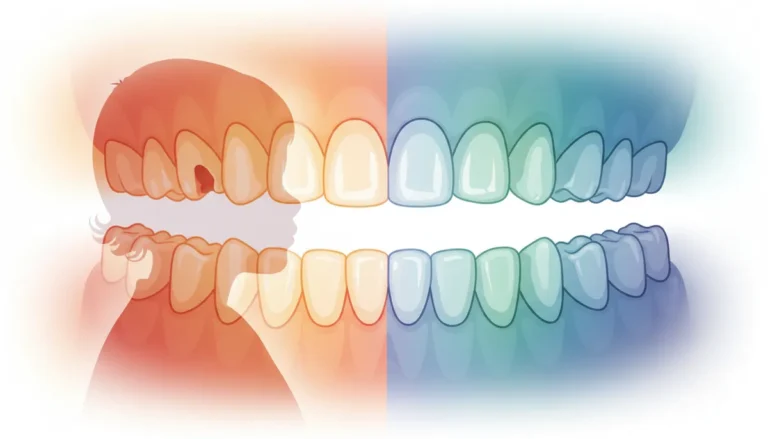
Crooked teeth aren’t just a cosmetic issue. Misaligned bites can affect chewing, speech, and even jaw comfort over time. A 2024 systematic review found that malocclusion (the clinical term for bite and alignment problems) affects roughly 54% of children with primary teeth worldwide, with rates varying widely by region. That means crowded, gapped, or misaligned teeth are incredibly common, and there’s no reason to feel embarrassed about needing help.
The truth is, orthodontic solutions exist because every mouth is different. Your treatment should be based on a real, in-person evaluation, not just what looks trendy on social media. That’s why an actual assessment with photos, X-rays, and a bite analysis matters so much before starting any plan. Digital smile simulations are fun to look at, but they’re planning tools, not a diagnosis.
1. Traditional and Custom Metal Braces
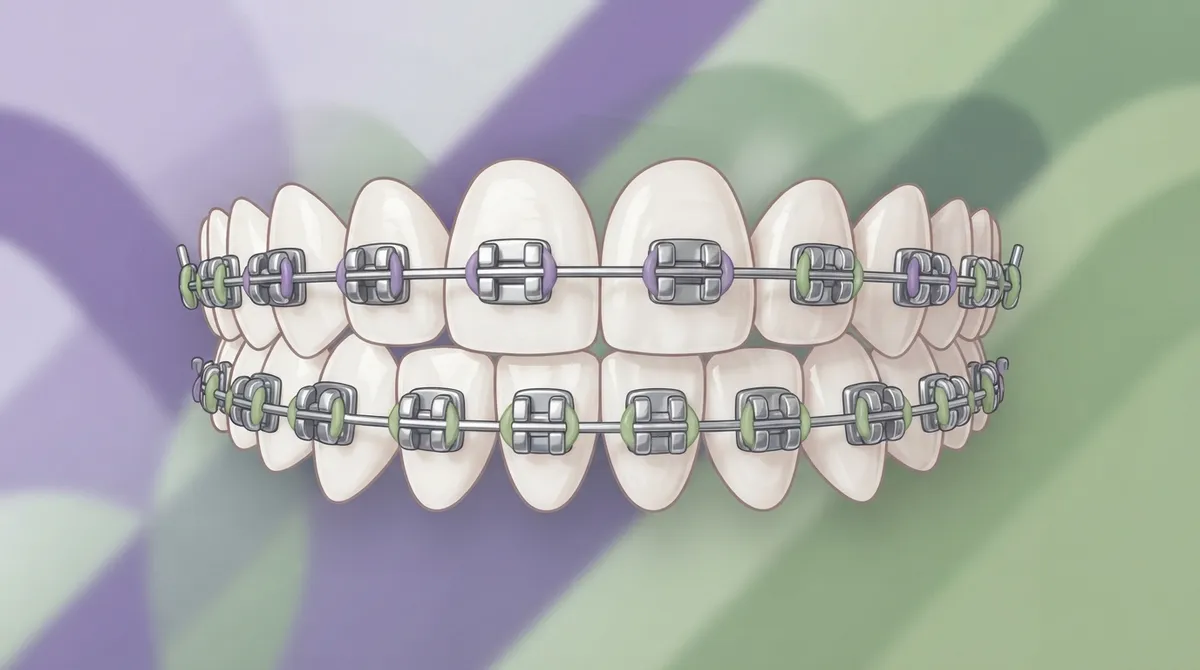
Metal braces have been the backbone of orthodontic solutions for generations, and for good reason. They use brackets bonded to your teeth and a wire that gently guides them into place. Braces can treat almost any bite problem, from mild crowding to more complex jaw discrepancies.
What’s changed is the technology behind them. Segovia Orthodontics offers LightForce Orthodontics, the first fully digital, 3D-printed bracket system. Instead of a one-size-fits-all bracket, each piece is custom-designed for your exact tooth shape.
Why Custom Brackets Make a Difference
- Brackets bond more evenly, reducing irritation to gums and cheeks
- Real-time digital adjustments let Dr. Segovia fine-tune your plan before it’s even placed
- Treatment time can be reduced by up to 45% compared to traditional methods
- Clear or white bracket options offer a more subtle look, even on back teeth
- Custom appliances are often ready in under two weeks
For kids and teens who want braces to feel less like a chore, WildSmiles Braces turn treatment into something fun. Instead of plain brackets, patients can choose shapes like stars, hearts, footballs, or even Mickey Mouse. The unique shapes also make plaque easier to spot, which means better brushing habits and healthier teeth throughout treatment. If you’re comparing your options, our guide on types of braces is a great place to start.
2. Clear Aligners for a Nearly Invisible Fix
Clear aligners have exploded in popularity, and the numbers back it up. One 2025 industry report valued the global clear aligner market at approximately $8.3 billion, with continued growth expected. They’re removable, custom-fitted trays that gradually shift teeth into place without any metal or wires.
A 2025 expert consensus on clear aligner treatment sorted cases into four difficulty levels: easy, moderate, difficult, and challenging. Some tooth movements, like widening the arch or moving molars back, tend to be very predictable with aligners. Other movements, like rotating a tooth or pulling it down, can be trickier and may need extra attachments or elastics.
Angel Aligners: A Modern Aligner Option
At our office, we also offer Angel Aligners, a smart, AI-driven aligner system. They use a unique “7+3” wear schedule, meaning you wear a flexible tray for seven days followed by a firmer tray for three days. This approach can speed up tooth movement and cut down on extra office visits.
- Some trays include built-in attachment points, so you skip extra bonded pieces on your teeth
- A frosted finish helps reduce shine, making them more discreet in daily life
- Flexible materials are designed to be gentler on gums and cheeks
- Streamlined manufacturing often makes them more budget-friendly than premium brands
If you’re torn between trays and traditional brackets, our comparison on clear aligners lays out the pros and cons in plain language.
3. Early and Growth-Focused Treatment for Kids
The American Association of Orthodontists recommends that children have their first orthodontic check-up by around age 7. That might sound early, especially if your child still has baby teeth. But catching bite or jaw problems while a child is still growing can make future treatment simpler and shorter.
Early treatment isn’t about starting braces at age 7. It’s about watching for signs like crossbites, crowding, or jaw growth issues that are easier to guide while a child’s mouth is still developing. Our page on early orthodontic treatment explains exactly what this looks like in practice.
Signs Your Child Might Benefit From an Early Evaluation
- Losing baby teeth much earlier or later than expected
- Difficulty chewing or biting food comfortably
- Thumb-sucking habits that continue past age 5
- Teeth that don’t come together correctly, or a jaw that shifts when biting down
- Speech difficulties that seem related to tooth position
- Crowded, overlapping teeth even in the baby teeth
If any of these sound familiar, it’s worth scheduling a visit. Many concerned moms tell us they feel so relieved just knowing what to expect, even if treatment doesn’t start right away. For older kids approaching their teenage years, teen orthodontic treatment is designed around busy school and activity schedules.
4. Adult Orthodontics for Every Life Stage
Here’s something we want every adult reading this to know: it is never too late to fix your smile. Whether you skipped braces as a kid or you’re dealing with relapse after wearing them years ago, adult orthodontics has come a long way.
For career-focused professionals, discreet options like clear aligners or tooth-colored brackets mean nobody in your next meeting has to know you’re mid-treatment. For those preparing for a wedding, graduation, or big career move, treatment plans can be tailored around your timeline and event dates.
Common Reasons Adults Seek Treatment
- Teeth that have shifted back after wearing braces years ago (a very common and treatable issue)
- Gaps or crowding that developed gradually over time
- Bite problems causing jaw discomfort or uneven wear on teeth
- Wanting a confident smile before a wedding, reunion, or new job
- Simply being ready, now that finances and schedules allow for it
If you fall into the “adult relapse” category, you’re actually one of the easiest patients to treat successfully. You already know how to follow instructions, wear your retainer, and stay consistent. That compliance makes a huge difference in how smoothly treatment goes.
5. Retainers: The Often-Overlooked Final Step
Here’s a fact that surprises a lot of patients: finishing active treatment isn’t the end of the story. Every single orthodontic solution, whether it’s braces or aligners, needs a retention plan afterward. Teeth naturally want to shift over time, and a good orthodontic retainer is what protects your investment.
Retainers come in fixed (bonded behind the teeth) and removable forms. Your orthodontist will recommend the type based on your treatment, your bite, and your habits. Skipping retainer wear is one of the most common reasons people end up needing a second round of treatment later in life.
Comparing Your Orthodontic Solutions at a Glance
| Treatment Type | Best For | Typical Visibility | General Duration |
|---|---|---|---|
| Traditional/LightForce Braces | Mild to severe misalignment, complex bites | Visible (or subtle with clear brackets) | 12-24 months on average |
| WildSmiles Braces | Kids and teens wanting a fun experience | Visible, customizable shapes | Similar to traditional braces |
| Clear Aligners / Angel Aligners | Mild to moderate alignment issues, discreet needs | Nearly invisible | Varies by case difficulty |
| Early/Growth Treatment | Children ages 7+ with developing bite issues | Varies by appliance | Often shorter phases over time |
| Retainers | Everyone, after any active treatment | Minimal to none | Long-term or lifelong wear recommended |
What Happens During Your Orthodontic Evaluation
No matter which solution ends up being right for you, it all starts with a thorough evaluation. This typically includes photos, digital scans or impressions, X-rays, and a review of your dental and medical history. Dr. Segovia uses advanced orthodontic technology to map out a plan that’s specific to your bite, not a generic template.
Steps to Expect at Your First Visit
- A friendly welcome and conversation about your smile goals
- Digital scans or photos to capture your current tooth positions
- X-rays to check root position and jaw structure, if needed
- A bite analysis to see how your teeth come together
- A one-on-one discussion of which orthodontic solutions fit your needs and budget
This isn’t a rushed, cookie-cutter process. It’s a conversation. And it’s the reason so many families trust our why choose us page to learn more about what makes our approach different.
Caring for Your Smile During Treatment
Whatever solution you choose, a little daily effort goes a long way. Good habits protect your teeth and keep your treatment on schedule.
- Brush after every meal, especially with braces, to avoid buildup around brackets
- Wear aligners for the recommended hours each day, typically 20 to 22 hours
- Avoid sticky, hard, or crunchy foods that can damage brackets or wires
- Keep every follow-up appointment, usually scheduled every 4 to 12 weeks for braces
- Contact your orthodontist right away if a bracket breaks or a wire pokes your cheek
Skipping these steps, especially with removable aligners, can lead to tracking issues or a longer treatment timeline. If you ever run into a broken wire or lost aligner, our orthodontic emergency page walks you through what to do next.
Choosing the Right Orthodontist for the Job
Not every provider offers the same level of training. Dr. Flor Segovia is a board certified orthodontist, which means she’s completed additional specialized training beyond dental school. You can always verify a provider’s credentials through the American Board of Orthodontics, a trusted resource for confirming board certification nationwide.
Choosing a provider who is bilingual, family-friendly, and experienced with both kids and adults can make the whole process smoother. Learn more about Dr. Flor Segovia and her approach to comfortable, personalized care.
Real Families, Real Results
We love hearing from our Lakewood Ranch community. Many patients share their experiences on our Facebook page, and you can see smile transformations and behind-the-scenes moments on our Instagram page. It’s a great way to get a feel for our office before you even walk through the door.
And speaking of feeling good, if you’re juggling appointments and self-care during a busy treatment schedule, some of our patients also recommend booking time with Mobile Area Massage of Tampa Bay for a little stress relief along the way. Taking care of your whole self matters just as much as taking care of your smile.
Frequently Searched Questions About Orthodontic Solutions
Before we wrap up, let’s tackle a few of the questions we hear most often at our Lakewood Ranch office. If you don’t see your specific question answered here, our team is always happy to help during a consultation.
Your Next Step Toward a Confident Smile
Choosing the right orthodontic solution doesn’t have to feel complicated or stressful. Whether you’re guiding your child through their first evaluation, exploring discreet aligners for your career, or finally addressing relapse from years ago, there’s a path forward that fits your life. Dr. Flor Segovia and our Lakewood Ranch team are here to make that path as comfortable and encouraging as possible.
Ready to see your options in person? You can request an appointment today, or feel free to contact us with any questions you have. You’re also welcome to call us at 941-557-1333 to speak with our friendly front desk team directly. And if you’d like to hear from patients just like you, visit us on Google — Segovia Orthodontics to read real reviews from our community. We can’t wait to help you smile with confidence.
FAQs
Q: What are the different types of orthodontic solutions available today?
A: You’ve got more choices than ever, friend! Options include traditional metal braces, custom digital braces like LightForce, fun WildSmiles braces for kids, clear aligners like Angel Aligners, early growth treatment for children, and retainers to protect your results. Your orthodontist will help you pick based on your specific bite and lifestyle.
Q: Are clear aligners as effective as traditional braces?
A: For mild to moderate cases, clear aligners can work wonderfully well, especially with today’s digital planning tools. For more complex bite issues, traditional braces sometimes offer more predictable control. The best way to know for sure is a proper evaluation, since every smile really is unique.
Q: At what age should my child first see an orthodontist?
A: The American Association of Orthodontists recommends an initial check-up around age 7. Don’t worry, this doesn’t mean braces right away! It simply lets your orthodontist catch any developing issues early, while there’s still time to guide growth naturally.
Q: Can adults really benefit from orthodontic treatment?
A: Absolutely, and we mean that with our whole hearts. Whether you never had braces or your smile shifted back over time, adult treatment works beautifully with discreet options like clear aligners and tooth-colored brackets. It’s honestly never too late to feel confident in your smile.
Q: How should I care for my teeth during orthodontic treatment?
A: Brush after meals, floss daily, avoid sticky or hard foods, and wear your aligners as instructed. Keeping every follow-up visit, usually every 4 to 12 weeks, also helps your treatment stay right on track and gives your orthodontist a chance to catch small issues early.
Our Service Area