Key Takeaways
-
LightForce custom 3D-printed brackets can cut treatment time by up to 45% compared to standard brackets, offering digital precision adjustments throughout treatment.
-
Clear aligners require 20-22 hours daily wear to stay on track; 65% of orthodontic professionals now use aligner therapy, with 97.5% primarily recommending it for adults.
-
Angel Aligners use a unique 7+3 wear schedule (7 days flexible, 3 days firmer tray) that speeds up tooth movement and reduces office visits while costing less than premium brands.
-
Traditional braces handle nearly all bite problems including severe cases, while clear aligners work best for mild to moderate alignment; your orthodontist must evaluate which suits your specific issue.
-
Metal braces with fun designs like WildSmiles motivate children to maintain better oral hygiene and follow instructions, improving overall treatment outcomes.
-
Retainer wear is essential after active treatment ends; teeth naturally shift over time, so custom retainers must be worn exactly as instructed to prevent relapse and protect your investment.
Staring at a mouth full of crooked or crowded teeth and wondering what to do about it? You’re not alone. Every week, families walk into orthodontic offices asking the same question: what are my orthodontic options, and which one is right for me? The good news is that today’s choices go way beyond the metal-mouth memories many of us grew up with.
Whether you’re a busy mom juggling carpool schedules, a young professional prepping for a big presentation, or someone who wore braces years ago and noticed things shifting back, there’s an orthodontic path built for your life. This guide walks through every major option, explains how each one works, and helps you figure out which choice deserves a closer look at your next visit.
Understanding Orthodontic Options and Why They Matter
Orthodontic care isn’t just about a pretty smile. It fixes real problems like crowding, gaps, overbites, underbites, crossbites, and open bites. Left untreated, these issues can make brushing harder, wear down teeth unevenly, and even affect how you chew or speak.
A comprehensive exam is always the starting point. Your orthodontist will look at photos, dental records, and imaging before recommending a plan. If you’re curious about what that first visit looks like, check out our guide on what happens during your first orthodontic visit.
Common Problems Orthodontic Treatment Can Fix
- Crowded or overlapping teeth
- Gaps or spacing between teeth
- Overbite (upper teeth sit too far forward)
- Underbite (lower jaw juts out)
- Crossbite (upper and lower teeth don’t line up)
- Open bite (front teeth don’t touch when biting down)
Traditional Metal Braces: The Reliable Classic
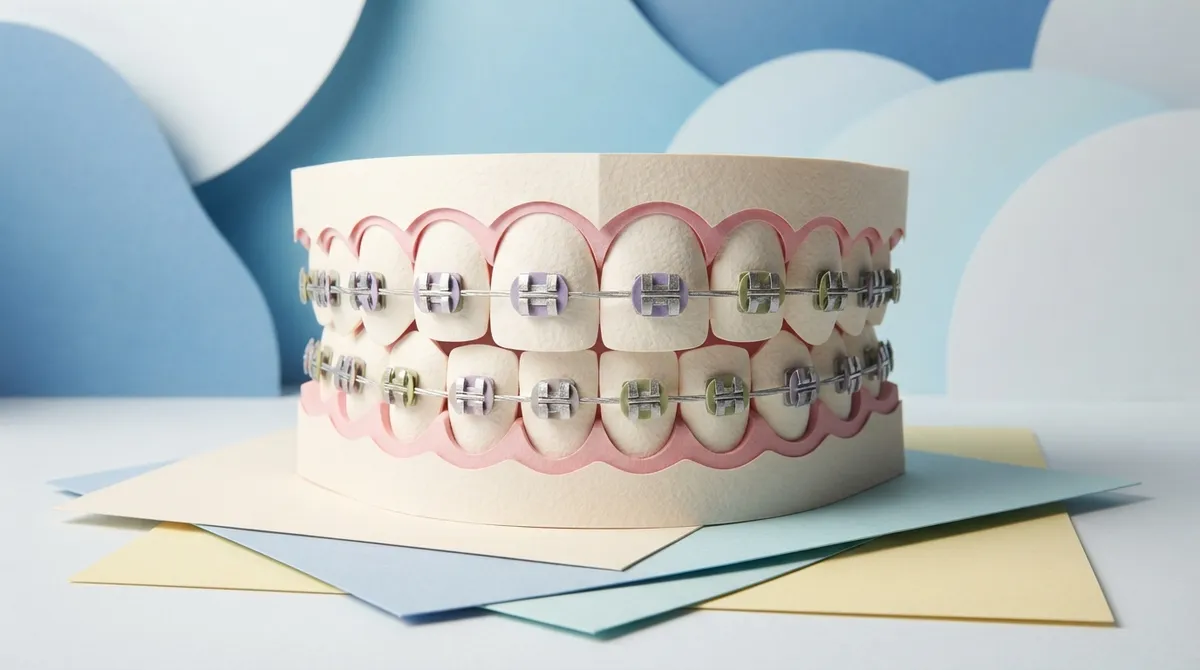
Metal braces use brackets and wires to gently guide teeth into place. They’re still the most versatile option because they can handle almost any bite problem, from mild crowding to complex jaw misalignment.
At Segovia Orthodontics, we offer two exciting takes on traditional braces. WildSmiles Braces feature fun bracket shapes like stars, hearts, and even Mickey Mouse designs, making treatment something kids actually look forward to. When children enjoy their braces, they tend to brush better and follow instructions more closely.
For a more modern approach, LightForce Orthodontics uses fully digital, 3D-printed brackets custom-made for each tooth. This precision can cut treatment time by up to 45% compared to one-size-fits-all brackets. Dr. Flor Segovia can also make real-time digital adjustments, so your plan stays accurate from start to finish.
Why Families Choose Metal or Custom Braces
- They work for nearly every type of bite problem, including severe cases.
- Kids stay motivated with fun options like WildSmiles brackets.
- LightForce technology often speeds up treatment significantly.
- Brackets are bonded in place, so there’s no risk of losing removable trays.
- Results tend to be highly predictable with consistent orthodontist visits.
Ceramic and Ceramic-Alternative Braces for a Subtler Look
Some patients want the strength of braces without the shiny metal look. Ceramic braces use tooth-colored brackets that blend in more naturally. LightForce brackets also offer clear or white options, so even back teeth stay discreet. This appeals to teens heading into yearbook photos or adults who want a professional appearance at work.
Lingual Braces: Hidden From View
Lingual braces attach to the back surface of your teeth, facing your tongue instead of your cheeks. They’re nearly invisible from the outside, which makes them popular with performers, professionals, and anyone camera-shy. They do require a short adjustment period since they sit closer to the tongue, and not every case is a good fit. A consultation will confirm if lingual braces make sense for your bite.
Clear Aligners: Discreet and Removable
Clear aligners have become a go-to choice for teens and adults who want a nearly invisible treatment. These custom, removable trays gradually shift teeth using a series of slightly adjusted aligners. According to the American Association of Orthodontists, aligners are generally worn 20 to 22 hours a day and removed only for eating, drinking anything besides water, and brushing.
A 2023 peer-reviewed survey found that 65% of orthodontic professionals now use clear aligner therapy, and 97.5% of those respondents primarily use aligners for adult patients. That tells you aligners have earned real trust in the orthodontic community, especially for grown-up smiles.
At our Lakewood Ranch practice, we offer Angel Aligners as a comfortable, budget-friendly alternative to premium aligner brands. Angel Aligners use a unique 7+3 wear schedule, meaning you wear a flexible tray for seven days followed by a firmer tray for three days. This approach can speed up tooth movement and cut down on extra office visits.
What Makes Angel Aligners Stand Out
- Built-in attachments reduce the need for extra bonded pieces on teeth.
- A frosted finish minimizes shine, so trays look more natural.
- Flexible, self-adaptive material can feel gentler on gums and cheeks.
- AI-driven treatment planning helps map out efficient tooth movement.
- Typically more budget-friendly than premium aligner brands.
Braces vs Clear Aligners: A Side-by-Side Look
| Feature | Traditional Braces | Clear Aligners |
|---|---|---|
| Visibility | Visible metal or ceramic brackets | Nearly invisible |
| Removable? | No, fixed to teeth | Yes, removable for eating and brushing |
| Best for | Complex bite issues, severe crowding | Mild to moderate alignment problems |
| Daily wear needs | Worn full-time automatically | 20-22 hours per day required |
| Diet restrictions | Avoid sticky, hard, or crunchy foods | None, since trays come out to eat |
| Compliance factor | Low, since they can’t be removed | High, success depends on wear time |
The AAO notes that braces can treat most orthodontic problems, while aligner suitability depends more on your specific case. That’s why a thorough evaluation matters so much before choosing a path.
Auxiliary Appliances That Support Your Treatment
Sometimes braces or aligners need a little backup to get the best results. These additional tools are often used alongside your main treatment:
- Elastics (rubber bands) to help correct bite alignment
- Palatal expanders to widen a narrow upper jaw
- Headgear for specific growth-related corrections
- Temporary anchorage devices for precise tooth movement
Your orthodontist will explain if any of these tools fit into your personalized plan during your evaluation.
When Jaw Surgery Becomes Part of the Conversation
For severe skeletal issues that tooth movement alone can’t fix, orthognathic (corrective jaw) surgery may be recommended. This typically comes up when chewing, speaking, or breathing is affected by how the jaws line up. It’s not a common outcome, but it’s an important option for select patients working alongside an oral surgeon and orthodontist team.
Retainers: Protecting Your Investment
Finishing active treatment is a huge milestone, but it’s not quite the finish line. Teeth naturally want to shift over time, so custom orthodontic retainers are essential for holding your new smile in place. Your orthodontist will recommend a removable or fixed retainer schedule based on your treatment and habits.
Steps to Successful Retainer Use
- Wear your retainer exactly as instructed, especially in the first few months.
- Clean it daily to prevent buildup and odor.
- Store it in its case when not in use to avoid loss or damage.
- Attend follow-up visits so your orthodontist can check for shifting.
- Replace worn or cracked retainers promptly to avoid relapse.
Orthodontic Options by Life Stage
Kids and Early Treatment
Catching issues early can prevent bigger problems later. Early orthodontic treatment often uses gentle appliances to guide jaw growth before all permanent teeth arrive.
Teens on the Go
Between sports, school, and social life, teens need options that fit their schedule. Teen orthodontic treatment can include braces or aligners, depending on lifestyle and bite complexity.
Adults Returning to Treatment
Maybe you had braces as a teen and now notice your teeth shifting back. You’re in great company. Adult orthodontics has grown tremendously, with discreet options like Angel Aligners and LightForce clear brackets designed specifically for professional, image-conscious patients.
How to Choose the Right Option for You
Picking the best orthodontic path depends on a few key factors:
- The type and severity of your bite issue
- Your age and whether jaw growth is still happening
- Aesthetic preferences and comfort with visible appliances
- Your budget and available financing options
- How consistently you can follow wear-time instructions
If cost is a concern, know that flexible financing plans can make treatment far more manageable than many people expect. Every practice, including ours here in Lakewood Ranch, understands that a straighter smile shouldn’t feel out of reach.
Why Choose Segovia Orthodontics for Your Treatment
Dr. Flor Segovia is a board-certified orthodontist who provides bilingual care in English and Spanish, creating a welcoming space for the whole family. Our Lakewood Ranch office combines advanced technology with a warm, comfortable atmosphere so patients of every age feel supported. Learn more about her background on our orthodontist Flor Segovia page, or explore what sets us apart on our why choose us page.
Curious what real patients say about their experience? Feel free to visit us on Google — Segovia Orthodontics to read reviews from Lakewood Ranch families. You can also follow along with smile transformations and office updates on our Facebook page and our Instagram page.
Verifying Your Orthodontist’s Credentials
Not every dentist who offers braces is a board-certified orthodontist. Organizations like the American Board of Orthodontics set rigorous standards for specialists who complete additional training beyond dental school. Choosing a board-certified provider gives you added confidence in your treatment plan.
Your Next Step Toward a Straighter Smile
With so many orthodontic options available today, from playful WildSmiles brackets to nearly invisible Angel Aligners, there’s truly something for every age, budget, and lifestyle. The hardest part is simply taking that first step. Whether you’re exploring treatment for your child, yourself, or a teen getting ready for prom, a personalized consultation will map out the clearest path forward.
Ready to find your perfect fit? Request an appointment with our Lakewood Ranch team today, or call us at 941-557-1333 to ask any questions before you come in. We can’t wait to help you build a smile you’ll love showing off.
FAQs
Q: What are the main orthodontic treatment options available today?
A: You’ve got more choices than ever, friend! The main options include traditional metal braces, ceramic braces, lingual braces that hide behind your teeth, and clear removable aligners. Each one works a little differently, so your orthodontist will help match the best option to your specific smile goals.
Q: Are clear aligners as effective as traditional braces?
A: For mild to moderate alignment issues, clear aligners can work wonderfully well, especially with good compliance. That said, braces still handle the widest range of complex bite problems. Your orthodontist can tell you honestly which option gives you the best results for your unique case.
Q: Can adults really get braces or clear aligners at any age?
A: Absolutely, and it happens more often than you’d think! Adult orthodontics has grown tremendously, with many grown-ups choosing discreet options like clear aligners or tooth-colored braces. It’s never too late to invest in a smile that makes you feel confident.
Q: How many hours a day do I need to wear clear aligners?
A: Most orthodontists recommend wearing clear aligners for about 20 to 22 hours every day, only removing them to eat, drink, brush, and floss. Sticking close to this schedule keeps your treatment on track and helps you finish on time.
Q: Will my dental insurance help cover the cost of braces or aligners?
A: It really depends on your specific plan, so it’s worth checking your coverage details before you start. Many practices, including ours, also offer flexible financing options to help make treatment fit comfortably into your budget.
Our Service Area