Key Takeaways
-
Schedule your child's first orthodontic evaluation by age 7 to catch developing problems early while growth can still be guided, even if braces aren't needed immediately.
-
Modern treatment options range from traditional metal braces to LightForce's 3D-printed brackets (up to 45% faster) and nearly invisible Angel Aligners, allowing you to choose based on visibility, speed, and comfort preferences.
-
Daily habits are critical to treatment success: brush after meals, floss daily, wear aligners/elastics as instructed, and attend all appointments, as skipping these steps can slow progress or undo completed work.
-
Continue seeing your general dentist every 3-6 months during orthodontic treatment to prevent cavities, gum disease, and white spot lesions, as braces alone don't protect against these issues.
-
After active treatment ends, wearing retainers nightly is essential to prevent teeth from drifting back to their original positions, protecting your investment long-term.
-
Adult orthodontic treatment is viable at any age if your teeth, gums, and jawbone are healthy; average monthly financing costs around $211, making treatment accessible through flexible payment plans.
Let’s be honest: searching for orthodontic care can feel a little overwhelming. Braces or aligners? Kid or adult treatment? How much will it cost, and will it even work? Take a deep breath, friend—you’re in the right place. Whether you’re a mom scheduling your child’s first checkup, a young professional dreaming of a straighter smile before your wedding, or an adult ready to fix that relapse you’ve been avoiding, this guide breaks it all down in plain language.
Orthodontic care is more than just picking an appliance. It’s a full journey that includes diagnosis, treatment planning, consistent monitoring, and long-term retention. At Segovia Orthodontics in Lakewood Ranch, Dr. Flor Segovia and her team focus on making that journey smooth, comfortable, and even a little fun. Let’s walk through everything you need to know to make smart, confident decisions about your smile.
What Is Orthodontic Care, Exactly?
Orthodontic care is the branch of dentistry that fixes crooked teeth, bad bites, and jaw alignment problems. It covers everything from a first evaluation to years of retainer wear after treatment ends. The goal is simple: a healthier mouth, a more confident smile, and teeth that work the way they should.
This type of care treats several common issues, including:
- Crowded or crooked teeth
- Gaps and spacing problems
- Overbites, underbites, and crossbites
- Open bites and excessive overjet
- Impacted teeth that haven’t come in properly
- Jaw growth concerns in growing children
Left untreated, these issues can cause more than cosmetic concerns. Poor bite alignment can lead to trouble chewing, abnormal enamel wear, tooth decay, gum disease, and even jaw pain down the road. Learning more about common orthodontic problems can help you spot warning signs early.

Step 1: Know When to Start Orthodontic Care
Timing matters a lot in orthodontic care, especially for kids. The American Association of Orthodontists recommends that children have their first orthodontic check-up by age 7. That doesn’t mean every 7-year-old needs braces right away. It simply means an orthodontist can spot developing problems early, while there’s still time to guide growth in a good direction.
Here’s a simple breakdown of when different age groups typically seek treatment:
| Age Group | Typical Focus | Common Treatment Options |
|---|---|---|
| Ages 7-10 | Early evaluation, growth guidance | Palatal expanders, limited early treatment |
| Ages 11-17 | Comprehensive alignment during growth | Traditional braces, ceramic braces, clear aligners |
| Ages 18-35 | Aesthetic correction before big life events | Clear aligners, discreet ceramic braces |
| Ages 25-45+ | Adult correction or relapse fixes | Clear aligners, adult braces, retainers |
Not every child needs two full rounds of treatment. Many kids do great with just one comprehensive phase later on. Two-phase treatment is reserved for specific situations involving jaw growth, tooth eruption problems, or more serious bite issues. You can read more about this in our article on early orthodontic treatment.
Step 2: Understand Your Treatment Options
One of the best parts of modern orthodontic care is choice. You’re no longer stuck with one type of metal bracket. Here’s a quick look at what’s available today.
Traditional and Ceramic Braces
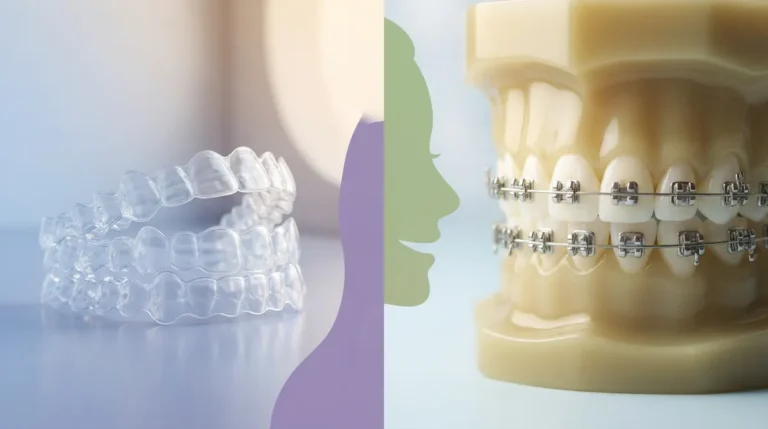
Metal braces remain a reliable, affordable, and effective option for many patients, especially kids and teens with more complex alignment needs. Ceramic braces offer a more subtle, tooth-colored look for patients who want something less noticeable. Learn more in our guide to types of braces.
WildSmiles Braces
For kids and teens who want to have fun with their treatment, WildSmiles Braces offer custom bracket shapes like stars, hearts, footballs, and even Mickey Mouse designs. When kids feel excited about their braces, they’re more likely to brush well, floss consistently, and avoid foods that could cause damage. The unique shapes also make it easier to spot leftover plaque, which helps kids and parents keep an eye on brushing habits.
LightForce Braces
LightForce Orthodontics is a fully digital bracket system that’s custom 3D printed for each patient’s teeth. Because every bracket is designed specifically for your smile, treatment can be up to 45% faster than traditional methods. The brackets also come in clear or white options, making them far less noticeable than standard metal braces. Dr. Segovia uses this advanced orthodontic technology to plan precise, efficient treatment from day one.
Clear Aligners and Angel Aligners
For patients who want a nearly invisible option, clear aligners are a popular choice. Angel Aligners, in particular, use a smart 7+3 wear schedule (seven days with a flexible tray, three days with a firmer one) to help speed up tooth movement. They also feature a frosted finish that reduces shine, plus flexible materials that feel gentler on gums and cheeks. Many patients love that Angel Aligners tend to cost less than premium alternatives while still using digital 3D treatment planning.
Here’s a simple side-by-side comparison to help you decide:
| Option | Visibility | Best For |
|---|---|---|
| Metal Braces | Most visible | Complex cases, kids, budget-conscious families |
| WildSmiles Braces | Visible, fun designs | Kids and teens who want personality in treatment |
| LightForce Braces | Subtle, clear/white options | Patients wanting speed and a discreet look |
| Angel Aligners | Nearly invisible | Adults and teens wanting discretion and comfort |
Step 3: Get a Proper Evaluation and Treatment Plan
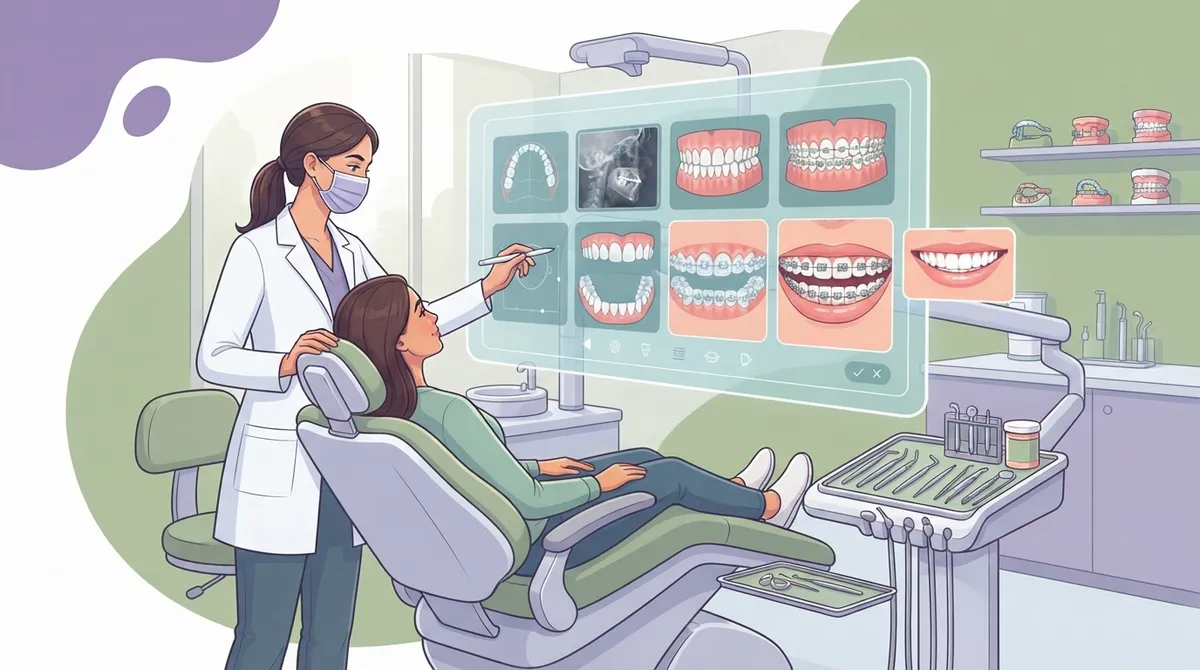
No two smiles are the same, so no two treatment plans should be either. A thorough evaluation typically includes a clinical exam, bite assessment, photos, digital scans or models, and X-rays if needed. Dr. Segovia considers your age, growth stage, oral health, and personal goals before recommending a path forward.
Here’s what a typical evaluation process looks like:
- Initial consultation and health history review
- Clinical exam of teeth, gums, and jaw alignment
- Digital scans, photos, or X-rays as needed
- Discussion of treatment goals and lifestyle needs
- Custom treatment plan with cost and timeline estimates
- Appliance selection and start date scheduling
If you’re nervous about what to expect, our article on your first orthodontic visit walks through the whole process step by step.
Step 4: Commit to the Daily Habits That Make Treatment Work
Here’s something people don’t always realize: braces and aligners don’t do all the work alone. Your daily habits matter just as much as the appliance itself. Orthodontic treatment works by applying gentle, steady pressure that slowly moves teeth and reshapes the bone around them. But that only works well when you do your part too.
To keep your treatment on track, make sure you:
- Brush after every meal, especially with braces
- Floss daily, using threaders or water flossers if needed
- Wear elastics or aligners exactly as instructed
- Avoid sticky, hard, or crunchy foods that can damage appliances
- Attend every scheduled adjustment appointment
- Wear a mouthguard during sports
Skipping these steps can slow down your progress or even undo work that’s already been done. Consistency really is the secret ingredient here.
Step 5: Don’t Skip Your General Dentist
This one surprises a lot of patients. Braces and aligners straighten teeth, but they don’t prevent cavities or gum disease on their own. The American Dental Association recommends continuing regular dental checkups during orthodontic treatment. Most patients with braces should see their general dentist every three to six months, while orthodontic adjustment visits are usually scheduled every six to ten weeks.
Think of it as a team effort: your orthodontist handles alignment, and your general dentist keeps everything else healthy. Together, they help you avoid problems like decalcification (white spots), cavities, and gum inflammation.
Step 6: Know What to Expect for Treatment Time
Patience is part of the process, but knowing the general timeline helps a lot. Most comprehensive orthodontic treatment lasts between one and three years, according to ADA guidance. Your exact timeline depends on your bite, your appliance, your growth, and how well you follow instructions.
Here’s a rough guide to common treatment lengths:
- Minor spacing or crowding: 6-12 months
- Moderate alignment or bite correction: 12-24 months
- Complex cases with jaw involvement: 24-36 months
- Retainer phase after active treatment: ongoing, often long-term
Faster options like LightForce Braces can shorten this timeline significantly for eligible patients, sometimes by as much as 45%.
Step 7: Plan for Life After Braces or Aligners
Finishing active treatment feels amazing, but the story doesn’t end there. Teeth naturally want to drift back toward their old positions, which is why orthodontic retainers are so important. Whether removable, fixed, or a combination of both, retainers protect your investment for years to come.
Skipping retainer wear is one of the most common (and avoidable) mistakes patients make. Treat your retainer like a nightly habit, similar to brushing your teeth, and your smile will stay put for the long haul.
Orthodontic Care for Every Life Stage
Good orthodontic care isn’t just for kids. Here’s how treatment needs shift across different life stages:
- Concerned parents: Want flexible scheduling, gentle communication, and treatment options that fit growing smiles.
- Young professionals: Often prefer discreet aligners that fit into busy work and social lives.
- Career-focused adults: Value efficient treatment that doesn’t disrupt their professional image.
- Life event planners: Want a straighter smile before a wedding, graduation, or big career milestone.
- Adult relapse patients: Ready to fix shifting teeth from years ago, often highly motivated and consistent with care.
Adult orthodontics has become incredibly common, and it’s never too late to invest in your smile. Bone and gum health matter more than age when it comes to eligibility.
Risks Worth Knowing About
No medical treatment is completely risk-free, and orthodontic care is no exception. Being informed helps you make smart choices and avoid surprises.
Possible risks include:
- White spot lesions or enamel decalcification from poor hygiene
- Increased cavity risk if brushing habits slip
- Gum inflammation or periodontal issues
- Root resorption in rare cases
- Temporary discomfort after adjustments
- Appliance breakage from certain foods or habits
- Relapse if retainers aren’t worn as directed
A skilled, board-certified orthodontist like Dr. Segovia will walk you through these risks during your consultation and help you avoid them with proper case selection and clear instructions. You can verify credentials through the American Board of Orthodontics, which certifies orthodontists who meet rigorous professional standards.
Why Families in Lakewood Ranch Choose Segovia Orthodontics
Dr. Flor Segovia offers bilingual care in English and Spanish, which makes a real difference for many families in the Lakewood Ranch and Bradenton area. The practice combines advanced technology, like LightForce’s digital bracket system, with a warm, family-friendly atmosphere. Whether your child needs early treatment or you’re an adult ready to finally fix relapse, the team focuses on personalized care rather than one-size-fits-all treatment plans. Learn more about why patients choose this practice for their orthodontic journey.
Curious what other patients think? You can visit us on Google — Segovia Orthodontics to read real reviews from Lakewood Ranch families. You can also follow along on our Facebook page or check out smile transformations on our Instagram page for a behind-the-scenes look at the practice.
Financing Your Orthodontic Care
Cost is often the biggest question mark for families and individuals considering treatment. According to a 2025 AAO economic report, patients who financed their treatment paid an average of $211 per month. Actual costs vary based on your case, appliance choice, and insurance coverage. Flexible orthodontic financing options can make treatment more manageable, spreading costs out over time instead of requiring a large upfront payment.
Ready to Start Your Orthodontic Care Journey?
Your smile deserves attention, care, and a team that genuinely listens to your goals. Whether you’re bringing in your 7-year-old for their first check, exploring discreet aligners before a big event, or finally addressing years of relapse, quality orthodontic care can change more than just your teeth—it can boost your confidence for years to come.
Ready to take the next step? Request an appointment today, or feel free to contact us with any questions. You can also simply call us at 941-557-1333 to speak with our friendly team and get started on your best smile yet.
FAQs
Q: What is orthodontic care and what problems does it treat?
A: Orthodontic care focuses on straightening teeth and fixing bite problems like overbites, underbites, and crowding. It also helps guide jaw growth in kids and improves how your teeth function for chewing and speaking. Think of it as care for both your smile’s looks and its health!
Q: When should my child first see an orthodontist?
A: The American Association of Orthodontists recommends a first check-up by age 7. Don’t worry, this doesn’t mean braces right away! It just gives us a chance to catch any developing issues early, while there’s still time to guide things in the right direction.
Q: How long does orthodontic treatment usually take?
A: Most comprehensive treatment takes about one to three years, though it really depends on your specific case. Faster options like LightForce Braces can sometimes cut treatment time by up to 45 percent. We’ll give you a personalized timeline estimate at your evaluation.
Q: Do I really need to wear a retainer after treatment?
A: Yes, and we can’t stress this enough! Teeth naturally want to shift back over time, so retainers protect all the hard work you put into treatment. Think of it as nightly maintenance, just like brushing your teeth.
Q: Can adults get orthodontic treatment, or is it too late?
A: It’s absolutely never too late! As long as your teeth, gums, and jawbone are healthy, adult orthodontic treatment works great. We see plenty of adults in Lakewood Ranch choosing discreet aligners or braces to finally get the smile they’ve always wanted.
Our Service Area