Key Takeaways
-
Most comprehensive teeth alignment treatment costs $3,000-$8,000, but your final price depends on case complexity, location, and treatment type chosen.
-
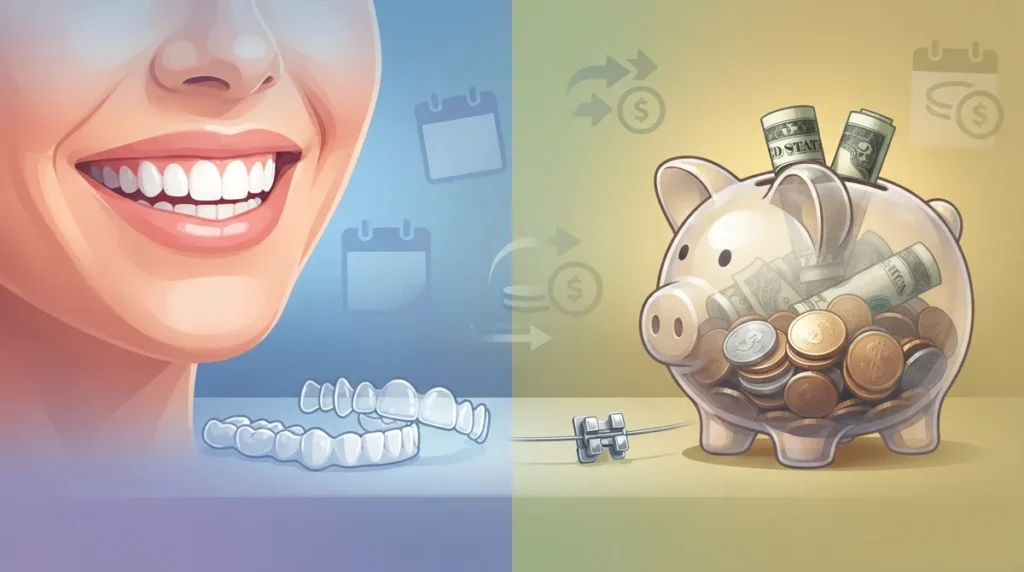
Clear aligners cost similarly to metal braces ($3,000-$7,000), so choose based on your lifestyle and bite needs rather than assuming aligners are cheaper.
-
Dental insurance typically covers 50% of orthodontic costs up to a lifetime maximum of $1,000-$3,000, which doesn't reset annually, so plan accordingly.
-
Case complexity matters significantly—minor crowding costs less than severe crowding or jaw issues; an in-person evaluation is essential before committing to any price.
-
Flexible monthly payment plans and FSA/HSA pretax funds can make treatment more affordable without paying the full cost upfront.
-
Advanced technology like 3D-printed brackets can reduce treatment time by up to 45%, potentially lowering total costs through fewer appointments.
Wondering what your new smile might cost? You’re not alone. Teeth alignment cost is one of the first questions almost every parent, professional, and bride-to-be asks us. And honestly, that’s a great question to ask before you commit to anything. The good news is that once you understand what goes into pricing, the whole process feels a lot less scary and a lot more doable.
At Segovia Orthodontics in Lakewood Ranch, we believe you deserve clear answers, not confusing jargon. Whether you’re a busy mom juggling carpool schedules, a young professional dreaming of a camera-ready smile, or an adult ready to fix that old relapse, this guide breaks down real numbers, real options, and real ways to save. Let’s dig into the 15 things you need to know about teeth alignment cost this year.
1. The National Average Range Might Surprise You
Most comprehensive teeth alignment treatment in the U.S. falls between $3,000 and $8,000 before insurance. That’s a big range, we know. But your final price depends on things like how complex your case is, where you live, and which treatment you choose. A quick orthodontic financing conversation early on can help you plan your budget with confidence.
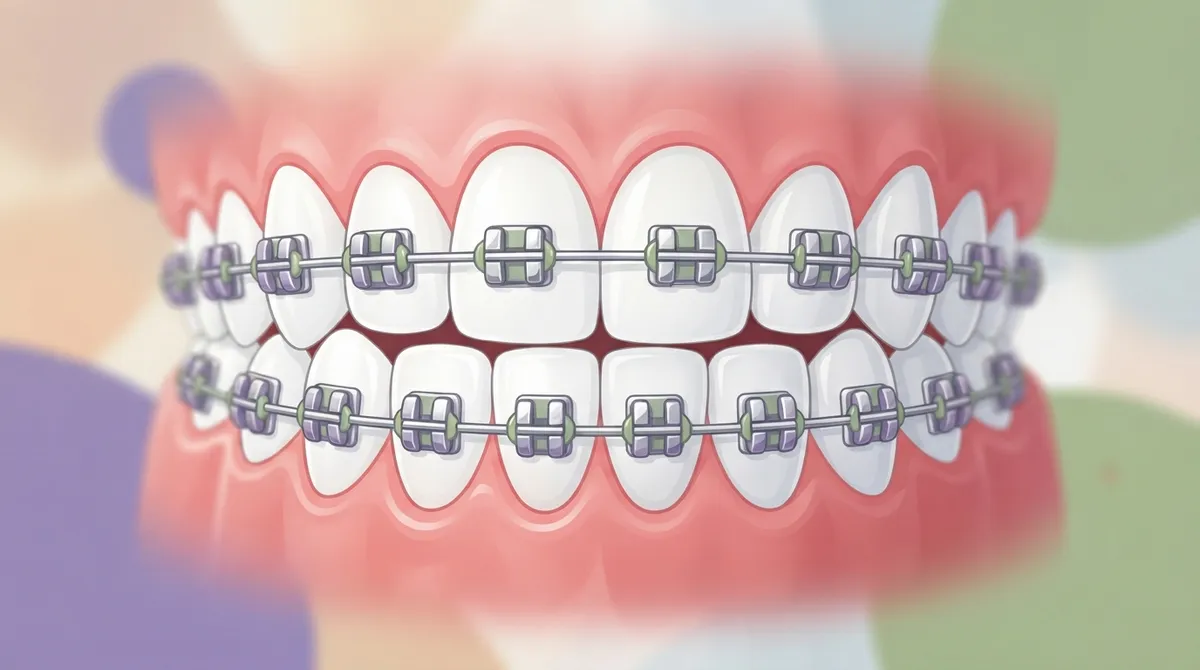
2. Metal Braces Still Offer Reliable Value
Traditional metal braces typically run about $3,000 to $7,000. They remain one of the most dependable options for correcting crowding, spacing, and bite issues. Many families still love them because they’re durable and often a bit more budget-friendly than other choices. Curious how they stack up? Check out our guide on why traditional metal braces are still a top choice.
3. Clear Aligners Aren’t Always Cheaper
Here’s a myth we hear a lot: clear aligners always cost less than braces. Not true! Clear aligners generally cost between $3,000 and $7,000, which is pretty similar to metal braces. The national average for clear aligner treatment in 2026 sits around $5,108. Your best option really depends on your bite, your lifestyle, and what your orthodontist recommends.
4. Ceramic and Lingual Braces Cost a Bit More
If you want a more discreet look, ceramic braces usually cost between $4,000 and $8,500. Lingual braces, which sit behind your teeth, can run $8,000 or more. These options are popular with career-focused adults who want effective treatment without anyone noticing. Learn more in our breakdown of types of braces and which one is right for you.
Quick Cost Comparison Table
| Treatment Type | Estimated Cost Range | Best For |
|---|---|---|
| Metal Braces | $3,000 – $7,000 | Kids, teens, budget-conscious families |
| Clear Aligners | $3,000 – $7,000 | Adults, professionals wanting discretion |
| Ceramic Braces | $4,000 – $8,500 | Teens and adults wanting a subtler look |
| Lingual Braces | $8,000+ | Patients wanting completely hidden braces |
5. Your Case Complexity Changes Everything
Minor crowding or small gaps might qualify for shorter, limited treatment at a lower price. But if you have severe crowding, rotated teeth, or jaw issues, expect more comprehensive (and pricier) care. This is exactly why an in-person evaluation matters so much before you commit to any price estimate.
6. What’s Actually Included in Your Quote
Not every quote is created equal. Before you sign anything, make sure you know what’s covered. A typical orthodontic fee often includes:
- Initial consultation and diagnostic records
- Custom treatment planning
- Braces or aligner trays
- Regular adjustment visits
- A set of retainers after treatment
Always ask if replacement retainers, emergency visits, or refinements cost extra. Getting this in writing saves you from surprise bills later. Our FAQ on orthodontic treatment covers even more of these details.
7. Insurance Can Help, But Know the Limits
Dental insurance with orthodontic benefits usually covers about 50% of eligible costs. But there’s a catch: it’s often capped at a lifetime maximum, typically between $1,000 and $3,000 per person. Unlike your annual dental benefit, this lifetime cap usually doesn’t reset each year, so use it wisely.
Common Insurance Terms to Know
- Coinsurance: The percentage your plan pays (often 50%)
- Lifetime maximum: The total dollar cap your plan will ever pay toward orthodontics
- Waiting period: Time you may need to wait before benefits kick in
- In-network requirement: Some plans only pay full benefits at approved providers
- Age restrictions: Some plans only cover orthodontics for patients under 18 or 19
8. Payment Plans Make Treatment More Accessible
Most families don’t pay the full cost upfront, and that’s completely normal. Many orthodontic offices, including ours, offer flexible monthly payment plans. This spreads the cost over the length of your treatment, so it feels much more manageable. To see your options, feel free to request an appointment and we’ll walk you through it together.
9. FSA and HSA Funds Can Stretch Your Budget
If you have a Flexible Spending Account or Health Savings Account, you might be able to use pretax dollars toward your treatment. This can save you real money since you’re not paying tax on those funds. It’s worth checking with your HR department before your treatment starts.
10. Adult Treatment Costs Aren’t Wildly Different from Teens
Good news for the grown-ups reading this: adult orthodontic treatment usually costs about the same as teen treatment. The price depends more on the complexity of your case than your age. Adults simply have more discreet options to choose from, like clear aligners or ceramic braces. See our guide on adult orthodontics to learn more about what’s available to you.
11. Direct-to-Consumer Aligners Can Be Riskier Than They Look
Mail-order aligner kits might seem cheaper at first glance. But without a licensed orthodontic evaluation, you risk missing bite problems or root positioning issues. A proper diagnosis matters more than a lower sticker price. This is one reason a hands-on evaluation from a trained provider is so valuable, as noted by the American Board of Orthodontics.
12. Retainers Are Part of the Total Investment
Don’t forget about life after braces or aligners! Retainers help keep your new smile in place, and they’re often included in your treatment cost. If you lose or damage one down the road, replacements do have an additional cost. Learn more about caring for yours with our guide to orthodontic retainers.
13. Advanced Technology Can Actually Save You Time and Money
At our Lakewood Ranch office, we use advanced orthodontic technology to make treatment more efficient. For example, LightForce Orthodontics uses fully digital, 3D-printed brackets custom-made for your teeth. This can reduce treatment time by up to 45%, which often means fewer appointments and less total cost over time.
14. Fun Options Exist for Kids Without Sacrificing Value
If you’re a parent trying to get your child excited about braces, you’re going to love this. Our WildSmiles Braces come in fun shapes like stars, hearts, and even Mickey Mouse. Kids who enjoy their braces tend to brush more, floss more, and stick to their treatment plan better. That means better results without any extra cost to you.
15. Angel Aligners Offer a Budget-Friendly Clear Option
For patients wanting a clear aligner option that’s easier on the wallet, Angel Aligners are worth asking about. They use AI-driven planning and a unique 7+3 wear schedule to speed up treatment. Many patients find them more affordable than premium aligner brands while still getting that same discreet, digital planning experience.
How Dr. Flor Segovia Makes Treatment More Affordable
Dr. Flor Segovia is a board-certified orthodontist who believes cost shouldn’t stand between you and a healthy smile. She offers bilingual care in English and Spanish, so language never gets in the way of understanding your options. Her practice focuses on creating personalized plans that fit both your smile goals and your budget. To learn more about her approach, visit our page on Orthodontist Flor Segovia.
Steps to Get an Accurate Cost Estimate
Ready to find out your actual number instead of guessing from online averages? Here’s how the process usually works:
- Schedule a consultation to discuss your smile goals
- Get a full evaluation, including digital scans or X-rays
- Receive a personalized treatment plan and written cost estimate
- Review your insurance benefits and financing options together
- Choose your treatment type and start date
This process usually takes just one visit, and it gives you real numbers instead of rough guesses. If you’d like to see what other patients say about their experience, check out Visit us on Google — Segovia Orthodontics for honest reviews from real Lakewood Ranch families.
Why Location and Provider Choice Matter
Prices can vary quite a bit depending on where you live and who you choose as your provider. A specialist with advanced technology and a strong reputation may charge differently than a general dentist offering orthodontics on the side. It’s worth learning the difference between a general dentist and an orthodontist before you decide who treats your smile.
- Board-certified orthodontists have specialized training beyond dental school
- Advanced technology can shorten treatment time and reduce visits
- A family-friendly office often serves all ages under one roof
- Flexible scheduling matters for busy parents and working professionals
- Bilingual care removes communication barriers for many families
Common Orthodontic Problems That Affect Your Price
Certain conditions tend to require more time and materials to correct properly. These include:
- Severe crowding or overlapping teeth
- Large gaps between teeth
- Overbites, underbites, or crossbites
- Impacted or unerupted teeth
- Jaw alignment discrepancies
If you’re noticing any of these issues, it helps to learn more about common orthodontic problems before your first visit. This way, you’ll walk into your consultation already informed and ready with good questions.
We also recommend following our Facebook page and our Instagram page for real patient transformations, financing tips, and fun updates from our Lakewood Ranch office.
Bringing It All Together
Teeth alignment cost doesn’t have to feel like a mystery anymore. Now you know what affects pricing, what’s usually included, and how insurance and financing can help. Whether you’re considering braces for your child, discreet aligners for yourself, or a fix for old relapse, there’s a treatment path that fits your life and your budget. We’d love to help you build a personalized plan at our Lakewood Ranch practice. Ready to get real numbers for your smile? Contact us today, or simply call us at 941-557-1333 to schedule your consultation and take the first step toward a smile you’ll love.
FAQs
Q: How much does it cost to straighten teeth without insurance?
A: Without insurance, most comprehensive treatment runs between $3,000 and $8,000, depending on your case and treatment type. Don’t worry though, many offices offer payment plans that break this down into manageable monthly amounts. We’re always happy to walk you through your options during a free consultation.
Q: Are braces or clear aligners cheaper?
A: Honestly, they’re often priced pretty similarly! Both typically fall in the $3,000 to $7,000 range, so the right choice usually comes down to your bite, lifestyle, and personal preference rather than cost alone.
Q: Does dental insurance cover braces and Invisalign?
A: Many dental plans with orthodontic benefits cover about 50% of costs up to a lifetime maximum, often between $1,000 and $3,000. Coverage details vary a lot by plan, so it’s always smart to verify your benefits before starting treatment.
Q: Are retainers included in the orthodontic treatment price?
A: In most cases, yes! Your initial set of retainers is typically bundled into your total treatment cost. Just keep in mind that replacement retainers down the road usually cost extra, so taking good care of them really pays off.
Q: What payment plans or accounts can help pay for treatment?
A: Many practices, including ours, offer flexible monthly payment plans to spread out the cost. You can also use pretax funds from a Flexible Spending Account or Health Savings Account if you have one available through your job.
Our Service Area