Key Takeaways
-
Braces and clear aligners cost surprisingly similar amounts ($3,000–$8,000), so case complexity matters far more than which appliance you choose when determining your final bill.
-
Insurance typically covers 50% of orthodontic treatment up to a $1,500–$3,000 lifetime maximum, and monthly financing plans can reduce out-of-pocket costs to $150–$350 per month after a down payment.
-
Clear aligner compliance is critical—wearing them only 20–22 hours daily is required, and skipped days or lost trays can extend treatment and add replacement costs, making braces better for patients who struggle with consistency.
-
Ceramic braces ($4,000–$8,500) and lingual braces ($8,000–$13,000+) cost significantly more than metal braces, while budget aligner brands like Angel Aligners can offer comparable results to premium options at lower prices.
If you have been Googling “braces vs aligners cost” late at night while comparing quotes, you are not alone. Whether you are a mom trying to budget for your teen’s smile, a young professional dreaming of straighter teeth before a big wedding, or an adult whose teeth shifted back years after braces, cost is usually the first question. The good news? You are about to get clear, honest answers without the confusing jargon.
At Segovia Orthodontics in Lakewood Ranch, we know that choosing between braces and clear aligners is about more than price tags. It is about finding a treatment that fits your life, your budget, and your smile goals. So let’s break down the real numbers, the hidden factors, and what actually drives your final bill in 2026.
1. Braces and Aligners Often Cost About the Same
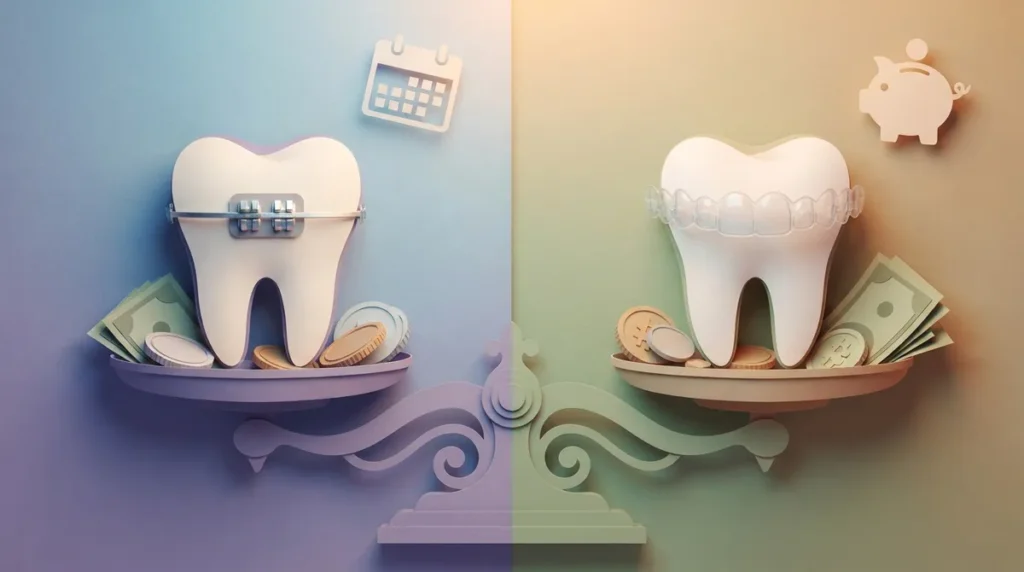
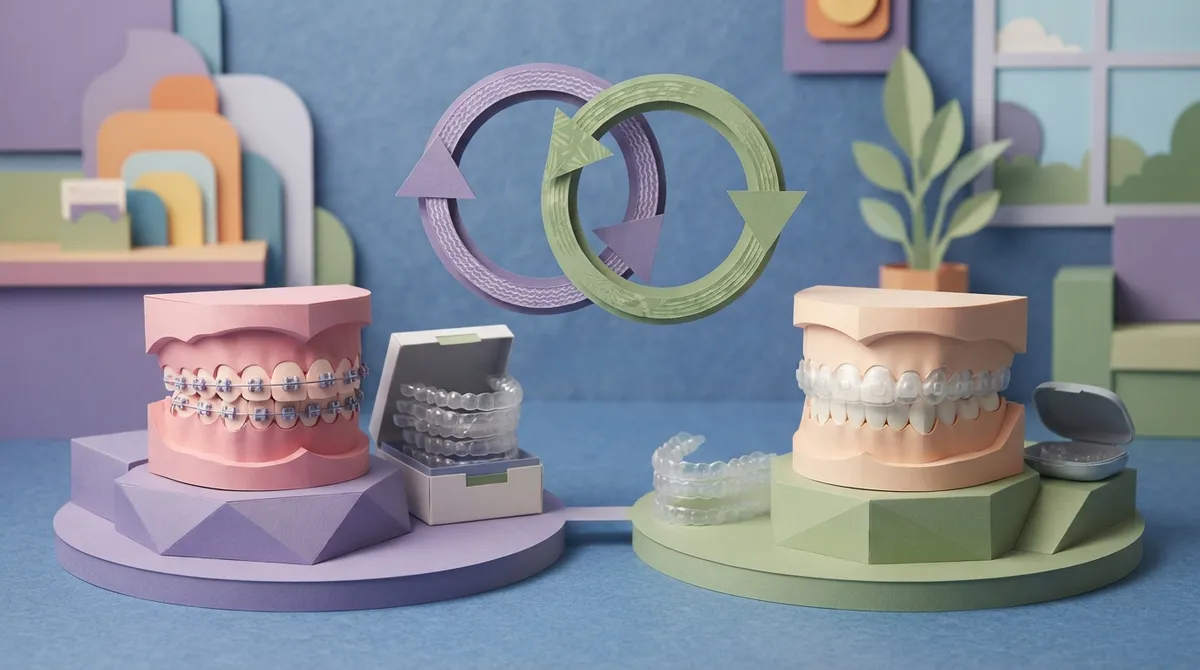
Here’s a fact that surprises a lot of people: braces are not automatically cheaper than clear aligners. In the United States, comprehensive orthodontic treatment typically runs between $3,000 and $8,000 before insurance. Traditional metal braces usually fall between $3,000 and $7,500, while comprehensive clear aligner treatment often costs between $3,500 and $8,000.
Notice how much those ranges overlap? That means your final price depends far more on your specific case than on which appliance you choose. One published 2023–2024 cost study even reported a national average of $6,343 for metal braces, with quotes ranging from $2,500 to $10,000 depending on location and complexity.
Quick Price Comparison Table
| Treatment Type | Typical Cost Range | Average Treatment Time |
|---|---|---|
| Metal Braces | $3,000 – $7,500 | 12 – 30 months |
| Ceramic Braces | $4,000 – $8,500 | 12 – 30 months |
| Lingual Braces | $8,000 – $13,000+ | 18 – 36 months |
| Comprehensive Clear Aligners | $3,500 – $8,000 | 6 – 24 months |
If you’re weighing your options, our guide on braces vs. clear aligners breaks down which treatment might suit your smile best.
2. What Drives the Price More Than the Appliance Itself
Case complexity usually matters more than whether you pick brackets or trays. Here are the biggest cost factors orthodontists consider:
- How much crowding or spacing needs correcting
- Whether your bite needs significant adjustment
- If tooth extractions or impacted teeth are involved
- How long your treatment is expected to last
- Where you live, since pricing varies by region
- What is included in the fee, like retainers and check-ups
Severe cases almost always cost more, no matter which option you choose. That’s why an in-person evaluation matters so much. Our team offers a first orthodontic visit where Dr. Segovia examines your smile and gives you a personalized estimate, not just a generic number pulled from the internet.
3. Ceramic and Lingual Options Cost More
If you are considering a more discreet look, it helps to know the price jump. Ceramic braces, which use tooth-colored brackets, typically cost between $4,000 and $8,500. Lingual braces, which sit behind your teeth and are nearly invisible from the front, are usually the priciest option at $8,000 to $13,000 or more.
Career-focused professionals often ask about these options because they want treatment that won’t stand out in meetings or on video calls. Our types of braces page walks through each style so you can compare comfort, visibility, and cost side by side.
Fun, Kid-Friendly Options Don’t Have to Break the Bank
For younger patients, we also offer WildSmiles Braces, which feature fun bracket shapes like stars, hearts, and even Mickey Mouse designs. Kids who enjoy their braces tend to brush more consistently and stick with treatment better, which can actually help avoid extra costs from delays or relapse.
4. Clear Aligners: Not Just About Sticker Price
Clear aligners can be a fantastic option for many patients, especially young professionals and life event planners who want a treatment that fits their schedule and image. But cost-wise, it is important to compare apples to apples.
A comprehensive cost compilation reported an average uninsured price of about $5,108 for clear aligners, with a broad range of $1,800 to $8,100. That wide range exists because aligner treatment varies dramatically based on case complexity and provider.
Here are five things that affect your aligner price:
- The severity of your misalignment or bite issue
- The number of aligner trays needed to complete treatment
- Whether refinement trays are included in the price
- How often you need in-office monitoring visits
- Whether retainers are bundled into the final cost
At our office, we also offer clear aligners including Angel Aligners, which use a smart “7+3” wear schedule to help speed up tooth movement while often costing less than premium aligner brands.
5. Why Compliance Changes the Real Cost
Aligners only work if you wear them. Most orthodontists recommend wearing clear aligners 20 to 22 hours a day. If you skip days or lose trays, treatment can take longer and may require replacement aligners, which adds cost.
Busy parents juggling carpool schedules and after-school activities sometimes worry about whether their teen will stay on track. That’s a fair concern! Here’s a simple checklist to help keep aligner treatment on budget:
- Set phone reminders for putting aligners back in after meals
- Keep a case handy so trays don’t get lost at school or work
- Track wear time using an app if your provider offers one
- Attend all scheduled check-ins to catch issues early
- Ask about warranties for lost or broken trays before starting
Traditional braces, on the other hand, do not rely on patient compliance in the same way. That is why they are often preferred for more complex bite corrections or younger patients who might not remember to wear aligners consistently. Explore our LightForce Orthodontics option for a fully digital, custom-fitted braces experience that can reduce treatment time by up to 45%.
6. Insurance, Financing, and the Real Out-of-Pocket Number
Dental insurance can make a real difference, but it works differently for orthodontics than for regular dental care. Most plans use a lifetime orthodontic maximum instead of a yearly one, often somewhere between $1,500 and $3,000. Many plans cover roughly 50% of eligible treatment up to that lifetime cap.
Since every plan is different, it’s smart to confirm your specific benefits before committing. Adult relapse patients especially should double check age limits and waiting periods, since some plans restrict adult orthodontic coverage.
Financing can help bridge the gap. A treatment fee of $4,000 to $8,000 spread over 18 to 24 months may work out to roughly $150 to $350 per month after a down payment. That’s just an example, but it shows how manageable monthly payments can be. Learn more about your options on our orthodontic financing page.
Comparing Payment Approaches
| Payment Method | Best For | Key Consideration |
|---|---|---|
| Insurance + Down Payment | Families with orthodontic coverage | Confirm lifetime maximum and age limits |
| In-House Payment Plan | Patients without insurance | Often interest-free, ask about terms |
| Full Payment Upfront | Patients seeking possible discounts | Ask if a prompt-pay discount is offered |
Beware of low-cost, direct-to-consumer aligner offers that skip regular orthodontist supervision. A meaningful price comparison should always include exams, monitoring visits, refinements, and retainers, not just the sticker price of the trays. Comprehensive, orthodontist-supervised care is generally safer and more predictable for lasting results, a standard supported by the American Board of Orthodontics.
Making the Right Choice for Your Smile and Budget
So, braces or aligners? The honest answer is: it depends on your bite, your lifestyle, and what matters most to you. Traditional braces are often better suited for complex movements, while aligners appeal to those who value removability and a nearly invisible look. Either way, the best next step is a professional evaluation, not a guess based on price alone.
Curious what other patients experience? You can visit us on Google — Segovia Orthodontics to read real reviews from Lakewood Ranch families. You can also follow along on our Facebook page or check out smile transformations on our Instagram page for daily inspiration.
Dr. Flor Segovia, a board certified orthodontist, offers bilingual care and uses advanced orthodontic technology to give every patient, from kids to adults, an accurate cost estimate and a treatment plan built around their life. Learn more about her background on our orthodontist Flor Segovia page.
Ready to Get Your Personalized Cost Estimate?
The only way to know your true braces vs aligners cost is through a real consultation. Our friendly Lakewood Ranch team is ready to walk you through your options, answer your questions, and help you find a plan that fits your budget. Request an appointment today, or feel free to call us at 941-557-1333 to get started on your smile journey.
FAQs
Q: Are braces or clear aligners cheaper?
A: Honestly, it depends on your case! Braces typically run $3,000–$7,500, while comprehensive clear aligners run $3,500–$8,000. Since these ranges overlap so much, your specific treatment needs matter more than which option you pick.
Q: Does dental insurance cover braces and aligners?
A: Many insurance plans cover both, often around 50% up to a lifetime maximum of $1,500–$3,000. Coverage varies a lot by plan, so it’s always worth calling your insurer to confirm your exact benefits before you start treatment.
Q: Are retainers included in the price I’m quoted?
A: Sometimes, but not always! It’s a great question to ask upfront. At your consultation, we’ll walk you through exactly what’s included, from your first scan to your final retainer, so there are no surprises later.
Q: Is a cheap at-home aligner plan as good as orthodontist-supervised treatment?
A: Not usually. Lower-cost, direct-to-consumer aligners often skip regular in-person monitoring, which can lead to complications going unnoticed. Comprehensive, orthodontist-supervised treatment includes exams, adjustments, and follow-up care that truly protect your results.
Q: What makes orthodontic treatment cost more overall?
A: The biggest factors are how complex your case is, how long treatment takes, and where you live. Extractions, severe crowding, and bite corrections tend to raise costs more than simply choosing braces over aligners, or vice versa.
Our Service Area