Key Takeaways
-
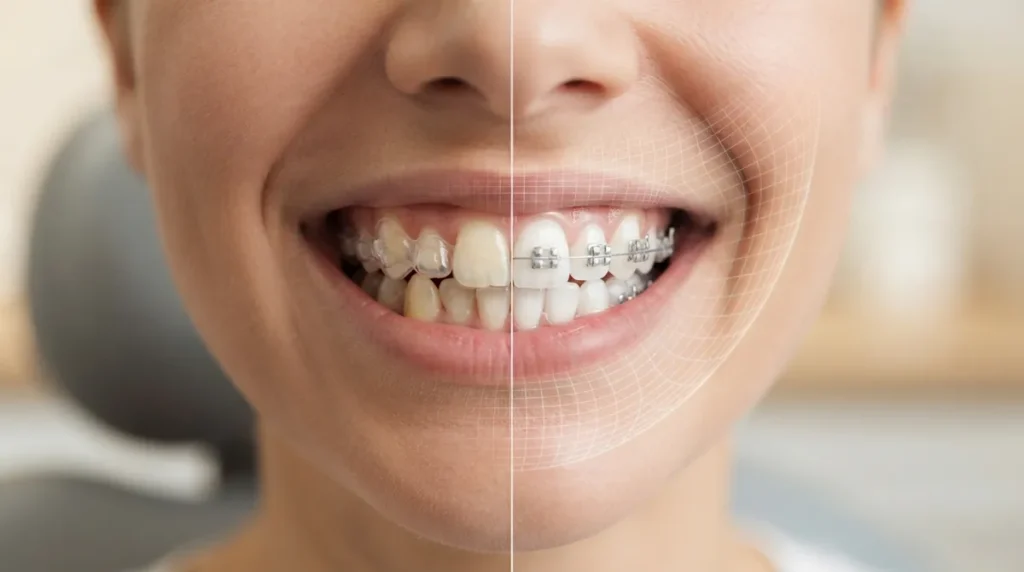
Clear aligners can now treat mild to moderate misalignment comparably to braces, but require 20-22 hours daily wear compliance, making them ideal for busy professionals who can commit to consistent use.
-
Metal braces remain the gold standard for severe crowding and complex bite corrections, while custom 3D-printed LightForce brackets can speed up treatment by up to 45% compared to traditional brackets.
-
Early orthodontic evaluation around age 7 can catch developing jaw problems before they worsen, and functional appliances work best when used during childhood before the jawbone finishes developing.
-
Average treatment takes about two years, but severity matters: minor cases finish in months while complex cases with jaw involvement may take 24+ months plus surgery recovery if needed.
-
Untreated misalignment increases cavities, gum disease, jaw pain, speech difficulties, and enamel wear; retention with prescribed retainers is essential for years after active treatment to prevent relapse.
-
Crowding can often be resolved without tooth extraction through arch expansion, controlled tooth movement, or slight tooth reshaping—extraction is only considered when truly necessary.
Noticing crowded, gapped, or crooked teeth in the mirror? You’re not alone, and you’re definitely not stuck with it. Misaligned teeth treatment has come a long way, and today’s options fit real lives, whether you’re a busy parent juggling carpool schedules, a professional prepping for a big presentation, or someone getting ready to walk down the aisle. At Segovia Orthodontics in Lakewood Ranch, Dr. Flor Segovia and her team help patients of every age find a path to a straighter, healthier smile that actually fits their schedule and budget.
This guide walks you through what misaligned teeth really are, why they happen, and which treatments might work best for your situation. We’ll cover braces, clear aligners, retainers, and even jaw surgery for more complex cases. By the end, you’ll feel confident about your next step.
What Does “Misaligned Teeth” Actually Mean?
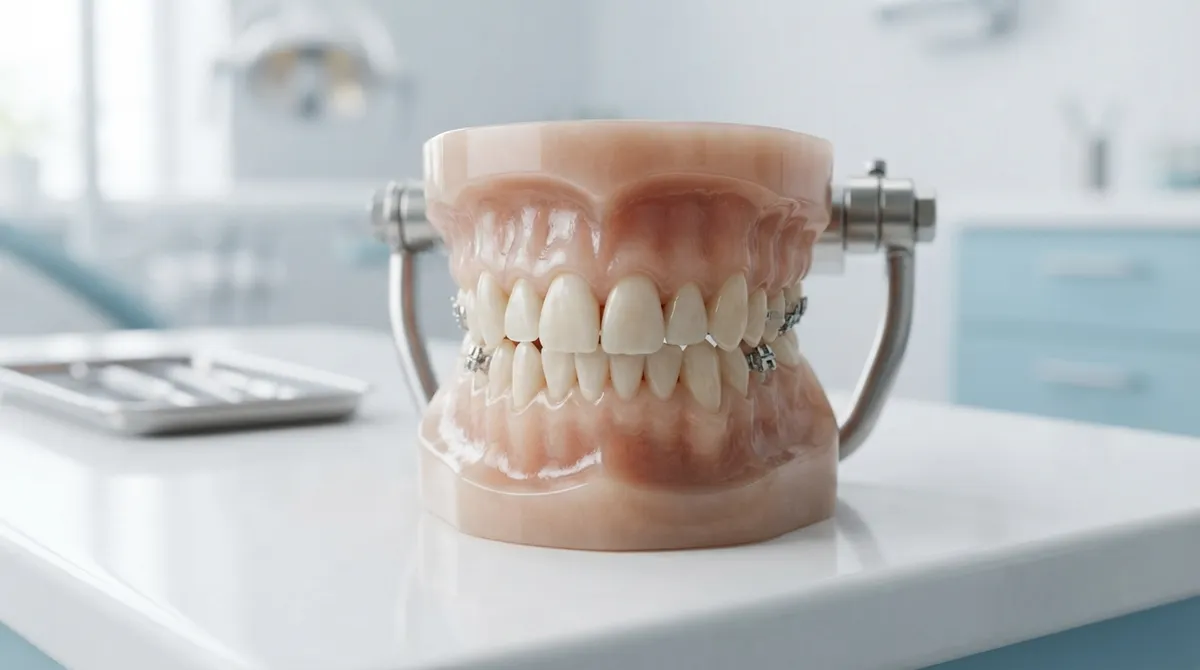
Orthodontists use the word malocclusion to describe misaligned teeth. It simply means your upper and lower teeth or jaws don’t line up the way they should. This isn’t just a cosmetic issue. Misalignment can affect how you chew, speak, and even breathe.
According to the Cleveland Clinic, malocclusion is one of the most common oral health conditions people deal with. Here are the main types you might recognize:
- Crowding: Teeth don’t have enough room, so they twist or overlap.
- Spacing: Gaps show up between teeth.
- Overbite: Upper teeth stick out too far over the lower teeth.
- Underbite: Lower teeth sit in front of the upper teeth.
- Crossbite: Some upper teeth sit inside the lower teeth instead of outside.
- Open bite: Upper and lower teeth don’t touch when your mouth is closed.
- Excessive overjet: Front teeth jut out noticeably.
What Causes Teeth to Become Misaligned?
Misaligned teeth usually come from a mix of genetics and habits. Knowing the cause helps your orthodontist plan the best treatment. Common contributors include:
- Inherited differences in jaw size or tooth size
- Losing baby teeth too early
- Impacted or missing adult teeth
- Long-term thumb-sucking or pacifier use
- Mouth breathing during childhood
- Certain craniofacial conditions present at birth
Not every case needs treatment right away. Orthodontic care becomes more important when misalignment affects chewing, speech, hygiene, or comfort. Learning more about common orthodontic problems can help you understand what’s normal and what needs a professional look.
How Orthodontists Diagnose Misaligned Teeth
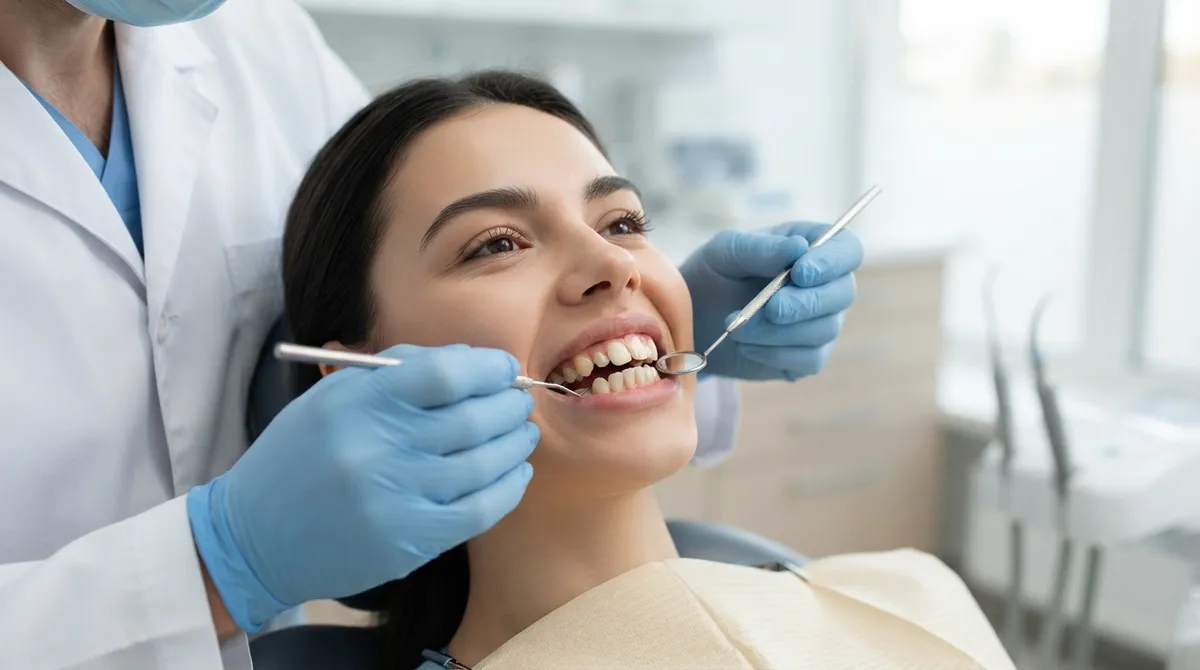
A proper diagnosis is the foundation of good treatment. Here’s what typically happens during an orthodontic evaluation:
- A clinical exam of your teeth, gums, and jaw
- A bite analysis to see how your teeth meet
- Photographs of your smile and facial structure
- Digital scans or impressions of your teeth
- Dental X-rays, when needed, to see roots and jawbone
Dr. Segovia reviews tooth position, jaw relationships, available space, gum health, and your growth stage before recommending a plan. If you want to know exactly what to expect, check out our page on your first orthodontic visit.
Main Treatment Options for Misaligned Teeth
There isn’t a one-size-fits-all fix. The best option depends on your specific bite issue, age, and lifestyle. Here’s a breakdown of the most common treatments.
1. Traditional Metal Braces
Metal braces remain a reliable choice for complex cases. They give orthodontists precise control over tooth movement, which matters for severe crowding or major bite corrections. Kids and teens often enjoy WildSmiles Braces, which use fun bracket shapes like stars, hearts, and even Mickey Mouse designs to make treatment exciting instead of stressful.
2. LightForce Custom Braces
For patients who want precision with a more discreet look, LightForce Orthodontics offers fully custom, 3D-printed brackets designed specifically for your teeth. This technology can speed up treatment time by up to 45% compared to traditional one-size-fits-all brackets, and the clear or white bracket options blend in naturally with your smile.
3. Clear Aligners
Clear aligners are removable trays that gradually shift teeth into place. They’re popular with adults and busy professionals who want a nearly invisible option. Angel Aligners, available at our practice, use an AI-driven “7+3” wear schedule that can speed up movement while keeping costs lower than many premium brands. Explore our clear aligners page to see if this fits your goals.
4. Functional or Orthopedic Appliances
These devices guide jaw growth in growing children. They work best when used early, before the jawbone finishes developing.
5. Palatal Expanders
Expanders widen a narrow upper jaw, creating more room for teeth. This is common in younger patients still going through growth.
6. Retainers
After active treatment, retainers keep your teeth from shifting back. Learn more about orthodontic retainers and why they’re essential for long-term results.
Braces vs. Clear Aligners: Which Should You Choose?
This is one of the most common questions patients ask. A 2025 expert consensus review noted that clear aligner indications are now broadly comparable to fixed braces for many cases, though severity and compliance still matter. Here’s a quick comparison:
| Factor | Traditional/Custom Braces | Clear Aligners |
|---|---|---|
| Visibility | Noticeable (unless ceramic) | Nearly invisible |
| Removability | Fixed, not removable | Removable for eating and brushing |
| Best for | Severe crowding, complex bites | Mild to moderate misalignment |
| Compliance needed | Low (always working) | High (must wear 20-22 hrs/day) |
| Diet restrictions | Yes, several foods to avoid | None, remove before eating |
If you’re still weighing your options, our detailed comparison on braces vs. clear aligners breaks down more specifics for your situation.
Treatment Options by Age Group
Age plays a big role in which treatment makes the most sense. Here’s how care typically differs:
- Children (ages 7+): Early evaluation helps catch developing jaw problems before they get worse. Learn about early orthodontic treatment and why timing matters.
- Teens: Most comprehensive treatment happens here, once permanent teeth have erupted. See our page on teen orthodontic treatment designed around busy school and activity schedules.
- Adults: It’s never too late. Adults can pursue treatment at almost any age if gum health and bone support are good. Visit our adult orthodontics page to learn about discreet options.
How Crowded Teeth Get Fixed
Crowding is one of the most common issues we see. Space can be created in several ways, and extraction isn’t always the answer. Options include:
- Arch expansion using a palatal expander
- Controlled tooth movement with braces or aligners
- Interproximal reduction (slight reshaping between teeth)
- Selective tooth extraction, only when truly necessary
Each case is different, so your orthodontist will decide the best route after reviewing your scans and X-rays.
What About Severe Jaw Discrepancies?
Some cases involve more than just crooked teeth. When the jaw itself is too far forward, backward, or misaligned, braces alone might not be enough. In these situations, orthodontic treatment paired with orthognathic (jaw) surgery may be recommended. This combined approach corrects the skeletal issue while braces align the teeth for a functional, comfortable bite.
How Long Does Misaligned Teeth Treatment Take?
Treatment time varies widely based on severity. According to the Cleveland Clinic, malocclusion treatment takes about two years on average, though minor cases may finish in just a few months. The NCBI InformedHealth review notes that active treatment plus retention can total three to four years total, depending on your needs.
Here’s a general timeline breakdown:
- Minor spacing or crowding: A few months to a year
- Moderate bite issues: 12 to 24 months
- Complex cases with jaw involvement: 24+ months, plus surgery recovery if needed
- Retention phase: Ongoing, often for years to prevent relapse
Caring for Your Smile During Treatment
Good hygiene habits matter more than ever once you start treatment. Fixed appliances like braces can trap food and plaque if you’re not careful. Follow these tips to protect your smile:
- Brush after every meal, especially around brackets and wires
- Use interdental brushes or floss threaders daily
- Avoid sticky, hard, or crunchy foods that can damage appliances
- Keep up with regular dental checkups alongside orthodontic visits
- Wear your retainer exactly as instructed once braces come off
Poor hygiene during treatment increases the risk of cavities, enamel demineralization, and gum inflammation. Our guide on all about braces offers more day-to-day care tips.
Why Retention Matters After Treatment
Once your active treatment ends, your teeth are still settling into their new positions. That’s where retainers come in. Whether removable or fixed, retainers reduce the risk of relapse. Your orthodontist will determine how often and how long you need to wear yours, and this schedule may extend for years.
What Happens If You Skip Treatment?
Ignoring misaligned teeth doesn’t make the problem go away. Over time, untreated malocclusion can lead to:
- Increased risk of cavities from hard-to-clean areas
- Gum disease from plaque buildup
- Jaw pain or headaches from an uneven bite
- Speech difficulties
- Uneven wear on tooth enamel
- Lower confidence in social or professional settings
Prevalence estimates vary widely, ranging from about 11% to 93% depending on population and diagnostic methods, but researchers agree malocclusion is one of the most common oral conditions worldwide. Getting evaluated early can save you time, money, and discomfort down the road.
Why Choose Segovia Orthodontics for Misaligned Teeth Treatment
Dr. Flor Segovia is a board certified orthodontist, meaning she’s met rigorous standards set by the American Board of Orthodontics. She combines advanced orthodontic technology with a warm, family-friendly approach, offering bilingual care in English and Spanish for families throughout Lakewood Ranch.
Whether your child needs early intervention, your teen wants discreet aligners, or you’re an adult ready to finally fix that old relapse, our team tailors every plan to fit your life. Curious what other patients think? You can visit us on Google — Segovia Orthodontics to read real reviews, or check out our Facebook page and our Instagram page for smile transformations and office updates.
Steps to Get Started With Treatment
Ready to take the next step? Here’s a simple roadmap:
- Schedule a consultation to discuss your concerns
- Complete a full orthodontic evaluation with scans and X-rays
- Review your custom treatment plan and options
- Ask about financing to fit your budget, including orthodontic financing plans
- Begin treatment and attend scheduled adjustment visits
- Transition into retention once active treatment ends
Ready to Start Your Smile Journey?
Misaligned teeth don’t have to hold you back from feeling confident. Whether you need traditional braces, custom LightForce brackets, or clear aligners, there’s a treatment path built for your life and your goals. Our friendly Lakewood Ranch team is ready to guide you every step of the way.
Don’t wait to get the smile you deserve. Request an appointment today, or feel free to call us at 941-557-1333 to talk with our team about your options.
FAQs
Q: What is the best treatment for misaligned teeth?
A: It really depends on your specific bite issue and how severe it is. Mild crowding might respond well to clear aligners, while complex bite problems often need traditional or custom braces. The best way to find out is through a full evaluation, so our team can build a plan just for you.
Q: Can clear aligners fix crowded or crooked teeth?
A: Yes, clear aligners can handle many mild to moderate cases of crowding and crookedness. They work best when you wear them consistently, about 20 to 22 hours a day. For more severe crowding, braces sometimes offer more predictable results.
Q: At what age should a child see an orthodontist for misaligned teeth?
A: Most orthodontists, including our team, recommend an early evaluation around age 7. This helps catch developing jaw or spacing issues while there’s still room to guide growth naturally, even if full treatment doesn’t start right away.
Q: How long does treatment for misaligned teeth take?
A: On average, active treatment takes about two years, though minor cases can wrap up in just a few months. More complex cases involving jaw correction may take longer, and you’ll also need a retention period afterward to keep your new smile in place.
Q: Will I need tooth extraction or jaw surgery to fix my bite?
A: Not necessarily! Many crowding issues get resolved through expansion or careful tooth movement, without pulling any teeth. Jaw surgery is only considered for severe skeletal discrepancies that braces alone can’t correct, and your orthodontist will always explore other options first.
Our Service Area