Key Takeaways
-
Braces soreness peaks within 24-48 hours after placement or adjustment, then steadily declines over 7 days; most patients experience only mild aching rather than sharp pain.
-
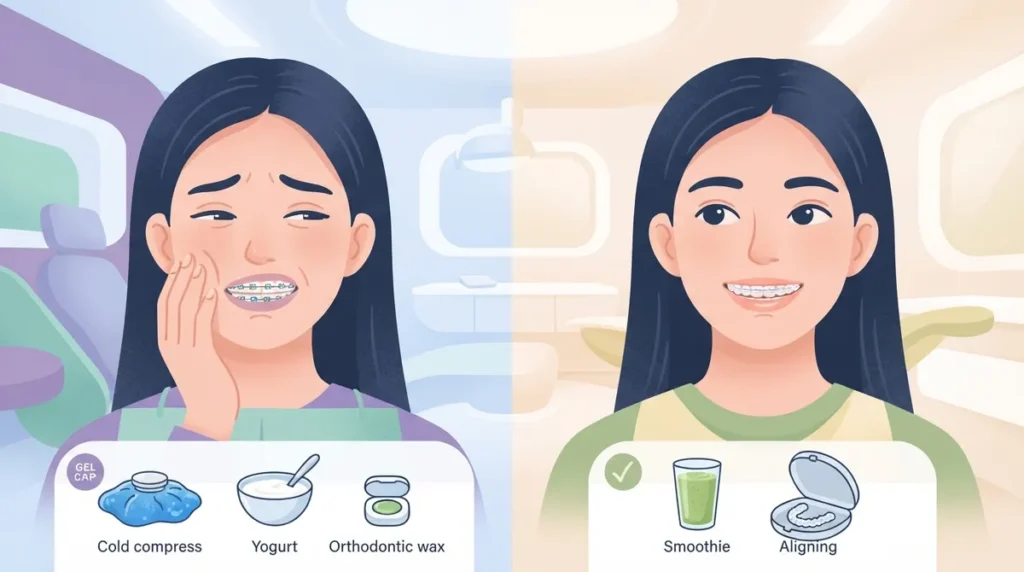
Apply orthodontic wax to irritated areas, use cold compresses for 15-20 minutes, rinse with warm salt water, and eat soft foods for the first few days to manage discomfort quickly.
-
Clear aligners like Angel Aligners typically cause similar mild discomfort to braces, but with rare soft tissue irritation due to smooth, frosted finishes and no sharp wires or brackets.
-
Contact your orthodontist if pain lasts longer than a week, worsens over time, or involves broken brackets, severe swelling, bleeding gums, or signs of infection.
-
For children, use soft foods and cold treats before appointment day, keep orthodontic wax accessible, schedule appointments on less busy days, and praise their oral care efforts to ease discomfort.
-
Custom-fit options like LightForce 3D-printed brackets and specialized tray schedules (like Angel Aligners' 7+3 design) can reduce irritation and potentially shorten treatment time by up to 45%.
So you’re wondering, “do braces hurt?” You’re definitely not alone. This is one of the most common questions parents and adults ask before starting orthodontic treatment. The good news? Most soreness from braces is mild, short-lived, and totally manageable. But how does that discomfort compare to clear aligners like Angel Aligners? Let’s break it down together, so you know exactly what to expect no matter which path you choose.
Whether you’re a mom scheduling braces for your teenager, a young professional considering clear aligners before a big career move, or an adult ready to fix a smile that shifted after your last treatment, understanding the comfort differences matters. At Segovia Orthodontics in Lakewood Ranch, Dr. Flor Segovia and her team help patients of every age feel confident and comfortable throughout treatment. Let’s get into what braces pain actually feels like, how it compares to aligner discomfort, and simple ways to feel better fast.
Do Braces Hurt When They’re First Put On?
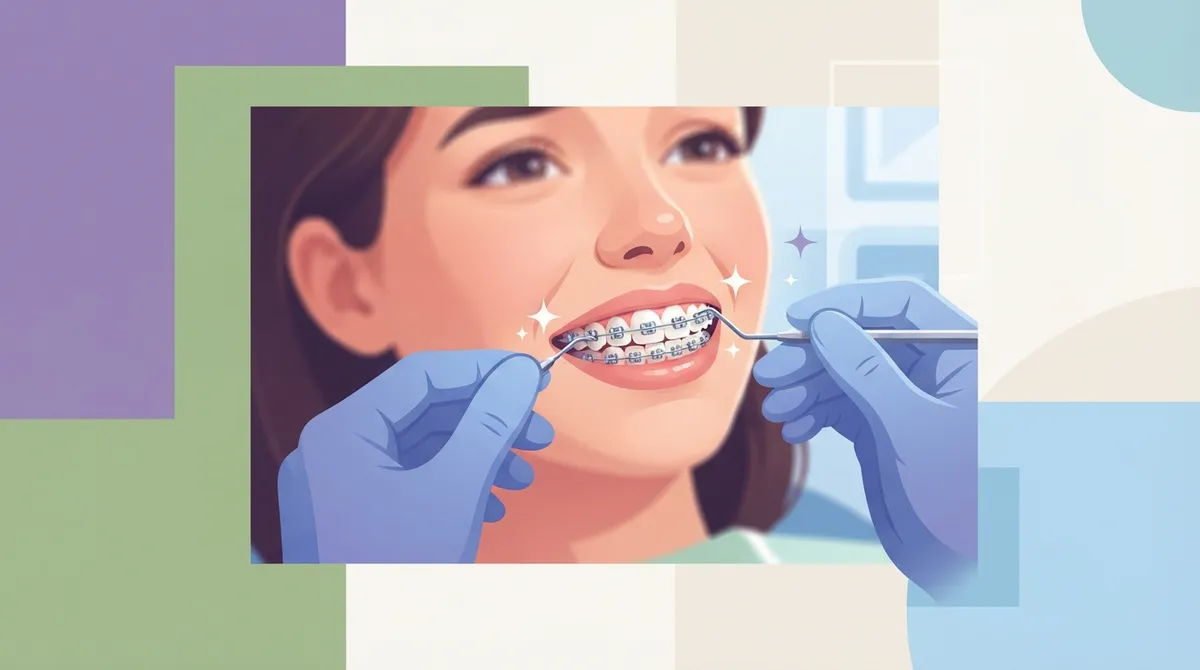
Here’s some reassuring news: getting braces put on typically doesn’t hurt at all. The brackets are bonded right onto your teeth, and the archwire slides into place without any drilling or cutting. Most patients feel little to nothing during the actual appointment.
The soreness usually shows up later, several hours after you leave the office. Your teeth are adjusting to new pressure, and that’s when mild aching can begin. This is completely normal and a sign that your teeth are starting to move into their ideal positions.
What Does Braces Pain Actually Feel Like?
Most patients describe it as a dull ache or pressure, not sharp pain. Think of it like the soreness you feel after a good workout, except it’s happening in your jaw and teeth instead of your muscles.
There are actually two different types of discomfort you might notice:
- Pressure or tenderness in the teeth and jaw as they shift position
- Irritation on the cheeks, lips, tongue, or gums where brackets and wires rub against soft tissue
Both types are common, and both have simple solutions we’ll cover shortly. If you’re curious about the full picture, our guide on all about braces covers everything from placement day to your final reveal.
How Long Does Braces Soreness Really Last?
According to the American Association of Orthodontists, soreness after placement or an adjustment is usually mild and tends to peak within the first 24 to 48 hours. After that, it typically fades over the next few days.
A Cochrane review of orthodontic pain studies backs this up. Researchers found that pain commonly peaks around the day after braces are placed, then declines steadily. By about 7 days, most patients report their discomfort has dropped substantially.
Here’s a simple timeline of what most patients experience:
- Day 1: Little to no discomfort right after placement
- Day 2 to 3: Peak soreness, tenderness when chewing
- Day 4 to 5: Discomfort starts easing noticeably
- Day 6 to 7: Soreness mostly resolved for most patients
- Ongoing: Mild tenderness only after adjustment visits
The NHS offers similar guidance, noting that teeth may feel sore for a few days after braces are fitted. They recommend soft foods and appropriate pain relief, and suggest contacting your orthodontist if discomfort continues well beyond that window.
Braces vs. Clear Aligners: Comparing the Discomfort
This is where things get interesting for anyone weighing their options. Let’s compare how braces and clear aligners like Angel Aligners typically feel during treatment.
| Factor | Traditional Braces | Clear Aligners |
|---|---|---|
| Initial Discomfort | Mild aching 24-48 hours after placement | Pressure when starting a new tray, usually mild |
| Soft Tissue Irritation | Possible from brackets and wires rubbing cheeks | Rare, especially with frosted, smooth-finish trays |
| Adjustment Soreness | Every 4-8 weeks at office visits | Every time you switch to a new tray at home |
| Duration of Peak Discomfort | 1-2 days per adjustment | 1-2 days per new tray |
| Visibility of Treatment | Visible metal or ceramic brackets | Nearly invisible, discreet design |
Interestingly, a 2014 meta-analysis comparing bracket types found no significant difference in pain levels at 4 hours, 24 hours, 3 days, or 7 days after adjustment. This tells us that comfort often depends more on individual biology than the specific bracket style you choose.
Angel Aligners use a frosted finish and flexible, self-adaptive materials designed to minimize irritation to your gums and cheeks. Many patients find this reduces the rubbing discomfort that can happen with traditional wires and brackets. Their unique “7+3” wear schedule, which pairs a flexible tray for seven days with a firmer tray for three, can also help ease the transition between tray changes.
Why Do Adjustment Visits Cause Soreness?
During a routine adjustment, your orthodontist changes or tightens your archwire. This applies fresh pressure that gradually guides your teeth into better positions. Most patients have these appointments every 4 to 8 weeks, depending on their treatment plan.
The soreness after an adjustment is usually milder than the initial placement discomfort, since your mouth has already adapted to having braces. Still, it’s smart to plan softer meals for a day or two after each visit.
7 Simple Ways to Ease Braces or Aligner Discomfort
Whether you’re wearing braces or aligners, these tried-and-true tips can help you feel more comfortable during treatment:
- Apply orthodontic wax to any bracket or wire that’s rubbing against your cheek or lip
- Rinse with warm salt water a few times a day to soothe irritated gums and tissue
- Use a cold compress on your jaw for 15-20 minutes to reduce swelling and numb soreness
- Eat soft foods like yogurt, smoothies, and mashed potatoes for the first few days
- Take over-the-counter pain relief such as acetaminophen or ibuprofen, following the label and your clinician’s guidance
- Stick to your treatment schedule since skipping adjustments or tray changes can prolong discomfort overall
- Stay hydrated and chew slowly, especially right after an adjustment or new tray
Cochrane researchers confirmed that pain relievers work better than doing nothing at all, though the exact medicine that works best can vary from person to person. Always check with your orthodontist before starting any new medication routine.
Foods to Avoid When Your Mouth Feels Sore
Certain foods can make soreness worse or even damage your braces. It’s smart to steer clear of these while your mouth is tender:
- Crunchy foods like chips, raw carrots, and hard pretzels
- Sticky foods like caramel, taffy, and gum
- Hard foods like nuts, ice, and hard candy
- Chewy foods like bagels and tough meats
For more detailed guidance, check out our list of foods to avoid with braces so you can plan your meals with confidence during the first tricky week.
When Should You Worry About Braces Pain?
Most soreness is completely normal and expected. But there are times when discomfort signals something that needs professional attention. Here’s when to reach out to your orthodontist:
- Pain that lasts longer than a week without improving
- A broken bracket or wire poking your cheek or gum
- Severe swelling, redness, or bleeding gums
- Pain that gets worse instead of better over time
- Any signs of infection, such as fever or persistent throbbing
If any of these happen, don’t wait it out. Our page on orthodontic emergency care can help you understand what counts as urgent and what can wait until your next scheduled visit.
Making Treatment Comfortable for Every Age
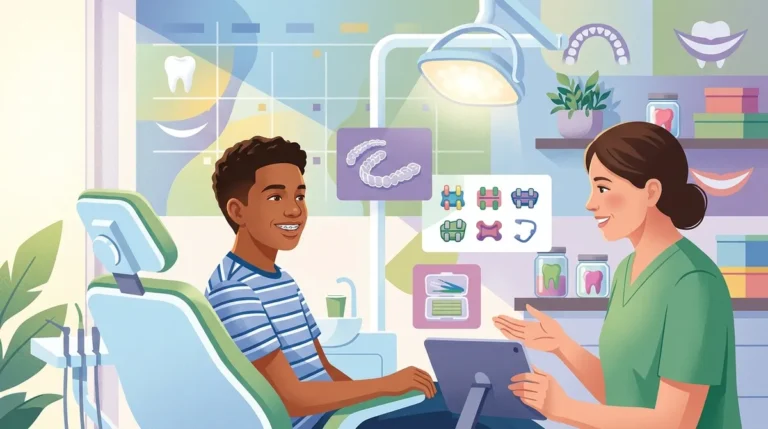
At Segovia Orthodontics, we understand that comfort looks different depending on who’s in the chair. For kids and teens, we offer WildSmiles Braces, featuring fun bracket shapes like stars, hearts, and even Mickey Mouse designs. When kids feel excited about their braces, they’re more likely to brush well and follow care instructions, which actually helps reduce irritation over time.
For patients who want a more advanced, custom-fit option, LightForce Orthodontics uses 3D-printed brackets designed specifically for your teeth. This custom fit can mean less irritation to gums and soft tissue compared to one-size-fits-all brackets, plus treatment times that are often up to 45% faster.
Busy professionals and adults returning for a second round of treatment often gravitate toward Angel Aligners for their discreet look and comfortable, self-adaptive material. If you’re weighing your options, our comparison of braces vs. clear aligners can help you decide what fits your lifestyle and comfort preferences best.
Tips for Parents Managing a Child’s Braces Discomfort
If your child is starting treatment, a little preparation goes a long way. Here’s what tends to help most:
- Stock the fridge with soft, cold foods like smoothies and applesauce before appointment day
- Keep orthodontic wax on hand and show your child how to use it
- Plan adjustment appointments for days when there’s less homework or activities
- Praise your child for sticking with brushing, even when their mouth feels tender
Parents considering treatment timing might also enjoy learning about early orthodontic treatment, which can sometimes reduce the complexity (and discomfort) of later treatment phases.
Why Choose Segovia Orthodontics for a Comfortable Experience
Dr. Flor Segovia is a board certified orthodontist who combines advanced technology with a warm, family-friendly approach. She uses advanced orthodontic technology to plan treatments precisely, which can help minimize unnecessary discomfort and shorten overall treatment time.
Our Lakewood Ranch office welcomes patients of every age, from a child’s first orthodontic visit to adults exploring adult orthodontics for the first time or after a previous relapse. We’re proud to be a trusted resource for families throughout the community, and you can visit us on Google — Segovia Orthodontics to see what our patients have to say about their experience.
You can also follow along with patient stories and smile transformations on our Facebook page or check out behind-the-scenes moments on our Instagram page. For broader information on orthodontic standards and credentials, the American Board of Orthodontics is a great resource to learn more about what board certification means for your care.
And if you’re tackling home projects while your family manages orthodontic appointments, local favorite Wayne & Sons Landscaping & Junk Removal can help keep your outdoor spaces looking great, one less thing to worry about during a busy treatment season.
Your Next Step Toward a Comfortable, Confident Smile
Whether braces or clear aligners feel like the right fit for you, a little discomfort along the way is a small price for a lifetime of confident smiles. Most soreness fades within days, and simple remedies can make the journey even smoother. The most important thing is choosing a team that listens, explains what to expect, and supports you every step of the way.
Ready to find out which option feels best for your smile goals? Request an appointment with our Lakewood Ranch team today, or reach out to our office with any questions about braces, aligners, or what to expect during treatment. You can also simply call us at 941-557-1333 and we’ll walk you through your options with warmth, patience, and zero pressure.
FAQs
Q: Do braces hurt when they are first put on?
A: Nope, not usually! The placement process itself doesn’t hurt since brackets are bonded on and wires are placed gently. You might feel mild aching a few hours later as your teeth start adjusting, but it’s totally manageable.
Q: How long do braces hurt after getting them tightened?
A: Most patients feel soreness for about 1 to 2 days after an adjustment, then it fades quickly. By day 3 or 4, you’ll likely feel back to normal and ready for your favorite foods again.
Q: What does braces pain feel like?
A: Think dull pressure or achiness, kind of like sore muscles after exercise, rather than sharp pain. You might also notice some rubbing on your cheeks or lips, which orthodontic wax can easily fix.
Q: How can I relieve pain from braces quickly?
A: Try a cold compress, warm salt water rinses, and soft foods for a day or two. Orthodontic wax works wonders for irritated cheeks, and over-the-counter pain relief can help too, just check with your orthodontist first.
Q: Is it normal for braces to hurt every day?
A: Daily, ongoing pain isn’t typical and it’s worth a call to your orthodontist. Normal soreness comes and goes around adjustments, but it shouldn’t be a constant, everyday thing throughout your entire treatment.
Our Service Area