Key Takeaways
-
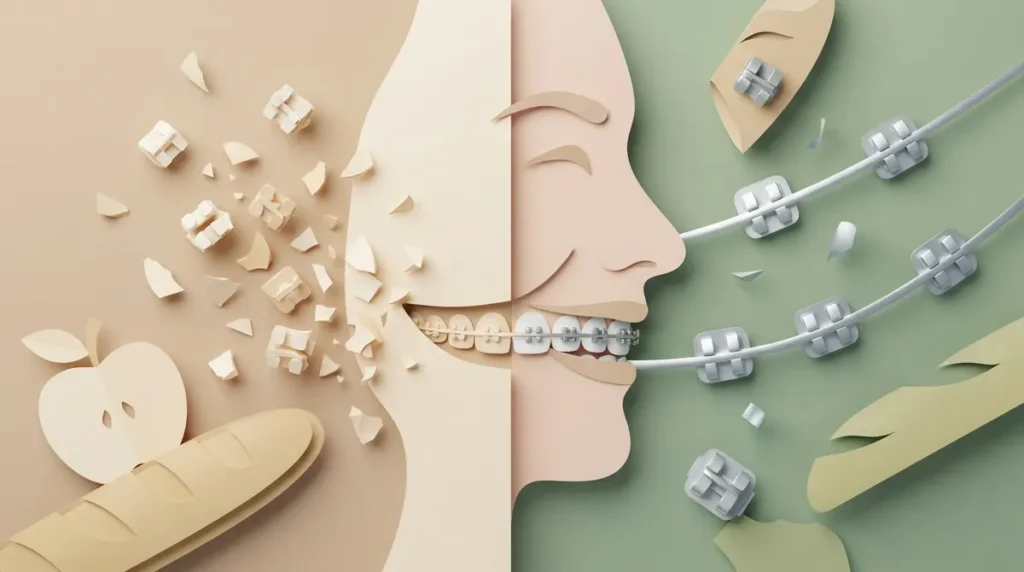
Ceramic braces are more brittle than metal braces, with a 2024 study showing significantly higher failure rates in the first 12 months, especially on lower and back teeth, so careful eating habits are essential.
-
Ceramic braces cost more than metal braces and may create more friction with the archwire, potentially making removal harder at the end of treatment, though research doesn't confirm they always extend treatment time.
-
Ceramic braces offer a tooth-colored appearance that blends in better than metal braces, making them ideal for image-conscious teens, young professionals, and adults, while still using the same effective bracket-and-wire method.
-
"Ceramic metal braces" is not an official category; it typically refers to either ceramic brackets compared with metal braces or tooth-colored ceramic brackets paired with a metal archwire, both using identical mechanics.
If you have been searching for “ceramic metal braces,” you are not alone. Lots of parents, teens, and adults want braces that work well but do not stand out in every photo. The term can be confusing, though. Is it one type of brace? Is it a mix of two? And is it right for your smile?
Here is the friendly truth: “ceramic metal braces” is not an official category of appliance. Most people use it to compare ceramic braces with metal braces, or to describe tooth-colored brackets paired with a metal wire. Both options use the same basic idea, and both can give you a beautiful, healthy smile.
In this guide, we will walk through how each type works, how they differ, and what to ask your orthodontist. Whether you are a busy mom planning for your teen, a young professional who wants a lower profile, or an adult returning to treatment, you will find simple answers here.
What Do People Mean by Ceramic Metal Braces?
When people say ceramic metal braces, they usually mean one of three things:
- A comparison: ceramic braces versus traditional metal braces.
- A hybrid look: tooth-colored ceramic brackets with a metal archwire running through them.
- A general question: “Which fixed braces are right for me?”
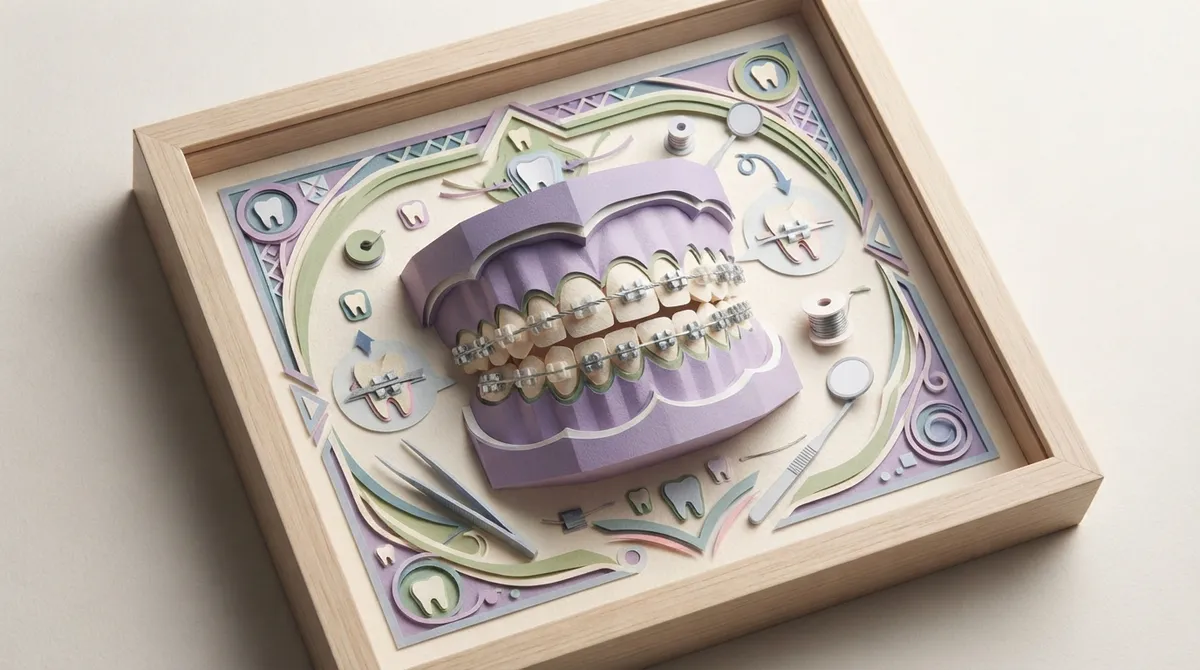
Both ceramic and metal braces are fixed appliances. Small brackets are bonded to your teeth, and an archwire applies steady, gentle pressure to guide teeth into place. That basic method is the same. The big difference is the bracket material and how noticeable it looks.
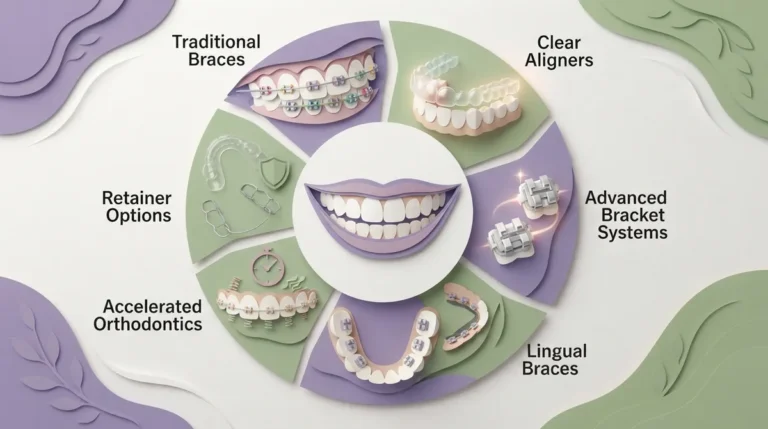
Want a deeper look at all your choices? Our guide to types of braces breaks down every option in plain language.
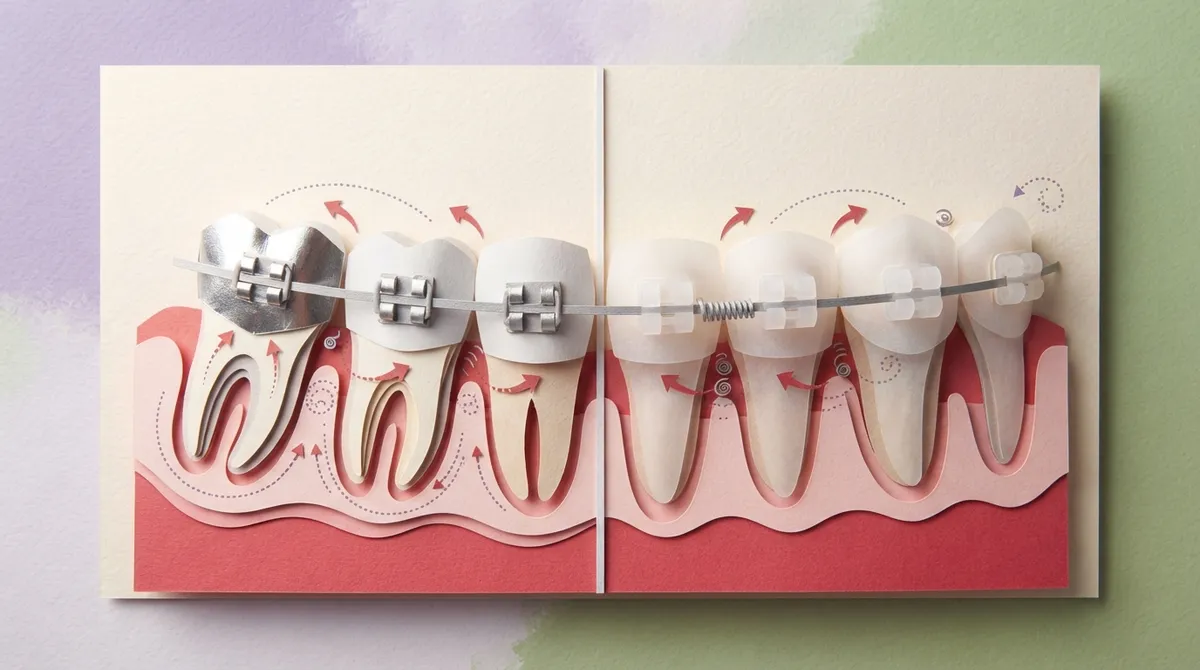
How Ceramic and Metal Braces Work
Think of braces like a tiny, well-planned road map for your teeth. Here is the simple process:
- Brackets are bonded. Small brackets are attached to the front of each tooth.
- An archwire is added. The wire connects the brackets and applies controlled force.
- Ties or clips hold the wire. Tiny elastic ties or built-in clips keep the wire snug.
- Regular visits keep things moving. Your orthodontist adjusts the wire so teeth shift step by step.
- A retainer protects your results. After braces come off, retainers help keep your new smile in place.
Because the mechanics match, ceramic braces can treat many of the same alignment and bite problems as metal braces. The right choice depends on your bite, your tooth positions, and your goals. For a full overview, visit our page on all about braces.
Ceramic vs. Metal Braces: Side-by-Side Comparison
Here is a quick snapshot to help you compare. Keep in mind that every smile is different, so your orthodontist will tailor the plan to you.
| Feature | Ceramic Braces | Metal Braces |
|---|---|---|
| Appearance | Tooth-colored or clear brackets; less noticeable | Silver brackets; more visible |
| Strength | Generally more brittle | Very durable and strong |
| Bracket breakage | May be more prone to fracture or failure | Lower breakage risk |
| Friction with wire | Can be higher | Typically smoother |
| Removal | Can be more challenging at the end | Usually straightforward |
| Cost | Often higher | Often more budget-friendly |
| Staining | Brackets resist stains; clear ties can stain | No bracket staining; colored ties available |
Notice there is no single winner. Each has strengths. If you love the classic, time-tested route, you might enjoy reading 7 reasons traditional metal braces are still a top choice.
The Pros of Ceramic Braces
Ceramic braces are popular for good reasons. Many patients feel more comfortable showing their smile when their braces blend in.
- A softer look. Tooth-colored or translucent brackets are less conspicuous in photos and in person.
- Great for image-conscious moments. Career-focused adults, grads, and wedding planners often like the lower profile.
- Effective treatment. They use the same proven bracket-and-wire method as metal braces.
- Bracket stain resistance. The ceramic material itself is generally resistant to discoloration.
One small note: the wire and elastic ties may still show. Clear or tooth-colored ties can pick up stains between visits, so good brushing and smart food choices really help.
The Trade-Offs to Know About
Honesty matters, so let us talk about the other side too. Ceramic braces are wonderful for many people, but they come with a few things to keep in mind.
They Can Be More Fragile
Ceramic brackets are generally more brittle than metal. A 2024 clinical study that looked at bracket failures during the first 12 months found significantly higher failure rates for ceramic brackets overall than for metal ones. The difference was especially clear in the lower arch and the back teeth.
That does not mean ceramic braces are a bad pick. It simply means careful habits matter, and some bite patterns may be better suited to metal. Our guide on 13 foods to avoid with braces is a handy cheat sheet.
Friction and Removal
Ceramic brackets may create more friction with the archwire, and they can be harder to remove cleanly when treatment ends. The effect on treatment time varies. Research does not support a blanket claim that ceramic braces always take longer, so your timeline depends on your case and your treatment plan.
Cost Differences
Ceramic braces often cost more than metal braces. The final price depends on your location, how complex your case is, how long treatment lasts, and your insurance. Because there is no single universal price, ask for a case-specific estimate. Our resource on how much braces cost in 2026 can help you plan, and you can explore orthodontic financing to make payments easier.
Who Is a Good Candidate for Ceramic Braces?
Ceramic braces can be a lovely fit for many people. They often appeal to these groups:
- Teens who want a less noticeable look but still need the control of fixed braces.
- Young adults and professionals who want a lower profile at work and on camera.
- Life event planners getting ready for graduations, weddings, or big milestones.
- Adult relapse patients who want to fix shifted teeth with an appliance that blends in.
Metal braces may still be the smarter pick if you have a tricky bite, play contact sports, or tend to be hard on appliances. A strong, reliable bracket can be a real plus in those cases. You can read more in our post on metal braces vs ceramic.
Parents, you are probably wondering about your child too. Our pages on teen orthodontic treatment and early orthodontic treatment explain what to expect at each age.
Caring for Ceramic and Metal Braces
No matter which type you choose, daily care is the secret to a great result. Brackets can make plaque harder to clear, so a little extra attention goes a long way.
- Brush after meals. Use a soft toothbrush and angle it around each bracket.
- Floss daily. Floss threaders or water flossers make this much easier.
- Skip hard and sticky foods. These can break brackets or bend wires.
- Keep every appointment. Regular visits keep your treatment on track.
- Wear your retainer. Follow your orthodontist’s instructions after braces come off.
For daily habits that make life simpler, check out how to care for your braces. And if a bracket pops loose or a wire pokes you, do not panic. Our guide to orthodontic emergencies walks you through quick fixes.
Are Braces the Only Option?
Not at all. Some patients prefer removable trays or a custom digital system. At Segovia Orthodontics, we offer several paths, including:
- Traditional braces that deliver dependable, proven results.
- LightForce braces, a fully digital system with custom 3D printed brackets designed to fit each tooth.
- WildSmiles braces, fun bracket shapes that make treatment exciting for kids and adults.
- Clear aligners, removable trays for a nearly invisible approach.
Not sure whether to go fixed or removable? Our comparison of braces vs. clear aligners can help you decide.
How to Choose What Is Right for You
Picking the best appliance is not about trends. It is about what fits your teeth, your bite, and your life. Here are a few questions to think about before your visit:
- How important is a low-profile look to you?
- Do you play sports or eat a lot of crunchy foods?
- What is your comfortable budget and timeline?
- Do you have a complex bite that needs extra control?
A professional exam is the best way to get real answers. At your first orthodontic visit, your orthodontist will review your bite, tooth positions, and goals before recommending an appliance. Dr. Flor Segovia is a board certified orthodontist who takes time to explain every option, and you can verify specialist credentials through the American Board of Orthodontics.
Her bilingual team at Segovia Orthodontics welcomes patients in English and Spanish, with flexible scheduling that works for busy families. Curious what other patients say? You can visit our Segovia Orthodontics location on Google to see real reviews, and follow our smile stories on our Instagram page.
Ready to Find Your Perfect Fit?
Ceramic and metal braces both create healthy, beautiful smiles. Ceramic braces offer a more discreet look, while metal braces offer strength, simplicity, and often a lower cost. The best choice is the one that matches your bite, your lifestyle, and your goals.
You do not have to figure it out alone. Our friendly team is here to answer your questions, show you your options, and build a plan that feels comfortable from day one. Ready to take the first step? Request an appointment today, or call us at 941-557-1333 to chat with our team. Your best smile is closer than you think!
FAQs
Q: What are ceramic metal braces?
A: “Ceramic metal braces” is not an official braces category. It usually means ceramic braces compared with metal braces, or tooth-colored ceramic brackets paired with a metal archwire. Both are fixed braces that move teeth using the same bracket-and-wire method.
Q: Are ceramic braces better than metal braces?
A: Neither is better for everyone. Ceramic braces blend in more, while metal braces are stronger and often cost less. Your orthodontist can help you pick based on your bite, goals, and lifestyle.
Q: Do ceramic braces stain or turn yellow?
A: The ceramic brackets themselves generally resist staining. The clear or tooth-colored elastic ties can pick up color between adjustment visits, so brushing well and limiting stain-causing foods and drinks really helps.
Q: Are ceramic braces more likely to break?
A: Ceramic brackets are generally more brittle than metal ones. A 2024 study found higher bracket failure rates for ceramic brackets in the first 12 months, especially on lower and back teeth. Careful eating habits can help protect them.
Q: Do ceramic braces take longer than metal braces?
A: Not always. Research does not show one universal time difference between the two. Your treatment length depends on your case, the appliance design, and your overall treatment plan.
Our Service Area