Key Takeaways
-
Metal braces cost $1,700-$6,000 while ceramic braces cost $3,000-$7,000; ceramic braces are more than twice as likely to chip or break, making metal the more durable and budget-friendly choice.
-
Ceramic braces blend in with tooth color and are nearly invisible from a distance, making them ideal for older teens and working adults who prioritize aesthetics over affordability.
-
Both metal and ceramic braces take the same treatment time (12-36 months) because tooth movement depends on wire pressure, not bracket material, so choose based on appearance and durability preferences.
-
Metal braces are significantly better for complex bite problems like severe overbites, underbites, or crowding because they’re smaller, more durable, and more flexible for demanding tooth movements.
-
Ceramic braces require extra care with dark beverages like coffee and wine to prevent staining of the elastic ties, and avoiding hard or crunchy foods to prevent bracket damage.
-
Kids often prefer customizable metal braces with fun colored bands and shapes like WildSmiles designs, which increases their engagement in oral care habits compared to less visible ceramic options.
Picking your first (or second!) set of braces feels like a big decision, and honestly, it is. If you’re standing at the crossroads of metal braces vs ceramic, you’re not alone. This is one of the most common questions families and adults bring to our office every single week. The good news? Both options work incredibly well, and there’s no wrong answer here, just the right fit for your life, your budget, and your smile goals.
At Segovia Orthodontics in Lakewood Ranch, we sit down with every patient, whether you’re a busy mom scheduling around soccer practice or a professional prepping for a big career move, and walk through exactly what makes each option shine. Dr. Flor Segovia has helped hundreds of patients navigate this exact choice, and we’re going to break it all down for you here in plain, friendly terms. No confusing dental jargon, we promise.

What Are Metal Braces and Ceramic Braces, Really?
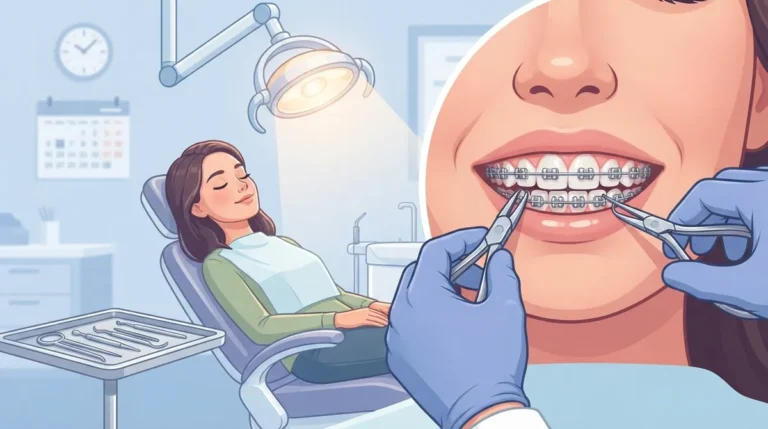
Let’s start simple. Both metal and ceramic braces do the same basic job. They use small brackets glued to your teeth, connected by a thin wire, to slowly guide your teeth into their ideal position. Think of the wire as a gentle coach, nudging your teeth into line a tiny bit at a time.
The real difference comes down to what the brackets are made of and how they look on your teeth.
- Metal braces use stainless steel brackets, the classic look most of us grew up seeing.
- Ceramic braces use clear or tooth-colored brackets made from a material called polycrystalline alumina.
- Both types use an archwire to apply steady pressure over time.
- Both are considered fixed appliances, meaning you can’t take them out yourself.
Curious about all the choices out there? Our guide on types of braces covers even more options beyond these two.

The Biggest Difference: How They Look
This is usually the deciding factor for most people. Metal braces are noticeable. They shine a bit, and everyone knows you’re wearing braces. Some kids actually love this and pick fun colored bands to match their personality.
Ceramic braces, on the other hand, blend in with your natural tooth color. From a few feet away, many people won’t even notice you’re wearing them. This makes ceramic a popular pick among older teens and working adults who want straighter teeth without the obvious hardware look.
Fun fact: some patients even pair ceramic brackets with tooth-colored wires to make the whole setup even less noticeable. It’s a nice option if blending in matters to you.
Why Kids Sometimes Prefer Metal
Here’s something parents don’t always expect. Plenty of kids actually want metal braces! Between fun colored elastics and options like WildSmiles Braces, which feature shapes like stars, hearts, and even Mickey Mouse, metal braces can turn treatment into something kids get genuinely excited about. When children enjoy their braces, they tend to brush better and take care of their smile more consistently.
Durability: Which One Holds Up Better?
This is where metal braces really shine. Stainless steel is tough. It’s built to handle the daily grind of eating, talking, and everyday life without much fuss.
Ceramic brackets, while sturdy, are more delicate by comparison. Research shows ceramic brackets are more than twice as likely to chip or break off compared to metal ones. That doesn’t mean they’re fragile or a bad choice, but it does mean you’ll want to be a little more careful with crunchy or hard foods.
| Feature | Metal Braces | Ceramic Braces |
|---|---|---|
| Visibility | Noticeable, classic silver look | Subtle, blends with tooth color |
| Durability | Very durable, rarely breaks | More than twice as likely to chip or fracture |
| Average Cost | $1,700 to $6,000 | $3,000 to $7,000 |
| Staining Risk | None, metal doesn’t stain | Ties or bands can stain from coffee, wine, tea |
| Best For | Complex bite issues, kids, budget-conscious families | Aesthetics-focused teens and adults |
| Treatment Time | 12 to 36 months | 12 to 36 months |
Let’s Talk Cost: Metal Braces vs Ceramic Pricing
Money matters, and we get that. Here’s a realistic breakdown based on current industry data:
- Metal braces typically range from $1,700 to $6,000, which includes the appliance, office visits, and even your retainer afterward.
- Ceramic braces usually run between $3,000 and $7,000, reflecting the higher material cost and the extra care needed during treatment.
- Both options may be covered partially by dental insurance, so it’s worth checking your plan before deciding.
- Flexible payment plans can make either choice fit comfortably into your monthly budget.
If cost is a big factor in your decision, our page on orthodontic financing walks through options that can make treatment more affordable for your family.
Does Treatment Take Longer With Ceramic Braces?
Great news here: no, it doesn’t. Whether you choose metal or ceramic, your treatment timeline stays roughly the same, typically 12 to 36 months depending on how much your teeth need to move. That’s because the actual biology of shifting teeth doesn’t change based on what the bracket is made of. The wire and pressure do the work, not the bracket material.
Which Braces Work Best for Complex Bite Problems?
If you or your child has a more complicated bite issue, like a significant overbite, underbite, or crowding, metal braces usually come out ahead. Their strength and smaller size make them better suited for more demanding tooth movements. Ceramic brackets are slightly larger and less flexible, which can sometimes make them less ideal for severe cases.
During your consultation, Dr. Segovia will evaluate your specific situation and recommend the option best suited to your needs. Learn more about what goes into that process on our first orthodontic visit page.
Common Bite Issues We Treat
- Overcrowded or crooked teeth
- Overbites and underbites
- Gaps between teeth
- Crossbites affecting jaw alignment
Want to know more about what these issues look like? Check out our resource on common orthodontic problems for a deeper look.
Caring for Your Braces: Tips for Both Types
No matter which braces you choose, good habits make a huge difference in your results. Here’s what we recommend to every patient:
- Brush after every meal to keep food from getting stuck around brackets.
- Floss daily using a floss threader or water flosser for easier access.
- Avoid hard, sticky, or crunchy foods like popcorn, caramel, and ice.
- Wear a mouthguard during sports to protect your braces and teeth.
- Keep up with regular adjustment appointments to stay on track.
- If you have ceramic braces, cut back on dark drinks like coffee, tea, and red wine to avoid staining.
These habits apply whether you’re managing braces for a teen or handling your own adult treatment. Our orthodontic emergency page also has helpful tips if something ever feels loose or uncomfortable between visits.
Who Tends to Choose Each Option?
We see some pretty clear patterns among our patients here in Lakewood Ranch.
- Parents of younger kids often lean toward metal braces, especially with fun customization options like WildSmiles shapes.
- Teens preparing for big milestones like homecoming or graduation photos often ask about ceramic for a more subtle look.
- Working professionals frequently prefer ceramic braces or clear aligners to keep their smile transformation low-key at the office.
- Adults returning for a second round of treatment after their teeth shifted back tend to prioritize efficient, discreet options.
If discretion is your top priority, you might also want to explore our clear aligners page, including our Angel Aligners system, which offers a faster, budget-friendly path to a straighter smile using clear, removable trays.
A Modern Alternative Worth Knowing About
Beyond traditional metal and ceramic brackets, technology has come a long way. Our LightForce Orthodontics system uses fully custom, 3D-printed brackets designed specifically for your teeth. This can mean up to 45% faster treatment times along with a more subtle, comfortable fit. It’s worth asking about during your consultation if speed and comfort matter most to you.
Making Your Final Decision
So, metal braces vs ceramic, which one wins? Honestly, it depends on what matters most to you.
- Choose metal braces if you want the most affordable, durable option, especially for complex bite corrections.
- Choose ceramic braces if blending in matters more to you than a slightly higher price tag.
- Consider your daily habits, like coffee drinking or sports, since these can affect how well ceramic braces hold up.
- Talk with your orthodontist about your specific bite issues before making a final call.
Dr. Flor Segovia, a board-certified orthodontist recognized by the American Board of Orthodontics, brings years of experience helping patients of all ages weigh these exact options. Her bilingual, family-friendly approach means you’ll always leave your appointment feeling confident about your choice. Learn more about her background on our Orthodontist Flor Segovia page.
Still not sure which route fits your lifestyle? Our all about braces guide offers even more detail to help you feel ready for your consultation.
Why Families Trust Segovia Orthodontics for This Decision
We know choosing braces can feel overwhelming, especially with so many options available today. That’s exactly why we take the time to explain everything clearly, answer every question, and never rush you into a decision. Our Lakewood Ranch office is built around comfort, flexibility, and genuinely caring about your family’s experience from start to finish.
Don’t just take our word for it, visit us on Google to see what our Segovia Orthodontics patients are saying. You can also follow along with real patient transformations on our Facebook page or check out smile progress photos on our Instagram page.
Ready to Choose the Right Braces for Your Smile?
Whether you’re leaning toward metal, ceramic, or still weighing your options, the best next step is a friendly conversation with our team. We’ll look at your smile, talk through your goals, and help you land on the choice that feels right for your life. Feel free to contact us with any questions, or go ahead and request an appointment to get started. You can also simply call us at 941-557-1333, we’d love to help you take that first step toward your best smile yet.
FAQs
Q: Are ceramic braces more likely to break than metal braces?
A: Yes, unfortunately ceramic braces are more than twice as likely to chip or break off compared to metal braces. That said, with a bit of extra care around hard and crunchy foods, most patients do just fine throughout treatment.
Q: How much more do ceramic braces cost compared to metal braces?
A: Ceramic braces typically run about $1,000 to $2,000 more than metal braces, landing somewhere between $3,000 and $7,000 total. Metal braces usually range from $1,700 to $6,000, making them the more budget-friendly pick.
Q: Do ceramic braces stain more easily than metal braces?
A: They can, especially the elastic ties holding the wire in place. Cutting back on coffee, red wine, and tea (or rinsing right after) goes a long way toward keeping your smile looking bright throughout treatment.
Q: Which braces are better for severe bite problems, metal or ceramic?
A: Metal braces tend to be the stronger choice for complex bite corrections since they’re smaller and more durable. That said, we’ll always evaluate your specific case before recommending the best path forward.
Q: Is treatment time longer with ceramic braces than metal braces?
A: Nope, treatment time is essentially the same for both, typically 12 to 36 months. The material of your brackets doesn’t change how quickly your teeth actually move.
Our Service Area