Key Takeaways
-
Dental and skeletal crossbites require different treatment approaches: dental crossbites (mispositioned teeth) can be corrected with braces alone, while skeletal crossbites (narrow upper jaw) need a palatal expander first to widen the jaw before braces can align teeth.
-
Early evaluation around age 7 is ideal for crossbite treatment because the jaw is still growing and responds well to expanders, potentially avoiding more complex solutions like surgery needed for adults with finished jaw growth.
-
Untreated crossbites progressively worsen, causing uneven tooth wear, gum recession, TMJ problems, jaw asymmetry, and increased risk of chipped teeth rather than remaining stable.
-
Modern treatment options like LightForce custom 3D-printed brackets can reduce treatment time by up to 45% compared to traditional braces, with typical timelines ranging from 12-18 months for mild cases to 24-36 months for severe adult skeletal cases.
-
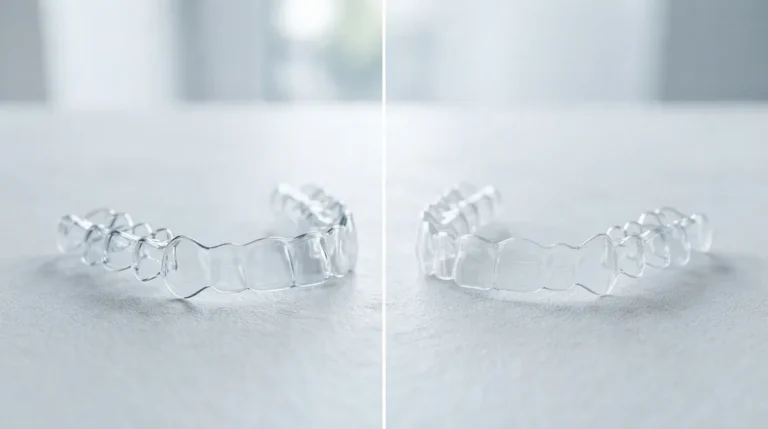
Clear aligners work for mild dental crossbites only; moderate to severe crossbites need traditional braces for precise control, and skeletal crossbites almost always require a palatal expander which aligners cannot provide.
-
Common crossbite signs include upper teeth sitting behind lower teeth, jaw shifting to one side, facial asymmetry, unusual tooth wear, jaw pain/clicking, speech difficulties, and gum irritation near affected teeth.
Notice your child’s top teeth tucking behind their bottom teeth when they bite down? Or maybe you’ve lived with a shifted jaw your whole life and wonder if it’s finally time to fix it. Either way, you’re in the right place. Crossbite braces are one of the most common and effective ways to correct this bite issue, and the good news is that treatment works beautifully for kids, teens, and adults alike.
At Segovia Orthodontics in Lakewood Ranch, Dr. Flor Segovia sees crossbites all the time. She knows how to figure out what’s causing the problem and build a plan that actually fits your life. This guide will walk you through everything you need to know about crossbite braces, from spotting the signs to understanding your treatment options.

What Is a Crossbite, Exactly?
A crossbite happens when your upper and lower teeth don’t line up the way they should. In a healthy bite, upper teeth sit slightly in front of lower teeth. With a crossbite, that pattern flips or shifts sideways.
There are two main types:
- Anterior crossbite: Upper front teeth sit behind the lower front teeth instead of in front of them.
- Posterior crossbite: Upper back teeth bite inside the lower back teeth instead of outside them.
Some people have both types at once. Either way, a crossbite isn’t just a cosmetic issue. It can affect how you chew, speak, and even how your jaw grows over time.

Dental vs. Skeletal Crossbite: Why the Difference Matters
Not all crossbites are created equal. Knowing which type you have changes the entire treatment plan.
Dental Crossbite
This happens when individual teeth are tipped or positioned wrong, but the jaw itself is a normal size and shape. Good news here: dental crossbites can usually be corrected with braces or clear aligners alone. There’s no need for jaw expansion or surgery in most of these cases.
Skeletal Crossbite
This is a structural issue. The upper jaw is too narrow compared to the lower jaw. Braces alone cannot widen a jaw. Skeletal crossbites almost always need a palatal expander first to widen the upper jaw before braces can finish aligning the teeth. In severe adult cases, surgery may be needed alongside braces.
This is exactly why a proper evaluation matters so much. Our team looks closely at your bite pattern, jaw width, and growth pattern before recommending anything. You can learn more about what this process looks like on our orthodontic evaluation page.
Signs You or Your Child Might Have a Crossbite
Sometimes a crossbite is obvious. Other times it’s subtle enough that parents miss it for years. Here are common signs to watch for:
- Upper teeth sit behind lower teeth when biting down
- Jaw shifts to one side when chewing or closing the mouth
- Face looks slightly asymmetrical or uneven
- Teeth show unusual wear patterns, especially on edges
- Child complains of jaw pain or clicking sounds
- Speech sounds slightly off, especially with certain letters
- Gums look irritated or receding near specific teeth
If any of these sound familiar, it’s worth scheduling a visit. Catching a crossbite early gives you more options and often means a shorter, simpler treatment. Check out our page on signs your child should see an orthodontist for more details.
Why Age Matters So Much in Crossbite Treatment
Here’s something a lot of parents don’t realize: timing can make a huge difference with crossbites. The ideal age to first evaluate and often begin treatment is around 7 years old. At this age, the jaw is still growing and responds really well to expanders.
Waiting until the jaw finishes growing (usually mid-teens for girls, slightly later for boys) can mean the difference between a simple expander and a more complex fix later on. This is one reason early orthodontic treatment is such a big focus for families in Lakewood Ranch.
That said, adults are absolutely not out of luck. Crossbites can be treated at any age. It just may involve different tools, like Surgically Assisted Rapid Palatal Expansion (SARPE) for severe skeletal cases in adults whose jaws have already finished growing.
How Crossbite Braces Actually Work
Braces correct crossbites by applying gentle, steady pressure to move teeth into proper position over time. For dental crossbites, this might mean:
- Brackets and wires that gradually tip teeth back into alignment
- Rubber bands (elastics) that pull upper and lower teeth into correct positioning
- Small adjustments over several months to guide the bite into place
For skeletal crossbites, the process usually starts with a palatal expander. This small device sits on the roof of the mouth and widens the upper jaw gradually, often over a few months. Once the jaw is wide enough, braces take over to fine-tune the tooth alignment.
Dr. Segovia often uses LightForce Orthodontics, a fully digital, custom 3D-printed bracket system. Since every bracket is designed specifically for your teeth, treatment can be up to 45% faster than traditional one-size-fits-all braces. That means less time in braces and more precise results for correcting your crossbite.
Treatment Timeline: What to Expect
Patients always want to know one thing: how long will this take? Here’s a general breakdown based on crossbite severity and type.
| Crossbite Type | Typical Treatment Approach | Estimated Timeline |
|---|---|---|
| Mild dental crossbite | Braces or clear aligners alone | 12 to 18 months |
| Moderate to severe crossbite | Palatal expander plus braces | 18 to 30 months |
| Severe adult skeletal crossbite | SARPE surgery plus braces | 24 to 36 months |
Keep in mind these are general ranges. Every mouth is different, and Dr. Segovia will give you a personalized timeline after your evaluation.
What Happens If You Leave a Crossbite Untreated?
It’s tempting to ignore a minor bite issue, especially if it doesn’t hurt right now. But untreated crossbites tend to get worse, not better, over time. Here’s what can happen:
- Uneven tooth wear that weakens enamel over time
- Gum recession around teeth that bear too much pressure
- Asymmetric jaw growth, especially in growing children
- TMJ symptoms like jaw pain, clicking, or headaches
- Increased risk of chipped or cracked teeth
- Speech difficulties that can affect confidence
None of this is meant to scare you. It’s just a reminder that crossbites are a functional problem, not just a cosmetic one. Addressing it early (or as soon as you notice it as an adult) saves you bigger headaches down the road. If you’re dealing with jaw pain already, our TMJ orthodontist page has helpful information.
Braces vs. Clear Aligners for Crossbite Correction
A common question we hear from busy professionals and image-conscious teens: can clear aligners fix a crossbite? The honest answer is: sometimes, but not always.
- Mild dental crossbites can often be corrected with clear aligners like Angel Aligners.
- Moderate crossbites involving multiple teeth usually respond better to traditional braces because they offer more precise control.
- Skeletal crossbites almost always need a palatal expander, which aligners cannot provide.
If discretion is a top priority for you, ask Dr. Segovia during your consultation whether clear aligners are a realistic option for your specific bite. Our braces vs. clear aligners comparison can also help you weigh the pros and cons.
Crossbite Treatment for Every Stage of Life
For Concerned Parents
If you’ve spotted a crossbite in your child, don’t panic. Early treatment around age 7 is often simpler and shorter than waiting. We offer flexible scheduling so you’re not stuck rearranging your whole week for appointments. Many kids even enjoy the process more with fun options like WildSmiles Braces, which feature playful shapes like stars, hearts, and even Mickey Mouse brackets.
For Teens Preparing for Big Milestones
Got a big event on the horizon like graduation or a big audition? Crossbite correction combined with teen orthodontic treatment can be scheduled around your calendar so you feel confident smiling in every photo.
For Busy Professionals
If you’re managing a demanding career, LightForce’s faster treatment times mean fewer office visits and quicker results. This is a great fit if you want your smile corrected without it taking over your calendar for years.
For Adults Correcting Old Relapse
Had braces years ago but noticed your bite shifting back? You’re not alone, and it’s fixable. Adult orthodontics has come a long way, with discreet options that fit seamlessly into your professional life.
What to Expect at Your Crossbite Consultation
Walking into your first appointment doesn’t have to feel intimidating. Here’s a simple rundown of what typically happens:
- A friendly conversation about your concerns and goals
- A visual exam of your bite, teeth, and jaw alignment
- Digital X-rays or scans to see what’s happening beneath the surface
- A clear explanation of whether you have a dental or skeletal crossbite
- A personalized treatment plan with timeline and cost estimates
- Time for all your questions, no rushing
Our first orthodontic visit page walks through this in more detail so you know exactly what to expect before you even walk through our doors.
Financing Your Crossbite Treatment
Cost is a real concern for most families, and we get that. Crossbite correction, especially cases needing an expander plus braces, is an investment in long-term health, not just a straighter smile. We offer flexible orthodontic financing options designed to work with real family budgets, not against them.
Dr. Segovia and her team are also fluent in English and Spanish, making it easier for more families in our community to get the answers and care they deserve.
Why Choose Segovia Orthodontics for Crossbite Care
Dr. Flor Segovia is a board-certified orthodontist who stays current on the latest techniques, including American Board of Orthodontics standards for quality care. She combines this expertise with genuinely warm, family-friendly service that makes patients of every age feel comfortable.
Our Lakewood Ranch office uses advanced orthodontic technology like digital scanning and LightForce’s custom bracket system to make treatment faster and more comfortable. You can see what real patients say by checking why families choose us, or browse our Facebook page and our Instagram page for smile transformations and behind-the-scenes moments from our office.
Curious what other patients have experienced? Feel free to visit us on Google — Segovia Orthodontics to read real reviews from families right here in Lakewood Ranch.
Ready to Get Your Bite Back on Track?
Crossbites don’t fix themselves, but the good news is they’re very treatable with the right plan. Whether you’re bringing in your 7-year-old for their first evaluation or finally addressing a bite issue you’ve had since childhood, our team is here to help every step of the way.
Ready to take the next step? Request an appointment today, or feel free to contact us with any questions. You can also call us at 941-557-1333 to speak with our friendly team directly. We can’t wait to help you or your family build a healthier, more confident smile.
FAQs
Q: Can braces fix a crossbite without an expander?
A: Yes, if it’s a dental crossbite caused by tipped or misplaced teeth, braces alone usually do the trick. But if your jaw is actually too narrow (a skeletal crossbite), you’ll need a palatal expander first to widen things out before braces can finish the job.
Q: What is the difference between dental and skeletal crossbite?
A: A dental crossbite means your teeth are just positioned wrong, while your jaw size is totally normal. A skeletal crossbite means the jaw itself is too narrow. Think of it like this: dental issues are about tooth placement, skeletal issues are about structure.
Q: How long does it take to fix a crossbite with braces?
A: It really depends on severity. Mild dental crossbites might take 12 to 18 months, while crossbites needing an expander plus braces usually run 18 to 30 months. Your orthodontist will give you a personalized estimate after checking your bite.
Q: Is crossbite treatment better for kids or adults?
A: Kids have a slight advantage since their jaws are still growing, making expanders work faster around age 7. But don’t worry if you’re an adult, crossbites can absolutely be treated later in life too, sometimes with surgical assistance for severe skeletal cases.
Q: Can clear aligners like Invisalign fix a crossbite?
A: Sometimes! Mild dental crossbites can often be corrected with clear aligners. But moderate to severe crossbites, especially skeletal ones, usually need traditional braces or an expander for the best results. It really comes down to your specific bite.
Our Service Area