Key Takeaways
-
Over 56% of children and teens worldwide have malocclusion (orthodontic problems), making early evaluation by age 7 crucial for catching developing issues when treatment is simpler and more effective.
-
Crowded teeth, overbites, and overjet are the most prevalent orthodontic issues; untreated crowding makes teeth harder to clean, increasing cavity and gum disease risk significantly over time.
-
Modern treatment options including clear aligners, LightForce braces (reducing treatment time by up to 45%), and palatal expanders offer discreet, efficient alternatives to traditional metal braces for all ages.
-
Childhood habits like thumb-sucking past age 3, pacifier use, mouth breathing, and early/late baby tooth loss directly contribute to orthodontic problems and should be addressed alongside professional treatment.
-
Crossbites are deceptive because they don't always look obvious but can cause uneven jaw growth, excessive tooth wear, and gum recession if left untreated during childhood when correction is simpler.
-
Adults are never too old for orthodontic treatment; those with relapsed teeth from skipped retainer wear can benefit from faster, more discreet options like clear aligners and digital bracket systems.
Have you ever caught yourself staring at a family photo, zooming in on your child’s smile, wondering if those teeth look a little crowded? Or maybe you’ve noticed your own bite feels a bit off lately, and you’re not sure if it’s worth mentioning to a professional. You’re not alone. Research shows malocclusion, the clinical term for orthodontic problems, affects roughly 56% of children and teens worldwide. That means more than half of all kids have some kind of bite or alignment issue worth watching.
Here at Segovia Orthodontics in Lakewood Ranch, we talk to parents, teens, and adults every single day who have questions about crooked teeth, bad bites, and everything in between. The good news? Most orthodontic problems are treatable, and catching them early (or even later in life) can make a real difference. Let’s walk through the six most common orthodontic problems, what causes them, and what you can actually do about them.
What Exactly Are Orthodontic Problems?
Orthodontic problems are issues with how your teeth line up or how your jaws fit together. Dentists and orthodontists call this malocclusion, which simply means “bad bite.” It can involve crowded teeth, gaps, a jaw that sits too far forward or back, or teeth that don’t meet properly when you chew.
These problems can be genetic, meaning you inherited your jaw size or tooth shape from your parents. They can also develop from habits like thumb-sucking, or from things like losing a baby tooth too early. Whatever the cause, an orthodontic evaluation is the best way to understand what’s really going on. If you want to see exactly what happens during one, check out what happens during an orthodontic evaluation.
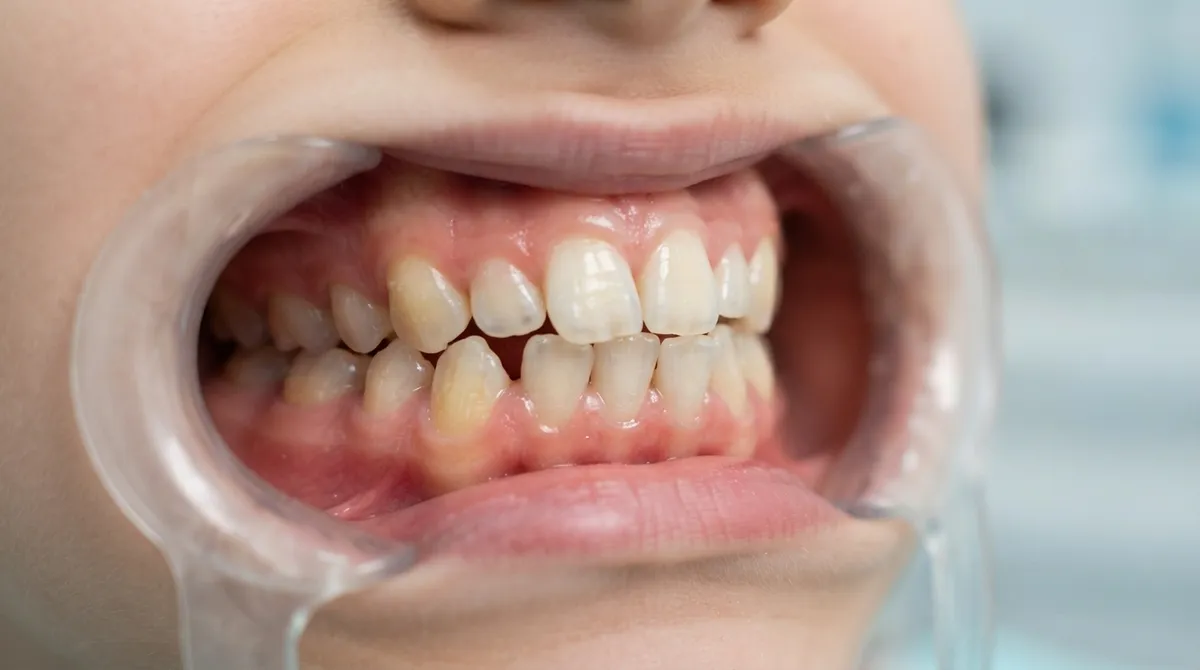
1. Crowded Teeth
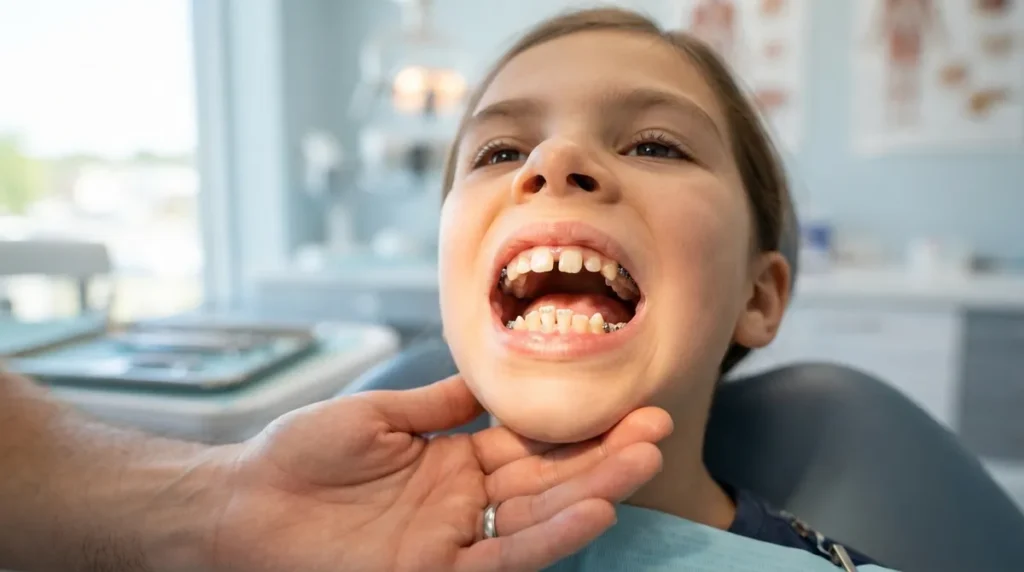
Crowding happens when there simply isn’t enough room in the jaw for all the teeth to fit normally. Teeth end up twisting, overlapping, or coming in sideways. It’s one of the most common complaints we hear from parents at our Lakewood Ranch office.
Crowding can come from:
- Small jaw size compared to tooth size
- Losing baby teeth too early or too late
- Genetics passed down from parents
- Extra teeth or unusually large teeth
Crowded teeth are harder to clean properly, which can lead to cavities and gum irritation over time. Braces, clear aligners, or sometimes a palatal expander can create the space teeth need. Learn more about your options in our guide on how to fix crowded teeth in Lakewood Ranch.
2. Overbite, Overjet, and Deep Bite
These terms get mixed up a lot, so let’s break them down simply. An overbite is when the top teeth cover the bottom teeth vertically. Overjet describes how far the top teeth stick out horizontally, almost like a small “buck teeth” look. A deep bite is a severe overbite where the bottom teeth might even touch the roof of the mouth.
Research shows increased overjet is actually the most common bite issue found in young children, showing up in about 25% of cases studied. Left untreated, these bites can cause:
- Excess wear on front teeth
- Jaw discomfort or clicking
- Gum irritation behind the top teeth
- Speech difficulties in some cases
Our overbite correction facts every family should know page dives deeper into treatment timing and options.
3. Underbite
An underbite is basically the opposite of an overbite. The lower front teeth sit in front of the upper teeth. This usually happens because the lower jaw grows faster or larger than the upper jaw.
Underbites can affect chewing, speech, and even facial appearance. Some milder cases respond well to braces or aligners, while more significant skeletal underbites might need early intervention with growth appliances in kids, or in rare severe adult cases, surgical consultation. Check out our resource on the best options for underbite correction if this sounds familiar.
4. Crossbite
A crossbite occurs when one or more upper teeth bite inside the lower teeth instead of outside, like they normally should. This can happen on just one side (unilateral) or affect both sides (bilateral).
Crossbites are sneaky because they don’t always look obvious at first glance. But they can lead to:
- Uneven jaw growth over time
- Excessive tooth wear on specific teeth
- Jaw asymmetry if left untreated in growing children
- Increased risk of gum recession on affected teeth
Catching a crossbite early, often during childhood, can make correction much simpler. Our page on how crossbite treatment is done in Lakewood Ranch walks through the process step by step.
5. Open Bite
An open bite means your top and bottom front teeth don’t touch when your mouth is closed. You might notice a visible gap even when biting down all the way.
Common causes include:
- Prolonged thumb-sucking or pacifier use
- Tongue-thrusting habits
- Chronic mouth breathing
- Skeletal jaw growth patterns
Open bites can make it tough to bite into foods like sandwiches or apples, and they sometimes affect speech clarity. Addressing the underlying habit, alongside orthodontic treatment, usually gives the best results. We cover this in detail in how to correct an open bite without losing confidence.
6. Spacing and Gapped Teeth
On the flip side of crowding, some people have too much space between their teeth. This can happen because teeth are smaller than the jaw, a tooth is missing, or there’s an oversized tissue connecting the lip to the gum.
Gapped teeth aren’t just a cosmetic concern. Food can get trapped more easily, and gum tissue between widely spaced teeth can become irritated. Both braces and clear aligners work well for closing gaps, depending on severity. For a closer look, visit our article on why gaps keep showing up between your teeth.
How Common Are These Problems, Really?
It helps to see the numbers side by side. Here’s a quick snapshot based on recent research reviews.
| Orthodontic Problem | Reported Prevalence | Common Age Group Affected |
|---|---|---|
| Overall Malocclusion (children/teens) | ~56% worldwide | Ages 6-18 |
| Increased Overjet | ~25.18% (primary dentition studies) | Ages 3-6 |
| Deep Overbite | ~23.79% (primary dentition studies) | Ages 3-6 |
| Class II Malocclusion (varies widely) | 7.4% to 84.0% | All ages, varies by population |
| Class III Malocclusion (varies widely) | 0.8% to 72.1% | All ages, varies by population |
As you can see, the numbers vary quite a bit depending on the population studied. That’s exactly why a personal evaluation matters more than any general statistic. Every mouth is different, and so is every treatment plan.
What Causes Orthodontic Problems in the First Place?
Understanding the “why” behind orthodontic problems can help you feel more in control. Here are the main contributing factors we see:
- Genetics: Jaw size, tooth size, and bite patterns often run in families.
- Childhood habits: Thumb-sucking, pacifier use past age 3, and tongue-thrusting can shift teeth.
- Mouth breathing: Chronic mouth breathing can affect jaw and facial development.
- Early or late tooth loss: Losing baby teeth too soon or too late throws off spacing.
- Trauma or injury: A fall or accident can shift teeth or damage the jaw.
- Missing or extra teeth: Both can throw off the natural balance of a smile.
Knowing your family history and your child’s habits can help Dr. Segovia create a more accurate treatment plan from day one.
When Should You Get an Orthodontic Evaluation?
Concerned moms often ask us this exact question. The American Association of Orthodontists recommends a first orthodontic check-up by age 7. At that age, some baby teeth and adult teeth are both present, which makes it easier to spot developing problems.
That said, orthodontic problems can pop up at any age. Teens preparing for big milestones and adults noticing shifting teeth after previous treatment are just as welcome to schedule a visit. If you’re unsure where to start, our first orthodontic visit page explains exactly what to expect.
Treatment Options That Actually Fit Your Life
The best part about orthodontic care in 2026 is choice. You’re no longer stuck with one-size-fits-all metal brackets. Depending on your specific orthodontic problem, age, and lifestyle, treatment might include:
- Traditional metal braces for reliable, budget-friendly correction
- WildSmiles Braces, featuring fun customizable shapes for kids and teens
- LightForce Braces, a fully digital, custom-fitted bracket system that can cut treatment time by up to 45%
- Clear aligners like Angel Aligners for a nearly invisible option
- Palatal expanders for growing jaws that need more room
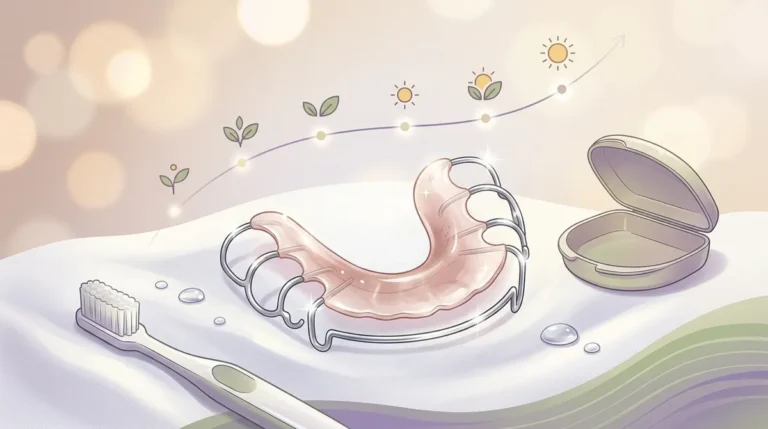
- Custom retainers to protect your results once treatment ends
Young professionals and career-focused adults often gravitate toward clear aligners because they’re discreet and easy to remove for meetings or events. If that sounds like you, take a look at our clear aligners page. Parents looking for something that gets kids excited about treatment often love the personality-packed WildSmiles Braces options, including Mickey Mouse brackets and Disney-inspired elastics.
What Happens If Orthodontic Problems Go Untreated?
We get it. Life is busy, and orthodontic treatment can feel like one more thing on the to-do list. But ignoring orthodontic problems can lead to bigger headaches down the road, including:
- Harder-to-clean teeth, raising cavity and gum disease risk
- Uneven wear on certain teeth
- Jaw discomfort or clicking sounds when chewing
- Speech difficulties in some cases
- Lower self-confidence about your smile
Interestingly, a 2025 review found that about 43% of people with malocclusion also reported some form of temporomandibular joint discomfort, though researchers note this connection isn’t fully proven as cause and effect. Still, it’s worth mentioning to your orthodontist if your jaw ever feels sore or tight.
Are Adults Ever Too Old to Fix Orthodontic Problems?
Absolutely not. We see plenty of adult relapse patients, people who had braces as teens but didn’t wear their retainer consistently, and now notice their teeth shifting back. The good news is adult treatment today is faster and more discreet than ever, thanks to technology like LightForce and Angel Aligners.
If you’re getting ready for a wedding, a new job, or just want to feel more confident in photos, it’s never too late to start. Our adult orthodontics page covers everything from timelines to discreet treatment choices.
Why Choose Segovia Orthodontics for Your Family’s Smile
Dr. Flor Segovia is a board certified orthodontist who believes every patient deserves a warm, judgment-free space to talk about their smile goals. Our Lakewood Ranch office combines advanced technology with genuinely friendly, bilingual care in English and Spanish.
We know flexible scheduling matters to busy moms and working professionals alike, which is why our team works hard to make appointments convenient. You can learn more about our approach on our why choose us page, or read about Dr. Segovia’s background on meet Dr. Flor Segovia. You can also visit us on Google — Segovia Orthodontics to see what our patients are saying, or follow along on our Facebook page and our Instagram page for smile transformations and helpful tips.
For general information on malocclusion and bite classifications, the American Board of Orthodontics offers helpful patient resources worth exploring too.
Your Next Step Toward a Healthier Smile
Orthodontic problems are incredibly common, but that doesn’t mean you have to just live with them. Whether it’s crowding, an overbite, a crossbite, or gaps between teeth, there’s a treatment path designed for your life and your budget. The sooner you get an evaluation, the sooner you’ll have real answers instead of guesswork.
Ready to find out what’s really going on with your smile or your child’s smile? We’d love to help. Feel free to contact us with any questions, request an appointment online, or simply call us at 941-557-1333 to get started. Your best smile is closer than you think.
FAQs
Q: What are the most common orthodontic problems in children and adults?
A: The most common ones we see are crowding, overbites, underbites, crossbites, open bites, and gaps between teeth. Studies show malocclusion affects over half of children worldwide, so if you’re noticing one of these, you’re definitely not alone!
Q: What is malocclusion, and how is it diagnosed?
A: Malocclusion is just a fancy word for a bad bite, meaning your teeth or jaws don’t line up quite right. An orthodontist diagnoses it through an exam, photos, and sometimes X-rays to see exactly what’s happening beneath the surface.
Q: Can thumb-sucking or mouth breathing cause orthodontic problems?
A: Yes, they definitely can! Prolonged thumb-sucking, pacifier use, and chronic mouth breathing can all shift how teeth and jaws develop, sometimes leading to open bites or other alignment issues.
Q: When should my child have their first orthodontic evaluation?
A: We recommend around age 7, since that’s typically when a mix of baby and adult teeth makes it easier to spot potential issues early. Don’t worry though, plenty of great results start well beyond that age too!
Q: Do adults really benefit from orthodontic treatment?
A: Absolutely, it’s never too late! Many of our adult patients come in because their smile shifted after skipping retainer wear years ago, and treatments like clear aligners make correcting this easier and more discreet than ever.
Our Service Area