Key Takeaways
-
Ceramic brackets work like traditional metal braces mechanically; the main difference is that they are tooth-colored or clear, making them much less noticeable in photos and everyday life.
-
Ceramic is hard but more brittle than metal, so brackets can chip or break on hard or sticky foods; a mouthguard is essential for sports.
-
Ceramic brackets themselves resist staining, but the colored or clear elastic ties can discolor, so brush after meals and limit coffee, tea, red wine, and dark soda.
-
Ceramic braces often cost more than metal, so ask your orthodontist for a clear cost breakdown and explore financing options before deciding.
-
Ceramic braces can correct crowding, gaps, overbite, underbite, and crossbite, but a personal evaluation is needed since some cases suit a mix of ceramic and metal brackets.
-
Some ceramic designs create more friction against the archwire, but treatment time depends mainly on your case and plan, not just the bracket material.
If you have ever looked at a mouth full of shiny metal braces and thought, “I would love straight teeth, just not that look,” you are in good company. Many people in 2026 want a straighter smile without feeling like every photo puts their braces front and center. That is where ceramic brackets for braces come in.
Ceramic brackets are tooth-colored or clear pieces that bond to your teeth and work with an archwire to guide your smile into place. They use the same basic ideas as metal braces, but they blend in better. Whether you are a parent helping a teen choose, a professional who wants a lower-profile option, or an adult getting ready for a big event, this guide walks you through what matters most.
Here are six friendly, practical things to know before you decide. At Segovia Orthodontics in Lakewood Ranch, we love helping families sort through these choices, so let’s dive in together.
1. What Ceramic Brackets Are and How They Work
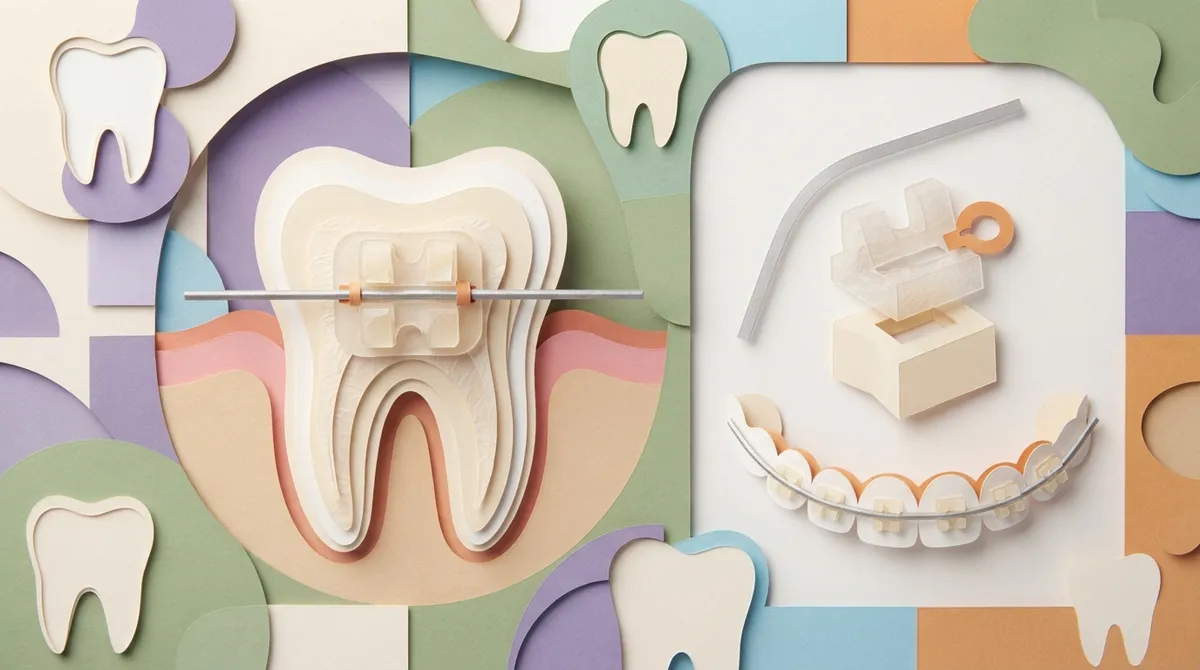
Ceramic braces are fixed appliances. That means they stay on your teeth the whole time you are in treatment. Small ceramic brackets are bonded to the front of each tooth, and a thin archwire connects them. The wire applies gentle, controlled pressure that moves teeth little by little.
Most ceramic brackets are made from alumina-based ceramic. Some are polycrystalline, which tend to look a bit more opaque. Others are monocrystalline, which are often clearer. Designs and materials vary by manufacturer, so two sets of ceramic braces can look and feel a little different.
The big takeaway? The mechanics are the same as traditional braces. The difference is mostly the look. To see how this fits with other options, check out our guide to types of braces.
What You Will Still See
Ceramic brackets are less noticeable, but they are not invisible. The archwire and small ties can still show. Some systems use tooth-colored wires or ligatures to help everything blend in even more.
2. The Biggest Benefit: A Discreet Look
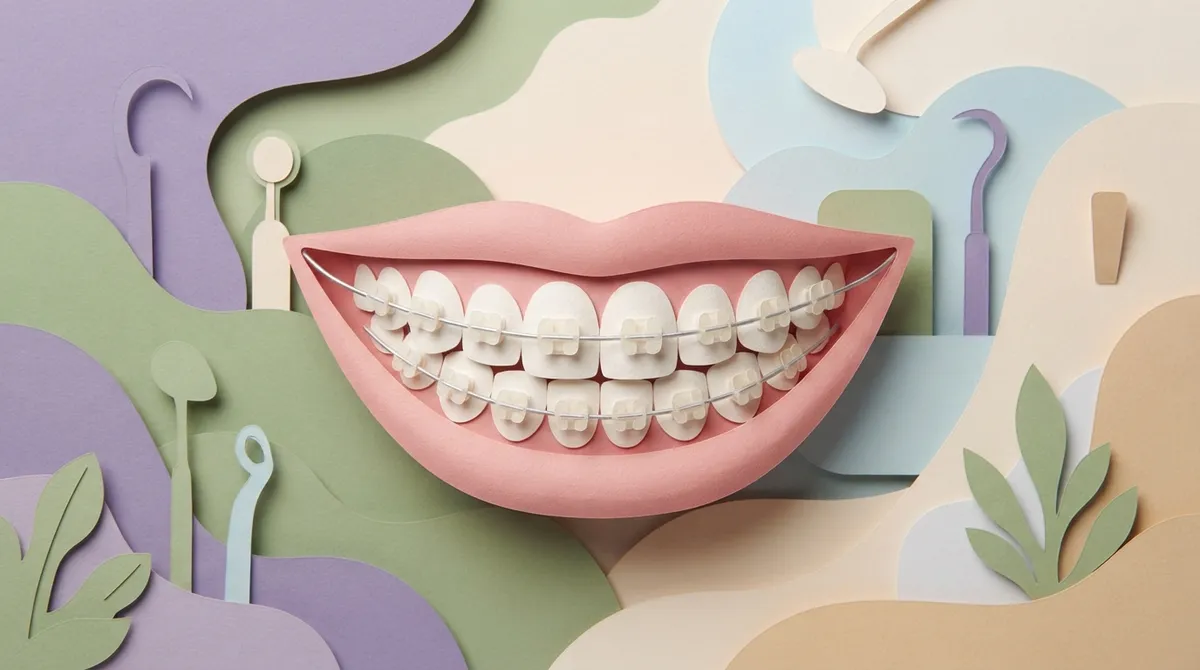
Appearance is the main reason people choose ceramic. Compared with stainless steel brackets, ceramic ones are much less conspicuous. They pick up the shade of your teeth, so from a normal talking distance they tend to fade into the background.
This matters for a lot of people:
- Young adults who want a lower-profile option for the workplace and social settings
- Busy professionals who attend meetings and presentations every week
- Teens and young adults getting ready for graduations, weddings, or other milestone photos
- Adults returning for treatment who want to correct shifting without drawing attention
If you like the idea of a subtle look, you might also enjoy reading about clear braces and what to know before you start.
3. What Ceramic Braces Can (and Cannot) Fix
Here is the good news: ceramic braces can correct many alignment and bite problems. That includes crowding, gaps, and a number of overbite, underbite, and crossbite concerns. They are a real, working treatment, not just a cosmetic accessory.
Here is the honest part: they are not the perfect fit for every patient or every treatment plan. An orthodontist needs to look at your teeth, jaws, and goals first. In some cases, a mix works best, such as ceramic brackets on the upper teeth that show most and metal brackets on the lower teeth.
That is why a personal evaluation matters. Our orthodontist Dr. Flor Segovia reviews each smile and talks through the best path for you. If you want to know what happens at that first meeting, read about your first orthodontic visit.
Quick Comparison: Ceramic vs. Metal Brackets
| Feature | Ceramic Brackets | Metal Brackets |
|---|---|---|
| Appearance | Tooth-colored or translucent; less noticeable | Silver; more visible |
| Material | Alumina-based ceramic | Stainless steel |
| Durability | Hard but more brittle; can chip | Strong and flexible; less likely to break |
| Staining Risk | Bracket resists staining; ties can stain | No staining of brackets; colored ties optional |
| Friction with Wire | Can be higher in some designs | Generally lower |
| Cost | Often higher | Often lower |
| Best For | Those who value a discreet look | Those who want a proven, budget-friendly option |
Metal braces are still a fantastic option for many people. If you are curious, see why traditional metal braces are still a top choice.
4. The Trade-Offs: Brittleness, Friction, and Cost
No treatment is perfect, and it helps to know the trade-offs up front. Ceramic brackets have a few things worth keeping in mind.
They Are Hard but Brittle
Ceramic is very hard, but it does not flex the way metal does. That means a bracket can chip or break, especially if you bite into something tough. Removal also takes extra care at the end of treatment because the brackets do not bend. A good orthodontist handles this gently and carefully.
If you or your child plays sports, a mouthguard is a must with any type of braces. Safety first, always.
Friction and Treatment Time
Some ceramic bracket designs create more friction against the archwire than metal ones. This is a technical detail for your orthodontist to manage. It does not mean ceramic braces always take longer. Treatment time depends on your case and your treatment plan, not just the bracket material.
Cost
Ceramic brackets often cost more than metal ones because of the materials and design. Pricing varies from one practice to another, so it is smart to ask for a clear breakdown. Many families find that flexible payment options make the decision much easier. Learn more about orthodontic financing to plan ahead.
One more honest note: a 2023 review of orthodontic brackets points out the looks-based advantage of ceramic while also discussing brittleness, friction, cost, and removal. It does not give one universal number for breakage or treatment time. In other words, your results depend on the specific brackets, your habits, and your plan.
5. Staining: What Is Real and What Is a Myth
Will ceramic braces turn yellow? Let’s clear this up.
The ceramic bracket itself is generally resistant to discoloration. The small elastic ties that hold the wire in place are a different story. Clear or tooth-colored ties can pick up color from foods and drinks. Reviews of research also report that strongly colored drinks may affect some ceramic materials, though staining depends on the exact components and product.
Here are simple habits that help keep things looking fresh:
- Brush after meals and snacks, especially after anything with strong color.
- Limit coffee, tea, red wine, dark soda, and curry-style sauces.
- Rinse with water after colorful foods or drinks when you cannot brush.
- Keep your regular adjustment visits so ties can be refreshed.
- Follow your orthodontist’s cleaning instructions closely.
Want a refresher on what to skip? Our list of foods to avoid with braces is a handy one to save.
6. Daily Care for Ceramic Braces
Good oral hygiene matters with any fixed braces, and ceramic is no exception. Plaque loves to hide around brackets, so a little extra attention goes a long way toward protecting your enamel and gums.
- Brush carefully around each bracket and along the gumline.
- Clean between teeth with floss, floss threaders, or a water flosser.
- Skip hard and sticky foods that can chip or loosen brackets.
- Wear a mouthguard for sports and activities.
- Keep your appointments so your orthodontist can check progress.
Prefer a deeper dive? See our tips on how to care for braces. And if a bracket ever loosens or a wire pokes, check what to do in an orthodontic emergency.
Is Ceramic Right for You? A Quick Look at Your Options
Ceramic brackets are one choice in a wider toolbox. Here is how a few options line up so you can see the big picture.
| Option | Visibility | Removable? | Good For |
|---|---|---|---|
| Ceramic braces | Low | No (fixed) | Many alignment and bite needs with a subtle look |
| Metal braces | High | No (fixed) | Proven results and budget-friendly care |
| Clear aligners | Very low | Yes | Mild to moderate concerns and flexible lifestyles |
| LightForce braces | Low (clear or white options) | No (fixed) | Custom 3D-printed brackets and efficient planning |
If you are still weighing things, our post on braces vs. clear aligners can help you compare. We also offer fun options like WildSmiles braces for kids and teens who love a bit of personality with their treatment.
Who Tends to Love Ceramic Braces?
Every smile is different, but some patterns come up often. Parents of teens like that ceramic braces can help a self-conscious child feel more comfortable at school. Working adults like the lower profile in meetings. People planning a wedding, graduation, or big event often want treatment that does not steal the spotlight in photos.
Adults who had braces years ago and now see their teeth shifting may also find ceramic appealing. You can read more in our overview of adult orthodontics, and our teen orthodontic treatment page shares what parents should know.
Choosing a provider you trust makes all the difference. Dr. Segovia is a board certified orthodontist, and you can learn more about that standard through the American Board of Orthodontics. We also keep up with advanced orthodontic technology so your plan is precise and comfortable.
Ready to Smile With Confidence?
Ceramic brackets for braces can be a wonderful way to straighten your teeth while keeping a more discreet look. They work like traditional braces, they can address many alignment and bite problems, and they come with a few honest trade-offs like brittleness and cost. The best choice always starts with a personal evaluation.
You can see how we care for patients by following our Facebook page and our Instagram page, or read what neighbors say when you visit our Segovia Orthodontics location on Google.
Curious whether ceramic is right for you or your child? Request an appointment today, or call us at 941-557-1333. We would love to meet you and help you find a plan that fits your smile and your life.
FAQs
Q: What are ceramic brackets for braces made of?
A: Most ceramic brackets are made from alumina-based ceramic. Some are polycrystalline, which look a bit more opaque, while others are monocrystalline and often clearer. Designs vary by manufacturer.
Q: Do ceramic braces take longer than metal braces?
A: Not necessarily! Some ceramic designs can have more friction against the wire, but that is something your orthodontist manages. Your treatment time depends mostly on your case and your plan, not just the bracket material.
Q: Do ceramic braces stain or turn yellow?
A: The ceramic bracket itself generally resists discoloration, but the clear or tooth-colored elastic ties can stain. Brushing after meals, limiting dark drinks, and keeping your adjustment visits all help keep things looking fresh.
Q: Are ceramic braces more likely to break?
A: Ceramic is hard but more brittle than metal, so brackets can chip or break, especially with hard or sticky foods. Careful eating, a mouthguard for sports, and gentle removal by your orthodontist help keep things on track.
Q: Can ceramic braces fix an overbite, crowding, or other complex problems?
A: They can correct many alignment and bite issues, including crowding, gaps, and several bite problems. Since they are not right for every case, your orthodontist will review your teeth and goals and may even suggest a mix of ceramic and metal brackets.
Our Service Area