Key Takeaways
-
A digital scan alone does not make braces custom; the orthodontist's exam, records, and planning decide the treatment, so ask whether the brackets are individually designed or only their placement is digitally planned.
-
Customization varies widely: digitally planned bracket placement, indirect bonding trays, fully custom 3D-printed brackets, and custom clear aligners are all different levels of personalization.
-
Digital scans are usually more comfortable than traditional impressions, avoiding trays of putty and reducing gagging, though research shows no clear overall time savings.
-
Scans capture only visible tooth surfaces, not roots or bone, so X-rays and a full exam may still be needed; ask what other records are required, the timeline, total cost, and how refinements are handled.
So you’re thinking, “I want custom braces designed with digital scans.” Great news: you’re in good company, and the technology behind it is pretty cool. No goopy trays. No gagging on impression putty. Just a quick, comfortable 3D scan of your smile that helps your orthodontist plan your treatment.
But here’s the thing. “Custom braces” can mean different things depending on the office. Some practices use a digital scan to plan treatment. Others use it to design and 3D print brackets made just for your teeth. Knowing the difference helps you ask smart questions and pick the right fit.
Whether you’re a busy parent looking for a smoother experience for your teen, a professional who wants efficient treatment, or an adult heading back to braces after a relapse, this guide is for you. We’ll walk through what a digital scan really is, what gets customized, what the research says, and what to ask before you start. At Segovia Orthodontics, we love helping families understand their options, so let’s dive in.
1. What a Digital Scan Actually Is
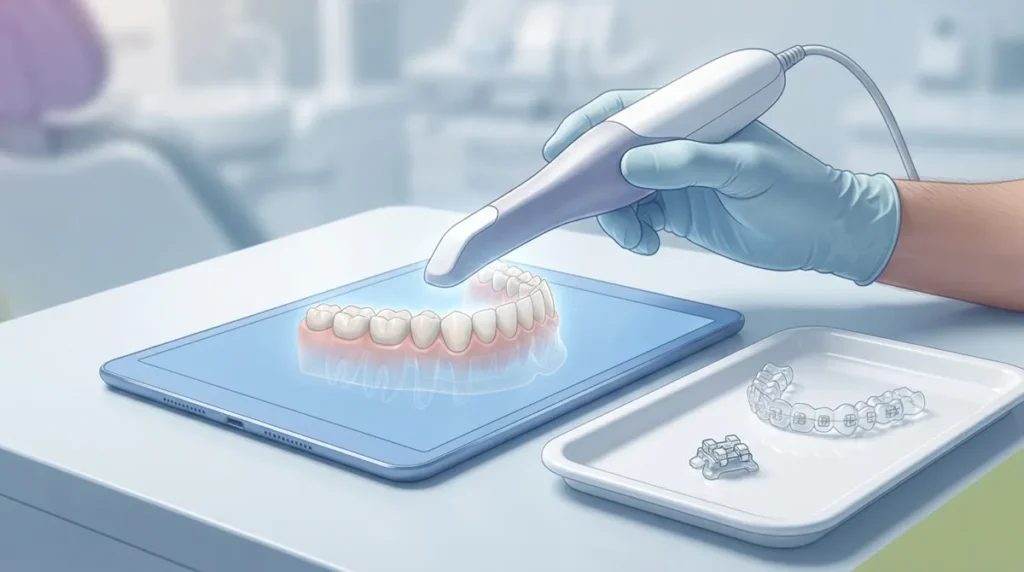
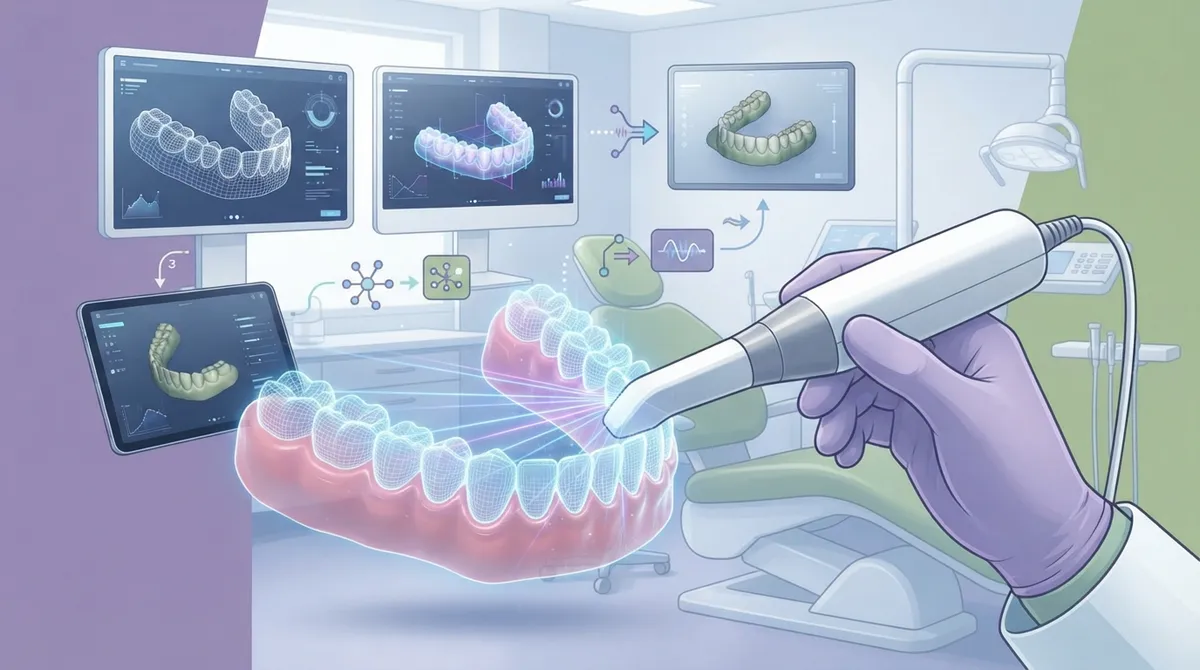
A digital scan is a 3D picture of your teeth and bite. Your orthodontist moves a small, wand-shaped intraoral scanner around your mouth. It captures thousands of images and builds a digital model on a screen, usually in just a few minutes.
That model can replace or add to traditional impression material. It supports diagnosis, treatment planning, and, in some systems, the design or manufacture of orthodontic appliances. Think of it as the starting blueprint for your smile.
It’s also fun to watch. Many patients love seeing their own teeth appear on screen in real time. For kids, it often turns a nervous first visit into something that feels more like a science demo.
2. A Scan Alone Does Not Make Braces “Custom”
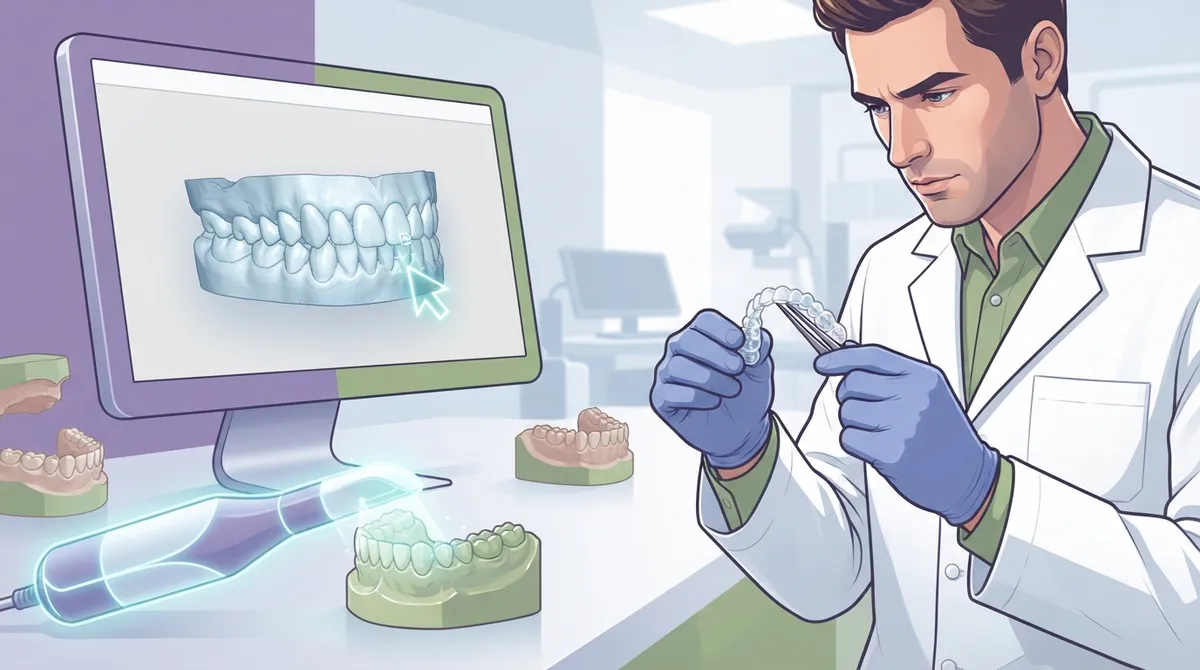
This is the most important point in this whole article, so let’s say it clearly. A digital scan does not, by itself, decide your treatment plan. It also does not guarantee that your braces will be individually manufactured.
Your orthodontist looks at the scan along with an exam. When needed, they also review photos and X-rays. Then the clinician and the lab or digital system use those records to plan where brackets go or how an appliance gets built.
In other words, the scan is a powerful tool, but the orthodontist is still the one steering the ship. That’s why choosing a trained, board-certified orthodontist matters so much.
3. The Different Levels of “Custom”
When someone says “custom braces,” ask what is actually customized. The answer can vary a lot. Here are the most common levels you might hear about:
- Digitally planned bracket placement: Standard brackets are used, but your orthodontist plans their exact position on a 3D model first.
- Indirect bonding trays: A digitally designed tray helps place the brackets on your teeth with precision.
- Fully custom brackets: Each bracket is designed for the shape of an individual tooth and made through advanced manufacturing.
- Custom aligner trays: Clear, removable trays are made from your digital model, one set at a time.
Availability depends on the orthodontist, the appliance system, your case, and the lab workflow. None of these is automatically “better” for everyone. The best choice fits your teeth, your goals, and your lifestyle.
4. Fully Digital Braces: How LightForce Fits In
If you want the most customized fixed-braces experience, a fully digital system is worth a look. At our Lakewood Ranch office, we offer LightForce Orthodontics. It’s a digital system where brackets are 3D printed to match your teeth and your treatment plan.
Dr. Flor Segovia can adjust the plan on a digital model and see the impact of changes right away. Custom appliances are typically delivered in under two weeks, so you can start your smile journey sooner. Brackets are also available in clear or white options for a more discreet look.
Curious how it compares to other choices? Our guide on types of braces breaks down the options in plain English.
5. Digital Scans Are Usually More Comfortable
Let’s be honest. Traditional impressions are nobody’s favorite part of getting braces. Digital scanning is often much more comfortable. There’s no tray full of material, no waiting for it to set, and a lot less gagging.
Digital scanning can also reduce the need for impression trays and the handling of physical stone models. That’s a nice perk for kids, anxious patients, and anyone with a sensitive gag reflex.
What about time? Research on procedure time is mixed. A 2022 critical review of intraoral scanners in orthodontics found no clear overall winner between digital and traditional impressions on speed. So think of time savings as workflow-dependent, not guaranteed. Comfort, though, is a real and common benefit.
6. How Accurate Is a Digital Scan?
Good question, and the honest answer is “very good, with some caveats.” Here’s what recent research shows:
| Research | What It Found |
|---|---|
| 2023 systematic review (35 studies) | Scanners showed satisfactory-to-excellent reproducibility, while accuracy versus conventional impressions remained debated. |
| 2023 review citing a meta-analysis | 3D deviation between digital and alginate impressions was 0.09 mm; precision for both was under 0.1 mm. |
| 2022 full-arch systematic review (15 studies included) | Accuracy can vary by area, with back teeth and some gum or palate surfaces being harder to capture. |
| 2018 systematic review (32 studies) | Scanners were reliable for diagnostic and short-span uses; full-arch scans were more prone to deviation. |
The takeaway? Intraoral scanning is widely accepted for orthodontic models and treatment planning. But results depend on the scanner, the technique, the operator’s experience, and conditions in your mouth. Those study numbers reflect the studies themselves, not a promise for any one scan. That’s why experience counts.
7. A Scan Doesn’t Replace X-Rays or a Full Exam
A scan records the visible surfaces of your teeth. It doesn’t show roots, bone, or other hidden structures. So it can’t replace radiographs or a thorough orthodontic evaluation.
Your orthodontist picks imaging based on what your case needs. Not every scan automatically means more X-rays, and not every case can skip them. If you’re wondering what to expect, our post on what happens during an orthodontic evaluation walks through it step by step.
You can also read about what to expect at your first orthodontic visit. It’s a friendly, low-pressure way to see how records, scans, and planning come together.
8. Questions to Ask Before You Choose Digitally Customized Braces
Going in with a few good questions makes you a more confident patient. Here’s a handy checklist to bring along:
- What will the scan be used for? Planning only, or also designing or making the appliance?
- What exactly is customized? The brackets themselves, or just their placement?
- What other records are needed? Photos, X-rays, or other imaging?
- What’s the expected timeline? How often will adjustments happen?
- What’s the total cost? Ask what’s included and what isn’t.
- How are refinements and repairs handled? Knowing this upfront avoids surprises.
These questions apply to nearly any orthodontic office. For more ideas, check out how to ask the right orthodontic questions at your visit.
9. Who Benefits Most From Digitally Designed Braces?
Digital planning can be a wonderful fit for lots of people. Here’s how it might line up with different needs:
- Parents of kids and teens: A comfortable, quick scan can make visits easier, and flexible scheduling helps busy family calendars. Explore our teen orthodontic treatment options.
- Busy professionals: Efficient planning and fewer surprises mean less time out of your day. Many adults also like discreet clear or white brackets.
- Life event planners: Got a wedding or graduation coming up? Digital planning can help map out a realistic timeline. Always ask what’s possible for your case.
- Adults with relapse: If your teeth shifted after earlier treatment, a fresh digital scan gives a precise starting point. Learn more about adult orthodontics.
Prefer something removable? Digital scans also power custom clear aligners, including Angel Aligners, which use AI-assisted planning and a 7+3 wear schedule. And for kids who’d love a little fun with their braces, WildSmiles braces come in playful shapes.
What About Cost and Insurance?
Cost varies by case, appliance type, and treatment length. A digital scan is just one part of the picture, so it’s best to ask for a clear, written breakdown. Many families find that flexible payment options make treatment far more manageable.
If budgeting is on your mind, take a look at our orthodontic financing page. You can also read 9 smart ways to make orthodontic financing work for you for practical tips.
Ready to Start Your Digital Smile Journey?
Wanting custom braces designed with digital scans is a smart, modern way to approach orthodontic care. The scan gives you comfort and precision, while your orthodontist’s expertise turns it into a plan that actually fits your teeth. Just remember to ask what’s truly customized, what other records you’ll need, and how everything is priced.
You can also see what our patients say by visiting us on Google: Visit us on Google — Segovia Orthodontics. And if you want a peek at our community, follow along on our Facebook page and our Instagram page. Curious about credentials? You can learn more about the American Board of Orthodontics.
Ready to see your smile in 3D? Request an appointment today, or call us at 941-557-1333. We’d love to meet you and help you find the right path to your best smile.
FAQs
Q: Can I get braces designed from a digital scan of my teeth?
A: Yes, many orthodontists use a digital scan to plan treatment and, depending on the system, to customize bracket placement or fabricate appliances. How much is truly customized depends on the orthodontist, your case, and the lab workflow, so it’s smart to ask exactly what your plan includes.
Q: Do digital scans replace X-rays and other orthodontic records?
A: Not quite. A scan captures the visible surfaces of your teeth, but it doesn’t show roots or bone. Your orthodontist decides which photos or X-rays you need based on your case, alongside a full exam.
Q: Are custom braces made from digital scans faster or more accurate?
A: Research shows intraoral scanners are generally acceptable for orthodontic planning, though accuracy findings versus traditional impressions are mixed. Time savings depend on the workflow, so it’s best to think of digital scanning as a comfort and precision tool rather than a guarantee of speed.
Q: Are digital scans more comfortable than traditional impressions?
A: For most people, yes! There’s no tray of putty and far less gagging, which is a big win for kids and anyone with a sensitive gag reflex. Comfort is one of the most commonly reported benefits of digital scanning.
Q: What should I ask an orthodontist before choosing digitally customized braces?
A: Ask what the scan will be used for, whether the brackets themselves are customized or only their placement, and what other records you’ll need. It also helps to ask about the timeline, total cost, and how refinements or repairs are handled.
Our Service Area