Key Takeaways
-
Schedule a first orthodontic check-up by age 7 to catch jaw growth and tooth eruption issues early, even though most kids won't need braces immediately—early detection can prevent more complex treatment later.
-
Watch for warning signs like mouth breathing, difficulty chewing, persistent thumb sucking, crooked teeth, or visible bite problems, which indicate your child should have a professional orthodontic evaluation.
-
Treatment isn't one-size-fits-all: some children need only monitoring, others require one-phase comprehensive braces after permanent teeth arrive, and some benefit from two-phase treatment starting ages 7-10.
-
Modern treatment options include space maintainers, palatal expanders, clear aligners for older kids, and customizable braces (like WildSmiles or LightForce technology) that make treatment more comfortable and engaging.
-
Maintain strict oral hygiene during treatment by brushing after meals, flossing daily, avoiding sticky foods, and keeping regular dental cleanings to prevent cavities and gum problems around brackets.
-
Choose a board-certified orthodontist with specialized training beyond dental school to ensure your child receives proper diagnosis and evidence-based treatment plans tailored to their unique needs.
Does your child grind their teeth, breathe through their mouth, or have a smile that just doesn’t look quite right? You’re not alone in wondering when to worry and when to wait. Every parent wants to make the best choice for their child’s growing smile, but all the information out there can feel overwhelming.
Here’s some good news: children’s orthodontics doesn’t have to be confusing or scary. In fact, most kids just need a simple check-up to make sure everything is developing the way it should. This guide will walk you through everything you need to know, from the right age to start to what treatments actually involve.
At Segovia Orthodontics, we’ve helped countless Lakewood Ranch families navigate this journey with confidence. Dr. Flor Segovia believes every child deserves a comfortable, friendly experience, whether they need simple monitoring or active treatment. Let’s break down what children’s orthodontics really means for your family.
What Exactly Is Children’s Orthodontics?
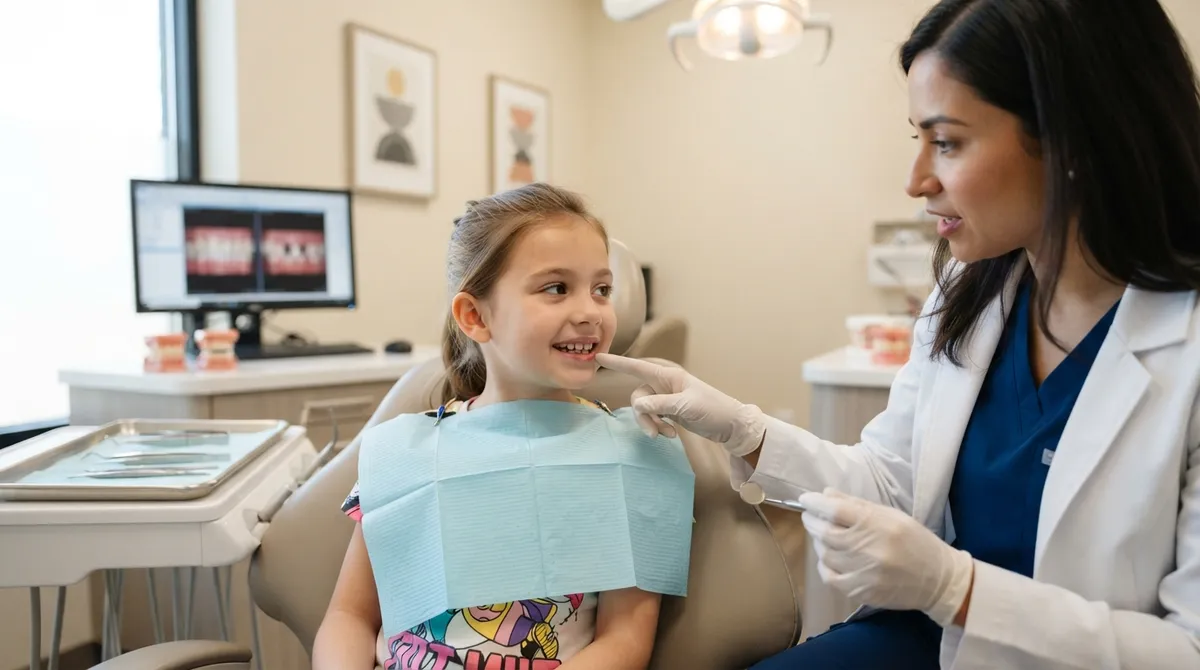
Children’s orthodontics focuses on watching how a child’s teeth and jaw grow over time. It’s not just about straightening teeth. It’s about catching problems early, before they become bigger issues.
During childhood, kids have a mix of baby teeth and adult teeth. This stage is called mixed dentition. It’s the perfect window for an orthodontist to spot potential trouble, like crowding, bite problems, or jaw growth issues.
Think of it like a regular check-up for your child’s growing smile. Most visits at this stage don’t lead to braces right away. Instead, they help create a roadmap for the future.
When Should Your Child First See an Orthodontist?
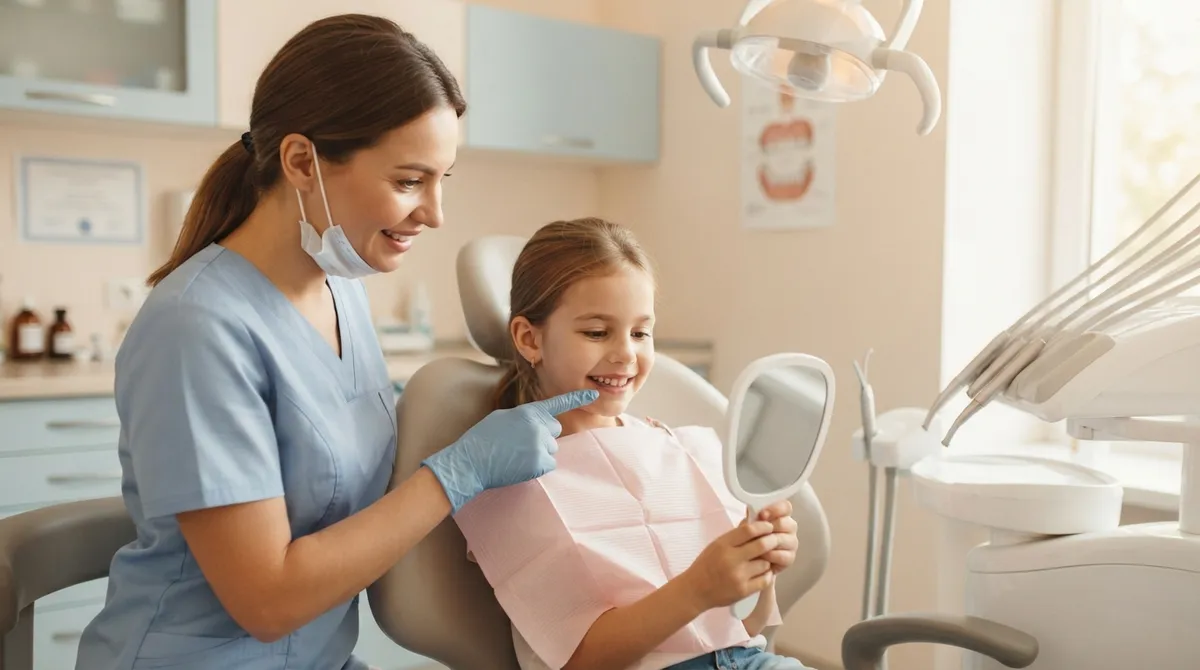
The American Association of Orthodontists recommends that kids have their first orthodontic check-up by age 7. This might seem early, especially since many kids still have baby teeth at this age. But there’s a good reason behind it.
By age 7, most children are in the early mixed-dentition stage. This means they have both baby teeth and some permanent teeth. An orthodontist can use this stage to spot issues with tooth eruption, jaw growth, spacing, and bite alignment.
Here’s the key thing to remember: an early check-up does not mean your child needs braces at age 7. Most kids are simply monitored and seen again later. Learning about early orthodontic treatment now can help you feel prepared for whatever comes next.
Why Age 7 Matters So Much
At this age, an orthodontist can often predict how a child’s jaw will grow. This makes it easier to guide teeth into better positions before all the permanent teeth arrive. Waiting too long can sometimes make treatment more complicated later on.
The American Academy of Pediatric Dentistry also supports ongoing checks during regular dental visits. This means your family dentist and an orthodontist can work together to watch your child’s smile develop.
Common Signs Your Child May Need an Orthodontic Evaluation
Many parents wonder if their child’s dental issue is normal or something to worry about. Here are signs that suggest it’s time for a professional look:
- Difficulty chewing or biting food comfortably
- Breathing through the mouth instead of the nose
- Thumb or finger sucking that continues past early childhood
- Teeth that come in crooked or out of position
- Losing baby teeth very early or very late compared to other kids
- Jaws that appear too far forward or too far back
- Noticeable gaps or crowding between teeth
- A bite that looks visibly off, like an underbite or crossbite
If you notice any of these signs, don’t panic. It simply means it’s a good time to schedule a visit. You can learn more about what to expect during a first orthodontic visit to ease any worries.
Common Orthodontic Problems in Children
Kids can develop a variety of orthodontic issues as their teeth and jaws grow. Understanding these problems can help you know what your orthodontist might be looking for.
- Crowding: This happens when there isn’t enough room for all the teeth to fit properly.
- Excessive spacing: Gaps between teeth that are wider than normal.
- Crossbite: When upper teeth sit inside the lower teeth instead of outside.
- Overbite: Upper teeth stick out too far over the lower teeth.
- Underbite: Lower teeth extend further out than the upper teeth.
- Open bite: Front teeth don’t touch when the mouth is closed.
- Ectopic or impacted teeth: Teeth that come in at the wrong angle or get stuck.
- Missing or extra teeth: Either too few or too many teeth developing.
For a deeper look into these issues, our page on common orthodontic problems breaks each one down in simple terms.
One-Phase vs Two-Phase Treatment: What’s the Difference?
Not every child needs treatment right away, and not every child needs two rounds of treatment. The right approach depends on your child’s specific needs.
| Treatment Type | When It Happens | What It Involves |
|---|---|---|
| Monitoring Only | Ongoing, starting around age 7 | Regular check-ups with no active treatment yet |
| One-Phase Treatment | Usually during teen years | Comprehensive braces or aligners once most permanent teeth arrive |
| Two-Phase Treatment | Early phase around ages 7-10, second phase in the teen years | Interceptive treatment first, followed by comprehensive braces later |
Two-phase treatment isn’t right for every child. Many kids do just fine with a single phase of comprehensive treatment once their permanent teeth have mostly come in. Your orthodontist will help you decide which path makes sense.
Types of Treatment Options for Kids
Children’s orthodontic treatment isn’t one-size-fits-all. Depending on the diagnosis, your child might need one of several different appliances or approaches.
- Space maintainers to hold room for permanent teeth
- Palatal expanders to widen a narrow upper jaw
- Removable appliances for mild corrections
- Limited braces for small, specific fixes
- Comprehensive braces for full alignment correction
- Clear aligners for older kids and teens who prefer a discreet option
At Segovia Orthodontics, we’re proud to offer fun and modern options for kids. Our WildSmiles Braces let children choose from playful bracket shapes like stars, hearts, and even Mickey Mouse designs. When kids feel excited about their braces, they’re more likely to brush well and take good care of their smile.
For families looking for cutting-edge technology, we also offer LightForce Orthodontics. This fully digital system uses 3D printing to create custom brackets that fit your child’s teeth perfectly, often resulting in faster and more comfortable treatment.
What Happens During a First Consultation?
Walking into an orthodontic office for the first time can feel intimidating for both parents and kids. Here’s what typically happens during that first visit:
- A friendly team member welcomes you and reviews your child’s dental history.
- The orthodontist examines your child’s teeth, jaw, and bite.
- Diagnostic records may be taken, such as photos, X-rays, or digital scans.
- Dr. Segovia discusses her findings in simple, easy-to-understand terms.
- You’ll receive a personalized plan, whether that means monitoring or starting treatment.
- Any questions you have are answered before you leave.
We know that visiting a new office can feel stressful for kids. That’s why our team focuses on making every visit calm and welcoming. Explore our page on why families choose us to see how we make appointments comfortable for every age. You can also review our advanced orthodontic technology that helps make exams faster and more accurate.
Caring for Braces: Tips for Busy Parents
Good oral hygiene becomes extra important once your child has braces or other appliances. Brackets and wires can trap food, which raises the risk of cavities and gum problems.
Here are some simple habits to encourage at home:
- Brush after every meal, especially after sugary snacks
- Floss daily using floss threaders or special orthodontic flossers
- Avoid sticky, hard, or chewy foods that can damage brackets
- Keep up with regular dental cleanings alongside orthodontic visits
- Use a fluoride mouthwash if recommended by your provider
If your child loves being active, remember to ask about protective mouthguards for sports. And if something ever breaks or feels uncomfortable, our guide on orthodontic emergency care can help you know what to do next.
How Long Does Treatment Usually Take?
Treatment length depends on your child’s specific needs. Some kids only need a few months of interceptive treatment. Others may need comprehensive braces for one to three years.
Factors that affect timing include:
- The severity of the bite or spacing issue
- How well your child follows care instructions
- Whether one-phase or two-phase treatment is recommended
- Your child’s natural growth pattern
Your orthodontist will give you a personalized estimate after the initial evaluation. Every smile is different, so timelines can vary quite a bit from child to child.
Why Choose a Board-Certified Orthodontist for Your Child?
Not every dental provider has specialized training in orthodontics. A board certified orthodontist has completed additional years of focused education beyond dental school.
Dr. Flor Segovia is proud to hold this certification, verified through the American Board of Orthodontics. This means she has met rigorous standards for diagnosing and treating orthodontic issues in patients of all ages, including children.
Choosing a specialist gives you peace of mind. You can trust that your child’s treatment plan is based on years of focused training and experience. Learn more about Orthodontist Flor Segovia and her approach to family-centered care.
Why Lakewood Ranch Families Trust Segovia Orthodontics
Raising a family in Lakewood Ranch means juggling school schedules, sports practices, and everything in between. That’s why our office focuses on flexible scheduling and a welcoming atmosphere for busy parents.
Dr. Segovia provides bilingual care in both English and Spanish, making communication easy for more families in our community. Whether your child needs simple monitoring or full treatment, our team is here to guide you every step of the way.
Curious what other parents think? You can visit us on Google — Segovia Orthodontics to read real reviews from local families. You can also follow along on our Facebook page or check out smile transformations on our Instagram page.
Financing Options for Children’s Orthodontic Care
Cost is often one of the biggest concerns for parents considering orthodontic treatment. The good news is that most practices, including ours, offer flexible payment plans to fit different budgets.
Here’s what many families find helpful when planning for treatment:
- Ask about payment plans that spread costs over the length of treatment
- Check if your dental insurance includes any orthodontic coverage
- Look into flexible spending accounts or health savings accounts
- Ask your provider about any current promotions or discounts
Our team can walk you through all available options during your consultation. Visit our page on orthodontic financing to learn more about what’s available for your family.
Your Child’s Smile Journey Starts With One Step
Every great smile starts with a simple first visit. Whether your child is just turning 7 or already showing signs of a bite issue, there’s no need to wait and wonder. Getting answers early gives you more options and more peace of mind.
Our team at Segovia Orthodontics in Lakewood Ranch is ready to welcome your family with warmth and expertise. We’d love to meet your child and create a plan that fits their unique smile and your family’s schedule.
Ready to take the next step? You can request an appointment online today, or feel free to call us at 941-557-1333 to speak with our friendly team. We can’t wait to help your child shine with confidence!
FAQs
Q: At what age should a child first see an orthodontist?
A: The American Association of Orthodontists recommends a first check-up by age 7. Don’t worry though, this doesn’t mean braces are needed right away! Most kids simply get monitored until the timing is right for treatment.
Q: Does every 7-year-old need braces?
A: Not at all, and this is such a common misconception! Most children who visit an orthodontist at age 7 are simply observed over time. Braces usually come later, once more permanent teeth have grown in.
Q: What is the difference between early treatment and comprehensive braces?
A: Early treatment, sometimes called Phase One, addresses specific growth or spacing issues while a child still has baby teeth. Comprehensive braces come later and focus on fully aligning all the permanent teeth for a complete smile transformation.
Q: Are braces or expanders painful for kids?
A: Most kids feel some mild soreness for a few days after getting braces or an expander adjusted, but it’s generally very manageable. We always share simple comfort tips to help your child feel their best throughout treatment.
Q: How much does children’s orthodontic treatment cost?
A: Costs vary depending on the treatment type and how long it takes, but many dental insurance plans offer partial coverage for orthodontics. Our team is happy to walk you through flexible financing options that fit your family’s budget.
Our Service Area