Key Takeaways
-
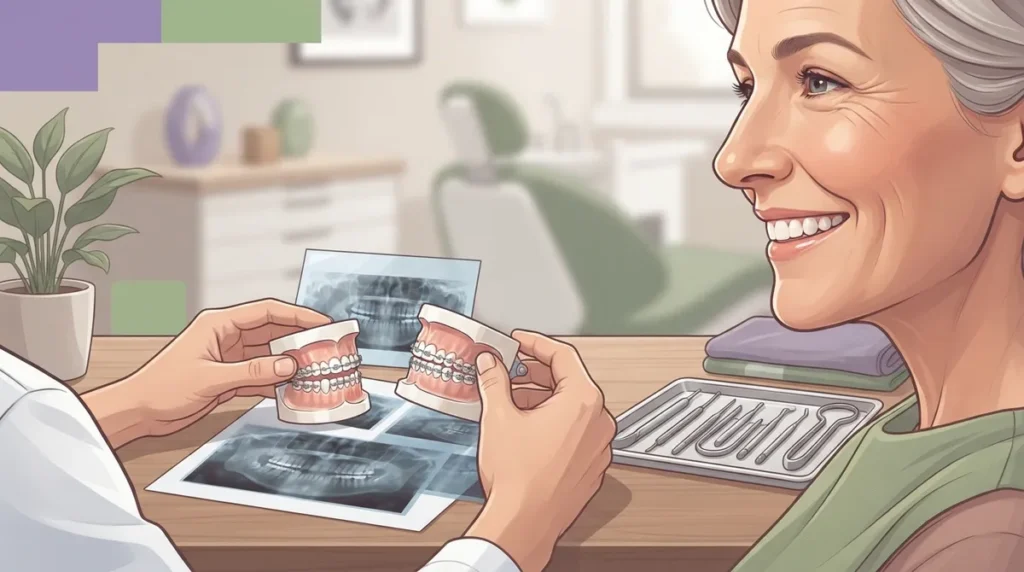
There is no upper age limit for orthodontic treatment; what matters most is the health of your teeth, gums, and bone. Seniors should seek orthodontists with experience treating older adults who have crowns, bridges, implants, or gum changes.
-
Before starting treatment, your orthodontist must verify gum health and bone support are adequate, as active gum disease must be treated first. Moving teeth through inflamed gums can worsen problems, so a healthy foundation is essential.
-
Medicare generally does not cover adult orthodontics, and dental insurance varies widely with lifetime maximums. Ask about flexible payment plans, HSA use, and in-office financing options at your consultation.
-
Straighter teeth make cleaning easier, improve bite comfort, and can prepare for future dental work like implants or crowns. These practical benefits, along with renewed confidence, are key reasons seniors choose orthodontic treatment.
Have you ever looked in the mirror and wished your smile felt a little more like you? Maybe your teeth have shifted over the years. Maybe a gap has grown, or crowding is making it harder to floss. Here is the good news: there is no upper age limit for orthodontic treatment. Whether you are 55, 65, or 75, what matters most is the health of your teeth, gums, and bone, not the number on your birthday cake.
Finding the right orthodontist for senior patients takes a little know-how. Older adults often have crowns, bridges, implants, or gum changes that need extra planning. A caring, experienced team makes all the difference.
In this friendly guide, we will walk you through each step. You will learn what to look for, what questions to ask, and what to expect along the way. Grab a cup of tea and let’s get started!
Why More Older Adults Are Choosing Orthodontics
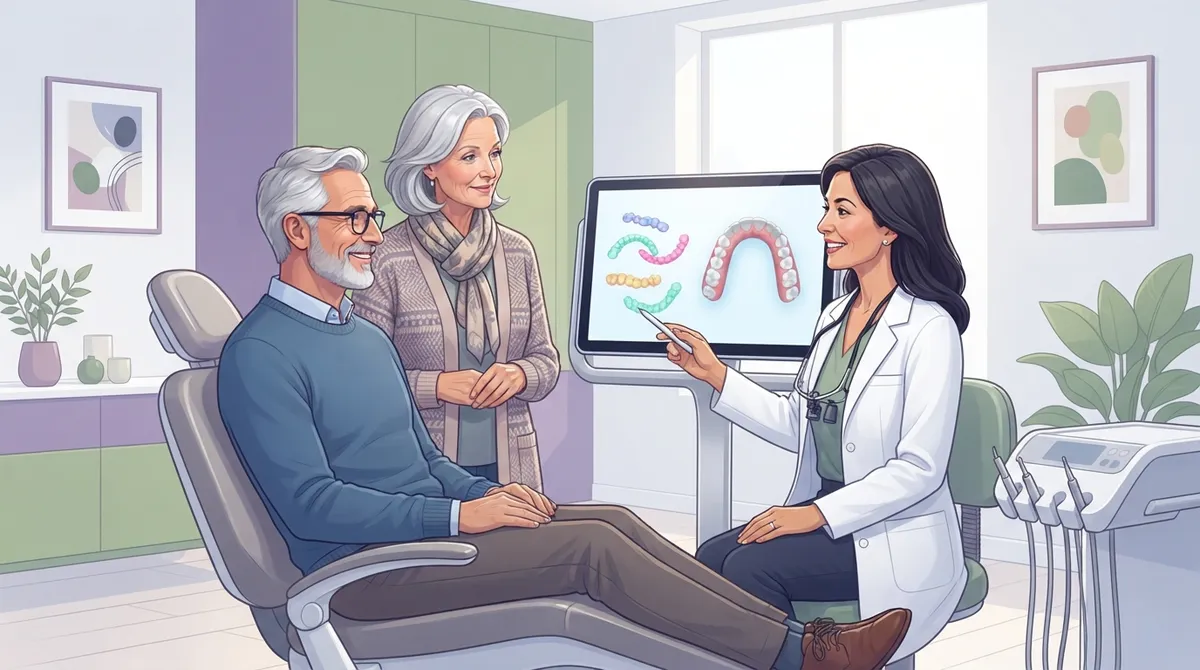
Straight teeth are not just for teenagers. According to the American Association of Orthodontists (AAO), about 1.91 million adult patients were in active treatment with U.S. AAO-member orthodontists in 2024. That is up from roughly 1.64 million in 2022. These numbers cover adults as a broad group, not seniors alone, but they show a clear trend: adults are saying yes to better smiles.
Seniors have their own good reasons for starting treatment:
- Easier cleaning: Straighter teeth are simpler to brush and floss, which supports healthier gums.
- Better bite comfort: A balanced bite can make chewing more comfortable.
- Prepping for dental work: Moving teeth into better positions can make room for an implant, bridge, or crown.
- Renewed confidence: A smile you love can brighten photos, family gatherings, and everyday moments.
It is never too late to feel proud of your smile. Our team shares more about this on our adult orthodontics page.
How to Find the Right Orthodontist for Senior Patients
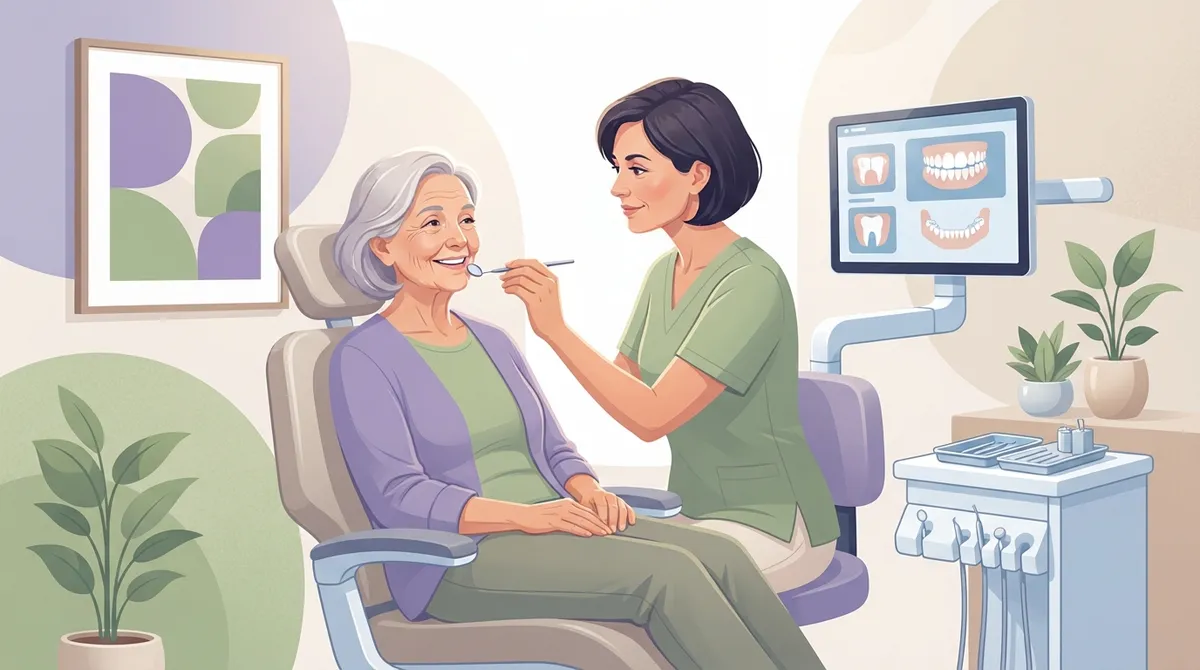
Follow these six steps to find a caring, qualified specialist who fits your needs.
- Check for specialist training. An orthodontist has extra years of training in tooth movement and bite correction beyond dental school. You can verify credentials through the American Board of Orthodontics. Learn why this matters in our guide to a board certified orthodontist.
- Ask about experience with adults. Adult teeth and gums behave differently than a teenager’s. Ask how many older patients the office treats and how they handle gum recession or bone changes.
- Look for coordinated care. Your orthodontist should be comfortable working with your general dentist, periodontist, or oral surgeon when needed.
- Review the technology. Digital scans and 3D planning can make treatment more precise and comfortable. See what is possible with advanced orthodontic technology.
- Read real patient feedback. Reviews tell you what the day-to-day experience feels like. You can visit Segovia Orthodontics on Google to see what our Lakewood Ranch patients say.
- Book a consultation. A visit lets you meet the team, ask questions, and see if the office feels welcoming and comfortable.
If you are searching locally, our article on how to find the right orthodontist in Lakewood Ranch offers extra tips.
Is Your Mouth Ready for Treatment?
Before any braces or aligners go on, your orthodontist will check the foundation: your gums and the bone that hold your teeth in place. Teeth can move safely only when this support is healthy enough.
What Your Orthodontist Will Look For
- Gum health: Active gum disease needs to be treated first. Moving teeth through inflamed gums can make problems worse.
- Bone support: Age-related bone loss may affect which teeth can be moved and how.
- Cavities and infections: Untreated decay or oral infections generally need care before orthodontics begins.
- Existing dental work: Crowns, bridges, implants, and fillings all affect the treatment plan.
- General health: Your orthodontist may ask about medications and medical conditions that could affect healing.
Do not worry if your dentist finds something that needs attention. Many patients start with a bit of preparation, and that is perfectly normal. A healthy foundation leads to better, longer-lasting results.
Braces or Clear Aligners: What Works for Seniors?
The best choice depends on your bite, your goals, and your lifestyle. Appearance matters, but it should not be the only deciding factor. Aligners are not right for every case, and braces are not right for every person either.
| Option | Best For | Things to Consider |
|---|---|---|
| Traditional metal braces | Complex bite problems and precise tooth control | Most visible; need extra cleaning care |
| Ceramic or clear braces | Adults wanting a more discreet fixed option | Fixed in place; can be harder to keep clean |
| Clear aligners | Mild to moderate crowding or spacing | Removable, but must be worn about 22 hours a day |
| Self-ligating or digital braces | Patients wanting efficient, comfortable fixed treatment | Fit and planning depend on your diagnosis |
At Segovia Orthodontics, we offer several paths. LightForce braces use custom 3D-printed brackets designed to fit each tooth and can reduce treatment time. Clear aligners, including Angel Aligners, offer a discreet, removable option with comfortable, frosted trays. Not sure which is best? Our comparison of braces vs. clear aligners can help you decide.
Special Considerations for Older Adults
Senior orthodontics comes with a few differences compared to treating teens. Knowing them ahead of time helps you feel prepared.
No More Jaw Growth
Because adults are done growing, orthodontists cannot use the growth-guiding tools they use with children. Some jaw differences may need a different plan, sometimes with help from an oral surgeon. Your orthodontist will explain what is realistic for your situation.
Crowns, Bridges, and Implants
Dental work does not move the way natural teeth do. Implants, for example, are fixed in bone and generally cannot be moved. Your orthodontist plans around these teeth and works with your dentist to protect them.
Gum Recession and Sensitivity
If your gums have receded, your care team may suggest gentler forces and extra monitoring. Be sure to mention any sensitivity so your plan can be adjusted.
Retention Matters for Life
After treatment, a retainer helps keep teeth in their new positions. Teeth can drift at any age, so wearing your retainer as directed is key. Learn more about orthodontic retainers and how they protect your investment.
What to Ask at Your Consultation
A good consultation should leave you feeling informed, not rushed. Bring a list of questions and, if you like, a family member for support. Here are some great ones to start with:
- What is my diagnosis, and what are my treatment options?
- What benefits and limits should I expect?
- How long will treatment likely take?
- What will the total cost be, and are payment plans available?
- How will you coordinate with my dentist or periodontist?
- What kind of retainer will I need afterward?
Want to feel extra ready? Check out our tips on asking the right orthodontic questions and what happens during an orthodontic evaluation.
How to Keep Your Teeth Healthy During Treatment
Braces and aligners can make plaque control trickier, which is why daily habits matter so much. Cavities and gum inflammation are the last things you want while straightening your smile.
- Brush after meals. Use a soft toothbrush and fluoride toothpaste, and take your time around brackets.
- Clean between teeth daily. Floss threaders, interdental brushes, or a water flosser can help.
- Keep regular dental checkups. Your general dentist should still see you for cleanings during treatment.
- Follow your orthodontist’s instructions. Wear elastics, aligners, and retainers exactly as directed.
- Watch what you eat. Sticky or hard foods can damage braces. See our list of foods to avoid with braces.
If a wire pokes or a bracket comes loose, do not panic. Our guide to an orthodontic emergency explains what to do.
Understanding Cost and Coverage
Cost is a big question for many seniors, and it is a fair one. Medicare generally does not cover routine adult orthodontics, and dental insurance varies widely by plan. Many plans have lifetime orthodontic maximums, and some adult coverage is limited. Always check your benefits before you commit.
The good news is that many offices offer flexible options. Ask about monthly payment plans, health savings account (HSA) use, and in-office financing. Our orthodontic financing page breaks down how payment plans work, and our guide to using orthodontics insurance shares ways to stretch your benefits.
Why Families in Lakewood Ranch Trust Segovia Orthodontics
At Segovia Orthodontics, we believe a great smile has no age limit. Dr. Flor Segovia is a board-certified orthodontist who provides personalized care for children, teens, and adults. You can learn more about Dr. Segovia and what makes our practice different on our why choose us page.
We offer care in both English and Spanish, a warm and supportive office, and modern treatment options such as LightForce braces and Angel Aligners. Every plan is built around your health, comfort, and goals. We also love sharing smiles and updates on our Instagram page and our Facebook page.
Ready to Smile with Confidence?
You have wondered about it, and now you know the answer: yes, seniors can absolutely get orthodontic treatment. The key is choosing an orthodontist who looks at your whole picture, from gum health to existing dental work, and who treats you with patience and respect.
Start by booking a consultation, bring your questions, and take the next step at your own pace. Your future smile is waiting. When you are ready, request an appointment with our team, call us at 941-557-1333, or contact us with any questions. We cannot wait to meet you!
FAQs
Q: Can a 70-year-old get braces or clear aligners?
A: Yes, absolutely! There is no upper age limit for orthodontic treatment. What matters most is that your gums, bone, and teeth are healthy enough for safe movement, and an orthodontist can check that for you.
Q: Are braces safe for seniors with gum disease or bone loss?
A: Active gum disease needs to be treated before orthodontic work begins, since moving teeth through inflamed tissue can cause more harm. If you have some bone loss, your orthodontist can often adjust the plan with gentler forces and closer monitoring, often working alongside your periodontist.
Q: Can orthodontic treatment work with crowns, bridges, or implants?
A: Yes, but it takes careful planning. Implants generally cannot be moved, and crowns and bridges affect which teeth can shift, so your orthodontist coordinates with your dentist to protect your existing work.
Q: Does Medicare or dental insurance cover adult orthodontics?
A: Medicare generally does not cover routine adult orthodontics, and dental insurance varies by plan, often with lifetime maximums. The good news is that many offices offer flexible payment plans, so be sure to ask about your options at your consultation.
Q: How long does orthodontic treatment take for senior patients?
A: Treatment length depends on your diagnosis, your goals, and the type of appliance you choose. Your orthodontist will give you a personalized estimate during your consultation, along with a plan for retainers afterward.
Our Service Area