Key Takeaways
-
Call your orthodontist early in the day, since morning calls give the team more time to fit you in; describe what broke or hurts, where, and when it started.
-
Head to the ER or call 911 for heavy bleeding, trouble breathing or swallowing, suspected jaw fracture, major facial injury, or a knocked-out or badly displaced permanent tooth.
-
For a poking wire, gently nudge it toward the tooth with a cotton swab or pencil eraser and cover any sharp end with orthodontic wax; never force or cut the wire unless a clinician advises it.
-
A broken bracket still attached to the wire can often wait for a scheduled visit; a cracked or sharp aligner should stop being worn until you get guidance on switching trays.
-
Never use household glue to reattach braces, and avoid hard, sticky, or chewy foods until your orthodontist can repair the problem.
-
Confirm the practice treats braces and aligners, accepts new patients, and can see you today before driving there, since general dental emergency offices may lack orthodontic expertise.
It is 4:30 on a Tuesday. Your daughter’s wire is poking her cheek, your own aligner just cracked, or you have been wondering about braces for months and want a real answer today. If that sounds familiar, take a breath. You are not alone, and help is closer than you think.
Many people searching for same day orthodontic answers near Lakewood Ranch are not looking for a miracle. They want a calm voice, clear next steps, and maybe a quick visit if one is needed. The good news is that most orthodontic questions can be sorted out fast when you know who to call, what to say, and what you can safely do at home in the meantime.
In this friendly guide, we will walk you through how to get quick orthodontic guidance, how to tell a true emergency from a minor annoyance, and how to prepare so your call is as helpful as possible. Whether you are a busy parent, a working professional, or an adult returning to treatment, you will leave with a simple game plan.
What “Same-Day Orthodontic Answers” Really Means
The phrase can mean a few different things. Knowing which one you need saves you time and stress.
- Phone or virtual triage: A team member listens to your problem and tells you what to do next, often within hours.
- An urgent in-office visit: A broken bracket, a loose band, or a wire that will not stop poking may need a quick repair.
- A new-patient consultation: You want to know if braces or aligners are right for you, and you want to know soon.
Availability depends on the practice, the schedule, and how urgent your situation is. That is why calling early in the day and describing the issue clearly makes such a difference. Always confirm that the office can see you before you drive anywhere.
Step-by-Step: How to Get Answers Today
Here is a simple process you can follow right now. It works for kids, teens, and adults.
- Pause and look at the problem. Is it painful, sharp, loose, or just annoying? Take a quick photo if you can. Pictures help the team understand the issue.
- Check for true emergency signs. Heavy bleeding, trouble breathing or swallowing, or major facial trauma means emergency care first. More on this below.
- Call your orthodontic office early. Morning calls give the team more time to fit you in. If you do not have an orthodontist yet, you can call us at 941-557-1333 and ask what is possible today.
- Describe the issue in plain words. Say what broke, where it hurts, and when it happened.
- Ask direct questions. “Can I be seen today?” “Is this safe to wait?” “What can I do at home for now?”
- Follow the advice you are given. The team may suggest a quick visit, a scheduled repair, or simple care at home.
That is it. Six small steps can turn a stressful afternoon into a clear plan.
Know When It Is an Orthodontic Issue and When It Is Not
Not every mouth problem belongs at the orthodontist, and that is okay. The American Association of Orthodontists (AAO) advises calling your orthodontist to sort out which problems need prompt care and which can wait for a regular visit. Here is a quick guide.
| Situation | Who to Contact | How Urgent? |
|---|---|---|
| Poking or loose wire | Your orthodontist | Call today; often manageable at home first |
| Loose or broken bracket | Your orthodontist | Call today; may wait for a scheduled visit |
| Cracked or lost aligner | Your orthodontist | Call today for guidance |
| Mild soreness after adjustment | Home care; call if it lingers | Usually not urgent |
| Heavy bleeding or trouble breathing | Emergency room or 911 | Immediate |
| Knocked-out or badly displaced permanent tooth | Emergency dental care or ER | Immediate |
| Suspected jaw fracture or major facial injury | Emergency room | Immediate |
If you are unsure which row you fall into, call anyway. A quick conversation can save you a trip or tell you to go right away. You can also read more on our orthodontic emergency page.
Quick Home Fixes While You Wait
Here are a few gentle tips that line up with AAO guidance. These are temporary comfort steps, not permanent repairs.
A Poking Wire
Use a clean cotton swab or a pencil eraser to gently nudge the wire toward the tooth. If the end is still sharp, cover it with a small piece of orthodontic wax. Please do not force the wire, and do not cut it unless a clinician tells you to.
A Loose Bracket
If the bracket is still attached to the wire, wax can make it more comfortable. Skip hard, sticky, or chewy foods. Never use household glue to reattach braces. It can harm your teeth and make the repair harder.
Soreness After an Adjustment
Mild soreness is common. Soft foods, a warm salt-water rinse, and over-the-counter pain relief used as directed can help. If the pain is strong or does not fade, call your orthodontist. For more ideas, see our post on how to stop braces from hurting.
A Cracked Aligner
Stop wearing a cracked aligner if it feels sharp or rubs your cheek. Keep it safe, and call your orthodontist about whether to switch to your previous tray or wait for a new one. If you are using Angel Aligners, your care team can walk you through the best next step.
What to Say When You Call
A short, clear call gets you faster help. Have these details ready.
- Your name and your child’s name, if the patient is a minor
- The type of treatment: braces, clear aligners, or a retainer
- What broke or hurts, and exactly where
- When it started and whether it is getting worse
- Any photos you can send
- Your schedule, so the team can find a time that works
Be kind and be specific. Front desk teams are fantastic problem solvers, and a friendly tone goes a long way. If you want to see how a practice handles new questions, our guide to orthodontic emergencies is a helpful read.
How to Pick the Right Provider Near Lakewood Ranch
Not every dental office offers orthodontic care. Some nearby offices advertise same-day dental emergencies, which is wonderful for a toothache or a chipped tooth. But braces and aligner problems are a different skill set. Before you spend an hour in the car, check these points.
- Is it an orthodontic practice? Ask if they treat braces, aligners, and retainers.
- Do they see new patients? Some offices focus on existing patients only.
- Can they see you today? Ask plainly, and ask for the earliest slot.
- Are the credentials clear? You can verify a specialist through the American Board of Orthodontics.
It also helps to choose someone whose style fits your family. Our post on how to find the right orthodontist in Lakewood Ranch breaks this down in an easy way.
Answers for Every Type of Reader
Different people need different things from a quick answer. Here is how that often plays out.
Busy Parents
You are juggling school pickup, sports, and dinner. A quick call can tell you whether a wire issue can wait until tomorrow. If your child is just starting out, the first orthodontic visit page explains what to expect, so there are no surprises.
Working Professionals and Young Adults
You may want discreet options and fast answers between meetings. Clear aligners fit many busy lifestyles. Learn more about clear aligners and how a modern, digital plan can keep your treatment moving without much disruption.
Adults Who Had Braces Before
If your teeth have shifted since your last treatment, you are in good company. Relapse is common, and it is very fixable. Our adult orthodontics page shows the options available today.
Planning for a Big Event
Graduation, a wedding, or a new job on the horizon? A same-week consultation can help you map out a realistic timeline. Ask the team what is possible before your date.
Why Modern Orthodontic Technology Helps With Fast Answers
Digital tools make quick answers easier than ever. Digital scans, 3D planning, and photo sharing let a clinician see your situation clearly, sometimes without an in-person visit. At Segovia Orthodontics at Lakewood Ranch, Dr. Flor Segovia uses advanced orthodontic technology to plan treatment with care and precision.
Options like LightForce braces use custom 3D-printed brackets designed to fit each tooth, which can support efficient, comfortable treatment. For younger patients, WildSmiles braces bring fun shapes to the process and help kids feel excited about their smiles. When your care starts with a smart plan, fewer surprises show up later.
Simple Habits That Prevent Urgent Problems
The best emergency is the one that never happens. A few small habits go a long way.
- Avoid hard, sticky, and chewy foods. Our list of foods to avoid with braces is a handy reference.
- Wear a mouthguard for sports, and ask your orthodontist for a recommendation.
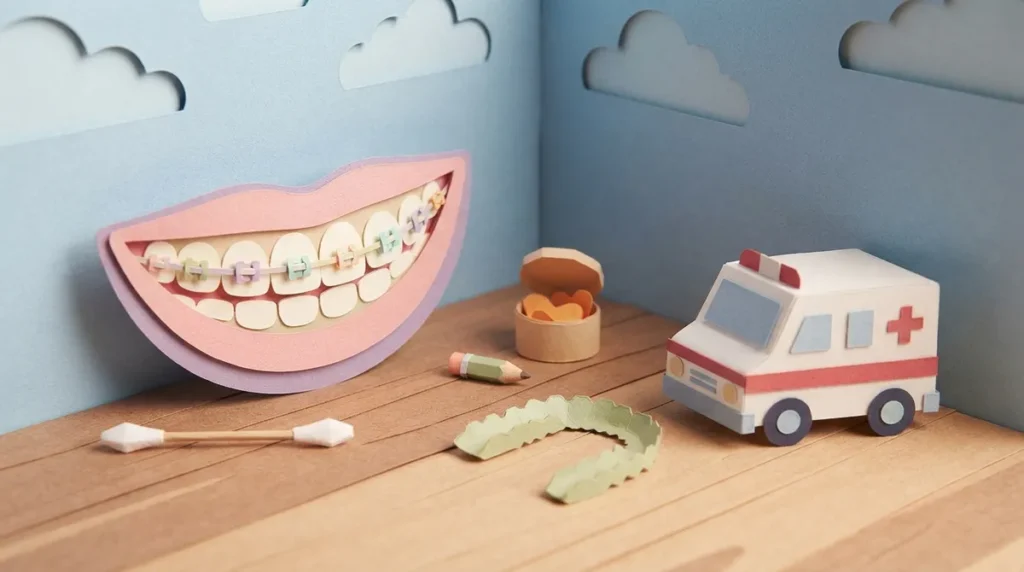
- Keep orthodontic wax in your backpack, purse, or car.
- Store aligners and retainers in their case, never in a napkin.
- Keep your appointments. Small issues are easier to fix on schedule.
Good care at home also protects your results long term. If you have a retainer, our guide to orthodontic retainers explains how to keep that new smile in place.
Your Emergency Kit Checklist
Spend five minutes now, and thank yourself later. Pack a small kit with:
- Orthodontic wax
- A small container for aligners or retainers
- Clean cotton swabs
- A travel toothbrush and floss threaders
- Salt for warm rinses
- Your orthodontist’s phone number saved in your phone
With this kit and a clear plan, even a surprise moment feels manageable.
Ready for Your Answer? Let Us Help
Quick answers do not have to be complicated. Start with a calm look at the problem, make an early call, describe the issue clearly, and follow the guidance you get. Most orthodontic hiccups are small, and a caring team can help you sort them out fast.
At Segovia Orthodontics, our friendly team supports children, teens, and adults with braces and clear aligners, and we offer care in both English and Spanish. You can also see what neighbors say when you visit our Segovia Orthodontics location on Google or follow along on our Instagram page.
Have a question today? Request an appointment, contact us online, or call us at 941-557-1333. We would love to help you find the answers you need and keep your smile moving in the right direction.
FAQs
Q: Can I get a same-day orthodontic consultation as a new patient near Lakewood Ranch?
A: Sometimes, yes! It depends on the practice’s schedule that day, so call early and ask directly. Even if a full visit is not open, many offices can offer phone guidance or the soonest available consultation.
Q: What should I do if a braces wire is poking my cheek?
A: Gently nudge it toward the tooth with a clean cotton swab or pencil eraser, and cover any sharp end with orthodontic wax. Please do not cut or force the wire, and call your orthodontist to see if a repair is needed.
Q: Does a broken bracket need to be fixed the same day?
A: Not always. If the bracket is still attached to the wire, wax can keep you comfortable until your orthodontist decides whether to repair it now or at your next visit. A quick call will tell you what is best.
Q: When should I go to the emergency room instead of calling my orthodontist?
A: Head to emergency care for heavy bleeding, trouble breathing or swallowing, a suspected broken jaw, major facial injury, or a knocked-out or badly displaced permanent tooth. For everyday braces and aligner problems, your orthodontist is the right first call.
Q: What information should I share when I call about an orthodontic problem?
A: Share your treatment type, what broke or hurts, where it is, and when it started. If you can, send a quick photo, since it helps the team decide how fast you need to be seen.
Our Service Area