Key Takeaways
-
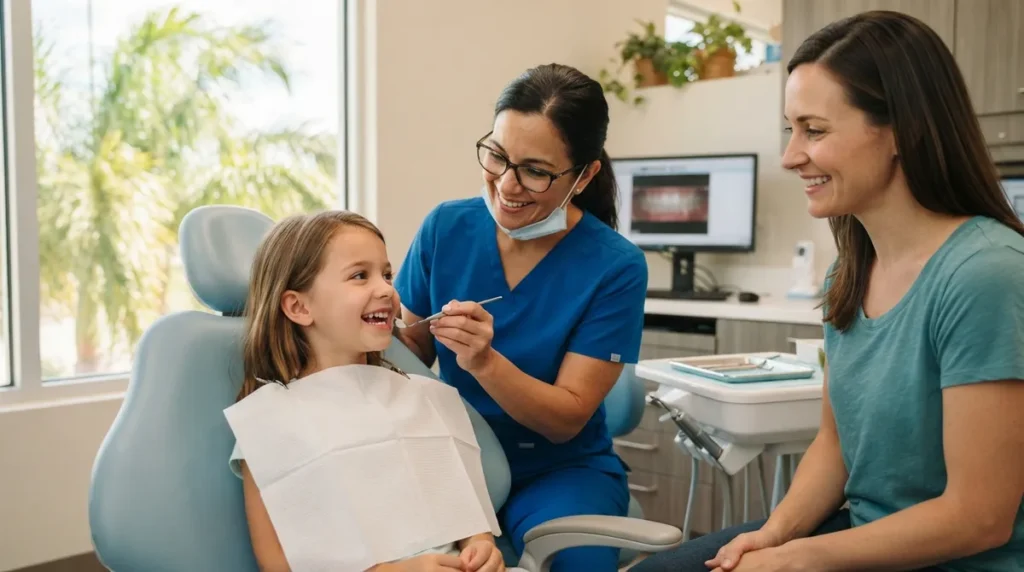
The American Association of Orthodontists recommends a first orthodontic evaluation by age 7, which is a check-up to gather information rather than a sign that braces are starting right away.
-
Many children only need monitoring while they grow; early treatment (Phase 1) is recommended only when a specific developing problem may benefit from care during growth.
-
Watch for warning signs such as crossbites or underbites, heavy crowding or spacing, missing or extra teeth, persistent thumb-sucking, chewing difficulties, and very early or late loss of baby teeth.
-
Early treatment does not always eliminate the need for comprehensive braces later, so ask whether a second phase (typically around ages 11 to 14) is likely in your child's case.
-
Full braces typically begin around ages 10 to 14, after most permanent teeth have come in, though timing varies by child.
-
Before the consultation, ask about the diagnosis, alternatives to treatment, expected duration, total cost and payment options, and whether a written treatment plan and estimate can be provided.
If your child just lost their first tooth, you might already be wondering what comes next. Will those crooked teeth fix themselves? Should you book an orthodontist visit now? These are great questions, and you are not alone in asking them. Many parents searching for kids early braces in Lakewood Ranch, FL feel unsure about the right timing.
Here is the good news. An early check-up does not mean your child is getting braces tomorrow. The American Association of Orthodontists (AAO) recommends a first orthodontic evaluation by age 7. That visit is about gathering information, not rushing into treatment. In fact, many children simply get monitored and start braces later.
In this friendly guide, we will walk through exactly how to figure out if early treatment makes sense for your child. You will learn what to look for, what happens at the first visit, and what questions to ask. Let’s make this feel a whole lot less stressful.
Understand the Difference Between an Evaluation and Starting Braces
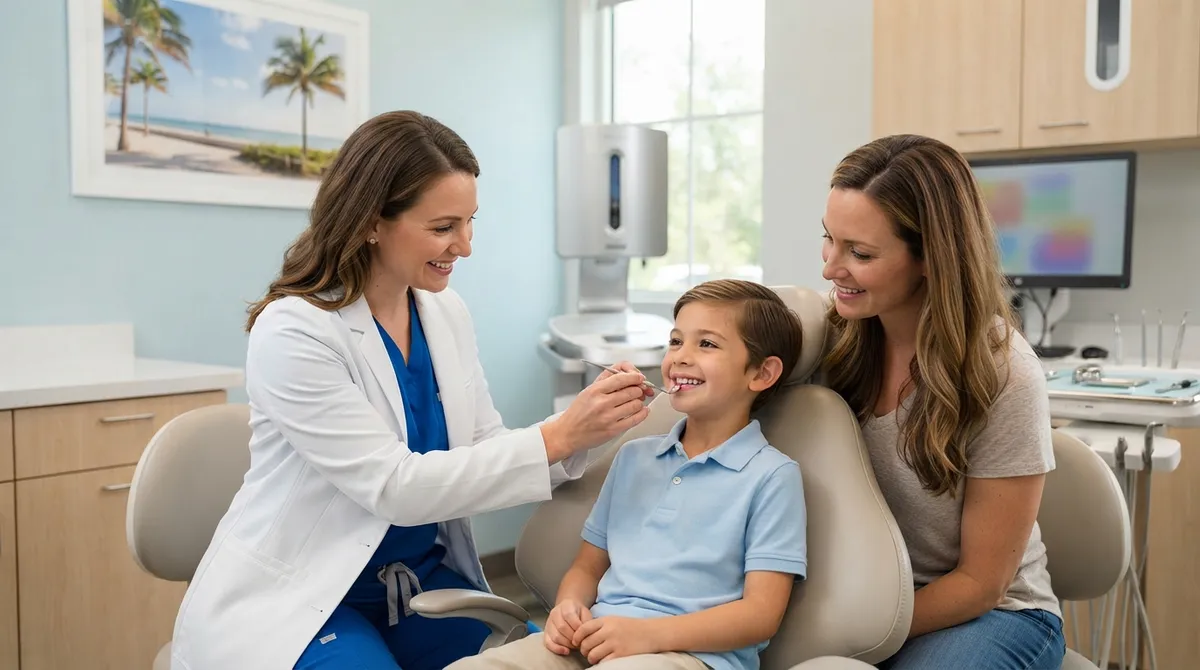
This is the biggest source of confusion for parents, so let’s clear it up first. An early orthodontic evaluation is a check-up. Early treatment, sometimes called Phase 1 or interceptive treatment, is actual care to address a specific problem.
Think of it like a pediatrician visit. Your child sees the doctor to make sure everything is growing well. Most of the time, no treatment is needed. The same idea applies here.
- Evaluation by age 7: The orthodontist looks at your child’s bite, jaw growth, and how adult teeth are coming in.
- Monitoring: Many kids just need regular check-ins while they grow.
- Early treatment: Only recommended when a developing issue may benefit from attention during growth.
So when you hear “early braces,” know that it is not automatic. It is a thoughtful, individual decision made with a qualified orthodontist.
Step-by-Step: How to Decide If Your Child Needs Early Braces
Here is a simple process you can follow at home before you ever pick up the phone.
- Check your child’s age. If your little one is 6 or 7, it is a great time to schedule a first look, even if teeth seem fine.
- Watch for warning signs. Look for the common signals listed in the next section.
- Note any habits. Persistent thumb-sucking or pacifier use past the toddler years can affect tooth and jaw development.
- Talk to your family dentist. Your dentist may spot issues during routine cleanings and suggest a referral.
- Book an evaluation. Let a specialist examine your child and explain your options.
- Ask questions. Use the checklist later in this article to make the most of the visit.
Following these steps takes the guesswork out of the process. You will walk into the appointment feeling prepared and confident.
Signs Your Child May Benefit From an Early Look
Some orthodontic issues are easier to address while a child is still growing. Watch for these signs. If you spot any, it may be worth a visit sooner rather than later. You can also read our guide on the 6 signs your child should see an orthodontist now for more detail.
- A crossbite or underbite, where upper and lower teeth do not meet in the usual way
- Substantial crowding or teeth that seem to be fighting for space
- Teeth that meet abnormally or do not meet at all
- Excessive spacing between teeth
- Missing or extra teeth
- Habits like persistent thumb-sucking
- Difficulty chewing or biting
- Baby teeth that fall out very early or very late
Seeing one of these does not mean your child definitely needs early braces. It simply means an expert opinion could be helpful. You can also learn more about common orthodontic problems that show up in growing children.
What Happens at the First Orthodontic Visit
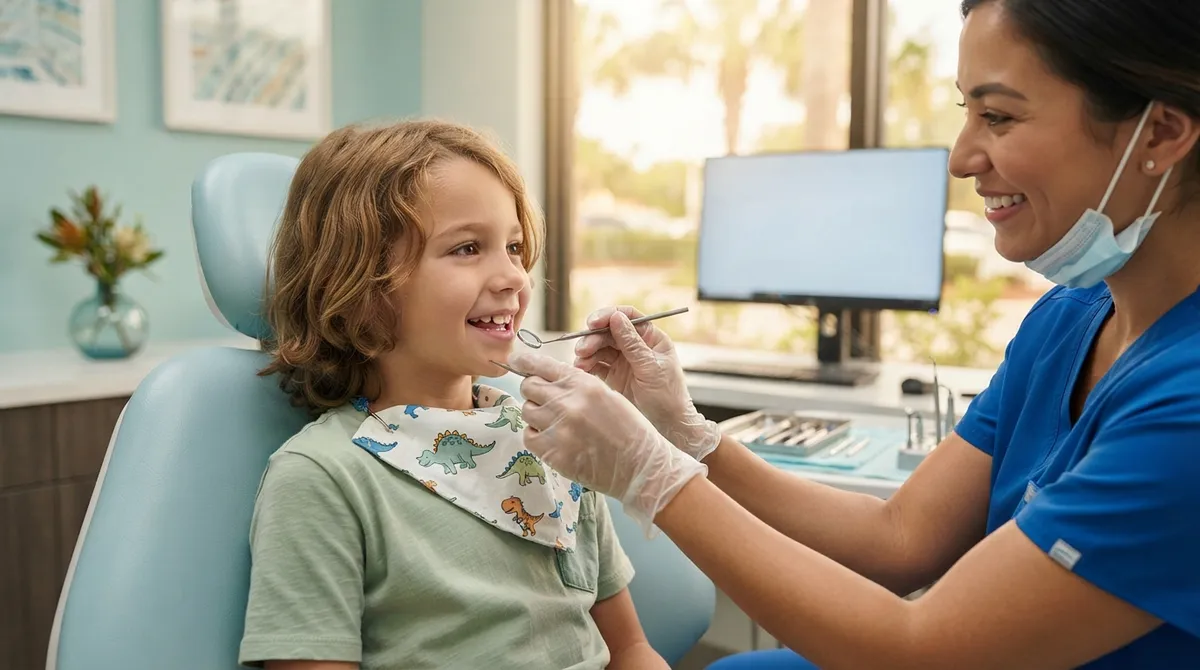
Many parents (and kids!) feel a little nervous before the first appointment. Knowing what to expect helps a lot. A first visit generally helps the orthodontist assess tooth eruption, bite, and jaw development. Then, together, you decide whether to treat now, monitor growth, or plan for later.
At Segovia Orthodontics, Dr. Flor Segovia focuses on creating a comfortable, supportive environment, especially for young patients. You can read more about what to expect at our first orthodontic visit.
Here is a quick look at the typical outcomes of an early evaluation:
| Outcome | What It Means | Next Step |
|---|---|---|
| Everything looks great | Teeth and jaws are developing as expected | Routine monitoring and regular check-ups |
| Minor concern spotted | Something may need attention later | Watch and wait, with periodic visits |
| Specific issue found | A problem that may benefit from early care | Discuss Phase 1 or interceptive options |
| Plan for later | Treatment is best once more adult teeth arrive | Schedule treatment for the right growth window |
As you can see, the result is not always treatment. Often it is simply peace of mind.
Learn What Early Treatment Can Look Like
When early treatment is recommended, it is not always traditional braces on every tooth. Depending on the diagnosis, an orthodontist may suggest observation, a palatal expander, limited tooth movement, or another type of appliance. Each plan is built around your child’s specific needs.
Many practices describe early treatment as Phase 1. Phase 1 often happens around ages 6 to 10 and may last roughly 6 to 18 months. A later Phase 2 often takes place around ages 11 to 14, once most permanent teeth have come in. These are general ranges only, and every child is different.
It is also important to know that early treatment does not always eliminate the need for comprehensive braces later. Some kids need a second phase, and some do not. Your orthodontist can explain what is likely in your child’s case. For a deeper explanation, see our page on early orthodontic treatment.
Fun Options That Kids Actually Enjoy
If braces are part of the plan, the experience can be fun! Segovia Orthodontics offers WildSmiles braces, which come in playful bracket shapes like stars, hearts, and flowers. Kids get to show off their personality while they straighten their smiles.
When children enjoy their braces, they are more likely to brush, floss, and follow instructions. That means better results for everyone. Plus, the unique bracket design makes it easy to see whether brushing is thorough, which is a handy tool for parents.
Know the Typical Timeline for Braces
Parents often ask when braces actually start. Local providers commonly report that full braces begin around ages 10 to 14, once most permanent teeth have erupted. This is a general estimate and not a rule that fits every child.
Here is a simple comparison to help you picture the stages:
| Stage | Typical Age Range | Main Goal |
|---|---|---|
| First evaluation | By age 7 | Check growth and spot developing issues |
| Phase 1 (if needed) | About 6 to 10 | Address a specific early problem |
| Monitoring | Varies | Track growth until the right time |
| Full braces or aligners | About 10 to 14 | Align teeth once adult teeth arrive |
Remember, these ages are guidelines. The best timing depends on your child’s growth and diagnosis. For teens, you can explore teen orthodontic treatment options too.
Questions to Ask at Your Child’s Consultation
A little preparation goes a long way. Bring this list to your appointment so you leave feeling informed. These questions also help you compare kids early braces options in Lakewood Ranch, FL with confidence.
- What is my child’s specific diagnosis?
- Is treatment needed now, or can we monitor?
- What are the alternatives to early treatment?
- How long will treatment likely take?
- What will it cost, and what payment options exist?
- Will a second phase of treatment be needed later?
- How will this affect my child’s daily routine?
Good orthodontists welcome these questions. A trusted provider will explain things clearly and never pressure you. For more ideas, check out our tips on how to ask the right orthodontic questions.
Choose the Right Orthodontist for Your Child
Picking the right provider matters just as much as picking the right treatment. Look for an orthodontist who specializes in this field and enjoys working with kids. Credentials are worth checking, and you can verify certification through the American Board of Orthodontics.
Here is what to look for as you compare practices:
- Specialist training and board certification
- A warm, child-friendly office atmosphere
- Clear explanations without pressure
- Flexible scheduling that fits busy family life
- Transparent pricing and financing
- Bilingual support if your family speaks Spanish
Segovia Orthodontics offers personalized care for patients of all ages. Dr. Segovia is a board certified orthodontist who provides bilingual care in English and Spanish. You can learn more about Dr. Flor Segovia and why families feel at home here.
Not sure where to begin? Our guide on how to find the right orthodontist in Lakewood Ranch walks you through the process. You can also see what other families say by visiting our Segovia Orthodontics location on Google.
Plan for Costs and Payment Options
Cost is a real concern for most families, and that is completely normal. Pricing depends on the diagnosis, the type of appliance, and how long treatment lasts. Because early treatment is individualized, there is no single price tag.
It is wise to avoid any promise that early treatment will always reduce your total cost. Sometimes it does not, especially if a second phase is needed. The best approach is to ask for a clear estimate and a written plan.
The good news is that many families find flexible solutions. Explore orthodontic financing to see how monthly payments can fit your budget. Planning ahead helps you say yes to your child’s smile without the stress.
Support Your Child Through the Process
Whether your child needs monitoring or early treatment, your support makes a big difference. Kids tend to feel more confident when parents stay positive and involved.
- Talk openly. Explain what the orthodontist does in simple, friendly words.
- Celebrate small wins. A good brushing day deserves a high five.
- Build good habits early. Teach brushing and flossing before any appliance goes in.
- Keep appointments. Regular visits keep treatment on track.
- Know what to do in a pinch. A poking wire or loose bracket can happen, so review our page on orthodontic emergency care.
Stay in touch with us on our Instagram page or our Facebook page for fun updates and helpful tips along the way.
Take the Next Step for Your Child’s Smile
Figuring out kids early braces in Lakewood Ranch, FL does not have to feel overwhelming. Start with an evaluation by age 7, watch for the warning signs, and ask plenty of questions. Remember that many children only need monitoring, and the right plan is always personal.
An early visit gives you answers and peace of mind, no matter what the result is. If you would like a friendly, expert opinion for your child, request an appointment with Segovia Orthodontics today. You can also call us at 941-557-1333 or contact us online. We can’t wait to meet your family and help your child smile with confidence!
FAQs
Q: When should a child in Lakewood Ranch, FL have their first orthodontic check-up?
A: The American Association of Orthodontists recommends a first check-up by age 7. At that age, an orthodontist can see how your child’s bite and jaws are developing. It is a simple evaluation, and it does not mean your child will get braces right away.
Q: Does an orthodontic check-up at age 7 mean my child needs braces?
A: Not at all! Many children just need monitoring while their teeth and jaws grow. Early treatment is only suggested when a specific developing problem may benefit from attention, and many issues are treated later.
Q: Will my child still need braces later after early treatment?
A: Sometimes, yes. Early treatment does not always remove the need for comprehensive braces in the teen years. Your orthodontist can explain whether a second phase is likely based on your child’s specific situation.
Q: What should parents ask at a child’s first orthodontic consultation?
A: Ask about your child’s diagnosis, the alternatives to treatment, the timing, how long it may last, the costs, and whether a second phase might be needed. A caring orthodontist will happily walk you through every answer.
Our Service Area