Key Takeaways
-
Complex orthodontic cases require provider-supervised aligner systems with regular in-person check-ins, as they allow orthodontists to monitor progress and make mid-treatment adjustments for more predictable results.
-
Clear aligners are not one-size-fits-all; the right system depends on your specific situation—complexity, speed needs, budget, and lifestyle—so get a professional evaluation before choosing a brand.
-
Angel Aligners offer a smart value option using AI-driven planning and a unique 7+3 wear schedule that speeds up tooth movement while typically costing less than premium brands.
-
Provider-supervised aligners suit mild-to-complex cases with professional oversight, while remote/at-home aligners work best only for very mild cases and carry higher risk if your issue is more complicated.
-
Most aligner systems require 20-22 hours of daily wear, and patient compliance is the biggest factor determining treatment success, so honestly assess your ability to commit before starting.
-
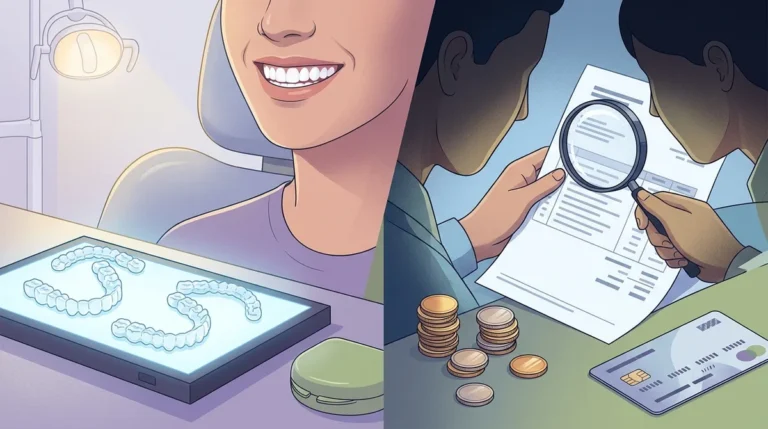
Clear aligner pricing ranges from $1,200 to $10,000 with a national average of $5,100; always compare total costs including retainers, refinements, and follow-up care rather than just monthly payments.
So you’re thinking about clear aligners, and now you’re stuck scrolling through dozens of websites wondering which clear aligners are best for your specific smile. We get it. With so many brands claiming to be the fastest, cheapest, or most comfortable, choosing can feel overwhelming. Here’s the good news: you don’t need a dental degree to make a smart decision. You just need the right information, and that’s exactly what we’re here to give you.
Whether you’re a busy mom juggling school pickups and orthodontist appointments, a young professional wanting a discreet smile fix, or an adult who wants to correct old orthodontic relapse, this guide breaks things down in plain, friendly language. By the end, you’ll know exactly what to ask, what to look for, and how to find the option that fits your life and your budget.

Why Clear Aligners Have Become So Popular
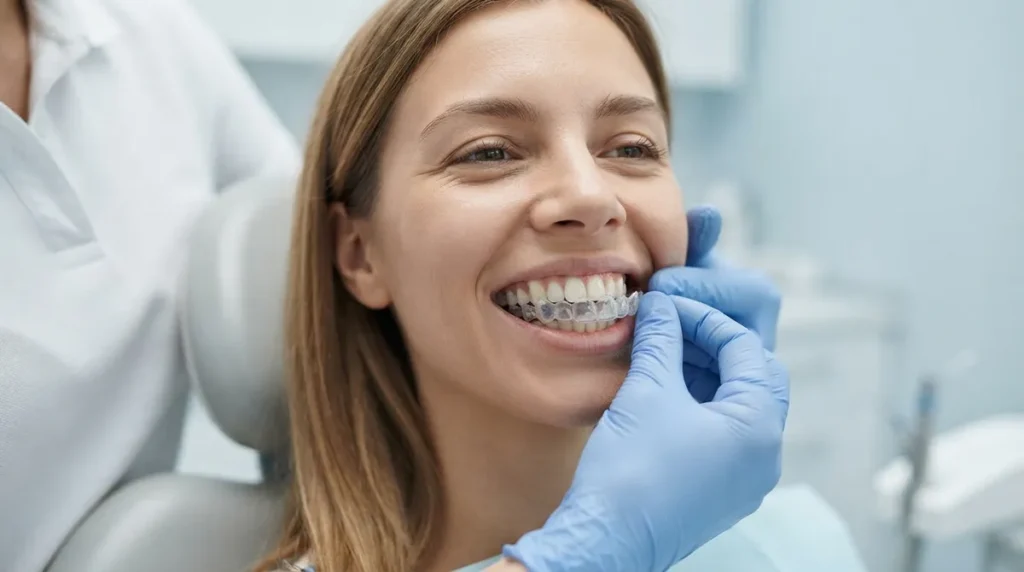
Clear aligners have exploded in popularity over the last decade, and it’s easy to see why. They’re removable, nearly invisible, and let you eat your favorite foods without wires getting in the way. For adults juggling careers and family life, that flexibility is huge.
But here’s something many people don’t realize: clear aligners are not one-size-fits-all. The right system for your neighbor with a mild gap might not work for your teenager with a more complex bite issue. That’s why understanding the differences between aligner types matters so much before you commit.
What Makes One Aligner Brand Different From Another
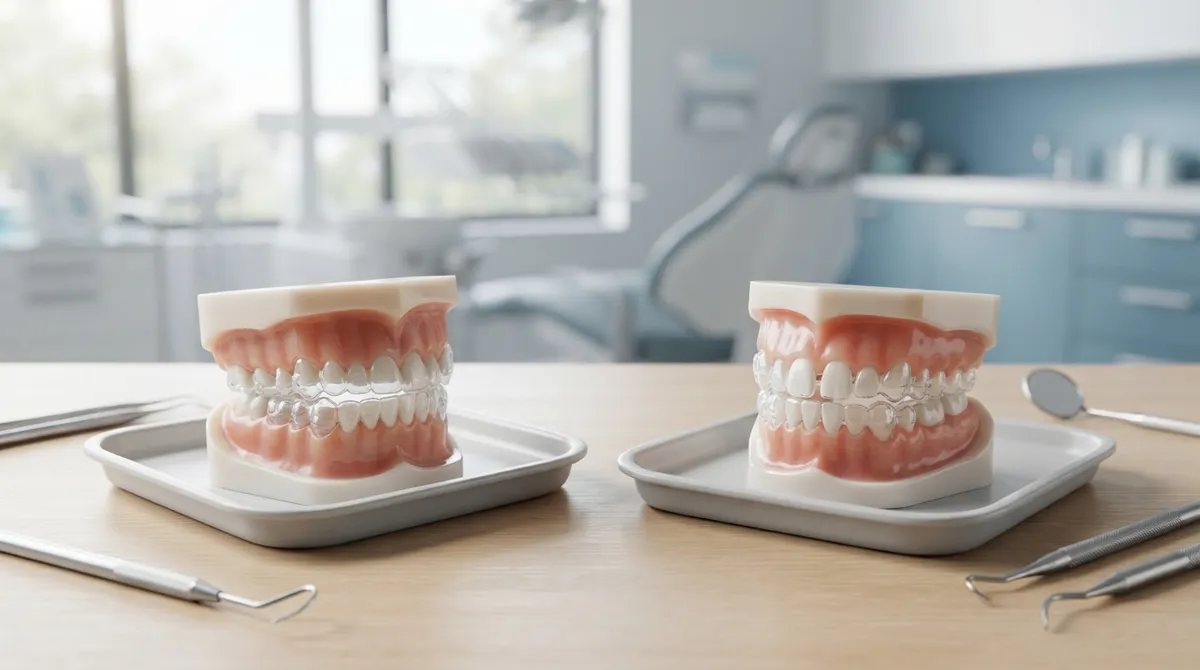
Every clear aligner brand uses similar plastic tray technology, but the differences show up in the details:
- How much in-person supervision you get from an orthodontist
- The materials used and how comfortable the trays feel
- Whether the system uses AI-driven planning or traditional planning
- The wear schedule and how often you switch trays
- Total cost and what’s included in that price
- How complex a case the aligner system can actually treat
Which Clear Aligners Are Best for Different Situations
Instead of naming one single “winner,” it’s more helpful to think about which clear aligners are best for your specific goals. Here’s how orthodontic experts generally break it down.
1. Best for Complex or Comprehensive Cases
When teeth have significant crowding, spacing, or bite problems, provider-supervised aligner systems tend to perform better. These systems include regular check-ins with a board-certified orthodontist who can monitor progress and make adjustments along the way. This close supervision matters because complex cases often need more nuanced tooth movements than simple trays can handle alone.
2. Best for Speed Without Sacrificing Quality
If you’re preparing for a wedding, graduation, or big career milestone, treatment speed probably matters to you. Some modern aligner systems use AI-driven treatment planning and unique wear schedules to move teeth more efficiently. For example, Angel Aligners use a “7+3” wear schedule, meaning you wear a flexible tray for seven days followed by a firmer tray for three days. This approach can speed up tooth movement and may reduce how often you need in-office visits.
3. Best for Budget-Conscious Patients
Cost is a real factor for most families. National pricing for clear aligners typically ranges from $1,200 to $10,000, with an average around $5,100. Some newer aligner brands, thanks to streamlined manufacturing and efficient digital planning, cost less than premium options while still offering comparable 3D treatment planning. Angel Aligners, for instance, are often priced more affordably than premium brands while still using advanced digital design.
4. Best for Comfort and Discretion
Young professionals and adults returning after orthodontic relapse often prioritize how aligners look and feel day to day. Some aligner materials use a frosted finish to reduce shine, plus flexible, self-adaptive plastic that’s gentler on cheeks and gums. Built-in attachment options can also eliminate extra bonded pieces, which keeps your smile looking cleaner during treatment.
| Priority | What to Look For | Why It Matters |
|---|---|---|
| Complex bite correction | Provider-supervised systems with frequent check-ins | More predictable results for crowding, overbite, underbite, crossbite |
| Fast treatment | AI-driven planning, efficient wear schedules | Fewer office visits, quicker tray changes |
| Lower cost | Streamlined manufacturing brands | Comparable digital planning at a lower price point |
| Comfort & looks | Frosted finish, flexible materials, built-in attachments | Less irritation, more discreet daily wear |
Provider-Supervised vs. Remote Clear Aligners
One of the biggest decisions you’ll make is choosing between provider-supervised aligners and mostly remote, direct-to-consumer options. Here’s a simple breakdown:
Provider-Supervised Aligners
- Regular in-person visits with an orthodontist
- Better suited for mild-to-complex orthodontic problems
- Adjustments can be made mid-treatment if something isn’t tracking right
- Professional monitoring reduces the risk of unwanted tooth movement
Remote or Mostly At-Home Aligners
- Marketed as lower-cost solutions
- Generally best suited for very mild cases
- Less frequent professional oversight
- Can carry more risk if your bite or alignment issue is more complicated than expected
If you’re unsure which category fits your smile, that’s exactly what a consultation is for. At Segovia Orthodontics, we always recommend starting with a professional evaluation before choosing any aligner system, especially if your case involves an underbite, overbite, or crossbite.
How to Choose the Right Clear Aligner Provider: 5 Steps
Ready to make your decision? Follow these steps to narrow down your options with confidence.
- Get a professional evaluation first. Before you compare brands, find out what your teeth actually need. A board-certified orthodontist can tell you whether your case is mild, moderate, or complex.
- Ask about supervision level. Find out how often you’ll be seen in person and who reviews your progress between visits.
- Compare total costs, not just monthly payments. Ask what’s included: retainers, refinements, emergency visits, and follow-up care.
- Check the wear schedule. Understand how many hours per day you’ll need to wear your trays. Most systems require about 20 to 22 hours per day to work effectively.
- Consider your lifestyle and compliance. Be honest about whether you can commit to wearing trays consistently, since compliance is a major factor in how well aligners work.
Common Orthodontic Problems Clear Aligners Can Treat
Clear aligners work well for many common issues, though severity matters. Here’s a quick rundown:
- Mild to moderate crowding – Clinical evidence strongly supports aligners for this issue.
- Spacing and gaps – Trays gradually close gaps between teeth over time.
- Mild overbite – Aligners can help, though severe cases may need additional appliances.
- Mild underbite or crossbite – Possible with aligners, but often benefits from closer orthodontic supervision.
- Orthodontic relapse – A common reason adults return to treatment after their teeth shift back following earlier braces.
If your case falls into the more complex category, don’t worry. Options like LightForce Orthodontics offer custom-fitted, 3D-printed braces that can treat more involved cases with precision, sometimes reducing treatment time by up to 45%.
What Makes Angel Aligners a Smart Choice
At Segovia Orthodontics, we’re proud to offer Angel Aligners as one of our clear aligner solutions. Here’s why so many patients love them:
- Faster results: The “7+3” wear schedule speeds up tooth movement compared to traditional trays.
- Built-in attachments: Some trays include aligner buttons directly in the plastic, meaning fewer bonded pieces on your teeth.
- More comfortable materials: Flexible, self-adaptive plastic reduces irritation to gums and cheeks.
- Discreet frosted finish: Designed to minimize shine and stay less noticeable.
- Budget-friendly pricing: Streamlined manufacturing keeps costs lower while still using advanced 3D digital planning.
This combination of comfort, speed, and value makes Angel Aligners a favorite among our patients who want quality results without the premium price tag.
For Parents: What to Know Before Your Teen Starts Aligners
If you’re a mom scheduling your teen’s first orthodontic consultation, you’re probably wondering if aligners are even appropriate for them. The answer is usually yes, especially for mild to moderate cases. But teens need extra encouragement to stay compliant with wear time.
Some families also love exploring WildSmiles Braces as a fun alternative if your child prefers something more playful than clear trays. Either way, our team can help you weigh the pros and cons based on your child’s personality and treatment needs. Learn more about our approach to teen orthodontic treatment tailored to busy schedules.
For Adults: Correcting Relapse or Starting Fresh
Maybe you had braces as a teenager, but life happened and your teeth shifted back. You’re not alone. Many adults return for treatment because they’re finally financially independent and ready to invest in their smile again.
Adult aligner patients tend to be highly compliant since they understand the value of the investment. If this sounds like you, explore our adult orthodontics options, which include both traditional braces and clear aligner systems designed around your schedule.
Questions to Ask During Your Consultation
Before committing to any clear aligner system, bring this checklist to your consultation:
- Is my case mild, moderate, or complex?
- Which aligner brand do you recommend for my specific bite issue?
- How many hours per day will I need to wear my trays?
- What happens if my teeth aren’t tracking correctly?
- What’s included in the total price, including retainers afterward?
- Do you offer flexible financing options?
A good orthodontist will walk through each of these questions patiently. If you’d like personalized answers, feel free to contact us and we’ll help map out your best path forward.
Why Working With a Board-Certified Orthodontist Matters
Choosing which clear aligners are best isn’t just about the brand. It’s also about who’s guiding your treatment. A board-certified orthodontist has completed additional training beyond dental school specifically focused on tooth movement and bite correction.
Dr. Flor Segovia is board-certified and stays current with advanced techniques in both braces and clear aligners, as recognized by standards set by the American Board of Orthodontics. She also provides bilingual care in English and Spanish, which makes treatment more accessible for families across Lakewood Ranch.
Our practice uses advanced orthodontic technology to plan precise, predictable treatment for every patient, whether you choose Angel Aligners, LightForce braces, or WildSmiles for kids and teens.
Real Patients, Real Results
Curious what other patients think? You can visit us on Google — Segovia Orthodontics to read reviews from families right here in Lakewood Ranch. We also share smile transformations and helpful tips on our Facebook page and our Instagram page, so you can see real results before booking your own consultation.
Final Thoughts on Choosing the Right Aligner
At the end of the day, which clear aligners are best comes down to your unique smile, your budget, and your lifestyle. Complex cases usually do better with provider-supervised systems and close monitoring. Simpler cases have more flexibility, including faster, budget-friendly options like Angel Aligners.
The most important step is getting a professional evaluation first. From there, you and your orthodontist can choose a system that fits your goals, whether that’s speed, comfort, affordability, or all three.
Ready to find out which clear aligner option is right for you? Request an appointment today, or call us at 941-557-1333 to speak with our friendly Lakewood Ranch team. Your best smile is closer than you think.
FAQs
Q: Which clear aligners are best for complex orthodontic cases?
A: For complex cases like significant crowding or bite issues, provider-supervised aligner systems tend to work best because they include regular check-ins with your orthodontist. This close monitoring lets your provider catch any tracking issues early and make adjustments along the way, which really matters for trickier smiles.
Q: Are Angel Aligners as effective as premium aligner brands?
A: Yes! Angel Aligners use AI-driven treatment planning and a unique 7+3 wear schedule that can actually speed up tooth movement. Many patients love them because they’re comfortable, discreet, and typically more budget-friendly than premium brands while still using the same 3D digital planning technology.
Q: What is the cheapest clear aligner option that still works well?
A: Pricing varies quite a bit, with national averages around $5,100 and ranges from $1,200 to $10,000 depending on your case. Options like Angel Aligners often cost less thanks to streamlined manufacturing, giving you quality treatment without the premium price tag. Your best bet is always to get a personalized quote based on your specific needs.
Q: Are at-home clear aligners safe for orthodontic treatment?
A: At-home aligners can work fine for very mild cases, but they typically come with less professional supervision. If your bite or alignment issue turns out to be more complex than expected, that lack of oversight can be risky. We always recommend starting with an in-person evaluation to know exactly what you’re working with.
Q: How long do clear aligners usually take to straighten teeth?
A: It really depends on your starting point, but most patients wear their trays 20 to 22 hours a day for steady progress. Simple cases might wrap up in several months, while more complex ones take longer. Staying consistent with wear time is honestly the biggest factor in how fast you’ll see results.
Our Service Area