Key Takeaways
-
Dental sealants are thin plastic coatings applied to back teeth that fill grooves where bacteria hide, reducing cavity risk during orthodontic treatment when cleaning is especially difficult.
-
Sealants are quick and painless to apply (5-10 minutes per tooth), require no needles or drilling, and can last 5-10 years with proper care and regular dental checkups.
-
Coordinate with both your orthodontist and general dentist to time sealant application optimally—ideally before braces go on or on teeth without brackets to maximize protection.
-
Clear aligner patients benefit from sealants too, since wearing aligners 20+ hours daily reduces saliva flow; sealants don’t interfere with aligner fit on back tooth chewing surfaces.
-
Sealants complement but don’t replace brushing, flossing, and fluoride treatments; they only protect chewing surfaces, so daily hygiene habits remain essential for full cavity prevention.
-
Children with new braces, cavity-prone patients, and those with naturally deep tooth grooves benefit most from sealants as an affordable safety net protecting your orthodontic investment.
If your child just got braces or you’re mid-way through your own orthodontic journey, you’ve probably heard the word “cavities” more than once. Keeping teeth clean during orthodontic treatment is harder than it sounds. Braces and aligners create tiny spaces where food and bacteria love to hide. That’s where dental sealants come in. These thin, protective coatings can be a game-changer for patients of all ages who want to guard their teeth against decay while straightening their smile. Whether you’re a busy mom managing your child’s braces routine or a young professional rocking clear aligners, understanding dental sealants could save you a lot of stress — and dental bills — down the road.
What Are Dental Sealants and How Do They Work?
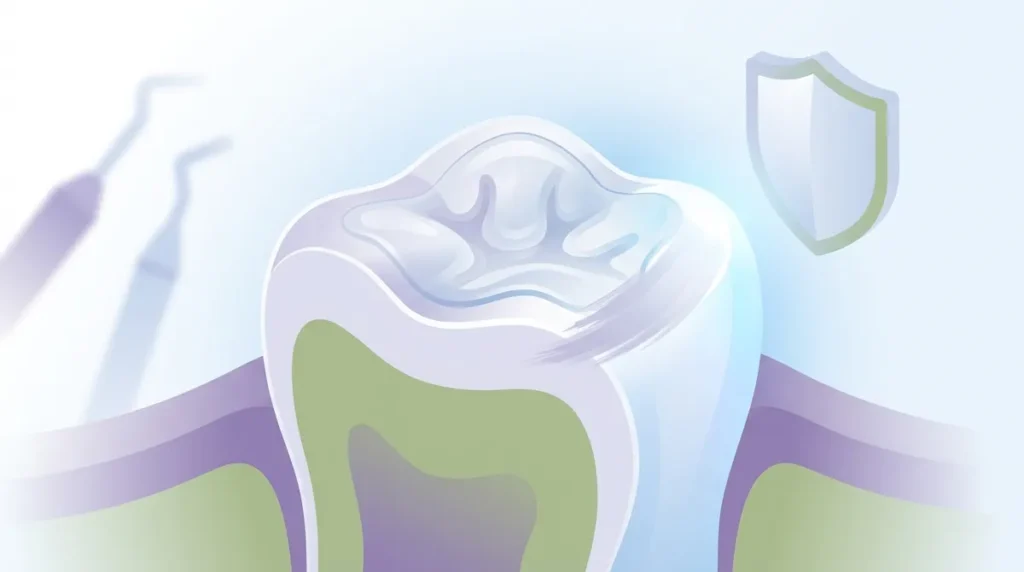
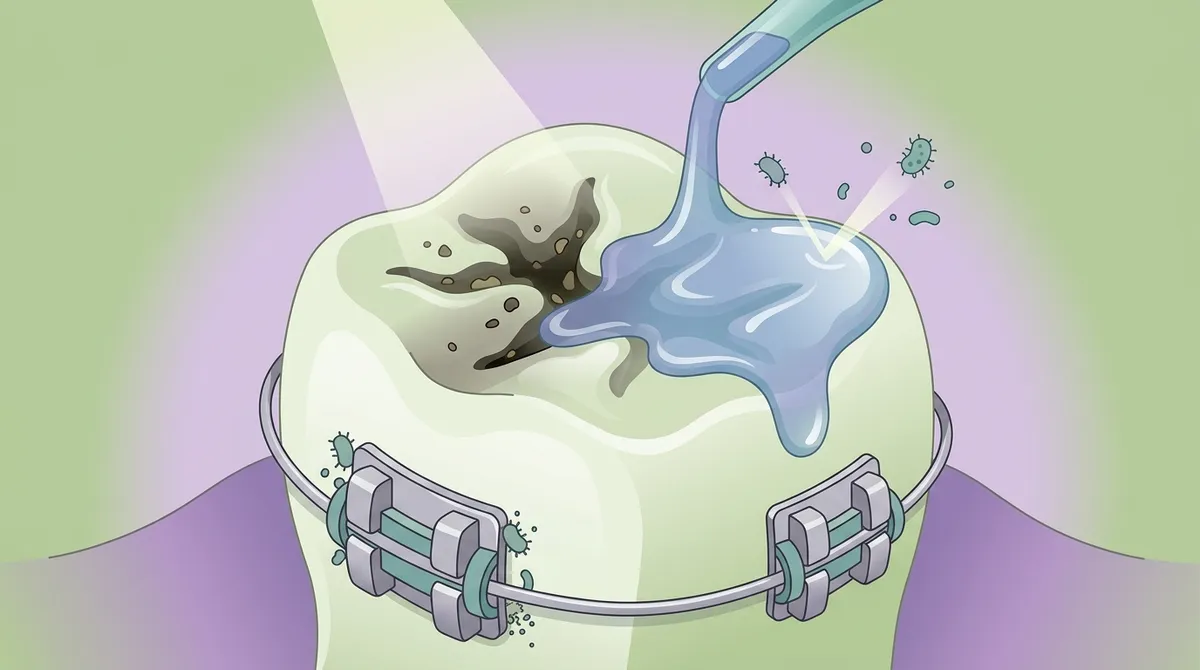
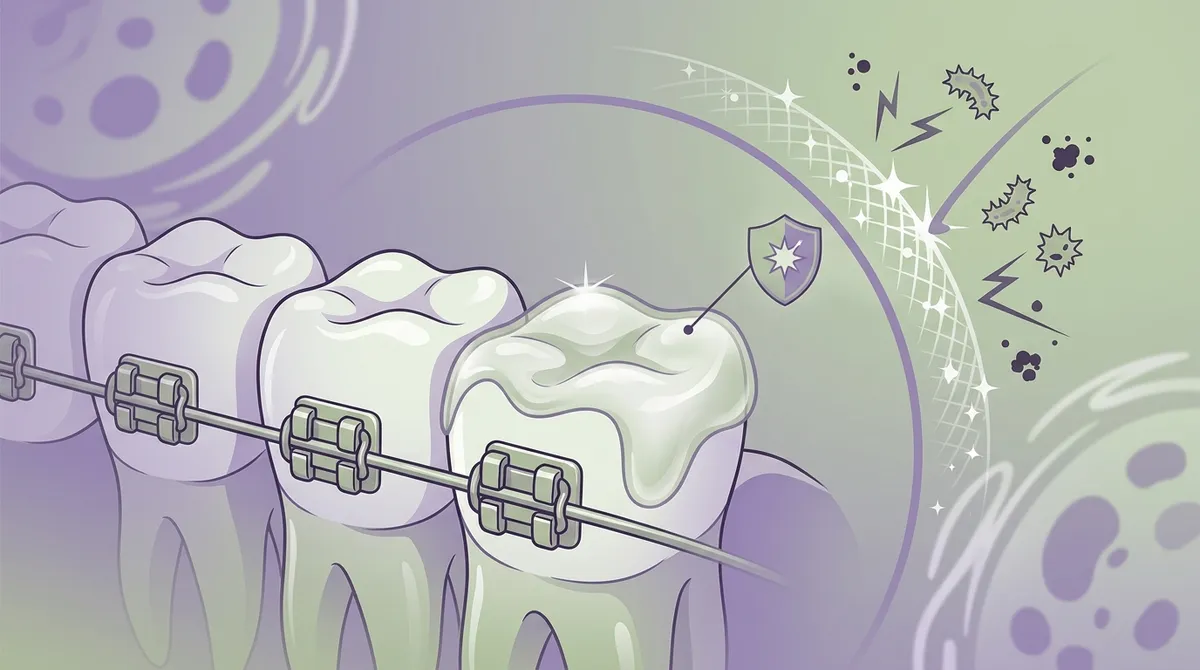
Dental sealants are thin plastic coatings applied to the chewing surfaces of back teeth, especially molars and premolars. These surfaces have tiny grooves and pits where bacteria and food particles collect. Even with great brushing, those grooves can be nearly impossible to fully clean. A sealant fills in those spaces, creating a smooth surface that’s much easier to keep clean.
The process is quick, painless, and non-invasive. A dental or orthodontic professional cleans the tooth, applies a mild solution to help the sealant bond, and then paints on the sealant material. A special light hardens it in seconds. That’s it! The whole process usually takes just a few minutes per tooth.
For patients going through early orthodontic treatment or wearing braces, sealants provide an extra layer of protection during a time when cleaning is especially difficult.
Why Dental Sealants Matter During Orthodontic Treatment
Orthodontic treatment is a wonderful investment in your smile. But it does make oral hygiene more challenging. Brackets, wires, and even aligner trays can trap food and bacteria against the tooth surface. Over months or years of treatment, this increases the risk of cavities and white spot lesions — those chalky white marks left on teeth after braces come off.
Dental sealants act as a physical barrier against this decay. They don’t replace brushing and flossing, but they do add meaningful protection. Think of them as a raincoat for your molars. You still need to stay dry (good hygiene), but the coat helps a lot on a rainy day.
Who Benefits Most From Dental Sealants?
While almost anyone can benefit from dental sealants, some groups get especially great value from them during orthodontic care:
- Children and teens with new braces — Young patients are still developing their hygiene habits. Sealants reduce the risk of decay forming under or around brackets.
- Adults with complex alignment issues — Longer treatment times mean more exposure to potential decay risks.
- Patients prone to cavities — If your dental history includes frequent cavities, sealants offer a welcome safety net.
- Clear aligner patients — Even though aligners are removable, wearing trays for 20+ hours a day can still affect saliva flow and plaque buildup.
- Patients with deep grooves — Some people naturally have more pronounced grooves in their molars, making sealants especially helpful.
If you’re unsure whether sealants are right for you or your child, a quick consultation with a trusted provider like Dr. Flor Segovia can help you decide.
How to Prepare for Dental Sealants as an Orthodontic Patient
Getting dental sealants during orthodontic treatment requires a bit of coordination. Here’s a simple step-by-step guide to help you prepare:
- Talk to your orthodontist first. Before scheduling sealants, let your orthodontic provider know. They can advise on the best timing relative to your treatment phase.
- Schedule with your general dentist. Sealants are typically applied by your general dentist or pediatric dentist, not your orthodontist. Make sure both offices are in communication.
- Time it right. Sealants are best placed on teeth before brackets go on, or on teeth that won’t have brackets. Your care team can identify the right windows.
- Make sure teeth are clean. The sealant bonds best to clean, dry teeth. Arrive at your appointment having brushed thoroughly.
- Plan for follow-up checks. Sealants can wear down over time. Ask your dentist to check them at every regular visit.
Good coordination between your orthodontist and dentist makes the whole process smooth and stress-free. If you haven’t had your first orthodontic visit yet, now is a great time to ask about preventive care options including sealants.
Dental Sealants vs. Fluoride Treatments: What’s the Difference?
Parents and patients often confuse dental sealants with fluoride treatments. They both protect teeth, but they work differently. Here’s a handy comparison:
| Feature | Dental Sealants | Fluoride Treatments |
|---|---|---|
| How it works | Physical barrier filling grooves | Strengthens tooth enamel chemically |
| Where applied | Chewing surfaces of back teeth | All tooth surfaces |
| Duration | Several years with proper care | Several months, reapplied regularly |
| Best for | Grooves and pits in molars | Overall enamel protection |
| Age range | Children, teens, and adults | All ages |
| Used during orthodontic treatment | Yes, especially for braces patients | Yes, commonly recommended |
Many orthodontic patients benefit from both. They’re complementary, not competing, tools. Talk to your care team about the right combination for your smile. You can also check with the American Board of Orthodontics for guidance on best practices in orthodontic preventive care.
Tips for Maintaining Dental Sealants During Orthodontic Treatment
Once your sealants are in place, a few simple habits will help them last as long as possible. Here are the top tips to keep in mind:
- Brush twice daily with a soft-bristled toothbrush, paying extra attention to the sealed surfaces.
- Avoid chewing on hard objects like ice, pen caps, or hard candy that can chip or wear down sealants.
- Use a fluoride toothpaste to give your enamel an extra boost alongside the sealant protection.
- Floss every day — sealants only protect the chewing surfaces, not the areas between teeth.
- Visit your dentist regularly so they can check sealant integrity and reapply if needed.
- Avoid sticky, chewy foods that can pull at sealant edges — this is good advice for braces patients anyway!
If you’re wearing braces, these habits pair perfectly with the guidance shared in our braces care tips for Lakewood Ranch families. Good habits compound over time and make a real difference in your results.
Common Questions Parents Have About Dental Sealants and Braces
If you’re a parent navigating orthodontic treatment for your child, sealants might feel like one more thing to manage. But they’re truly simple and worth it. Here are some answers to the questions we hear most often:
Can sealants be applied over existing braces?
Sealants are typically applied to teeth that don’t have brackets on them. Since braces usually go on the front and side teeth, the back molars often remain bracket-free — and those are exactly the teeth that benefit most from sealants. Talk to your care team to identify which teeth are good candidates.
Do sealants hurt?
Not at all! The application process is completely painless. No drills, no needles, no numbing required. Most kids barely notice it’s happening. For nervous young patients, this is often a welcome relief compared to other dental procedures.
How long do sealants last?
With proper care, dental sealants can last anywhere from 5 to 10 years. They’re checked at regular dental visits and can be reapplied if they show signs of wear. For kids who start orthodontic treatment in their early years, sealants placed during those years can carry them through most of their treatment journey.
To learn more about what your child’s treatment will involve, check out our guide on teen orthodontic treatment.
How Dental Sealants Support Long-Term Orthodontic Results
You put significant time, energy, and investment into orthodontic treatment. The last thing you want is to finish with a beautiful straight smile that’s been damaged by cavities along the way. Dental sealants help protect that investment.
Think of it this way: straightening your teeth improves how they look and function. Protecting them from decay means those improvements last. A sealed, healthy tooth is a foundation for a lifetime of confident smiling.
For adults who are correcting relapse or pursuing treatment later in life, the stakes feel even higher. Exploring options like adult orthodontics alongside preventive measures like sealants gives your smile the best possible chance of long-term success.
Dental Sealants and Clear Aligners
Clear aligner patients sometimes assume they don’t need to worry as much about decay. After all, the aligners come out for eating and brushing. But wearing aligners for 20–22 hours a day can reduce saliva flow to the tooth surfaces, slightly increasing decay risk. Sealants provide a helpful buffer during this time.
They also don’t interfere with aligner fit in most cases, since they’re applied to the chewing surfaces of back teeth. Your provider can confirm whether sealants are compatible with your specific aligner trays. For more on aligner care and treatment options, visit our clear aligners page.
A Step-by-Step Summary: Getting Dental Sealants as an Orthodontic Patient
Here’s a quick reference to walk you through the entire process from start to finish:
- Discuss with your orthodontist whether sealants are recommended for you or your child.
- Contact your general dentist and schedule a sealant appointment.
- Complete a professional cleaning before the sealant application for best results.
- Have sealants applied — the process takes about 5–10 minutes per tooth.
- Follow up at regular dental checkups to ensure sealants are intact.
- Continue strong oral hygiene at home alongside your orthodontic care routine.
It really is that straightforward! And when you pair sealants with great brushing habits and regular orthodontic checkups, you’re setting yourself up for a truly healthy, beautiful outcome. To explore more about what a modern orthodontic experience looks like, take a peek at our advanced orthodontic technology page.
Why Choose a Trusted Orthodontic Practice That Cares About the Whole Picture
Dental sealants are just one piece of the bigger oral health puzzle. At Segovia Orthodontics at Lakewood Ranch, Dr. Flor Segovia and her team take a whole-patient approach to care. That means thinking about not just how to straighten your teeth, but how to keep them healthy and strong throughout the process.
As a board-certified orthodontist, Dr. Segovia stays current with the latest in preventive and corrective care. She works closely with patients to create treatment plans that protect their smiles at every stage. Whether you’re considering braces for your 8-year-old or adult orthodontic treatment for yourself, you’ll find a warm, welcoming environment that puts your comfort first.
You can also follow along with tips, updates, and smile inspiration by visiting our Facebook page and our Instagram page — we love connecting with our community!
Ready to take the next step? Visit us on Google — Segovia Orthodontics to read what real patients are saying, get directions, and learn why so many families in Lakewood Ranch and beyond trust us with their smiles.
Take Action for Your Smile Today
Dental sealants are one of the smartest, simplest things you can do to protect your teeth during orthodontic treatment. They’re quick, painless, affordable, and remarkably effective. Paired with braces or clear aligners, they help ensure that the smile you’re working so hard to build stays beautiful and healthy for years to come.
Whether you’re just starting your orthodontic journey or are already mid-treatment, it’s never too late to ask about preventive options. Your smile deserves every layer of protection you can give it. We’d love to help you make that happen — schedule your appointment with Segovia Orthodontics today and take the first step toward a healthier, happier smile!
FAQs
Q: Can my child get dental sealants while wearing braces?
A: Absolutely! Dental sealants are typically applied to the back molars, which often don’t have brackets on them. That makes them a great option for braces patients. Just coordinate with both your orthodontist and your general dentist to time the application perfectly.
Q: Are dental sealants safe for kids and teens?
A: Yes, dental sealants are considered safe and are widely recommended by dental professionals for children and teens. They’re a simple, painless procedure with no needles or drills involved — most kids don’t mind them at all! They’re one of the easiest ways to prevent cavities during the cavity-prone years.
Q: Do dental sealants work for clear aligner patients too?
A: They sure do! Clear aligner patients can benefit from dental sealants just as much as braces patients. While aligners are removable, wearing them for most of the day can slightly reduce saliva flow to tooth surfaces, and sealants help fill that protective gap on the back teeth.
Q: How often do dental sealants need to be replaced?
A: With good care, dental sealants can last anywhere from 5 to 10 years. Your dentist will check them at regular visits and let you know when it’s time for a touch-up or reapplication. It’s a quick and easy process — nothing to stress about!
Q: Do dental sealants replace the need for regular brushing and flossing?
A: Not at all — think of sealants as an extra layer of protection, not a replacement for daily hygiene! They cover the grooves on the chewing surfaces of back teeth, but you still need to brush and floss to clean all other tooth surfaces, especially during orthodontic treatment.
Our Service Area