
Key Takeaways
-
Clear aligners cost $3,500–$8,500 on average in 2026, slightly more than metal braces ($3,000–$7,000), but many insurance plans cover $1,000–$1,500 of orthodontic treatment.
-
Case severity, treatment length, orthodontist experience, location, and technology used are key factors affecting invisible braces cost—always ask what’s included (retainers, X-rays, follow-up visits).
-
Monthly payment plans with little to no interest are widely available, and HSA/FSA accounts allow pre-tax payments, making invisible braces more affordable than the initial quote suggests.
-
Clear aligners work best for mild-to-moderate cases and professionals wanting discretion, while metal braces are more effective for complex bite issues and better for young children.
-
Avoid mail-order aligner kits despite lower prices; they lack in-person exams, professional supervision, and can lead to undetected dental problems and costly corrections.
-
Start with a free consultation to get an accurate personalized quote and discuss payment options before committing; ask upfront about retainers, appointments, refinements, and insurance acceptance.
Thinking about straightening your teeth but not sure which option fits your budget? You’re not alone! One of the first questions people ask is about the average cost for invisible braces — and how it stacks up against traditional metal braces. Whether you’re a busy professional, a parent researching options for your teen, or someone wanting a confidence boost before a big life event, cost is always a real factor. The good news? Both options can deliver amazing results. The better news? There’s more flexibility in pricing than you might think. Let’s break it all down in plain English so you can make the best choice for your smile and your wallet.
What Are Invisible Braces?
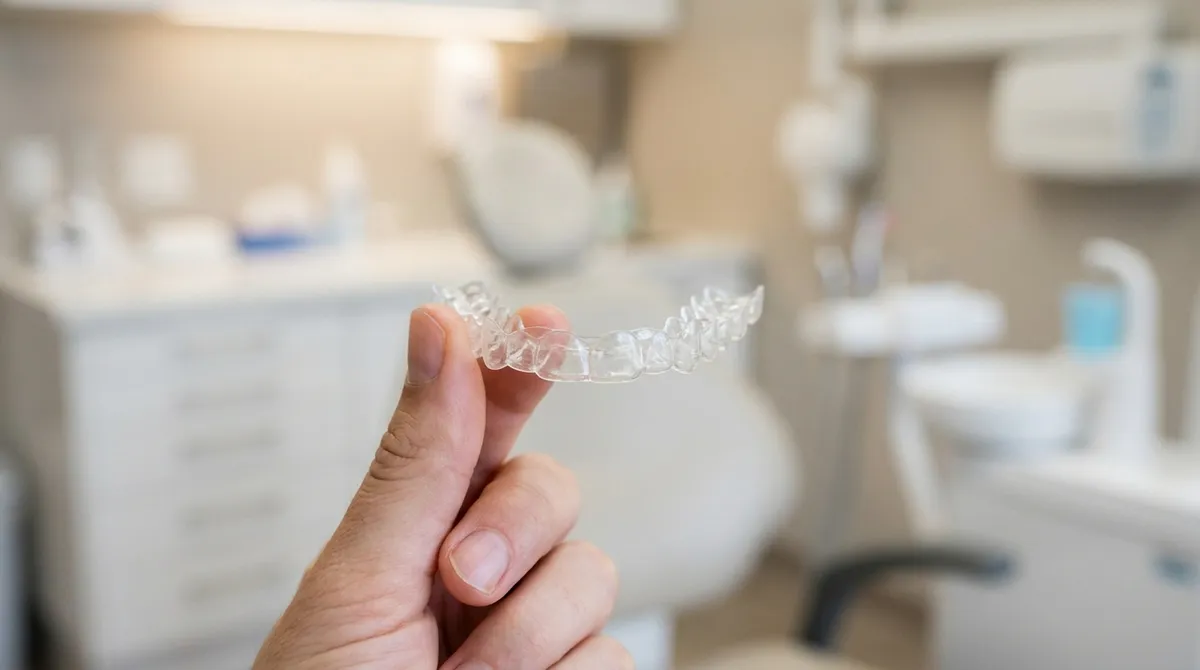
Invisible braces — often called clear aligners or clear braces — are orthodontic devices that straighten your teeth discreetly. Instead of metal brackets and wires, you wear a series of smooth, transparent trays that gradually shift your teeth into position. They’re nearly invisible when worn, which makes them a top pick for adults and teens who want to keep their treatment low-key.
There are also ceramic braces, which use tooth-colored brackets on a traditional wire system. These are sometimes grouped under the “invisible braces” umbrella because they blend in much better than metal. If you want to learn more about all your options, check out this helpful guide on types of braces.

Average Cost for Invisible Braces in 2026
So, what’s the actual average cost for invisible braces? Here’s an honest look at the numbers you can expect in 2026:
| Treatment Type | Average Cost Range | Treatment Duration |
|---|---|---|
| Clear Aligners (full treatment) | $3,500 – $8,500 | 12 – 24 months |
| Ceramic (Clear) Braces | $4,000 – $8,000 | 18 – 36 months |
| Traditional Metal Braces | $3,000 – $7,000 | 18 – 36 months |
| Lingual (Hidden) Braces | $8,000 – $13,000 | 18 – 36 months |
Keep in mind these are national averages. Your actual cost depends on your specific case, where you live, and the orthodontist you choose. For a deeper dive into what goes into these numbers, read our article on how much clear aligners really cost in 2026.
What Makes the Cost Go Up or Down?
The price you pay for invisible braces isn’t pulled from thin air. Several real factors affect it. Here are the main ones:
- Severity of your case: Mild crowding costs less to treat than complex bite problems.
- Treatment length: Longer treatments mean more aligner trays or more appointments.
- Orthodontist experience: Board-certified specialists often charge more — but bring proven expertise.
- Technology used: Advanced digital scanning and custom appliances add value and sometimes cost.
- Your location: Urban areas tend to have higher prices than suburban or rural practices.
- Insurance coverage: Some dental plans cover part of orthodontic treatment.
It also helps to know what’s included in your quoted price. Ask whether the quote covers retainers, X-rays, and follow-up visits. You can get more clarity by exploring our guide on what clear aligners cost really includes.
Invisible Braces vs. Metal Braces: A Side-by-Side Look
Let’s get into the real comparison. Both options work — but they suit different lifestyles and budgets. Here’s how they measure up across the things that matter most:
| Factor | Invisible Braces (Clear Aligners) | Traditional Metal Braces |
|---|---|---|
| Appearance | Nearly invisible | Visible metal brackets and wires |
| Comfort | Smooth plastic, no sharp edges | Can irritate cheeks at first |
| Removability | Removable for eating and brushing | Fixed — cannot remove at home |
| Cost | Slightly higher on average | Often the most affordable option |
| Effectiveness | Best for mild to moderate cases | Works well for complex cases too |
| Discipline Required | Must wear 20–22 hours per day | No removal needed |
| Hygiene | Easy to brush and floss normally | Requires more careful cleaning |
The right choice really depends on your lifestyle. If you want to know more, our detailed comparison of braces vs. clear aligners is a great place to start.
3 Scenarios Where Invisible Braces Win
Not sure if clear aligners are the right call for you? Here are three situations where they truly shine:
- You work in a client-facing role: Professionals who meet clients daily often prefer a treatment that doesn’t draw attention. Clear aligners let you straighten your teeth without anyone knowing.
- You have a big event coming up: Getting married? Graduating? Starting a new job? Clear aligners can give you a more polished look during your treatment journey.
- You previously had braces and relapsed: If your teeth shifted after a past treatment, clear aligners are a convenient and discreet way to get back on track. Learn more at our adult orthodontics page.
3 Scenarios Where Metal Braces Win
Metal braces still have a very important place in orthodontics. Here’s when they make more sense:
- You have a complex bite issue: Severe overcrowding, crossbites, or jaw problems often respond better to traditional braces.
- You’re treating a child or younger teen: Kids who might lose or forget to wear aligners do better with fixed braces that stay in place. Check out our teen orthodontic treatment options.
- Budget is the top priority: Metal braces typically cost less upfront and are more widely covered by insurance plans.
How to Make Invisible Braces More Affordable
The average cost for invisible braces might feel high at first glance, but there are real ways to bring that number down. Here are some practical steps:
- Use your dental insurance: Many plans cover up to $1,500 or more toward orthodontics. Our guide on using orthodontics insurance can help you maximize this benefit.
- Ask about payment plans: Many orthodontic offices offer monthly payment options with little to no interest. Our orthodontic financing page covers the details.
- Use an HSA or FSA: Health Savings Accounts and Flexible Spending Accounts let you pay for orthodontic treatment with pre-tax dollars.
- Start with a free consultation: Many offices — including Segovia Orthodontics — offer no-cost consultations so you can get an accurate quote before committing.
For more ways to stretch your budget, our resource on smart orthodontic financing strategies is packed with helpful tips.
What to Expect at Your First Consultation
Going to your first consultation can feel a little nerve-wracking, but it’s actually a great experience! Here’s what typically happens:
- The orthodontist reviews your teeth, bite, and jaw with X-rays and digital scans.
- They recommend a treatment plan based on your specific needs.
- You receive a cost estimate that breaks down your total treatment price.
- You discuss payment and insurance options so there are no surprises.
The team at Segovia Orthodontics makes this process easy and welcoming. Led by Dr. Flor Segovia, a board-certified orthodontist, the practice uses advanced technology to create personalized treatment plans for patients of all ages. You can also read more about what goes into an evaluation at our page on what happens during an orthodontic evaluation.
Curious about what our patients think? Visit us on Google — Segovia Orthodontics to read real reviews from families and adults in the Lakewood Ranch area.
Key Questions to Ask Before You Commit
Before signing any treatment agreement, make sure you’re asking the right questions. Here’s a handy checklist:
- Does the quoted price include retainers after treatment?
- Are check-up appointments included in the total cost?
- What happens if I need additional trays or refinements?
- Do you accept my insurance plan?
- What financing options are available?
Getting clear answers upfront will help you compare options fairly. You can also check out our guide on how to ask the right orthodontic questions before your visit. For additional guidance on clear aligners, the American Board of Orthodontics is a trusted resource for understanding what board-certified care looks like.
Are Cheaper Invisible Braces Worth It?
You may have seen mail-order aligner kits advertised at a much lower price. It can be tempting! But there are some important things to consider before going that route.
- Mail-order aligners skip the in-person exam — meaning underlying dental issues can go undetected.
- There is no direct orthodontic supervision throughout your treatment.
- Complex bite issues cannot be safely treated without professional guidance.
- If something goes wrong, corrections can cost more than the original savings.
In-office treatment with a licensed orthodontist gives you personalized care, monitoring, and peace of mind. Follow our Instagram page and our Facebook page to see real patient smile transformations and get helpful tips for your orthodontic journey. For a breakdown of the risks and benefits of different aligner options, read our article on what are the cheapest invisible aligners worth trying.
Making Your Final Decision
Here’s a quick recap to help you decide:
- Choose invisible braces if you want discretion, comfort, and flexibility — and you’re disciplined enough to wear them consistently.
- Choose metal braces if you have a complex case, a younger patient, or a tighter budget.
- Either way, work with a board-certified orthodontist who can guide you with expert, personalized advice.
The average cost for invisible braces is an investment in your confidence, your health, and your future. And with the right financing options, that investment is more accessible than ever. Ready to take the first step? Request your appointment with Segovia Orthodontics today, or feel free to call us at 941-557-1333 — we’d love to help you find the smile you deserve!
FAQs
Q: What is the average cost for invisible braces in 2026?
A: The average cost for invisible braces typically ranges from $3,500 to $8,500 depending on your case complexity, treatment length, and the orthodontist you choose. The good news is that many practices offer flexible payment plans to make treatment more affordable for everyone!
Q: Does dental insurance cover invisible braces?
A: Many dental insurance plans include an orthodontic benefit that can cover a portion of your invisible braces cost — often $1,000 to $1,500 or more. It’s always worth calling your insurance provider to ask about your specific coverage before starting treatment.
Q: Are invisible braces more expensive than metal braces?
A: In most cases, clear aligners and ceramic braces cost slightly more than traditional metal braces — but the difference isn’t always dramatic. The best way to compare is to get a personalized consultation and quote from an orthodontist who can assess your specific needs.
Q: How long does invisible braces treatment take?
A: Treatment with clear aligners typically takes between 12 and 24 months, though mild cases can sometimes be completed in as little as 6 months. Your orthodontist will give you a more accurate timeline after reviewing your teeth and bite during your initial consultation.
Q: Can I pay for invisible braces in monthly installments?
A: Absolutely! Most orthodontic practices — including Segovia Orthodontics — offer flexible monthly payment plans so you don’t have to pay everything upfront. Some plans even come with low or no interest, making it much easier to fit treatment into your everyday budget.
Our Service Area