Key Takeaways
-
89% of patients expect to book healthcare appointments anytime through online or mobile tools, making scheduling convenience a non-negotiable expectation rather than a luxury feature.
-
43% of appointments are booked after regular office hours, with 28% occurring between 5-11 p.m., reflecting strong demand for early morning, evening, and weekend availability.
-
Ask practices about waitlists for cancellations—studies show roughly 25% of waitlisted appointments are filled, significantly reducing wait times without requiring advance scheduling.
-
Flexible scheduling should never compromise clinical quality; ensure appointments are long enough, sterilization standards remain consistent, and a licensed orthodontist personally reviews your progress.
-
Different appointment types require different timeframes and online booking capabilities: consultations need staff confirmation, routine adjustments may be booked online instantly, but emergencies always require a phone call.
-
Virtual check-ins are helpful supplements but cannot replace in-person examinations before finalizing treatment plans, per American Association of Orthodontists guidelines.
Let’s be honest—life is busy. Between school drop-offs, work deadlines, sports practice, and everything in between, finding time for orthodontic appointments can feel like one more thing on an already packed to-do list. That’s exactly why so many families and professionals search for an orthodontist with flexible scheduling before committing to treatment. The good news? You shouldn’t have to choose between a great smile and a manageable calendar.
Whether you’re a mom juggling three kids’ schedules, a young professional squeezing in appointments during lunch breaks, or an adult finally ready to fix that relapsed smile, flexible scheduling makes orthodontic care feel doable instead of stressful. In this guide, we’ll walk through what flexible scheduling really means, why it matters, and what questions to ask before you start treatment. At Segovia Orthodontics in Lakewood Ranch, we believe convenience and quality care can absolutely go hand in hand.

What Does Flexible Scheduling Actually Mean in Orthodontic Care
Flexible scheduling isn’t just a buzzword. It’s a real, practical approach to fitting orthodontic visits into your life instead of rearranging your life around appointments. In practice, this usually means a mix of appointment times and booking tools designed with busy people in mind.
- Early-morning appointments before school or work starts
- Evening hours for people who can’t leave work mid-day
- Selected Saturday appointments for families with packed weekdays
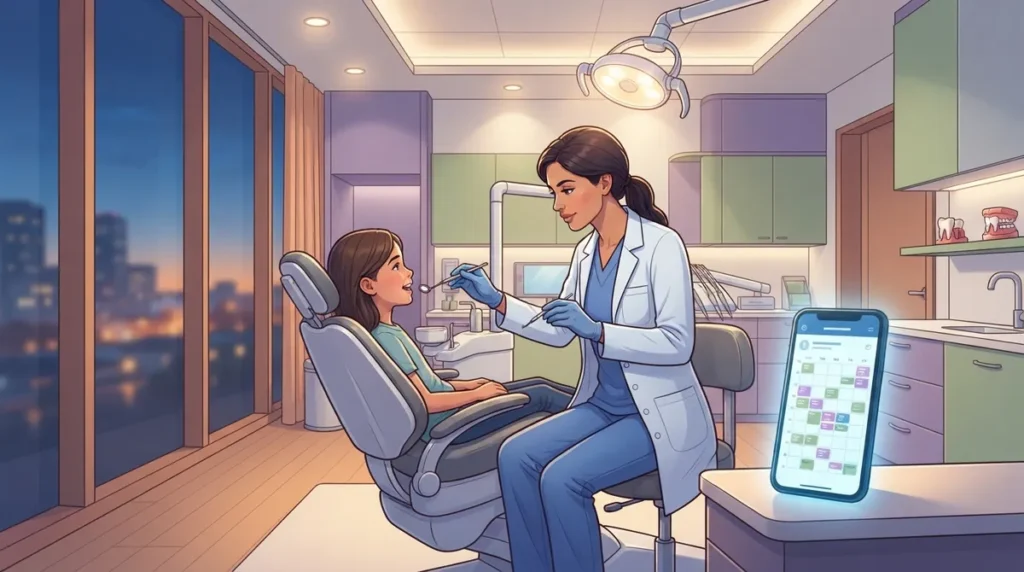
- Online self-scheduling so you can book without waiting for office hours
- Automated text or email reminders to keep you on track
- Waitlists that let you grab earlier openings when someone cancels
These features matter more than you might think. According to Clinekt Health scheduling research, 89% of patients say the ability to book healthcare appointments anytime through online or mobile tools is important to them. That number tells us convenience isn’t a nice-to-have anymore—it’s an expectation.

Why Busy Families and Professionals Need Scheduling Flexibility
Every patient has a different reason for needing a schedule that bends a little. Parents don’t want to pull kids out of class repeatedly. Career-focused adults can’t always sneak away during business hours. And life event planners racing toward a wedding or graduation need appointments that fit a tight timeline.
For Concerned Moms Juggling Multiple Kids
If you’re managing appointments for more than one child, flexible scheduling can be a lifesaver. Ask whether the practice can schedule siblings back-to-back or even on the same day. This small detail can save hours of driving and waiting.
For Young Professionals and Career-Focused Adults
Discreet treatment and discreet scheduling often go together. Many young professionals choose clear aligners precisely because they’re low-maintenance and don’t require frequent in-office adjustments. Combine that with early or evening appointments, and treatment barely interrupts your workday.
For Life Event Planners on a Deadline
Got a wedding or graduation coming up? Flexible scheduling means you can book consultations and progress checks quickly, without waiting weeks for an opening. That’s especially helpful when you’re working against a calendar deadline.
The Data Behind After-Hours and Digital Scheduling Demand
It’s not just anecdotal—the numbers back this up. A 2025 Zocdoc analysis found that 43% of appointments were booked after regular office hours, with about 28% happening between 5 p.m. and 11 p.m. and roughly 14% occurring overnight. People are booking care on their own time, not just during the traditional nine-to-five window.
Younger patients are leading this shift. That same Zocdoc data showed millennials and Generation Z made up approximately 76% of bookers, reflecting strong demand for digital, after-hours scheduling options. If you fall into this group, you’re definitely not alone in wanting a smoother, more flexible booking experience.
| Scheduling Statistic | Data Point | Source Year |
|---|---|---|
| Patients valuing anytime online booking | 89% | 2024 |
| Patients wanting to book from home or mobile | 80% | 2025 |
| Appointments booked after hours | 43% | 2025 |
| Appointments booked 5 p.m.–11 p.m. | ~28% | 2025 |
| Millennial and Gen Z bookers | ~76% | 2025 |
How Appointment Types Affect Scheduling Flexibility
Not every orthodontic visit takes the same amount of time or requires the same level of supervision. Understanding this helps set realistic expectations for how flexible your schedule can really be.
- Initial Consultation: Usually the longest visit, involving a full evaluation and discussion of options like types of braces or clear aligners.
- Diagnostic Records: X-rays, photos, and impressions or digital scans to build your treatment plan.
- Bonding or Attachment Visit: The appointment where braces or aligner attachments are placed.
- Adjustment Visits: Regular check-ins to tighten wires or issue new aligner trays.
- Emergency Appointments: Quick visits for broken brackets, poking wires, or lost aligners.
- Retention Checks: Follow-up visits after treatment to confirm your orthodontic retainers are doing their job.
Because these visits vary so much, a good practice will explain upfront how often you’ll need to come in and how far ahead you can book. This kind of transparency is part of what makes scheduling feel truly flexible rather than just convenient on paper.
Online Booking: What You Can (and Can’t) Do Digitally
Online self-scheduling has become a huge convenience, but it’s important to know its limits. Some appointment types can be booked instantly online, while others need staff confirmation first.
- Consultations and initial screenings are often bookable online
- Routine adjustment visits may be scheduled through a patient portal
- Emergency visits typically require a phone call for same-day triage
- Complex treatment planning appointments usually need staff coordination
If you’re ready to get started, you can easily request an appointment online, or if you have questions about your specific situation, feel free to contact us directly.
The Role of Waitlists and Cancellation Policies
Here’s a tip that busy patients love: ask about waitlists. A responsive waitlist can help you snag an earlier slot when another patient cancels. A 2025 study on automated healthcare waitlists found that new appointment offers were accepted for roughly one-quarter of waitlisted appointments, generally cutting down wait times significantly.
That same study found that a large share of waitlist activity happens outside typical business hours—36.7% of appointment offers were viewed during weekends or between 7 p.m. and 7 a.m. on weekdays. This shows that patients are actively checking for openings whenever it’s convenient for them, not just during office hours.
Teleorthodontics: Convenient, But Not a Full Replacement
Virtual check-ins have become a popular tool for preliminary consultations and certain progress reviews. They can save you a trip to the office and fit easily into a hectic day. However, it’s important to understand their limits.
The American Association of Orthodontists makes it clear: a state-licensed dentist should complete an in-person examination before finalizing a treatment plan or starting active treatment. Teleorthodontics is a helpful add-on, not a substitute for hands-on clinical care. Any orthodontist offering flexible scheduling should still prioritize proper in-person evaluations, especially at key stages of your treatment.
How to Compare Orthodontists Offering Flexible Scheduling
Not all flexible scheduling is created equal. Before you commit to a practice, it helps to ask specific questions and compare answers side by side.
- Do they offer evening or Saturday appointments regularly, or only occasionally?
- Can you book, cancel, or reschedule appointments online at any time?
- What is their policy on late arrivals or last-minute cancellations?
- How quickly can you get seen for an orthodontic emergency?
- Will the actual orthodontist—not just support staff—oversee your care?
- Can multiple family members be scheduled together to save time?
These questions help you separate practices that truly prioritize your time from those that just advertise flexibility without delivering it. Choosing a board certified orthodontist also ensures you’re getting quality care alongside convenience, since board certification reflects ongoing training and adherence to high clinical standards recognized by the American Board of Orthodontics.
Balancing Convenience With Clinical Quality
It’s worth repeating: flexible scheduling should never mean cutting corners on care. A trustworthy practice maintains proper appointment lengths, sterilization standards, and diagnostic thoroughness no matter how convenient their booking system is.
- Appointments are long enough to do the job right, not rushed
- Sterilization and safety protocols remain consistent at every visit
- Diagnostic imaging and records are never skipped for convenience
- Emergency access is genuinely available, not just advertised
- A licensed orthodontist personally reviews your treatment progress
At Segovia Orthodontics, Dr. Flor Segovia combines advanced orthodontic technology with a genuinely flexible approach to scheduling. Families throughout Lakewood Ranch appreciate having options that work with their routines, not against them.
Treatment Options That Fit Busy Lifestyles
Beyond scheduling itself, the type of treatment you choose can also affect how often you need to visit the office. Some options require more frequent adjustments, while others are designed for fewer check-ins.
- WildSmiles Braces: Fun, customizable bracket shapes that keep kids motivated and engaged with their treatment—check out WildSmiles Braces for more details.
- LightForce Braces: A fully digital, custom-fitted system explained further on our LightForce Orthodontics page, often reducing treatment time significantly.
- Angel Aligners: Clear, removable trays with a flexible wear schedule that can reduce the need for extra office visits.
Choosing a treatment that matches your lifestyle is just as important as choosing an office with convenient hours. For adults dealing with relapse or considering treatment later in life, our page on adult orthodontics covers options designed specifically for busy grown-up schedules.
What Parents Should Ask Before Starting Their Child’s Treatment
If you’re a parent, flexible scheduling takes on a whole new meaning. You’re not just managing your own calendar—you’re coordinating school, activities, and sometimes multiple kids’ appointments at once.
- Can early treatment or check-ups happen before or after school hours?
- Will my other children’s appointments be scheduled on the same day?
- How does the office handle missed school time for orthodontic visits?
- What happens if my child needs an emergency visit during the school day?
Learning about early orthodontic treatment and teen orthodontic treatment options ahead of time can help you plan appointments around the school year more effectively.
Making the Most of Your First Visit
Your first appointment sets the tone for the rest of treatment, so it’s worth choosing a time that lets you relax and ask questions without feeling rushed. Reviewing what to expect during your first orthodontic visit can help you prepare and make the most of your appointment time.
Curious what other patients think? You can visit us on Google — Segovia Orthodontics to read real reviews from Lakewood Ranch families, or check out our Facebook page and our Instagram page for smile transformations and office updates.
Bringing It All Together
Finding an orthodontist with flexible scheduling doesn’t mean settling for less care—it means finding a practice that respects your time as much as your smile. From early-morning slots to online booking and thoughtful waitlists, the right office makes treatment fit your life instead of disrupting it.
Ready to see how easy flexible scheduling can be? Request an appointment today, or call us at 941-557-1333 to talk with our friendly Lakewood Ranch team about a schedule that actually works for you.
FAQs
Q: What does flexible scheduling mean at an orthodontist’s office?
A: It simply means the office offers appointment times that fit real life—think early mornings, evenings, and select Saturdays, plus online booking tools. It’s all about reducing conflicts with school, work, and family commitments so treatment doesn’t feel like a burden.
Q: Do orthodontists offer evening or weekend appointments?
A: Many do, though availability varies by practice. It’s always worth asking directly how many evening or Saturday slots are offered each week, since some offices only provide limited flexible hours.
Q: Can I book or reschedule an orthodontic appointment online?
A: Often, yes! Many practices let you book consultations and routine visits online anytime, day or night. Just keep in mind that emergency visits or complex scheduling changes may still need a quick phone call to sort out.
Q: Does teleorthodontics replace an in-person orthodontic examination?
A: Not quite. Virtual check-ins are great for convenience, but the American Association of Orthodontists is clear that a licensed dentist needs to complete an in-person exam before finalizing your treatment plan. Think of teleorthodontics as a helpful extra, not a full replacement.
Q: How can I get an earlier orthodontic appointment if my schedule changes?
A: Ask if the office has a waitlist! Many practices will reach out the moment a spot opens up, which can seriously cut down your wait time. It’s a simple, effective way to stay flexible even after your appointment is already booked.
Our Service Area