Key Takeaways
-
Nobody places braces or aligners at a first consultation; it is an assessment and planning visit, and the orthodontist may review records before building a full plan.
-
Bring your medical and dental history, medication list, insurance information, and any past X-rays so the team can address coverage and avoid repeat imaging.
-
Ask about fees, payment plans, and what insurance covers when you book, since many orthodontists offer initial consultations at little or no cost but policies vary.
-
Share your timeline and goals, such as a wedding or discreet treatment needs, because they shape which treatment plan is realistic for you.
Picture this: you finally book that first visit, you walk in feeling excited, and then you leave with a head full of questions you forgot to ask. Sound familiar? You are not alone. Many people go into their first appointment unsure of what to expect, and that can lead to missed chances and wasted time.
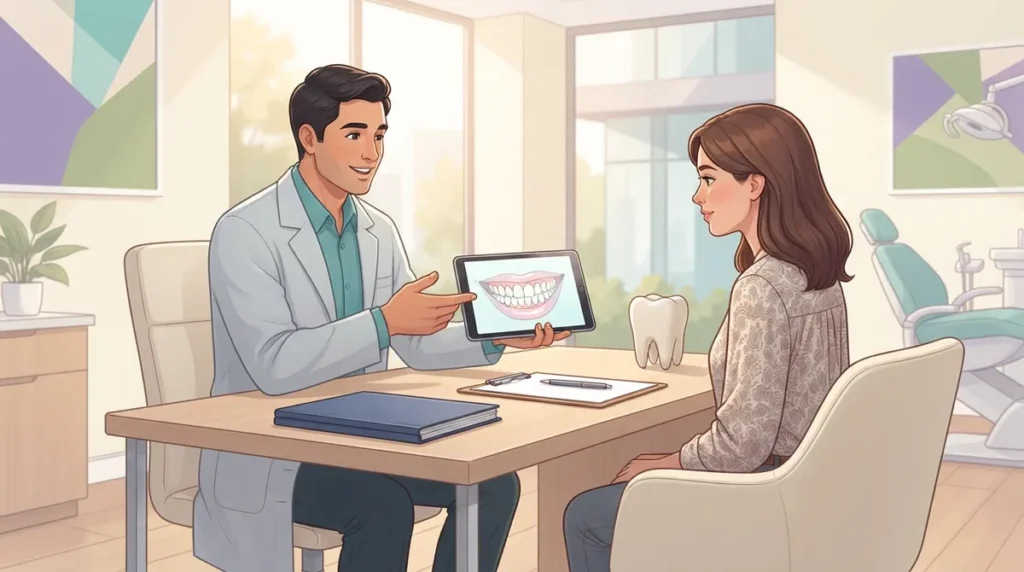
The good news is that knowing what happens at an orthodontic consultation takes the stress right out of it. This first visit is mostly a chat and a check-up. Nobody puts braces on your teeth that day. It is simply a friendly way to learn what your smile needs and what your options look like.
Whether you are a parent planning for your child, a busy professional who wants a discreet fix, or an adult whose teeth have shifted since your last round of braces, this guide is for you. We will walk through the visit step by step, then share seven common mistakes so you can avoid them and walk out feeling confident.
What Happens at an Orthodontic Consultation?
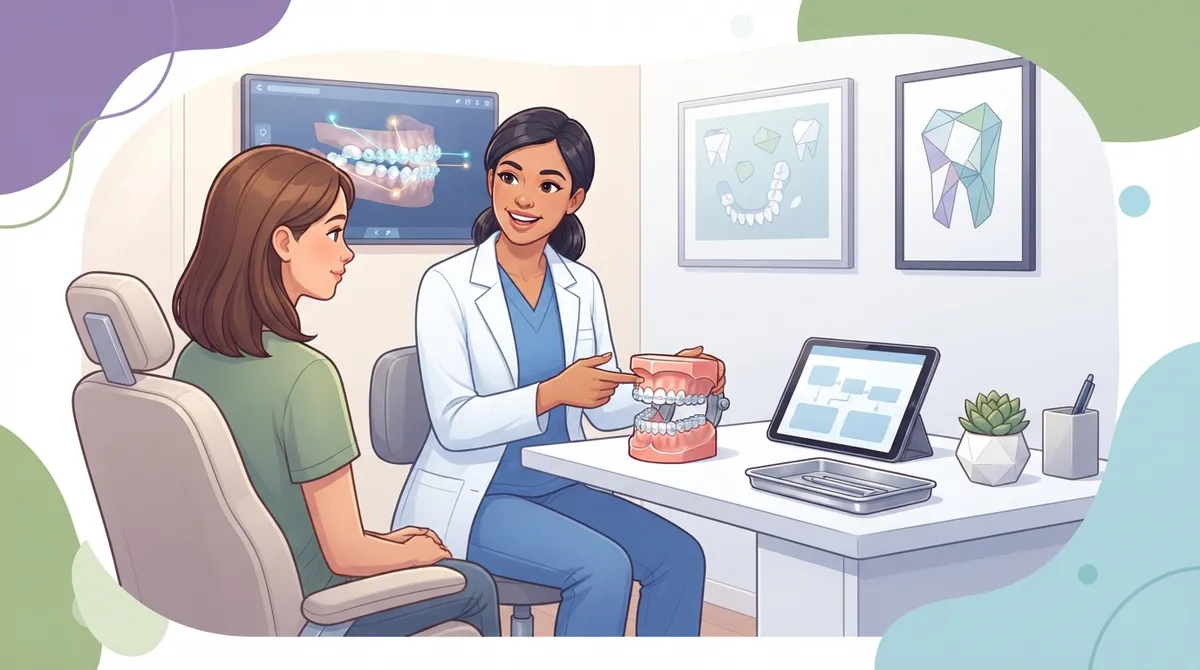
An orthodontic consultation is an assessment and a conversation. The orthodontist listens to your concerns, looks at your teeth and bite, and tells you whether treatment could help. It is not usually the day braces or aligners are placed.
Every office runs a little differently, and every patient is unique. Still, most visits follow a similar flow.
A Typical Visit, Step by Step
- Welcome and paperwork. You share your medical and dental history, plus any medications you take.
- A friendly chat. The orthodontist asks what you would like to change about your smile and what worries you most.
- A gentle exam. The doctor checks your teeth, your bite, and how your jaws fit together.
- Records. Depending on your case, the team may take photos, X-rays, or a digital scan.
- Findings and options. You hear what was found and which treatments might fit your goals.
- Time and cost talk. You discuss timing, fees, insurance, and payment options.
- Next steps. You decide how you would like to move forward, with no pressure.
If you want an even closer look at the exam itself, our guide on what happens during an orthodontic evaluation covers it nicely.
What the Orthodontist Looks For
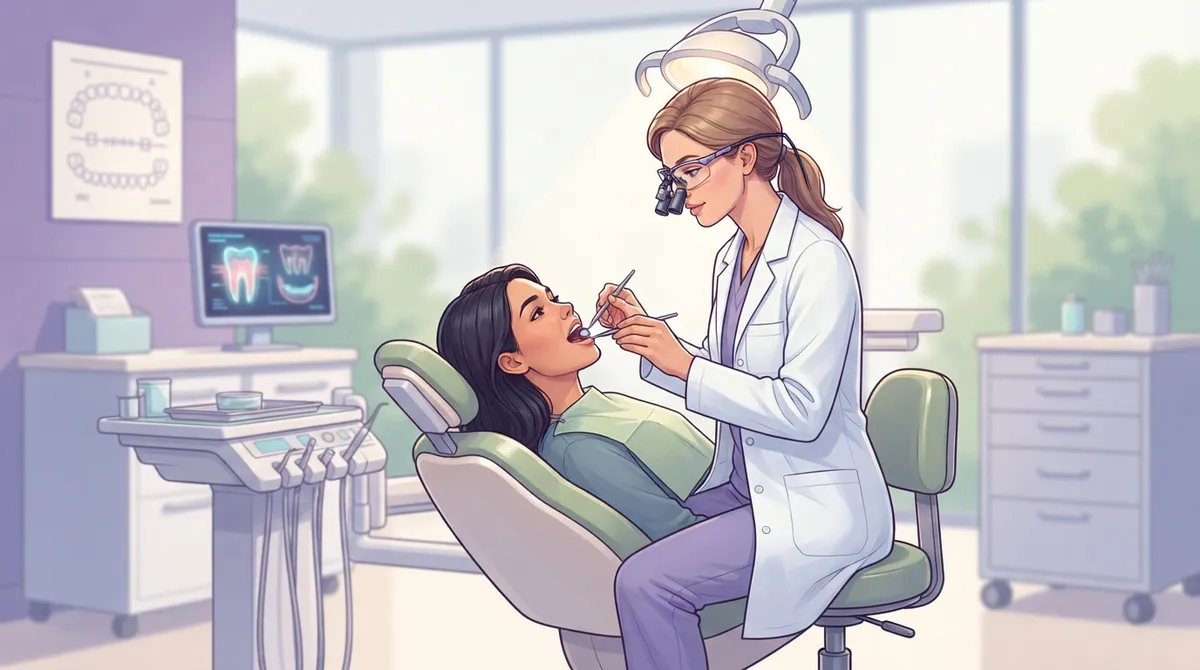
During the exam, the orthodontist checks for common concerns that affect how your teeth look and work. Here is what usually gets noted:
- Crowding, where teeth overlap or twist
- Spacing or gaps between teeth
- Overbites, underbites, and crossbites
- Open bites, where the front teeth do not meet
- How your upper and lower jaws line up
You can read more about these issues on our page about common orthodontic problems. The exam is generally painless. Most people say it feels a lot like a regular dental check-up, only easier, because nobody is poking at a cavity.
Records and Imaging You Might Have
Records help the orthodontist see what is happening beneath the surface and plan treatment with care. The exact mix depends on your case.
| Record Type | What It Shows | Why It Helps |
|---|---|---|
| Photos | Your face and teeth from several angles | Tracks your starting point and progress |
| X-rays | Tooth roots, jaw position, and hidden teeth | Supports diagnosis and planning |
| Digital scan or impressions | The exact shape and position of your teeth | Guides custom braces or aligners |
At Segovia Orthodontics at Lakewood Ranch, Dr. Flor Segovia uses advanced orthodontic technology to make this part quick and comfortable. A digital scan, for example, often replaces goopy impressions.
Treatment Options You May Hear About
Once the orthodontist understands your teeth and your goals, you will talk about options. Recommendations depend on your diagnosis, your oral health, and what matters most to you.
- Traditional braces are a trusted choice for many cases. See our overview of types of braces to learn more.
- Fun, customizable braces such as WildSmiles braces let kids and adults pick playful bracket shapes.
- Digitally designed braces like LightForce orthodontics are custom-fit and can shorten treatment time.
- Clear aligners offer a discreet, removable option. Learn about clear aligners to see if they suit your lifestyle.
Not every decision gets finalized on day one. Sometimes the orthodontist needs to review your records before building a full plan. That is perfectly normal.
Time, Cost, and Insurance: The Money Talk
Nobody loves talking about money, but this is a big part of the visit. You will usually hear about how long treatment may take, what results to expect, and any limits or risks. You will also review fees, insurance coverage, and payment plans.
The American Association of Orthodontists notes that many member orthodontists offer initial consultations at little or no cost, though policies vary by practice. Always ask about the fee when you book. If budget is a concern, our guide to orthodontic financing explains flexible ways to spread out payments.
7 Mistakes to Avoid at Your Consultation
Now for the part you came for. These seven slip-ups are easy to make, and just as easy to dodge once you know about them.
1. Showing Up Without Your History
Forgetting your medical and dental history slows everything down. Bring a list of medications, past dental work, and any health conditions. If you are a parent, be ready to share your child’s health history and your treatment goals.
2. Forgetting Insurance and Records
Bring your insurance card and any recent dental records or X-rays if you have them. This can save you from repeat imaging and help the team talk about coverage right away.
3. Not Writing Down Your Questions
It is surprisingly easy to blank out once you are in the chair. Jot your questions on your phone beforehand. Good ones include: How long will treatment take? What are my options? What will it cost each month? Our tips on how to ask the right orthodontic questions can get you started.
4. Expecting Braces the Same Day
This one trips up lots of people. The consultation is for learning and planning. The actual start comes later. If you want to know what that day looks like, read about what happens at the braces start appointment.
5. Keeping Your Goals to Yourself
If a wedding, graduation, or big career moment is coming up, say so. Life Event Planners and busy professionals often have a timeline in mind, and the orthodontist can tell you what is realistic. Do you want a discreet option? Fast results? Speak up. Your goals shape the plan.
6. Skipping the Cost Conversation
Do not leave without a clear picture of fees, payment plans, and insurance. Ask what is included and what might cost extra. Surprises are no fun, and a good practice is happy to walk you through it.
7. Waiting Too Long to Book
Putting off the first visit is the biggest time-waster of all. Early check-ups can catch problems while they are easier to treat. If you are unsure about the right timing for your child, see our page on the first orthodontic visit. Adults who had braces years ago and notice shifting teeth should not wait either.
How to Prepare: A Quick Checklist
A little prep goes a long way. Bring these along:
- Your medical and dental history
- A list of current medications
- Insurance information
- Past dental records or X-rays, if you have them
- A written list of questions and goals
For more ideas, check out how to prepare for your orthodontic consultation.
Tips for Different Patients
Parents: Bring your child’s health history and let them ask questions too. Kids feel braver when they have a voice. If your schedule is tight, ask about appointment times that fit around school and work.
Young adults and professionals: Ask about discreet options and how often you will need office visits. Clear aligners and subtle braces can fit a busy, camera-ready life.
Adults with relapse: Share what treatment you had before and how long ago. Your teeth have a history, and that story helps the orthodontist plan a smart fix. Our page on adult orthodontics shows what is possible at any age.
Why a Specialist Visit Makes a Difference
Orthodontists complete extra years of training focused on teeth and jaw alignment. You can learn more about our approach on the Dr. Flor Segovia page, and you can confirm credentials through the American Board of Orthodontics. A warm, bilingual team can also make the whole experience feel easier for the whole family.
Curious how others feel about our care? You can visit us on Google and read what our Segovia Orthodontics patients say, or follow along on our Facebook page and our Instagram page for smile stories.
Ready for Your First Visit?
Now you know what happens at an orthodontic consultation, and you know the seven mistakes that waste time. Bring your history, your questions, and your goals, and you will leave with clarity and a plan.
Your best smile does not have to stay on your wish list. Take the first step today and request an appointment with our friendly team. Prefer to talk it through first? Call us at 941-557-1333, and we will be happy to help.
FAQs
Q: What happens during an orthodontic consultation?
A: The orthodontist listens to your concerns, examines your teeth, bite, and jaws, and may take photos, X-rays, or a digital scan. Then you talk through treatment options, timing, cost, and next steps. It is a friendly chat, not a treatment day.
Q: Does an orthodontic consultation hurt?
A: Nope! The exam is generally painless and feels a lot like a regular dental check-up. Photos, scans, and X-rays are quick and comfortable.
Q: Can I get braces or clear aligners the same day as my consultation?
A: Usually not. The consultation is for assessment and planning, and the orthodontist may need to review your records before building a full treatment plan. Your start appointment is scheduled for a later visit.
Q: What should I bring to my first orthodontist appointment?
A: Bring your medical and dental history, a list of medications, insurance information, and any past dental records or X-rays. A list of questions and goals helps too. Parents should be ready to share their child’s health history.
Q: Does insurance cover an orthodontic consultation, and how much does it cost?
A: Many orthodontists offer initial consultations at little or no cost, but policies vary by practice. Ask about the fee and your insurance coverage when you book so there are no surprises.
Our Service Area