Key Takeaways
-
Choose an orthodontist with board certification and ask who will plan and supervise your treatment, since an orthodontist has specialty training beyond a general dentist.
-
The American Association of Orthodontists recommends a first check-up by age 7 so growth patterns can be monitored, though not every child needs braces at that age.
-
Clear aligners only work with consistent wear, typically 20 to 22 hours a day, so be honest about whether you can commit before choosing them over fixed braces.
-
Ask for the total fee upfront, including whether retainers are included, and confirm insurance benefits and payment plans, since costs vary by case and practice.
-
Retainers are commonly needed after treatment because teeth tend to drift back, so ask how long to wear them and what replacements cost.
-
Book a consultation and bring your dental history, goals, deadlines, insurance details, and questions to compare options and judge whether the team feels like a good fit.
Searching for an orthodontist in Sarasota can feel like a lot. There are plenty of practices, plenty of treatment options, and plenty of opinions. Maybe you’re a parent wondering if your 8-year-old needs an evaluation. Maybe you’re a busy professional who wants straighter teeth without anyone noticing. Or maybe you wore braces years ago and your smile has started to shift. Whatever brought you here, you’re in the right place.
The good news? A little preparation goes a long way. When you know what to look for, what to ask, and what to expect, the whole process feels much lighter. Think of this guide as a friendly chat with someone who has been through it all.
Below, you’ll find 13 practical tips to help you pick the right orthodontist in the Sarasota area. We’ll cover credentials, treatment types, costs, timing, and more. Let’s get your smile journey started on the right foot.
1. Start With Credentials: Know What an Orthodontist Actually Is
An orthodontist is a dentist who has completed extra specialty training in tooth and jaw alignment. That’s different from a general dentist who may offer braces or aligners as one of many services. Both can be wonderful, but it helps to know who is planning and supervising your care.
You can ask directly about training and certification. Many patients feel better when they see a provider with board certification. For example, you can learn more about the standards behind that credential through the American Board of Orthodontics. At our practice, you can read about our board certified orthodontist and what that means for your care.
If you’re still weighing your options, this helpful read on general dentist vs. orthodontist can clear things up.
2. Understand What Orthodontic Care Can Fix
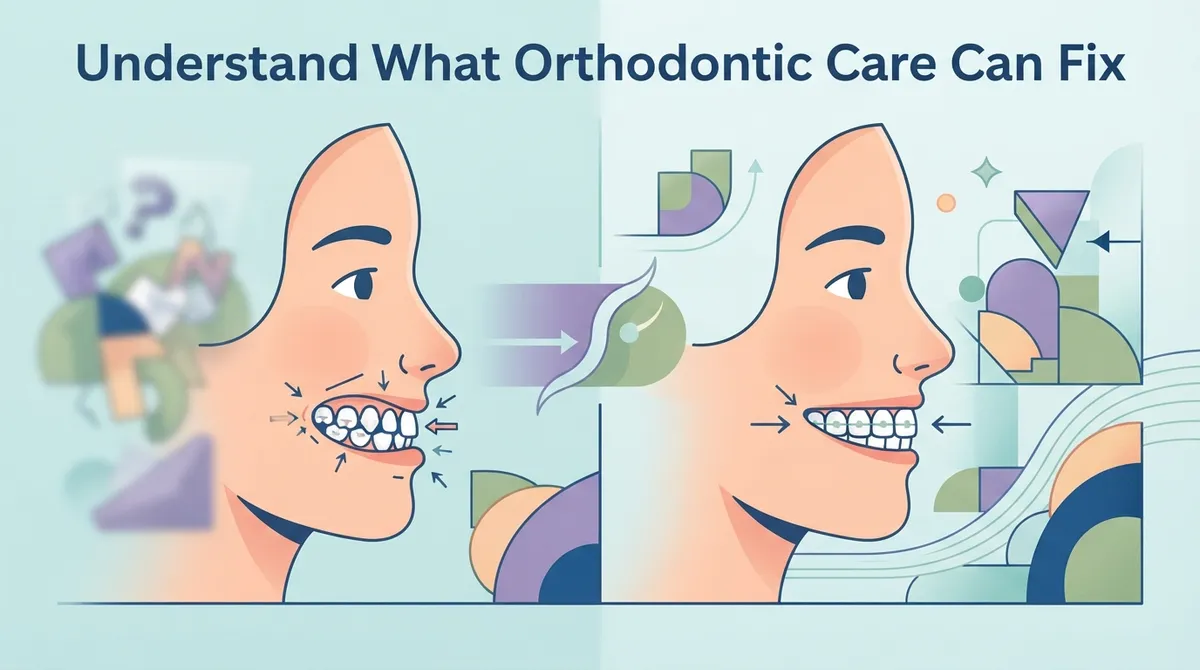
Orthodontic treatment is about more than a pretty smile. It can address real function issues too. A good orthodontist in Sarasota should be able to evaluate all of these:
- Crowding: Teeth that overlap or twist because there isn’t enough room.
- Spacing and gaps: Extra space between teeth.
- Overbite: Upper teeth that overlap the lower teeth too much.
- Underbite: Lower teeth that sit in front of the upper teeth.
- Crossbite: Some upper teeth sit inside the lower teeth.
- Open bite: Front teeth that don’t touch when you close your mouth.
Only an in-person exam can tell you which applies to you. To read more about the basics, check out our page on common orthodontic problems.
3. Compare Your Treatment Options
Sarasota-area practices typically advertise a mix of traditional metal braces, ceramic braces, clear aligners, and retainers. Availability and fit vary from practice to practice, and from patient to patient. Here’s a quick side-by-side look.
| Option | Best For | Visibility | Key Consideration |
|---|---|---|---|
| Traditional metal braces | Complex bites, kids and teens | Noticeable | Fixed, so no compliance worries |
| Ceramic or clear braces | Adults and teens wanting discretion | Less noticeable | Still fixed, but blend with teeth |
| Clear aligners | Mild to moderate cases, adults | Very discreet | Depends on consistent wear |
| Custom-fit digital braces | Patients wanting precision | Clear or white options | Designed from a digital plan |
Not sure where to begin? Our guide to types of braces walks through each style in plain language.
4. Ask About Technology
Modern orthodontics uses digital tools that can make treatment more precise and often more comfortable. Ask whether the office uses digital scans instead of goopy impressions, and how treatment plans are designed.
Some practices offer fully digital bracket systems. For instance, LightForce Orthodontics uses 3D printing to create braces customized to each tooth. Learn more about the tools we use on our advanced orthodontic technology page.
5. Know When Kids Should Be Seen
Here’s one for the moms and dads. The American Association of Orthodontists recommends a first orthodontic check-up by age 7. That doesn’t mean every child needs braces at 7. It simply means an expert can spot growth patterns early, and some kids benefit from monitoring or early treatment.
Early visits can feel low-pressure and even a bit fun. If you want to know what happens, see our page on the first orthodontic visit, or explore early orthodontic treatment.
6. Look for Teen-Friendly Care
Teens have packed schedules and big opinions about how they look. The right orthodontist in Sarasota will treat them like partners in the process. Look for practices that offer fun options and flexible appointments around school and sports.
Playful bracket shapes, colorful elastics, and clear communication can make a huge difference in how well a teen sticks with the plan. Our teen orthodontic treatment page shares how we approach it, and the WildSmiles braces options add a little personality to the journey.
7. If You’re an Adult, Ask About Discreet Options
It’s never too late to straighten your smile. Plenty of adults start treatment in their 30s, 40s, and beyond. If you work in a client-facing role or have a big event coming up, discretion may matter a lot.
Ask about clear aligners, clear braces, and any options that can fit a busy schedule. We break it all down on our adult orthodontics and clear aligners pages.
A note for adults who had braces before
If you wore braces as a teen and your teeth have shifted, you’re not alone. Relapse is common, especially if retainers weren’t worn as directed. The good news is that many adults can correct it with a fresh evaluation and a tailored plan.
8. Be Honest About Aligner Commitment
Clear aligners are removable and discreet, which is why so many people love them. But they only work if you wear them. One Sarasota-area provider advises wearing them about 20 to 22 hours a day, with tray changes on the schedule your clinician sets.
Ask yourself a few honest questions before choosing aligners:
- Can I keep them in during meals out, long workdays, and travel?
- Will I remember to clean them and keep a case handy?
- Am I comfortable with being the one in charge of my own progress?
If the answer is mostly yes, aligners could be a great fit. If not, fixed braces may keep you on track more easily. Our comparison of braces vs. clear aligners can help you decide.
9. Get Realistic About Treatment Time
How long will it take? The honest answer is that it depends. Local practice information describes treatment ranging from about three months for limited cases to a couple of years for more comprehensive care. Your exam will give you a much more accurate estimate.
Treatment length depends on several things:
- How complex your bite or crowding is
- The type of appliance you choose
- How well you follow instructions
- How your teeth and jaws respond
Some systems, like digital custom braces, are designed to improve efficiency. Ask your orthodontist what timeline is realistic for your case, and what could speed it up or slow it down.
10. Understand Costs and Insurance Up Front
Let’s talk money, because it matters. Orthodontic cost depends on complexity, how long treatment lasts, the appliance you choose, your insurance benefits, and payment arrangements.
One Sarasota-area practice publishes an approximate range of $4,000 to $8,000 for comprehensive Invisalign treatment. Keep in mind that this is a practice-published estimate, not a standard Sarasota market price. Always confirm costs directly with the office you’re considering.
| Question to Ask | Why It Matters |
|---|---|
| What is the total fee? | Avoids surprise add-ons later |
| Are retainers included? | Retainers are a real long-term cost |
| What does my insurance cover? | Benefits vary widely by plan |
| Are there payment plans? | Monthly options can ease the load |
For a deeper look at your options, explore orthodontic financing and these smart ways to make financing work for you.
11. Plan for Retainers From Day One
Here’s something many people forget until the end: teeth like to drift back. That’s why retainers are commonly prescribed after active treatment. They help hold your new smile in place.
Before you commit to a practice, ask these questions:
- Are my first retainers included in the fee?
- How long should I wear them, and how often?
- What does a replacement cost if I lose or break one?
Our page on orthodontic retainers explains the types and how to care for them.
12. Pay Attention to the Vibe
Credentials and tech are important, but so is how you feel in the office. Do the team members greet you warmly? Do they explain things clearly and answer questions without rushing? Do you feel respected and comfortable?
Orthodontic care is a relationship that can last a year or two, sometimes longer. You’ll visit regularly, so a friendly, supportive environment matters. Bilingual care can also be a big plus for families who speak Spanish at home.
You can read a bit about the practice and its mission on our why choose us page, and meet Dr. Flor Segovia.
13. Book a Consultation and Come Prepared
The best way to know if an orthodontist is right for you is to meet them. A consultation lets you ask questions, see the office, and get a clear picture of your options. Bring your dental history, a list of questions, and any insurance details.
Here’s a simple way to prepare:
- Write down your goals (straighter teeth, a better bite, a fix for relapse).
- List any deadlines, such as a wedding, graduation, or big career event.
- Gather insurance information and ask about benefits.
- Note any past orthodontic treatment or jaw discomfort.
- Bring questions about cost, timeline, and retainers.
Want to know what to expect? Our guide to your orthodontics appointment has you covered.
A Note on Serving the Sarasota Area
Many families in and around Sarasota look just up the road to Lakewood Ranch for care. Segovia Orthodontics at Lakewood Ranch offers personalized treatment for children, teens, and adults, including traditional braces and clear aligners, in a comfortable and supportive setting. You can see what others say by visiting Segovia Orthodontics on Google, and you can follow along with smile stories on our Facebook page and our Instagram page.
If you’re looking for a local option close to Sarasota, here is a related read on choosing an orthodontist in Sarasota, FL (in Spanish).
Ready to Take the First Step?
Choosing an orthodontist in Sarasota doesn’t have to be stressful. Focus on credentials, treatment fit, clear pricing, and a team that makes you feel at ease. Ask lots of questions, and trust your gut.
Whether you’re helping your child, preparing for a big life event, or finally fixing a smile that has shifted, there’s a path that fits you. When you’re ready, request an appointment with our friendly team, or call us at 941-557-1333 to chat about your goals. We’d love to help you smile with confidence in 2026 and beyond.
FAQs
Q: How do I choose the right orthodontist in Sarasota, Florida?
A: Start by checking credentials and asking who will plan and supervise your treatment. Then compare treatment options, ask about total costs and retainers, and book a consultation to see if the team feels like a good fit.
Q: What is the difference between an orthodontist and a general dentist who offers braces?
A: An orthodontist is a dentist who has completed additional specialty training in tooth and jaw alignment. A general dentist may offer braces or aligners too, but orthodontic care is the main focus for a specialist.
Q: At what age should my child see an orthodontist?
A: The American Association of Orthodontists recommends a first check-up by age 7. It’s an evaluation, not a promise your child needs braces. Some kids just need monitoring, while others benefit from early treatment.
Q: How long does orthodontic treatment usually take?
A: It depends on your case. Local practices describe a range from a few months for limited treatment to a couple of years for more comprehensive care. Your orthodontist can give you a personal estimate after an exam.
Q: Do I need to wear a retainer after braces or aligners?
A: Yes, retainers are commonly prescribed after active treatment to help keep your teeth in their new positions. Ask your orthodontist how long to wear them and what replacements cost.
Our Service Area