Key Takeaways
-
"Invisible white braces" is an informal term, not a medical one, and usually refers to ceramic braces, clear aligners, or lingual braces, none of which is truly invisible.
-
Ceramic braces use the same fixed mechanics as metal braces but blend in better, though they can be bulkier, cost more, and chip more easily.
-
The clear or white elastic ties stain more often than the ceramic brackets, so brushing after meals, limiting coffee, tea, and dark sauces, and keeping adjustment visits helps keep them fresh.
-
Clear aligners are removable and must be worn consistently, while ceramic and lingual braces work around the clock without relying on you to wear them.
-
Cost and treatment time vary widely by case, so a personalized consultation is the only reliable way to get an estimate and understand insurance and financing options.
-
Choosing a board-certified orthodontist matters, since orthodontists treated about 70% of patients in the AAO's 2024 study and can tailor a plan to your bite, not just your looks.
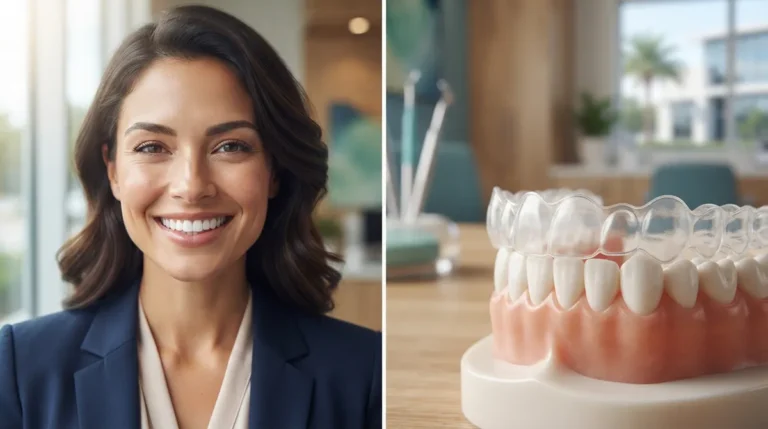
Let’s be honest: nobody wakes up dreaming of a mouth full of shiny metal. If you have been searching for invisible white braces, you are probably hoping for a straighter smile without anyone noticing your treatment. We get it! Whether you are a busy professional, a parent helping a teen, or an adult planning for a wedding, wanting a discreet option is completely normal.
Here is the friendly truth up front. “Invisible white braces” is an informal phrase, not an official orthodontic term. Most of the time, it means tooth-colored or clear ceramic braces. But some people use it to mean clear aligners or even braces hidden behind the teeth. These are different treatments with different pros and cons.
In this guide, we will walk through 11 helpful facts so you can sort out the options with confidence. Think of it as a relaxed chat about what works, what does not, and how to decide. At Segovia Orthodontics in Lakewood Ranch, we love helping families and adults find the right fit for their smile.
1. “Invisible White Braces” Is a Nickname, Not a Medical Term
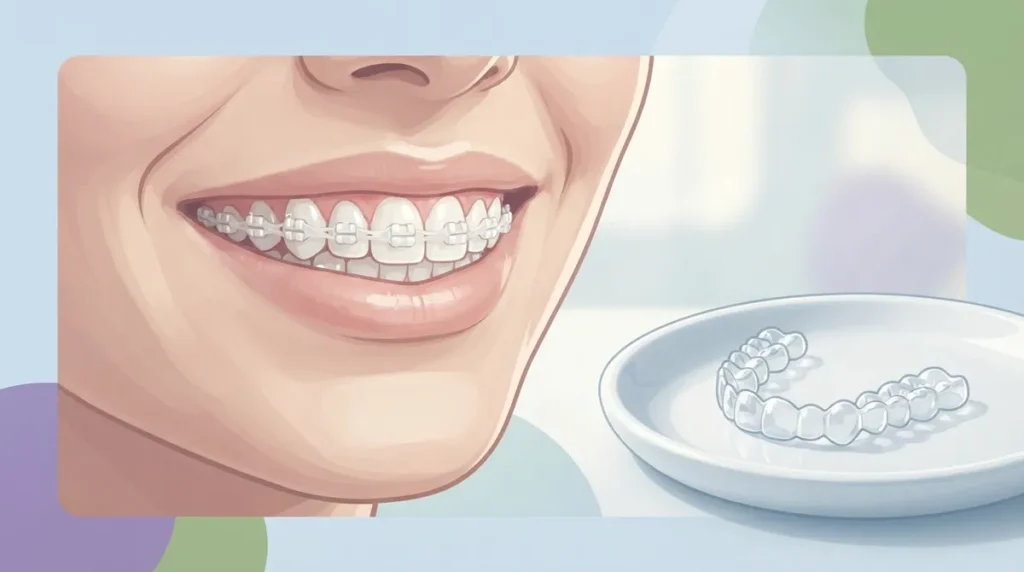
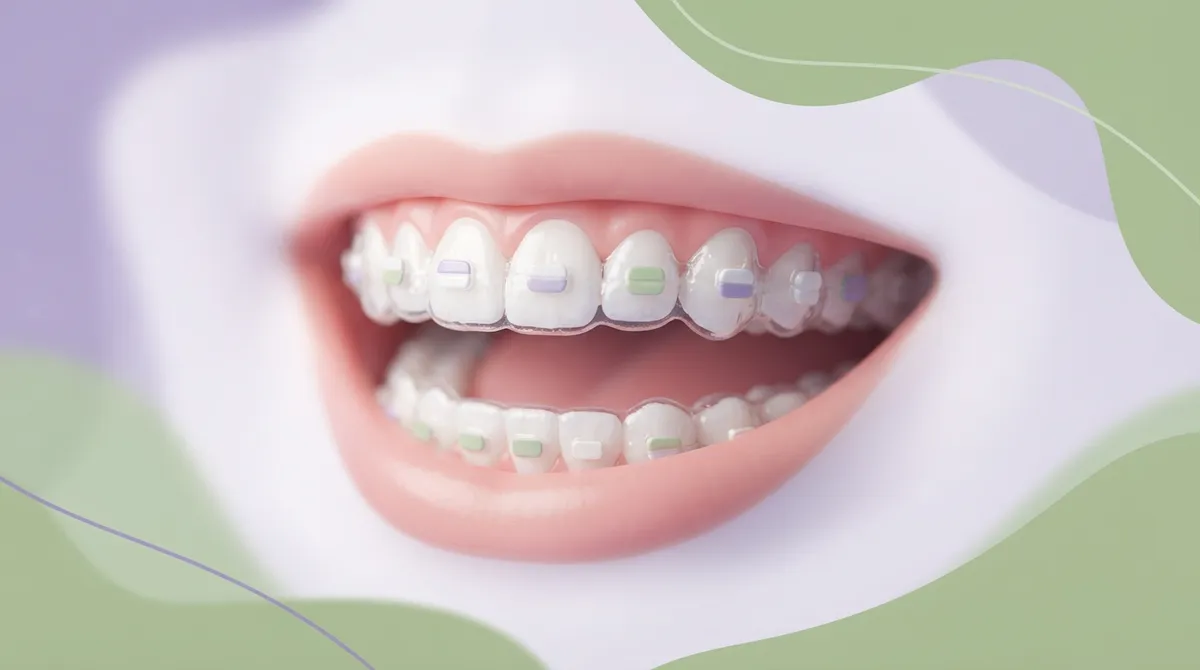
When someone says invisible white braces, they usually mean one of three things. Knowing the difference helps you ask better questions at your consultation.
- Ceramic (tooth-colored) braces: Fixed brackets made of clear or white ceramic.
- Clear aligners: Removable plastic trays that you wear most of the day.
- Lingual braces: Fixed braces placed on the back of the teeth.
None of these is truly invisible. Each one is simply less noticeable than traditional metal. To see how the main choices compare, our guide to types of braces is a great place to start.
2. Ceramic Braces Are the Most Common “White Braces”
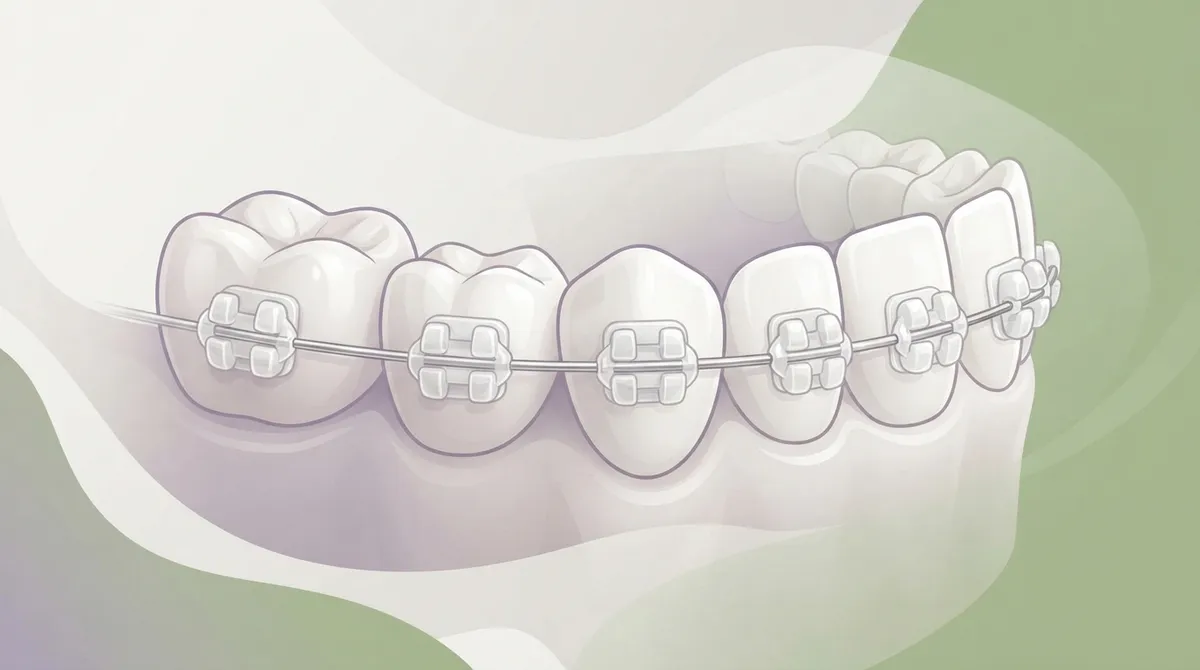
Ceramic braces use brackets made from clear or tooth-colored ceramic. They are bonded to the teeth and connected with an archwire. Because the brackets blend in with your natural enamel, they are much harder to spot than metal ones.
Many people choose them because they want a fixed appliance but still care about looks. If this sounds like you, you may enjoy reading about what makes clear braces worth the investment.
3. They Work Like Metal Braces
Here is some good news. Ceramic braces use the same basic mechanics as metal braces. An archwire applies gentle pressure, and your teeth slowly move into better positions. They can address a wide range of alignment and bite problems.
Whether they are right for you depends on your diagnosis, your goals, and your orthodontist’s assessment. That is why a personal exam matters so much. Not every smile needs the same tool.
4. Compare Your Discreet Options Side by Side
This quick table shows how the most popular less-visible options stack up. Remember, every case is different, so treat this as a starting point.
| Option | How It Works | Visibility | Removable? | Best For |
|---|---|---|---|---|
| Ceramic braces | Fixed tooth-colored brackets and wire | Low, but not invisible | No | Patients who want fixed, steady treatment |
| Clear aligners | Custom clear trays worn in sequence | Very low | Yes | Patients who can wear trays consistently |
| Lingual braces | Brackets on the back of the teeth | Hidden from view | No | Patients who want fixed braces out of sight |
| Metal braces | Fixed metal brackets and wire | High | No | Patients focused on durability and value |
5. Wires and Ties Make a Difference
The bracket is only part of the story. Ceramic braces can use white or clear wires and elastic ties to look more discreet. These small details help the whole appliance blend in better.
Still, they are not completely invisible. Up close, people may notice them. Most patients find that ceramic braces draw far less attention than metal ones in everyday life.
6. Staining Is Mostly About the Ties
Many people worry that white braces turn yellow. Here is a surprise: the ceramic brackets themselves are not necessarily what stains most. The clear or white elastic ties are more likely to discolor.
Foods, drinks, and tobacco can all cause staining. To keep things fresh, try these habits:
- Brush after meals and snacks when you can.
- Limit coffee, tea, red wine, and dark sauces.
- Rinse with water after staining foods or drinks.
- Keep every adjustment visit so ties can be replaced.
Good brushing and regular orthodontic visits also protect your gums and teeth. Our tips on how to care for your braces can help you stay on track.
7. There Are Trade-Offs to Know About
No treatment is perfect, and we believe in being open about that. Compared with metal braces, ceramic braces are generally less noticeable. But they can come with a few downsides.
- Bulkier brackets: They can feel a little larger on the teeth.
- Higher cost: They often cost more than metal braces.
- Chipping risk: Ceramic can be more prone to chipping or breaking.
Your orthodontist should explain how durable your specific appliance is and what that means for your treatment. If metal still appeals to you, you might like our post on why traditional metal braces are still a top choice.
8. Clear Aligners Are a Different Path
If you want the least visible option, clear aligners may come to mind. These are removable trays you wear as directed. Ceramic braces, on the other hand, stay on your teeth the whole time.
That difference matters in real life. With aligners, you must wear them consistently, usually most of the day. With fixed braces, the appliance works around the clock without relying on you to put it in.
A 2024 systematic review comparing clear aligners and fixed appliances reported similar overall efficacy in tooth movement in the included studies. It also found a statistically significant treatment-time result favoring aligners. That said, this should not be applied to every case, and it does not speak to ceramic braces specifically. You can explore our clear aligners page to learn more.
9. Local Options Go Beyond Basic Ceramic
At our Lakewood Ranch office, we offer more than one way to get a discreet, confident smile. Two options stand out for patients who want a modern, less noticeable look.
LightForce Braces
LightForce is a fully digital system that uses 3D printing to create custom-fitted brackets. It is available in clear or white brackets that blend naturally with your teeth. The system is designed to help treatment move efficiently and comfortably. Read more about LightForce Orthodontics to see if it fits your goals.
Angel Aligners
Angel Aligners are clear, removable trays with a frosted finish designed to reduce shine. They use AI-driven planning and a flexible wear schedule. If you love the idea of removable trays, you may also enjoy our comparison of braces versus clear aligners.
10. Cost, Timing, and Insurance Vary Widely
Many people ask, “How much will this cost, and how long will it take?” The honest answer is that it depends. Published consumer-health summaries give broad price and time ranges for ceramic braces. But those numbers vary a lot by case, location, provider, and type of appliance.
The only way to get a reliable estimate is a personalized consultation. Ask about total fees, what insurance may cover, and what payment options exist. Our page on orthodontic financing explains flexible ways to make treatment fit your budget.
The demand for orthodontic care is also growing. The American Association of Orthodontists reported in 2025 that about 1.91 million adults were in active treatment with U.S. AAO members, up from about 1.64 million in 2022. If you are an adult thinking about starting, you are in good company. Our adult orthodontics page is a helpful next stop.
11. Choosing a Specialist Matters Most
Here is a number that stands out. In the AAO’s 2024 consumer landscape study, orthodontists treated 70% of patients in treatment. General and pediatric dentists treated 20%, and mail-order providers treated 10%. Seeing a specialist helps you get a plan built around your bite, not just your looks.
Dr. Flor Segovia is a board-certified orthodontist who offers bilingual care in English and Spanish. You can learn about her background on the Orthodontist Flor Segovia page. You can also confirm board status through the American Board of Orthodontics.
Who Is a Good Fit for Less-Visible Braces?
Different people look for discreet braces for different reasons. Here is how a few common groups often think about it.
- Parents of teens: You want your child to feel confident at school. Our guide on how to choose the right braces for teens can help.
- Young professionals: You want a polished look at work and in photos.
- Event planners: A wedding or graduation is coming, and you want a straighter smile.
- Past braces wearers: Your teeth shifted, and you want to fix relapse.
Each group has different needs, and a good plan respects that. An exam will show which option your teeth can handle best.
Questions to Ask Before You Start
All orthodontic appliances need careful cleaning and follow-up. Before you commit, bring a short list of questions to your visit:
- Which option fits my bite and my goals?
- How long will treatment likely take?
- What is the total cost, and what is included?
- How do I clean my teeth and appliance each day?
- Are there food restrictions I should know about?
- What do I need for sports mouthguards?
- What kind of retainer will I wear afterward?
Retention is a big deal. Once active treatment ends, a retainer helps hold your results in place. Learn more on our orthodontic retainers page.
Ready to Explore Your Discreet Smile Options?
The phrase invisible white braces covers a lot of ground, and the best choice is the one that matches your teeth, lifestyle, and goals. Ceramic braces, LightForce, and clear aligners can all play a role. The key is a clear diagnosis and honest guidance.
We would love to help you figure it out. Come see what our community says by visiting our Segovia Orthodontics location on Google, or follow along on our Facebook page and our Instagram page for smile stories.
Ready to take the first step? Request an appointment today, or call us at 941-557-1333 to chat with our friendly team. Your best smile is closer than you think!
FAQs
Q: What are invisible white braces called?
A: “Invisible white braces” is an informal term, not an official one. Most often it means ceramic or tooth-colored braces, though some people also use it for clear aligners or lingual braces. Your orthodontist can help you sort out which one you really mean.
Q: Do white ceramic braces stain?
A: The ceramic brackets themselves usually hold up well. The clear or white elastic ties are more likely to discolor, especially with coffee, tea, dark sauces, or tobacco. Brushing well and keeping your regular visits lets your orthodontist swap in fresh ties.
Q: Are ceramic braces as effective as metal braces?
A: Ceramic braces use the same basic fixed-appliance mechanics as metal braces and can treat many alignment and bite problems. They can be bulkier, cost more, and chip more easily, so your orthodontist will tell you if they suit your case.
Q: What is the difference between ceramic braces and clear aligners?
A: Ceramic braces are fixed to your teeth and work all day without any effort from you. Clear aligners are removable trays that you must wear consistently, as directed. Each option has its own look, upkeep, and ideal candidate.
Q: How much do ceramic braces cost, and how long do they take?
A: Cost and timing vary a lot by case, location, provider, and appliance. A personalized consultation is the best way to get a reliable estimate. We also offer flexible financing to help make treatment more manageable.
Our Service Area