Key Takeaways
-
Gap teeth (diastema) can be effectively closed with multiple treatment options including traditional braces, LightForce braces, clear aligners, and Angel Aligners, with treatment duration ranging from 12-36 months depending on the method chosen.
-
Identifying and treating the root cause of gaps—such as tongue-thrust habits, oversized frenum tissue, gum disease, or missing teeth—is essential to prevent relapse and ensure permanent results after orthodontic treatment.
-
Comprehensive orthodontic treatment for gap teeth in Bradenton typically costs $3,000-$7,000, with insurance coverage averaging $1,772 nationally and many plans providing up to $3,000 in benefits.
-
Long-term retainer wear is critical after gap closure, starting with full-time use for several months and transitioning to indefinite nighttime wear to prevent teeth from naturally drifting apart again.
-
Children with gaps between front teeth often experience natural closure once permanent lateral incisors and canine teeth erupt, though evaluation is recommended if the gap widens or persists after adult teeth come in.
-
Verify that your orthodontist is board-certified, ask about diagnostic records and retainers included in pricing, confirm emergency support availability, and discuss financing options before committing to treatment.
Ever caught yourself smiling with your hand over your mouth because of that space between your front teeth? You’re not alone. That little gap, called a diastema, is one of the most common reasons Bradenton families walk through our doors. The good news is that it’s also one of the most treatable orthodontic concerns out there. Whether you’re a mom watching your child’s smile change, a young professional tired of hiding your grin in photos, or an adult whose old braces just didn’t hold up, there’s a path forward that fits your life and your budget.
In this guide, we’ll walk through what causes gaps between teeth, which treatments actually close them for good, and what it might cost you here in Bradenton. We’ll also share how Segovia Orthodontics at Lakewood Ranch approaches this common concern with care, technology, and a little bit of fun along the way.
What Exactly Is a Gap Between Teeth?
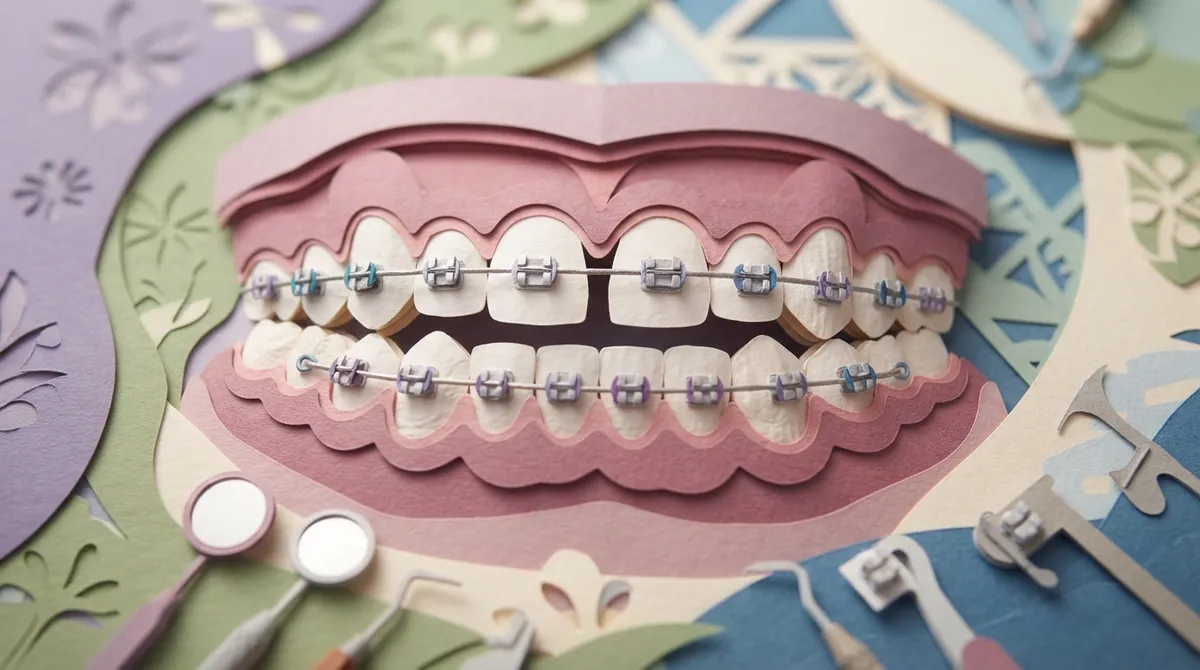
A gap between two teeth has a fancy name: diastema. The most common spot for it is right between your two upper front teeth. But gaps can pop up anywhere in your mouth.
Several things can cause this spacing. Here are the usual culprits:
- Natural growth patterns during childhood development
- Teeth that are smaller than your jaw needs them to be
- Missing teeth or teeth that never fully grew in
- An oversized piece of tissue between your front teeth (called a frenum)
- A tongue-thrusting habit that pushes teeth apart over time
- Gum disease that has loosened the support around your teeth
- Teeth that have simply shifted with age or after previous treatment
Knowing the cause matters. If you just close the gap without fixing what caused it, that space can sneak right back open later. We’ll talk more about that relapse risk shortly.
Is a Child’s Front Tooth Gap Normal?
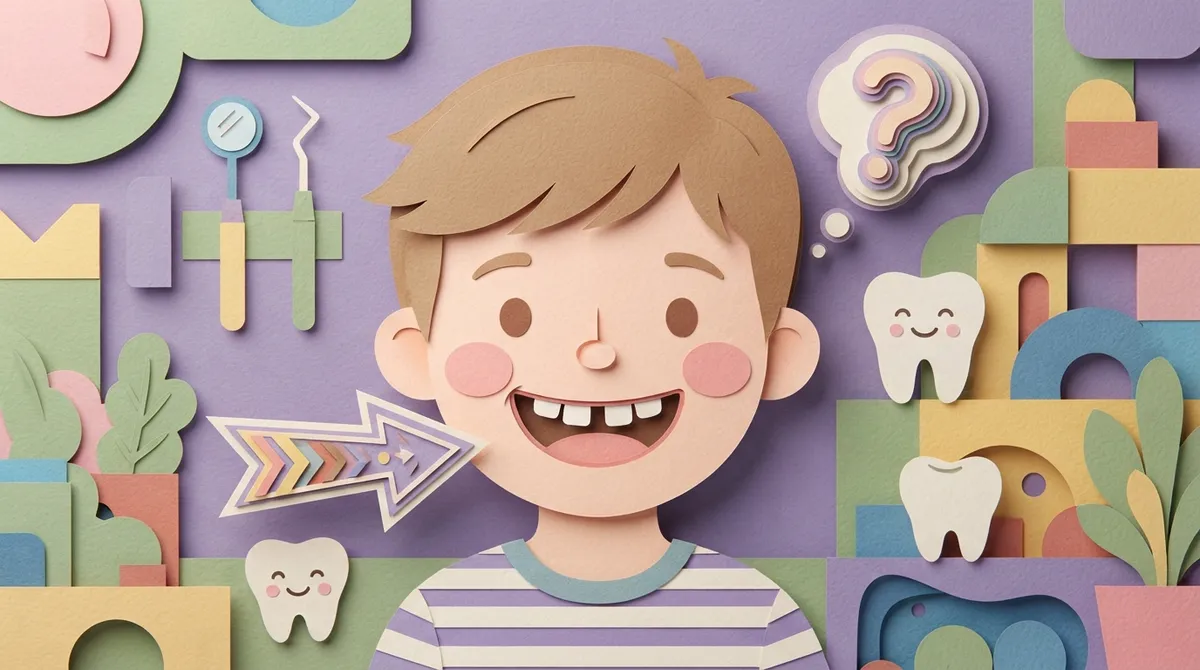
If you’re a mom noticing a gap in your seven-year-old’s smile, take a breath. This is often completely normal. Many kids go through a stage where their upper front teeth have a visible space. It usually closes on its own once the permanent lateral incisors and canine teeth come in.
That said, there are times when a checkup makes sense. Consider scheduling an evaluation if you notice:
- The gap seems to be getting wider instead of smaller
- It sticks around well past the eruption of adult teeth
- Your child’s bite looks off when they close their mouth
- Teeth appear missing, unusually shaped, or unusually small
Our early orthodontic treatment approach lets us keep an eye on things without rushing into unnecessary work. Sometimes watching and waiting is the smartest move. Other times, early action prevents bigger problems down the road.
Which Treatment Options Actually Close Gaps?
The good news? You’ve got real choices. The right one depends on the size of your gap, your bite, your age, and how consistent you can be with wearing appliances.
1. Traditional Metal Braces
Metal braces remain a reliable workhorse for closing gaps. They apply steady, controlled pressure that gradually pulls teeth together while also improving your overall bite. At our office, we offer WildSmiles Braces for kids and teens who want a bit of personality in their treatment, with fun bracket shapes like stars, hearts, and even Mickey Mouse designs.
2. LightForce Braces
For patients who want precision without sacrificing subtlety, LightForce Orthodontics offers fully custom, 3D-printed brackets designed specifically for your teeth. Dr. Segovia can make real-time digital adjustments, and many patients see treatment times cut by up to 45 percent compared to older bracket systems. The brackets also come in clear or white options, so they blend in more naturally.
3. Clear Aligners
Mild to moderate gaps are often great candidates for clear aligners. These removable trays are nearly invisible, which makes them popular with young professionals headed to job interviews or life event planners preparing for a wedding photo shoot. Success depends heavily on wearing them as directed, typically 20 to 22 hours a day.
4. Angel Aligners
Angel Aligners use a smart “7+3” wear schedule, alternating a flexible tray for seven days with a firmer one for three days. This can speed up tooth movement and reduce office visits. Many patients appreciate the frosted, less shiny finish and the lower overall cost compared to some premium aligner brands.
Comparing Your Gap-Closing Options
| Treatment | Best For | Typical Duration | Visibility |
|---|---|---|---|
| Traditional Metal Braces | Larger gaps, complex bites, kids and teens | 18-36 months | Visible |
| LightForce Braces | Patients wanting speed and precision | Often reduced by up to 45% | Subtle (clear/white options) |
| Clear Aligners | Mild-moderate gaps, discreet treatment seekers | 12-18 months | Nearly invisible |
| Angel Aligners | Budget-conscious patients wanting faster results | Varies by case | Nearly invisible |
Why Treating the Root Cause Matters
Here’s something we tell every patient: closing the gap is only half the job. If a tongue-thrust habit, gum disease, or an oversized frenum caused the space in the first place, that gap can reopen after treatment ends. This is called relapse, and it’s frustrating for everyone involved.
Depending on your diagnosis, your treatment plan might also involve:
- A frenectomy performed by an oral surgeon if a prominent frenum is pulling teeth apart
- Habit-correction therapy if tongue-thrusting is the culprit
- Periodontal treatment from a specialist if gum disease has weakened tooth support
- Restorative work from a general dentist if tooth-size discrepancies are involved
- Consistent retainer wear once your active treatment is complete
This is exactly why a thorough orthodontic evaluation matters so much before treatment begins. Dr. Segovia uses digital scans, photographs, and appropriate imaging to figure out not just what’s happening, but why.
How Much Do Braces for Gap Teeth Cost in Bradenton?
Let’s talk numbers, because we know cost is often top of mind. Local estimates for comprehensive orthodontic treatment in the Bradenton area commonly fall between $3,000 and $7,000. Traditional metal braces often land around $3,000 to $5,000, while clear aligner treatment can range from $3,000 to $7,000 depending on complexity.
Some offices also report an average comprehensive fee closer to $5,000-$6,000. Keep in mind these are general figures, not guaranteed prices. Your exact cost depends on your case.
Other charges you might encounter along the way include:
- Examination fees, often around $50-$150
- X-rays or digital imaging, typically $25-$250
- Appliance fees ranging from $400-$2,000
- Monthly adjustment visits, sometimes up to $100 each
Insurance can help offset some of this. National data from 2021 involving over 112,000 insured patients showed average orthodontic coverage around $1,772, with 92% of patients qualifying for up to $3,000 in benefits. Every plan is different, so it’s worth checking your specific coverage. Our team can help you navigate orthodontic financing options and payment plans designed to fit real family budgets.
How Long Does Gap Closure Take?
Timing varies quite a bit based on the treatment you choose and the complexity of your case. Here’s a general breakdown:
- Clear aligners: roughly 12-18 months for many gap cases
- Traditional braces: typically 18-36 months, especially when bite correction is also needed
- LightForce braces: often shorter than traditional timelines thanks to precision planning
- Angel Aligners: varies, but the accelerated wear schedule can speed things along
Your actual timeline depends on how your teeth respond, how well you follow instructions, and whether other issues like crowding or bite problems need attention too. Career-focused adults juggling demanding schedules often appreciate options with fewer required office visits.
Retainers: The Step Nobody Should Skip
We can’t stress this enough. Teeth are naturally inclined to drift, even after your braces come off or your last aligner tray is finished. This is especially true for gap cases, since teeth that moved together can slowly separate again without support.
Your orthodontist will typically recommend:
- Full-time retainer wear for the first several months after treatment
- A gradual shift to nighttime-only wear
- Long-term or indefinite nighttime wear to protect your investment
Adult relapse patients know this lesson well, often the hard way. If your gap has reopened years after your first round of treatment, you’re in good company. Many adults return to orthodontic care precisely because retainer habits slipped after the excitement of finishing treatment wore off. Our orthodontic retainers page has more details on keeping your results for the long haul.
How to Choose the Right Orthodontic Provider in Bradenton
Not all orthodontic offices are created equal, and it pays to ask a few smart questions before committing. Here’s a helpful checklist:
- Is the provider a licensed, board-certified orthodontic specialist? You can verify credentials through the American Board of Orthodontics.
- What diagnostic records and retainers are included in the total price?
- What’s the expected treatment duration for your specific case?
- Does the office offer emergency support if something breaks or feels uncomfortable?
- What financing terms and insurance coordination options are available?
- Does the practice offer multiple treatment types, including braces, clear braces, and clear aligners?
Dr. Flor Segovia is a board-certified orthodontist who provides bilingual care in English and Spanish, which makes a real difference for many families in our community. Learn more about her approach on our orthodontist Flor Segovia page.
Why Families Trust Segovia Orthodontics
We believe orthodontic care should feel welcoming, not intimidating. That’s why we’ve built our practice around advanced orthodontic technology paired with a genuinely warm, family atmosphere. From WildSmiles brackets that turn treatment into something kids get excited about, to LightForce’s digital precision for patients who want efficient results, we tailor care to real people, not one-size-fits-all plans.
Curious what other families think? You can visit us on Google — Segovia Orthodontics to read reviews from real patients in the Lakewood Ranch and Bradenton area. We also share smile transformations and helpful tips on our Facebook page and our Instagram page, so feel free to follow along.
What to Expect at Your First Visit
Walking into a new orthodontic office can feel a little nerve-wracking, especially if you’re an adult who hasn’t seen an orthodontist since your teenage years. Here’s what typically happens:
- A friendly conversation about your concerns and goals
- Digital scans or photographs to map out your teeth and bite
- A discussion of treatment options that fit your lifestyle and budget
- A clear, written estimate outlining total costs, financing, and retainer expectations
Our first orthodontic visit page walks through this process in more detail, so you know exactly what to expect before you even walk through the door.
Ready to Close That Gap?
A gap between your teeth doesn’t have to be something you just live with. Whether you’re a parent watching your child’s smile develop, a professional prepping for a big career milestone, or an adult ready to fix a relapse from years ago, there’s a treatment path built for you. Bradenton families deserve orthodontic care that’s honest about costs, realistic about timelines, and genuinely invested in long-term results.
Ready to find out what your smile needs? Request an appointment today, or feel free to contact us with any questions. You can also call us at 941-557-1333 to speak with our friendly team and take the first step toward the confident smile you deserve.
FAQs
Q: How much do braces for gap teeth cost in Bradenton?
A: Most comprehensive treatments in the Bradenton area run between $3,000 and $7,000, though your exact cost depends on the gap size and treatment type. We always provide a written estimate so you know exactly what to expect before starting, with no surprise fees down the road.
Q: Can braces really close a gap between my front teeth?
A: Absolutely! Traditional metal braces and options like LightForce braces are excellent at closing gaps by gently and steadily moving teeth together. The key is treating any underlying cause too, so your beautiful new smile actually sticks around for good.
Q: Are clear aligners or traditional braces better for gaps?
A: It really depends on your specific gap and lifestyle. Mild to moderate gaps often respond wonderfully to clear aligners or Angel Aligners, while larger gaps or bite issues may need the extra control that traditional braces provide. We’ll help you figure out what fits best during your evaluation.
Q: Will my dental insurance help pay for gap treatment?
A: Many insurance plans do offer some orthodontic coverage, with national averages often landing around $1,772. Bring your insurance details to your first visit and our team will happily help you understand your specific benefits.
Q: Can a gap come back after braces are removed?
A: Yes, unfortunately gaps can reopen if retainers aren’t worn as directed, which is why we take retainer schedules so seriously. Sticking with your recommended wear routine, even just at night long-term, is truly the secret to keeping that gap closed forever.
Our Service Area