Key Takeaways
-
Endodontists complete 2-3 additional years of specialized training beyond dental school and use advanced tools like microscopes and 3D imaging to diagnose and treat infections or damage to the tooth pulp through procedures like root canals.
-
You can get braces or aligners after a root canal, but ensure the tooth has fully healed first and coordinate timing between your endodontist and orthodontist to prevent complications during teeth movement.
-
Address tooth infections or pulp damage before starting orthodontic treatment, as moving an unhealthy tooth puts extra stress on it and can worsen underlying issues, requiring a thorough dental health check upfront.
-
Warning signs that require an endodontist visit include severe tooth pain, lingering sensitivity to hot/cold, tooth discoloration, gum swelling, or deep decay reaching the inner pulp—report these to your dentist immediately.
-
Board-certified specialists have passed rigorous examinations proving exceptional knowledge and skill; always verify credentials when choosing dental providers to ensure you receive the highest standard of care.
-
Coordinate care between your general dentist, endodontist, and orthodontist for smoother treatment, better results, and fewer surprises; good communication between specialists prevents delays and optimizes your smile outcome.
You’ve probably heard the term “endodontics specialist” and wondered what it means for your dental health. Maybe your dentist mentioned a referral, or you’re just curious about how different dental experts work together. Either way, you’re in the right place! Understanding how endodontics and orthodontics connect can help you make smarter decisions about your smile journey. Whether you’re a busy parent scheduling care for your kids, a young professional seeking a straighter smile, or an adult ready to finally fix your teeth — knowing who does what in dentistry matters. This guide breaks it all down in plain, simple language so you can walk into any dental office feeling confident and informed. Let’s dive into what an endodontics specialist actually does, how their work relates to orthodontic treatment, and why choosing the right dental team makes all the difference for your long-term oral health and smile goals.
What Is an Endodontics Specialist?
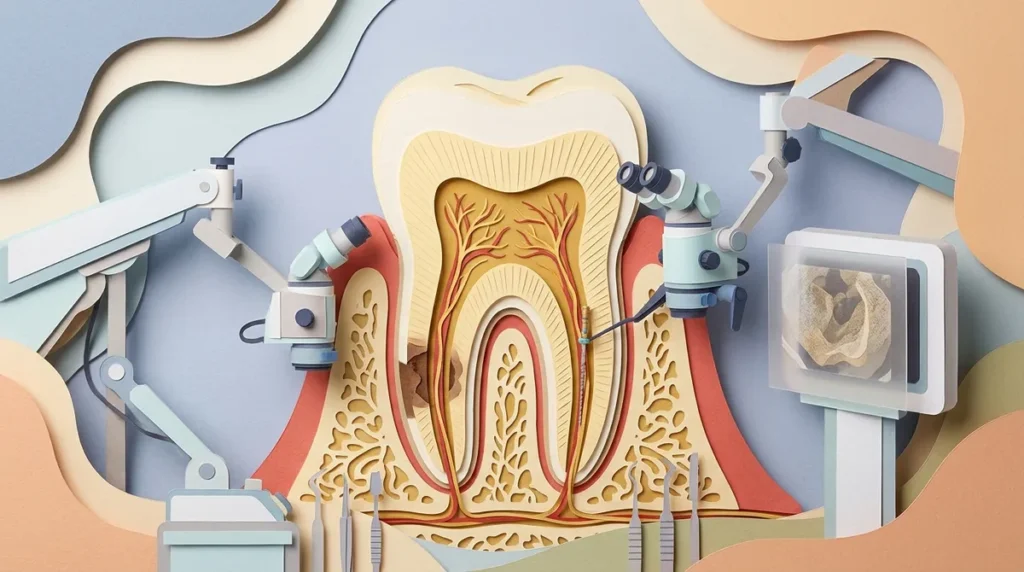
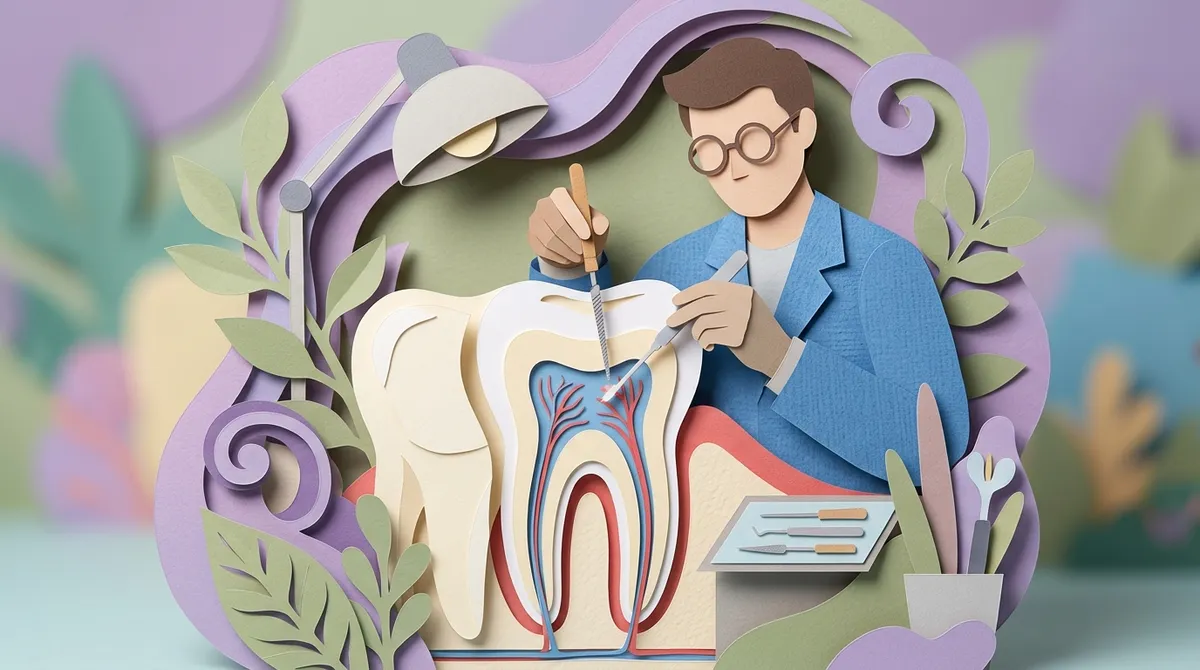
An endodontics specialist is a dental expert who focuses on the inside of your teeth. Specifically, they deal with the pulp — the soft tissue that lives in the center of each tooth. When that tissue gets infected or damaged, an endodontist steps in to fix it. The most common procedure they perform is a root canal. Don’t worry — it’s nowhere near as scary as it sounds!
Endodontists complete two to three additional years of specialized training beyond dental school. This extra education makes them highly skilled at diagnosing tooth pain and treating the inner structures of teeth. They use advanced tools like microscopes and 3D imaging to get a clear picture of what’s happening deep inside your tooth.

How Endodontics and Orthodontics Work Together
Here’s something many people don’t realize: endodontic and orthodontic treatments often go hand in hand. If you have a tooth that’s had a root canal, you can still get braces or clear aligners to straighten your smile. In fact, having a healthy, treated tooth is far better than leaving a problem untreated before starting orthodontic work.
Orthodontists like Dr. Flor Segovia coordinate care with other dental specialists to make sure your teeth are healthy before and during treatment. Think of it like building a house — you need a solid foundation before adding the finishing touches. Healthy teeth are your foundation; orthodontics is the beautiful finish.
Why Tooth Health Matters Before Orthodontic Treatment
Starting orthodontic treatment with an untreated infection or damaged tooth pulp can cause serious problems. Moving an unhealthy tooth puts extra stress on it and can make the underlying issue worse. That’s why a thorough dental health check is always part of any good orthodontic evaluation.
If you’re wondering what to expect at your first consultation, check out this helpful guide on your first orthodontic visit. Getting a full picture of your dental health upfront saves you time, money, and discomfort down the road.
Common Reasons You Might See an Endodontics Specialist
Not everyone needs endodontic care before orthodontic treatment. But it’s good to know the warning signs. Here are the most common reasons someone ends up seeing an endodontics specialist:
- Severe or persistent tooth pain that doesn’t go away
- Sensitivity to hot or cold that lingers after the source is removed
- Darkening or discoloration of a specific tooth
- Swelling or tenderness in the nearby gums
- A small bump or pimple on the gum near a tooth
- Deep decay that has reached the inner tooth pulp
If you’re experiencing any of these symptoms, it’s worth talking to both your dentist and your orthodontist before starting any alignment treatment. Your care team can help you figure out the best order of treatment.
The Typical Treatment Process With an Endodontics Specialist
Wondering what happens when you visit an endodontist? Here’s a step-by-step breakdown of how the process typically works:
- Initial evaluation: The specialist examines your tooth, takes X-rays or 3D scans, and determines if endodontic treatment is needed.
- Diagnosis: They confirm whether the pulp is infected or inflamed and explain your options clearly.
- Root canal procedure: Under local anesthesia, the specialist removes the damaged pulp, cleans the root canals, and seals them.
- Temporary or permanent filling: A filling or crown is placed to protect the tooth after the procedure.
- Follow-up and clearance: Once healed, you can proceed with orthodontic treatment on that tooth safely.
Most people are surprised by how smooth and comfortable the process is. Modern endodontic techniques are incredibly precise and gentle.
Endodontics vs. Orthodontics: Understanding the Difference
People sometimes mix up different dental specialists. It helps to know clearly who does what. Here’s a simple comparison table:
| Specialist | Focus Area | Common Treatments | When You Need Them |
|---|---|---|---|
| Endodontist | Inner tooth (pulp and roots) | Root canals, apicoectomy | Tooth infection, pulp damage, severe pain |
| Orthodontist | Teeth alignment and jaw position | Braces, clear aligners, retainers | Crooked teeth, bite issues, spacing problems |
| General Dentist | Overall oral health | Cleanings, fillings, exams | Routine care and preventive treatment |
As you can see, each specialist plays a unique and important role. For a deeper look at how orthodontists and dentists differ, read this helpful article on General Dentist vs. Orthodontist: Which One Should You Choose?
Can You Get Braces After a Root Canal?
Yes — absolutely! This is one of the most common questions people ask. Having a root canal does not disqualify you from orthodontic treatment. In most cases, a root canal-treated tooth can be moved with braces or aligners just like any other tooth. The key is making sure the tooth has fully healed before beginning movement.
Your orthodontist will coordinate with your endodontist to confirm the tooth is stable. Communication between specialists is essential for safe, effective treatment. At Segovia Orthodontics, Dr. Flor Segovia takes a thorough look at your complete dental history to build a treatment plan that’s just right for you. Learn more about adult orthodontics options that may be available even after previous dental work.
Special Considerations for Root Canal Teeth
There are a few things your orthodontist will monitor when moving a previously treated tooth. Here’s what to keep in mind:
- Root canal-treated teeth can sometimes be more brittle
- Extra X-rays may be taken during treatment to monitor root health
- Some cases require lighter orthodontic forces on that specific tooth
- Regular check-ins ensure the tooth remains stable throughout alignment
These precautions are all completely manageable. Your dental team will keep a close eye on everything throughout the process.
Why Choosing Board-Certified Specialists Matters
When it comes to your smile and health, credentials matter a great deal. A board-certified orthodontist has passed rigorous written and clinical examinations set by the American Board of Orthodontics. This certification is a mark of exceptional knowledge, skill, and commitment to ongoing education.
The same standard applies to endodontics specialists. Choosing board-certified or highly trained specialists ensures you’re getting the best possible care. Don’t be afraid to ask about credentials when meeting any new dental provider — it’s a perfectly reasonable and smart question!
How to Know If You Need an Endodontics Specialist Before Orthodontic Treatment
Here are three simple steps to determine if you should see an endodontist before starting orthodontics:
- Schedule a full dental exam: See your general dentist for a thorough checkup, including X-rays, before meeting with an orthodontist.
- Report any tooth pain or sensitivity: Tell your dentist about any discomfort, even if it seems minor. Undetected infections can delay your orthodontic timeline.
- Get your orthodontic evaluation: Your orthodontist will review your dental history and may request additional records. This helps them spot any teeth that need endodontic attention first.
This three-step approach keeps your treatment smooth and prevents any unwanted surprises. You can also learn what happens during an orthodontic evaluation to feel fully prepared.
Common Orthodontic Issues That May Involve Endodontic History
Some orthodontic problems are more likely to be connected to previous tooth trauma or infections. Here are common situations where endodontic history may come into play:
- Tooth trauma from accidents: Teeth that were hit or knocked can have internal damage that isn’t immediately obvious
- Severe crowding: Overcrowded teeth are harder to clean and more prone to cavities and infections
- Delayed tooth eruption: Sometimes a tooth doesn’t come in properly because of an underlying issue
- Dark or discolored teeth: This can signal pulp death that needs treatment before braces go on
Explore more about common orthodontic problems and how they’re identified and treated at a quality practice.
Coordinated Dental Care Leads to Better Smile Results
The best smile outcomes happen when dental specialists work as a team. Your general dentist, endodontist, and orthodontist each bring something valuable to the table. When they communicate and coordinate well, your experience is smoother, your results are better, and your smile lasts longer.
Good coordination also means fewer surprises during treatment. You’ll know exactly what to expect at every stage. If you want to see what that kind of dedicated, thoughtful care looks like, visit why patients choose Segovia Orthodontics for their smile transformations.
You can also follow along with real smile journeys and updates by checking out our Instagram page — it’s a fun way to see what’s possible when expert care meets a warm, welcoming environment!
Questions to Ask Your Dental Team
Feeling empowered starts with asking the right questions. Here’s a helpful list to bring to your next dental or orthodontic appointment:
- Do any of my teeth have signs of pulp damage or infection?
- Will my root canal history affect my orthodontic treatment?
- How will you coordinate care between my endodontist and orthodontist?
- What monitoring will be done on previously treated teeth during braces?
For more inspiration on how to communicate effectively with your orthodontist, see this article on how to ask the right orthodontic questions at your visit.
Advanced Technology Supports Better Diagnosis Across Specialties
Modern dental offices use incredible technology to catch problems early. Digital X-rays, cone beam CT scans, and intraoral cameras give both endodontists and orthodontists a much clearer picture of your dental health. This means less guessing and more precision. You can learn more about the advanced orthodontic technology used to make treatment more accurate and comfortable.
When you combine cutting-edge technology with experienced, caring specialists, you get results that truly transform smiles. Stay connected with our latest news and patient stories by following our Facebook page — we love sharing the excitement of smile milestones with our community!
Ready to Start Your Smile Journey?
Whether you’re exploring orthodontic options for the first time or coming back after previous dental work, the team at Segovia Orthodontics is here to help you every step of the way. We take the time to understand your full dental history, coordinate with other specialists when needed, and build a personalized treatment plan that truly fits your life and goals.
You can visit us on Google — Segovia Orthodontics to read reviews from real patients who’ve experienced our warm, expert care firsthand. Curious about your options? We’d love to chat! Simply schedule your consultation with our team today and take the first step toward the smile you’ve always wanted. You deserve a smile that’s healthy, beautiful, and built to last — and we’re here to help you get there!
FAQs
Q: Can I get braces if I’ve already had a root canal?
A: Absolutely, yes! A root canal-treated tooth can still be moved with braces or clear aligners. Your orthodontist will simply confirm the tooth has healed fully and may take extra X-rays during treatment to keep a close eye on it.
Q: Do I need to see an endodontics specialist before starting orthodontic treatment?
A: Not everyone does — but it’s important to rule out any infections or pulp damage before moving your teeth. A thorough dental exam and X-rays will help your dental team decide if an endodontist visit is needed first.
Q: What is the difference between an endodontist and an orthodontist?
A: An endodontist focuses on the inside of your teeth, treating infections and performing root canals. An orthodontist focuses on straightening teeth and correcting bite issues using braces, aligners, and retainers — two very different but equally important specialties!
Q: How long should I wait after a root canal before getting braces?
A: It varies depending on the individual case, but most people can begin orthodontic treatment a few months after a root canal once the tooth has fully healed. Your orthodontist and endodontist will coordinate to determine the right timing for you.
Q: Will my endodontics history slow down my orthodontic treatment?
A: In most cases, it won’t slow things down significantly! As long as the treated tooth is stable and healthy, your orthodontic treatment can proceed normally. Open communication between your specialists keeps everything on track and moving smoothly.
Our Service Area