Key Takeaways
-
Orthodontic treatment uses braces, clear aligners, and retainers to gently move teeth into better positions over time, fixing crowding, bite problems, and jaw alignment issues through consistent pressure that causes bone to gradually remodel.
-
The American Association of Orthodontists recommends a first checkup around age 7 when the jaw is still growing, but treatment timelines vary from under one year to two+ years depending on severity, appliance type, age, and consistency with appointments.
-
Clear aligners work best for mild to moderate cases and busy adults with nearly invisible treatment, while traditional braces handle complex cases better; both require excellent oral hygiene to prevent cavities and gum disease during treatment.
-
After treatment ends, wearing a retainer indefinitely (especially at night) is critical because teeth naturally drift back to original positions, a process called relapse that can undo months or years of progress if neglected.
-
Modern orthodontic options like LightForce 3D-printed custom brackets can speed treatment up to 45% faster, and Angel Aligners offer AI-driven planning at more budget-friendly prices, making treatment more accessible and efficient than traditional one-size-fits-all approaches.
-
Soreness after braces tightening or new aligner trays is normal and mild (typically fading within days), but sharp or lasting pain requires immediate orthodontist contact; maintaining rigorous daily brushing, flossing, and regular dental cleanings prevents cavities during treatment.
So you’ve been wondering, what is orthodontic treatment, exactly? Maybe your child’s dentist mentioned crowding at their last checkup. Maybe you’re an adult noticing your teeth have shifted since your teenage braces days. Or maybe you’re simply tired of hiding your smile in photos before a big wedding or job interview. Whatever brought you here, you’re in good company, and you’re about to get some real answers.
Here’s the short version: orthodontic treatment is specialized dental care that straightens teeth, fixes bites, and sometimes even improves jaw alignment. It uses tools like braces, clear aligners, and retainers to gently move teeth into better positions over time. It’s not just about looking good (though that’s a wonderful bonus). It’s about helping your mouth work the way it should.
At Segovia Orthodontics in Lakewood Ranch, we see families and individuals every day who are curious, a little nervous, and ready to learn more. This guide will walk you through everything in plain, friendly language. No confusing dental jargon, just the facts you actually need.
What Is Orthodontic Treatment, Really?
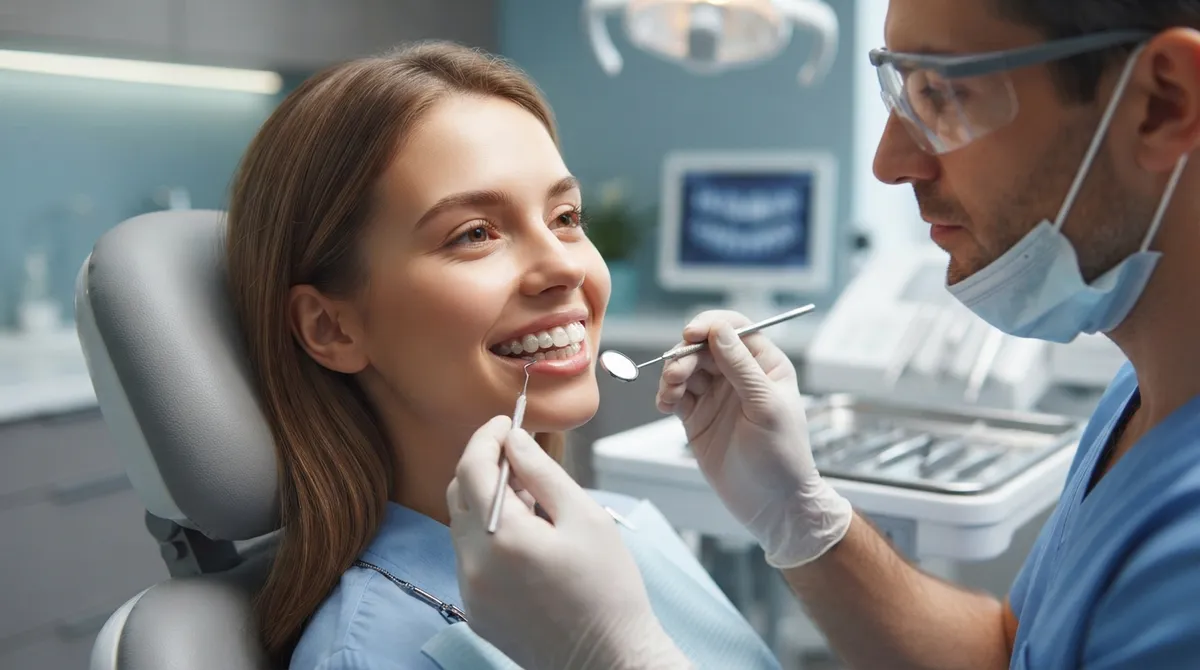
Orthodontic treatment is a branch of dental care that focuses on straightening teeth and correcting bite problems. Dentists call bite and alignment issues “malocclusion,” which is just a fancy word for teeth and jaws that don’t line up quite right.
Orthodontists are dentists who’ve completed extra years of specialized training. They know how to diagnose these issues and create a plan to fix them. Treatment might involve moving teeth, guiding jaw growth in kids, or in rare cases, working alongside a surgeon for serious jaw problems.
Think of it like this: your teeth sit in bone, and bone can actually shift and remodel over time. Orthodontic appliances apply gentle, steady pressure. Slowly, tooth by tooth, everything moves into a healthier position. It’s a gradual process, but the results can truly transform how you eat, speak, and smile.
Common Problems Orthodontic Treatment Can Fix
You might be surprised by how many different issues fall under this umbrella. Here are some of the most common ones we see at our Lakewood Ranch office:
- Crowded or overlapping teeth that are hard to clean properly
- Crooked or rotated teeth
- Gaps or spaces between teeth
- Overbite, where upper teeth stick out too far over the lower ones
- Underbite, where the lower jaw juts out past the upper teeth
- Crossbite, where upper and lower teeth don’t align side to side
- Open bite, where front teeth don’t touch when the mouth is closed
- Teeth that are impacted or stuck below the gum line
If any of these sound familiar, you’re definitely not alone. Our common orthodontic problems page dives even deeper into each condition.
How Does Orthodontic Treatment Actually Work?
This is the part that amazes most patients. Teeth aren’t fused to your jawbone like a nail in wood. They’re held in place by a flexible ligament, which means they can move.
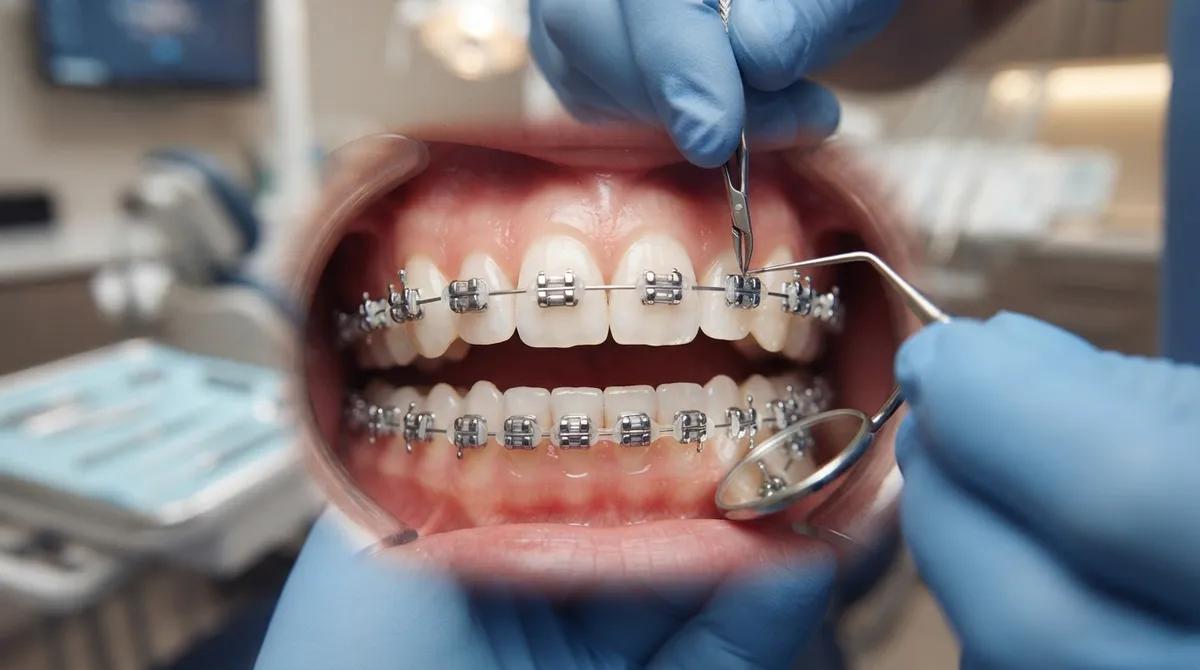
Orthodontic appliances, like braces or aligners, apply light, consistent pressure. Over weeks and months, the bone around your teeth actually reshapes itself to let them shift into a new spot. It’s a slow, biological process, which is why treatment takes time rather than happening overnight.
In cases involving jaw growth, especially in kids, orthodontists may use appliances that guide how the jaw develops. For adults with severe skeletal issues, jaw surgery combined with orthodontics might be recommended, though this is far less common than standard treatment.
The Main Types of Orthodontic Appliances
Not every patient needs the same tool. Your orthodontist chooses based on your specific diagnosis, age, and lifestyle. Here’s a quick rundown of what’s typically available:
| Appliance Type | Best For | Visibility |
|---|---|---|
| Traditional Metal Braces | Complex cases, kids, teens | Visible |
| Ceramic or Clear Braces | Teens and adults wanting subtlety | Low visibility |
| Clear Aligners | Mild to moderate cases, busy adults | Nearly invisible |
| Palatal Expanders | Growing children with narrow jaws | Not visible (worn inside mouth) |
| Retainers | Maintaining results after treatment | Varies by type |
At our practice, we’re proud to offer some especially exciting options. Our WildSmiles Braces let kids (and fun-loving adults) choose bracket shapes like stars, hearts, footballs, or even Mickey Mouse. It sounds like a small thing, but when patients enjoy their braces, they’re much more likely to keep up with brushing and flossing.
We also offer LightForce Orthodontics, the first fully digital, 3D-printed bracket system. Each bracket is custom-designed for your exact tooth shape, which can speed up treatment by up to 45% compared to traditional one-size-fits-all braces. For patients who want clear aligners instead, Angel Aligners use a smart 7+3 wear schedule and AI-driven planning to move teeth efficiently, often at a more budget-friendly price point.
Who Actually Needs Orthodontic Treatment?
Here’s some good news: orthodontic care isn’t just for kids with metal-mouth smiles anymore. People of all ages can benefit, and each stage of life comes with its own considerations.
1. Children Ages 7 and Up
The American Association of Orthodontists recommends a first orthodontic checkup around age 7. At this point, your child’s jaw is still growing, so certain issues are easier to guide early. This doesn’t always mean treatment starts immediately. Often, it’s simply monitoring. Learn more on our early orthodontic treatment page.
2. Teenagers
The teen years are prime time for braces or aligners, since most permanent teeth have come in. We know teens are busy with school, sports, and social lives, so we offer teen orthodontic treatment designed to fit their schedules, including discreet options like clear aligners.
3. Adults
More adults than ever are choosing to straighten their smiles. Maybe you skipped braces as a kid, or maybe your teeth shifted back after treatment years ago (a common issue we call relapse). Either way, adult orthodontics offers discreet, efficient solutions that fit into a professional lifestyle.
What Happens During Your First Orthodontic Visit?
Feeling nervous about that first appointment? Don’t worry, it’s simpler than you think. Here’s what typically happens, step by step:
- You’ll check in and share your dental and medical history.
- Your orthodontist will do a visual exam of your teeth, gums, and jaw.
- Digital X-rays or 3D scans may be taken to see beneath the surface.
- Your orthodontist reviews findings and discusses possible treatment options.
- You’ll get a personalized treatment plan, including estimated timeline and cost.
- You can ask questions and decide on next steps together.
This visit is really about building a relationship and gathering information. Nothing gets rushed. For a deeper look, check out our first orthodontic visit guide before you come in.
How Long Does Orthodontic Treatment Take?
This is one of the most common questions we hear, and the honest answer is: it depends. According to the Cleveland Clinic, some patients finish in less than a year, while others need around two years or more. Your timeline depends on things like:
- How severe your misalignment or bite issue is
- The type of appliance you choose
- Your age and how your bone responds to treatment
- How consistently you wear aligners or keep appointments
- Your oral hygiene habits during treatment
There’s no single number that applies to everyone, and that’s actually a good thing. Your treatment plan is built around your unique smile, not a generic formula.
Braces vs. Clear Aligners: Which Is Right for You?
This is another question we get constantly, and it’s worth breaking down clearly. Both options move teeth effectively, but they work differently and suit different lifestyles.
| Feature | Traditional Braces | Clear Aligners |
|---|---|---|
| Visibility | Visible (unless ceramic) | Nearly invisible |
| Removable? | No | Yes |
| Best for complex cases? | Yes | Mild to moderate cases |
| Diet restrictions? | Yes, some foods to avoid | None, just remove before eating |
| Maintenance | Brushing around brackets | Cleaning trays daily |
Curious which fits your life better? Our clear aligners page and types of braces guide can help you compare in more detail.
Is Orthodontic Treatment Painful?
Let’s be honest, most patients feel some soreness after getting braces tightened or switching to a new aligner tray. But “sore” is very different from “painful.” Most people describe it as mild pressure or achiness that fades within a few days.
Over-the-counter pain relievers, soft foods, and orthodontic wax (for braces) usually handle any discomfort just fine. If you ever feel sharp or lasting pain, that’s worth a call to your orthodontist right away. Speaking of which, if you ever experience a broken wire or lost bracket, our orthodontic emergency page has quick guidance on what to do.
Why Good Oral Hygiene Matters So Much During Treatment
Here’s something we can’t stress enough: braces and aligners can trap food and plaque more easily than bare teeth. That means cavities and gum irritation become bigger risks if hygiene slips during treatment.
Before starting orthodontic care, it’s important to address any existing tooth decay or gum disease first. Once treatment begins, here’s what helps keep your mouth healthy:
- Brushing after every meal, especially with braces
- Flossing daily, using floss threaders or water flossers if needed
- Keeping up with regular dental cleanings and checkups
- Avoiding sugary snacks and drinks that fuel plaque buildup
- Wearing aligners as instructed, since removing them too often slows progress
Fun fact about our WildSmiles brackets: their unique shapes actually help you see if you’re brushing thoroughly. If the shape looks clean and visible, you’re doing a great job!
What Happens After Treatment Ends?
Congratulations, your braces are off or your aligner series is complete! But here’s the part people sometimes forget: retention is just as important as the active treatment phase.
Teeth naturally want to drift back toward their original position, a process called relapse. That’s why nearly every orthodontist recommends wearing a retainer, at least at night, for the long haul. Some patients wear removable retainers, while others get a thin fixed wire behind their teeth. Explore our orthodontic retainers page to learn which option might suit you best.
Quick Tips for Retainer Success
- Wear your retainer exactly as your orthodontist instructs, especially early on.
- Clean it daily to prevent bacteria buildup.
- Store it in its case when not in use, never in a napkin.
- Bring it to checkups so your orthodontist can verify the fit.
- Replace it promptly if it’s lost, cracked, or no longer fits well.
What Does Orthodontic Treatment Cost?
Cost varies quite a bit based on your treatment type, complexity, and how long you’ll need care. Many dental insurance plans offer partial orthodontic coverage, especially for children. It’s worth checking your specific plan details before you begin.
The good news is that flexible financing has made treatment more accessible than ever. Our orthodontic financing options are designed to fit real family budgets, with payment plans that spread costs out over your treatment timeline. We believe a healthier, more confident smile shouldn’t feel out of reach.
Why Choose Segovia Orthodontics in Lakewood Ranch?
We know there are a lot of choices out there, and picking the right orthodontist is a big decision. Dr. Flor Segovia is a board-certified orthodontist who provides bilingual care in both English and Spanish, so language is never a barrier to great treatment.
Our Lakewood Ranch practice uses advanced orthodontic technology, including digital scanning and custom 3D-printed brackets, to make treatment faster and more comfortable. We also keep things fun with options like WildSmiles for kids and discreet aligners for busy professionals and adults returning for a tune-up.
Don’t just take our word for it, check out our Facebook page and follow us on Instagram to see real smile transformations from patients just like you. You can also visit us on Google — Segovia Orthodontics to read what our neighbors in Lakewood Ranch have to say. To learn more about our approach, visit our why choose us page or meet Dr. Flor Segovia directly.
Ready to Get Started?
Now that you know what orthodontic treatment really involves, the next step is simple: come talk with us. Whether you’re bringing in a 7-year-old for their first checkup, exploring aligners for yourself, or dealing with teeth that shifted after past treatment, we’re here to help every step of the way.
Ready to see what’s possible for your smile? Request an appointment with our friendly Lakewood Ranch team today, or feel free to contact us with any questions. You can also simply call us at 941-557-1333 to speak with our team directly. We can’t wait to help you or your family feel confident about your smile, one gentle step at a time.
FAQs
Q: What does orthodontic treatment actually do?
A: Orthodontic treatment gently moves your teeth into better positions using appliances like braces or aligners. It can fix crowding, gaps, and bite problems while also making your teeth easier to clean and healthier long-term. Plus, you get a smile you’ll want to show off!
Q: At what age should my child first see an orthodontist?
A: The American Association of Orthodontists suggests age 7 for a first checkup, even if treatment isn’t needed yet. This early visit lets us catch potential issues while your child’s jaw is still growing. Think of it as an early heads-up, not necessarily an immediate call to action.
Q: How long does orthodontic treatment usually take?
A: It really depends on your specific case, but many patients finish somewhere between one and two years. Simpler cases with clear aligners can sometimes wrap up faster, while complex bite corrections may take longer. We’ll give you a personalized estimate at your first visit.
Q: Do adults really benefit from orthodontic treatment too?
A: Absolutely, and we see adult patients every single week! Whether you never had braces as a kid or your smile shifted back over the years, adult orthodontics can straighten things out discreetly and efficiently. It’s honestly never too late to invest in your smile.
Q: How long will I need to wear a retainer after treatment?
A: Most orthodontists recommend wearing a retainer indefinitely, though usually just at night after the first year or so. Teeth naturally want to drift back over time, so consistent retainer wear is what protects your beautiful new smile. Think of it as the easy maintenance step after all your hard work!
Our Service Area