Key Takeaways
-
Middle school is a common time for braces, but age alone doesn't decide it; an orthodontist must evaluate tooth development, bite, and jaw growth to determine the right timing.
-
The American Association of Orthodontists recommends a first orthodontic checkup by age 7, so specialists can spot problems early and monitor growth even if braces aren't needed yet.
-
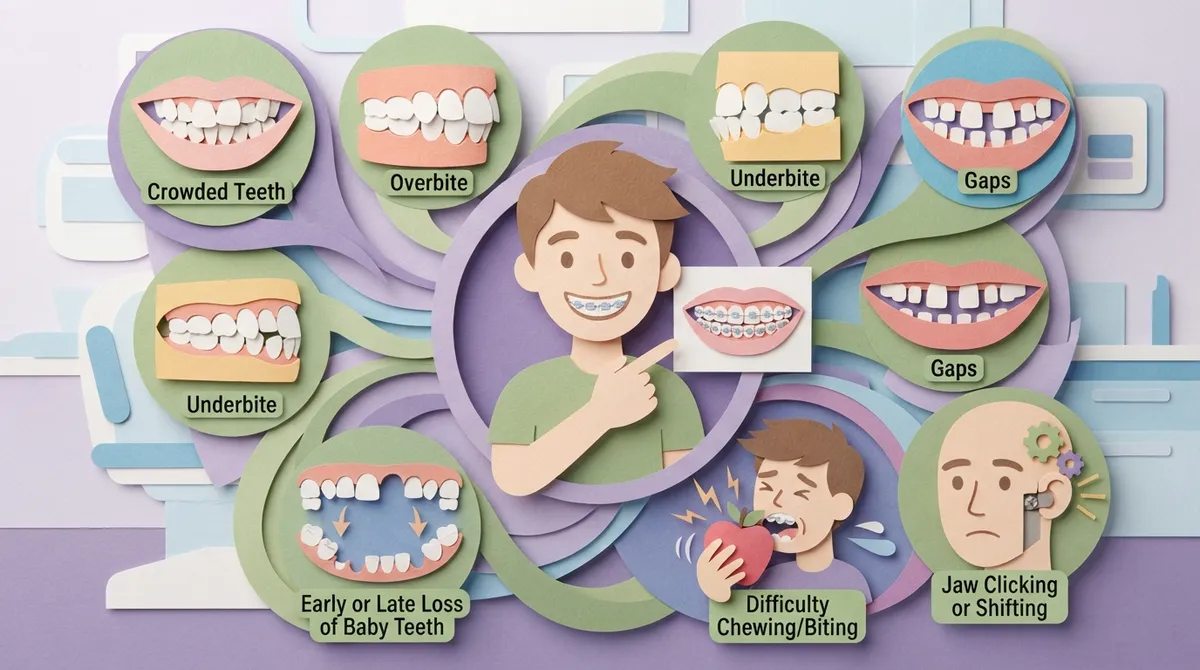
Watch for crowded or overlapping teeth, large gaps, overbite, underbite, crossbite, open bite, lingering thumb sucking or mouth breathing, jaw clicking, or difficulty chewing as signs to book an exam.
-
Options for middle schoolers include traditional metal, ceramic, WildSmiles, LightForce, and clear aligners, though aligners only suit responsible kids who wear them consistently.
-
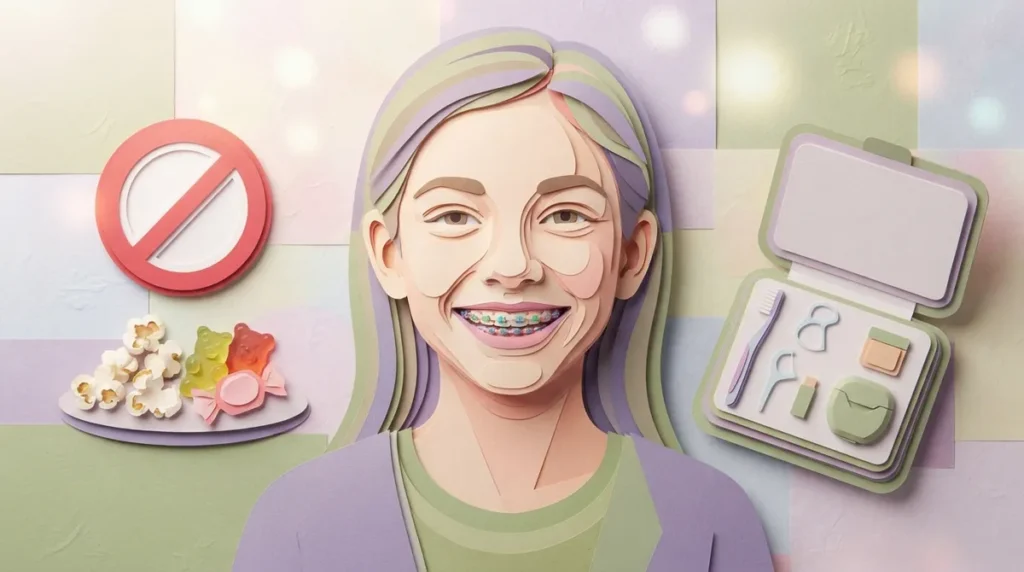
Pack a braces kit with a travel toothbrush, floss picks, orthodontic wax, and a retainer case, and avoid sticky candy, hard nuts, and popcorn that can break brackets or bend wires.
-
Request a written, case-specific cost quote and ask about payment plans and whether your dental plan includes orthodontic benefits, since costs vary widely by provider.
If your child is in middle school, you may have noticed a few things. Teeth are crowding. A smile looks a little uneven in school photos. Maybe a friend just got braces and your kid is asking, “Am I next?” You are not alone, and there is no need to panic. Middle school is one of the most common times for families to start thinking about middle school braces in Lakewood Ranch.
The truth is simple: age alone does not decide whether a child needs braces. What matters is how the teeth, bite, and jaws are developing. An orthodontist can look at all of that and tell you if now is the right time, or if waiting a bit longer makes more sense.
In this friendly guide, we will walk through the ideal timing, the signs to watch for, the types of braces available, how to care for them at school, and what questions to ask about cost and insurance. Think of it as a chat with a friend who has done the research for you.
Is Middle School the Right Time for Braces?
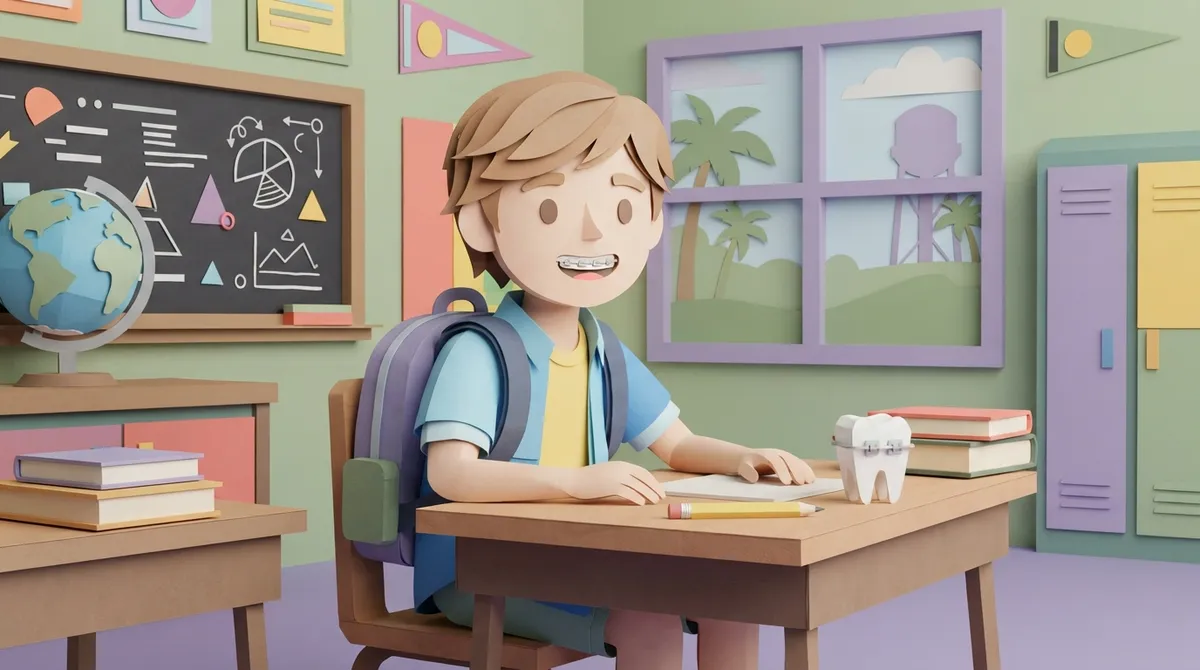
For many kids, yes. Middle school often lines up well with orthodontic treatment. By ages 11 to 14, most children have lost their baby teeth and gained most of their permanent teeth. That gives an orthodontist a clear picture of how everything fits together.
The American Association of Orthodontists (AAO) recommends a first orthodontic checkup by age 7. That does not mean every seven-year-old gets braces. It simply means a specialist can spot problems early and watch your child’s growth over time. Some kids are monitored for years before treatment begins.
Here is the key idea: the best time for braces is different for every child. One student may be ready at 11. Another may need to wait until 13. A third may have started early with a short first phase of care. An exam is the only way to know.
Why Many Families Start in the Preteen Years
There are a few good reasons treatment often begins around this age:
- Most permanent teeth are in. The orthodontist can plan the full treatment with confidence.
- Jaws are still growing. Growth can help guide teeth and the bite into better positions.
- Kids adapt quickly. Many middle schoolers get used to braces faster than adults expect.
- Schedules are manageable. Visits are easier to plan before high school sports, jobs, and driving take over.
One local practice describes many children starting full braces around ages 10 to 14. That is a general range, not a rule. Your child’s own development always comes first.
Signs Your Middle Schooler May Need an Orthodontic Evaluation
You do not need to be an expert to spot early clues. If you notice any of the following, it may be time to book a visit. If you are not sure, our guide on the signs you need braces is a helpful place to start.
- Crowded or overlapping teeth. Teeth that twist or stack can be harder to clean.
- Gaps or spacing. Large spaces may point to a bite or jaw concern.
- An overbite or underbite. The top teeth stick out too far, or the bottom teeth sit in front.
- A crossbite. Some upper teeth bite inside the lower teeth.
- An open bite. The front teeth do not touch when the mouth is closed.
- Mouth breathing or thumb sucking that lingers. These habits can affect bite and jaw growth.
- Jaw clicking, shifting, or discomfort. Chewing or biting may feel awkward.
- Difficulty biting or chewing. Food may be hard to bite into.
You can read more about these concerns on our page about common orthodontic problems. Seeing one of these signs does not mean braces are certain. It just means an expert look is worth your time.
What Happens at the First Orthodontic Visit?
Many parents feel nervous before the first appointment. Good news: it is usually calm, quick, and friendly. The orthodontist will look at your child’s teeth, bite, and jaw growth. X-rays or digital scans may be used to see what is going on below the gums.
You will also get honest answers. You may hear that braces are needed now, that your child should come back in six months, or that no treatment is needed at all. All three are normal results.
To get ready, check out our tips on what to expect at your first orthodontist visit and the first orthodontic visit page. At Segovia Orthodontics, Dr. Flor Segovia and the team focus on a comfortable, supportive experience so kids feel at ease from day one.
Do Some Kids Need Early Treatment First?
Sometimes, yes. A short, early phase of care (often called Phase One) may help with specific issues like a narrow upper jaw, a crossbite, or serious crowding. It is not for everyone. It is used when waiting could make the problem harder to fix later.
If your child had early treatment, middle school may bring a second phase. Learn more about this in our guide to early orthodontic treatment and two-phase treatment. Your orthodontist will tell you if it applies to your child.
Braces Options for Middle Schoolers
The good news is that today’s kids have more choices than ever. The right option depends on your child’s needs, habits, and the orthodontist’s advice. You can explore the full list on our types of braces page.
| Option | What It Is | Good For |
|---|---|---|
| Traditional metal braces | Metal brackets and wires, often with colorful bands | A wide range of bite and alignment needs |
| WildSmiles braces | Fun bracket shapes like stars, hearts, and footballs | Kids who want to enjoy the process and brush better |
| LightForce braces | Custom 3D-printed brackets in clear or white options | Families who want precise, efficient care |
| Ceramic braces | Tooth-colored brackets that blend in | Students who want a subtler look |
| Clear aligners | Removable clear trays worn in a series | Select cases with responsible, consistent wearers |
Making Braces Fun With WildSmiles
Let us be honest: most middle schoolers care about how braces look. That is where WildSmiles braces shine. Kids can choose bracket shapes like Super-Star, Flower-Power, Baller, Wild-Hearts, Footballer, and Super-Diamond. There are even Mickey Mouse brackets for Disney fans.
When kids enjoy their braces, they tend to care for them better. The shapes can also help kids see whether they are brushing well, which turns daily care into a small game.
Precision With LightForce
For families who like technology, LightForce orthodontics uses 3D printing to make brackets custom-fit to each tooth. The system is designed to make planning more precise and may reduce treatment time in suitable cases. Brackets come in clear or white options, which many teens like.
Are Clear Aligners Right for a Middle Schooler?
Sometimes. Aligners work best when a child can follow instructions without reminders. They need to be worn most of the day, taken out for meals, and kept safe (not wrapped in a napkin on the lunch tray!). If your child is responsible and the case is a good fit, clear aligners may be an option.
Our office also offers Angel Aligners, which use a frosted, low-shine finish and a “7+3” wear schedule. Whether aligners are right depends on your child’s exam. For a deeper comparison, read braces vs. clear aligners, or our guide on how to choose the right braces for teens.
How Long Does Treatment Usually Take?
Treatment time depends on the case. Simple alignment may move faster. Bite correction or major crowding may take longer. Your orthodontist will give an estimate after your child’s exam.
What helps the most? Showing up for visits, following the care rules, and not skipping steps. Kids who stay on track often finish closer to the original timeline. For more on this, see our overview of teen orthodontic treatment.
Braces at School: A Simple Care Guide
Braces do not need to slow your child down. A few easy habits go a long way. Good brushing and flossing lower the risk of cavities and white-spot marks on the teeth during treatment.
Pack a Braces Kit for the Backpack
- A travel toothbrush and small toothpaste
- Floss picks or a floss threader
- Orthodontic wax for sore spots
- A small mirror
- A hard case for retainers or aligners
Smart Lunch Choices
Some foods can bend wires or pop off brackets. Sticky candy, hard nuts, popcorn kernels, and chewy snacks top the list. Our page on foods to avoid with braces gives a full list. Soft sandwiches, pasta, yogurt, bananas, and cooked veggies are all safe picks.
Daily Cleaning Routine
- Brush after meals when possible, or rinse with water at school.
- Brush well for two minutes in the morning and at night.
- Floss daily, using a threader if needed.
- Wear a mouthguard during sports.
- Keep up with regular dental cleanings.
Want more detail? Read our tips on how to care for braces. Parents of athletes may also like our note on how mouthguards protect braces during sports.
What About Orthodontic Emergencies?
Most braces problems are small. A poking wire or loose bracket is annoying, but rarely dangerous. Use wax, call the office, and follow the team’s advice. For real emergencies, such as injury to the mouth or face, get care right away. Our page on orthodontic emergencies explains what to do and when to call.
How Much Do Braces Cost in Lakewood Ranch?
This is one of the top questions parents ask. The honest answer is that cost varies by case and by provider. One local practice page lists a broad range of about $3,000 to $8,000 for braces, but that is a provider estimate, not a verified local average. Always ask for a written, case-specific quote.
When you meet with an orthodontic office, consider asking:
- What is the total fee for my child’s treatment?
- What is included, such as visits, retainers, and emergency care?
- Is there a down payment, and what are the monthly payment options?
- Does my dental plan include orthodontic benefits?
- How long should treatment take?
Many families use flexible plans to make care fit the budget. Learn more about orthodontic financing and how to use orthodontic insurance. Please confirm current fees, insurance details, and availability directly with the office.
How to Choose an Orthodontist for Your Child
Look for someone your child feels comfortable with. Ask about training, technology, and communication style. A board-certified specialist has completed extra steps to show a high level of skill. You can verify credentials through the American Board of Orthodontics.
Dr. Flor Segovia is a board-certified orthodontist who offers bilingual care in English and Spanish. The practice serves kids, teens, and adults, so the whole family can be seen in one friendly place. You can learn more about her on the Dr. Flor Segovia page, or see what neighbors say about us on Google for Segovia Orthodontics.
Want to see the fun side of our office? Follow our Instagram page and say hi on our Facebook page. If you want a broader look at local options, read how to find the right orthodontist in Lakewood Ranch.
Helping Your Child Feel Confident About Braces
Middle school can be a tricky time. Kids care a lot about how they look and fit in. Braces can feel like a big deal. The good news is that braces are so common now that most students see them as a normal part of growing up.
Here are a few ways to help your child feel good about the journey:
- Let them pick colors, shapes, or options when possible.
- Talk about the end goal: a healthy, confident smile.
- Celebrate small wins, like perfect brushing weeks.
- Answer worries with honesty and a little humor.
Remember, you are a team. A calm, positive parent makes a big difference.
Ready to Take the Next Step?
Middle school braces do not have to feel overwhelming. Start with an exam, ask your questions, and let an expert guide the timing. Whether your child needs braces now, later, or not at all, you will walk away with a clear plan.
If you are curious about how treatment would work for your child, request an appointment with our team at Segovia Orthodontics. You can also call us at 941-557-1333 or contact us online. We would love to help your middle schooler smile with confidence.
FAQs
Q: When should a middle-schooler in Lakewood Ranch get braces?
A: Many kids start comprehensive braces between ages 10 and 14, once most permanent teeth are in. But every child is different, so an orthodontic exam is the best way to find the right timing. Some kids start earlier, and some wait a little longer.
Q: Does my child need braces now, or should we wait?
A: It depends on the teeth, bite, and jaw growth. An orthodontist may recommend treatment now, regular checkups while teeth come in, or no braces at all. The AAO suggests a first visit by age 7 so problems can be spotted early.
Q: Are clear aligners a good fit for a middle schooler?
A: They can be, in the right case. Aligners work best for kids who can follow instructions and wear the trays as directed. Your orthodontist will tell you if aligners or braces are the better choice.
Q: How much do braces cost in Lakewood Ranch, and does insurance help?
A: Costs vary by case and provider, so ask for a written quote. One local practice lists a broad range of $3,000 to $8,000, but that is only an estimate. Many families use payment plans, and some dental plans include orthodontic benefits, so check with your insurer and the office.
Q: How should my child care for braces during the school day?
A: Pack a small kit with a travel toothbrush, floss picks, and orthodontic wax. Choose braces-friendly lunches, brush after meals when you can, and wear a mouthguard for sports. Good habits help protect teeth from cavities and white-spot marks.
Our Service Area