Key Takeaways
-
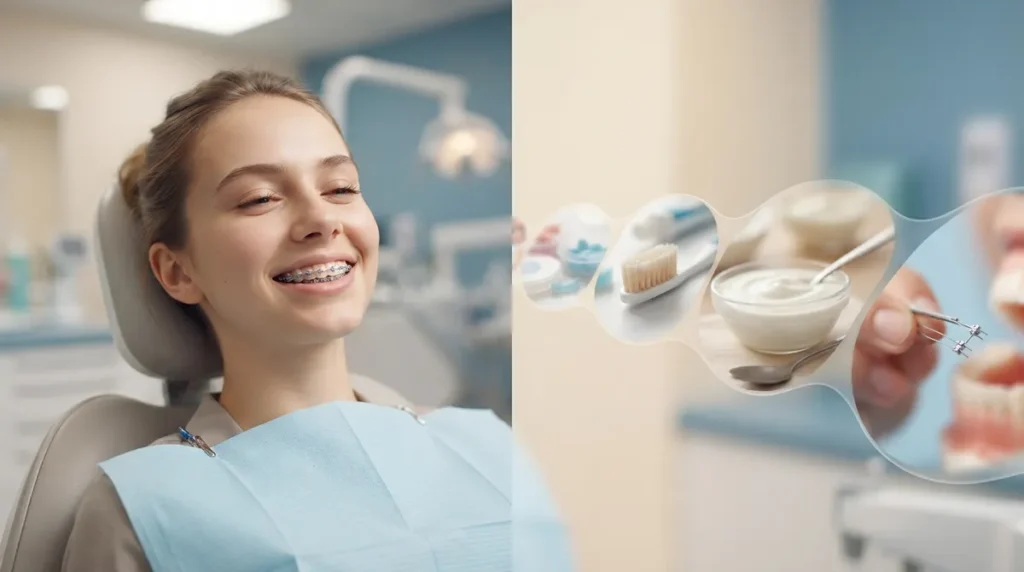
Braces placement is painless and takes 1-2 hours, but soreness begins 1-2 hours after as teeth respond to pressure, peaking on day two and fading within 36-48 hours.
-
Stick to soft foods like yogurt, mashed potatoes, and smoothies for the first few days, then gradually return to normal diet while avoiding hard, sticky, or crunchy items throughout treatment.
-
Most braces treatment takes 12-24 months for standard cases, with mild cases resolving in 6-12 months and complex cases taking up to 30 months depending on your specific needs and care compliance.
-
Schedule adjustment visits every 4-12 weeks (typically 6-10 weeks) for quick 15-30 minute appointments where your orthodontist tightens wires and monitors progress.
-
Maintain daily oral hygiene by brushing after meals, flossing once daily, and using orthodontic wax for irritation to prevent cavities and gum issues during treatment.
-
Wear a retainer as prescribed after braces removal to prevent teeth from shifting back, as skipping this step is one of the most common mistakes patients make.
So you (or your child) are getting braces soon, and your mind is buzzing with questions. Will it hurt? What can you eat? How long will this take? Take a deep breath. You are about to join millions of people who have walked this same path toward a healthier, more confident smile. This guide walks you through exactly what to expect with braces, from the moment they go on to the day they come off.
At Segovia Orthodontics in Lakewood Ranch, Dr. Flor Segovia and her team help patients of every age feel comfortable and informed before, during, and after treatment. Whether you’re a busy mom scheduling appointments around soccer practice, a professional preparing for a big promotion, or an adult ready to fix a smile that shifted over the years, this article covers everything you need to know.
What Happens the Day You Get Braces Put On
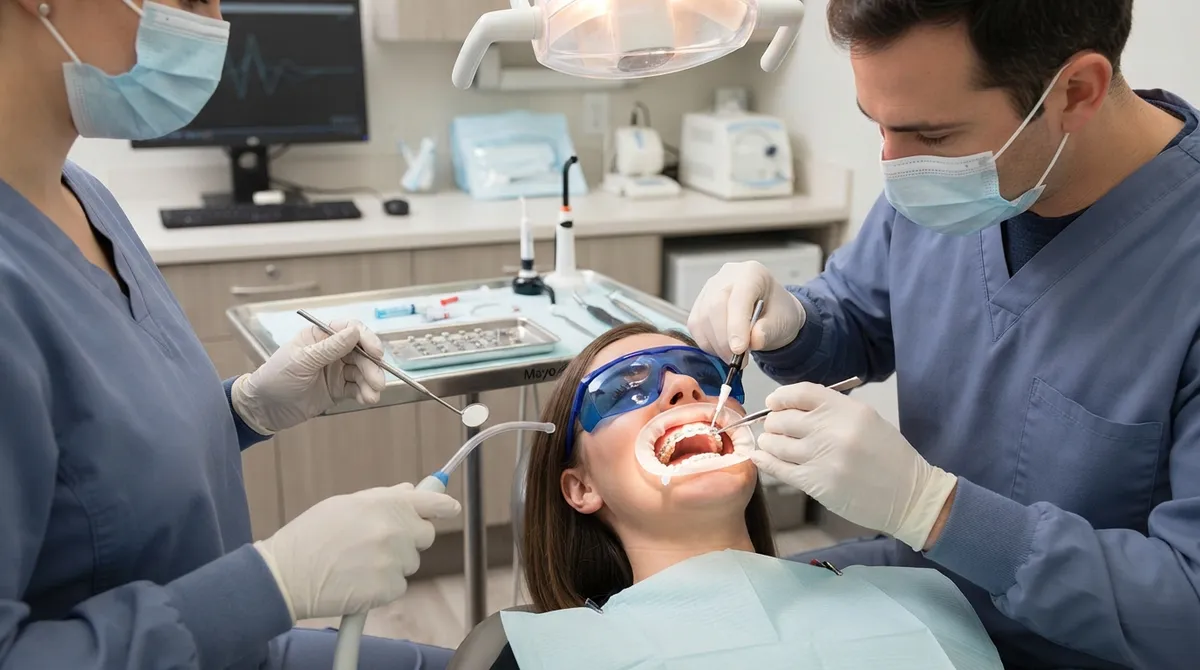
Good news first: getting braces placed does not hurt. The process is completely painless and typically takes between 1 to 2 hours, depending on how many teeth need brackets and whether you’re getting upper and lower braces at the same time.
Here is a simple breakdown of what happens during your appointment:
- Your teeth are cleaned and dried to prepare the surface for bonding.
- A special adhesive is applied to each tooth.
- Brackets are carefully placed and cured with a special light.
- An archwire is threaded through the brackets and secured.
- Small elastic bands (or ligatures) hold the wire in place.
You will not feel pain during this process. However, discomfort usually starts about 1 to 2 hours after you leave the office, once your teeth begin responding to the new pressure. This is completely normal and a sign that your treatment is already working.

The First Few Days: Soreness and Adjustment
Let’s talk about the part everyone wants to know: does it hurt? The honest answer is that you will feel some soreness, but it is manageable and temporary.
What the Discomfort Actually Feels Like
Most patients describe the feeling as a dull ache or deep pressure rather than sharp pain. Think of it like the feeling after a good workout, but in your mouth. This soreness typically peaks around day two and fades significantly within 36 to 48 hours.
- Mild aching in the teeth and jaw
- Sensitivity when biting down on firmer foods
- Tenderness in the gums for the first few days
- A general feeling of tightness across your teeth
Over-the-counter pain relievers, warm salt water rinses, and orthodontic wax can all help ease this initial discomfort. Most families find that by day four or five, the soreness has faded almost completely.
Other Temporary Side Effects to Expect
Your mouth needs a little time to adjust to having new hardware inside it. Here are a few other common experiences during the first week:
- Irritation where brackets rub against your lips or cheeks
- A slight lisp or minor speech changes for a few days
- Increased saliva production as your mouth adjusts
- Occasional jaw soreness from new bite pressure
The good news? Your mouth typically adjusts to the feeling of a foreign object within about 20 minutes, and any lisp usually disappears within a week as your tongue learns new positioning. If irritation becomes bothersome, orthodontic wax placed over the bracket can provide instant relief.
Eating With Braces: What You Can and Cannot Enjoy
Diet is one of the biggest adjustments patients face, especially in the first few days. Sticking to soft foods early on prevents unnecessary pain and protects your new brackets from damage.
| Foods to Enjoy Early On | Foods to Avoid Throughout Treatment |
|---|---|
| Yogurt and smoothies | Popcorn and chips |
| Mashed potatoes | Ice cubes |
| Soft pasta dishes | Hard candy and caramel |
| Scrambled eggs | Sticky gum |
| Soup and broths | Whole apples or hard raw vegetables |
| Oatmeal | Nuts and hard pretzels |
As soreness fades, most patients return to a fairly normal diet, just being extra careful with hard or sticky foods for the entire treatment. For more detail on this topic, our guide on foods to avoid with braces breaks down exactly what to skip and why it matters.
How Long Does Braces Treatment Actually Take?
This is one of the most common questions patients ask, and the honest answer is: it depends on your unique smile. That said, here are general timelines based on complexity:
- Mild crowding or spacing: 6 to 12 months
- Standard orthodontic cases: 12 to 24 months
- Complex bite or alignment issues: up to 30 months
Several factors affect your specific timeline, including how consistently you wear any prescribed elastics, how well you care for your braces, and how your teeth respond to treatment. Dr. Segovia and her team use advanced orthodontic technology to track your progress and keep treatment as efficient as possible.
What Happens During Adjustment Visits
Once your braces are on, you will return to the office regularly so Dr. Segovia can check your progress and make small changes to keep your teeth moving in the right direction.
How Often You’ll Need to Come In
Most patients visit every 4 to 12 weeks, though 6 to 10 weeks is the most common range. During these visits, your orthodontist may:
- Replace or tighten your archwire
- Adjust elastic bands or springs
- Check for any loose brackets
- Monitor how your bite is aligning
- Answer any questions about your progress
These appointments are quick, usually 15 to 30 minutes, and while you may feel mild soreness again for a day or two afterward, it is typically much milder than the initial adjustment period. This is one reason many career-focused patients appreciate flexible scheduling options, since these appointments can often be worked around a busy calendar.
Braces Options at Segovia Orthodontics
Not everyone wants the same look or experience with braces. That’s why Segovia Orthodontics offers a few unique choices depending on your lifestyle, age, and personal style preferences.
WildSmiles Braces for Kids and Teens
WildSmiles Braces turn treatment into something kids actually look forward to. Instead of standard round brackets, patients can choose fun shapes like stars, hearts, footballs, or even Mickey Mouse. When kids are excited about their braces, they’re more motivated to brush well and follow care instructions, which leads to better results overall.
LightForce Braces for Precision and Comfort
For patients who want a faster, more customized experience, LightForce Orthodontics uses 3D printed, fully digital brackets designed specifically for your teeth. This can reduce treatment time by up to 45% compared to traditional one-size-fits-all brackets, while also improving comfort and reducing irritation to your gums.
Clear Aligners for a Discreet Option
If visible metal isn’t your style, clear aligners like Angel Aligners offer a nearly invisible way to straighten your smile. These are especially popular among young professionals and adults returning for a second round of treatment after previous relapse.
Caring for Your Braces Day to Day
Good habits during treatment protect your smile and help you avoid unnecessary emergency visits. Here’s a simple daily routine to follow:
- Brush after every meal, or at least twice daily with a soft-bristled brush.
- Floss once a day using floss threaders or an orthodontic flosser.
- Rinse with an antimicrobial or fluoride mouthwash as recommended.
- Avoid chewing on pens, ice, or fingernails.
- Wear a mouthguard if you play sports.
- Keep orthodontic wax handy for irritation.
Consistency here really pays off. Patients who stick to a solid hygiene routine typically finish treatment with healthier gums and fewer cavities once braces come off.
What to Do If Something Feels Off
Occasionally, a wire may poke, a bracket may loosen, or you may experience unexpected discomfort. Most of these situations are minor and can be managed at home temporarily, but it’s always smart to reach out to your orthodontic team if something doesn’t feel right. Our orthodontic emergency page walks through common issues and how to handle them until your next visit.
If you ever experience significant pain, swelling, or a wire that’s causing real irritation, don’t hesitate to contact us or call us at 941-557-1333 so we can get you in quickly.
Life After Braces: The Retainer Phase
Once your braces come off, your journey isn’t quite finished. Your teeth still want to shift back toward their original positions, which is why wearing a retainer is essential to protect your results.
Dr. Segovia will recommend a wear schedule based on your specific case, but many patients wear retainers full-time at first, then transition to nighttime wear only. Skipping this step is one of the most common mistakes patients make, so treat your retainer as seriously as you treated your braces.
Why Families Trust Segovia Orthodontics
Dr. Flor Segovia is a board-certified orthodontist, meaning she has met the rigorous standards set by the American Board of Orthodontics. She provides bilingual care in English and Spanish, creating a welcoming space for the whole Lakewood Ranch community.
Whether you’re bringing in a child for their first orthodontic visit, exploring options for a teen, or considering adult treatment for the first time, our team walks you through every step with patience and care. Curious what other patients say about their experience? Check out our Facebook page or follow along on our Instagram page for real patient stories and smile transformations. You can also visit us on Google — Segovia Orthodontics to see what our neighbors in Lakewood Ranch have to say.
Quick Recap: Your Braces Timeline at a Glance
| Stage | What to Expect |
|---|---|
| Day of placement | Painless, 1-2 hour procedure |
| First 2-3 days | Mild soreness and pressure |
| First week | Adjusting to speech, eating, and hygiene routine |
| Every 4-12 weeks | Adjustment visits to tighten and monitor progress |
| 12-24 months | Average total treatment time |
| After removal | Retainer wear to maintain your new smile |
Ready to Start Your Smile Journey?
Understanding what to expect with braces makes the entire process feel much less intimidating. From the first appointment to your final retainer check, our team is here to support you every step of the way with comfort, honesty, and a whole lot of encouragement. If you’re ready to take the next step toward a smile you’ll love, request an appointment with Segovia Orthodontics today and let’s get started together.
FAQs
Q: Do braces hurt when they are first put on?
A: The actual placement of braces is painless and takes about 1 to 2 hours. Soreness usually kicks in 1 to 2 hours after your appointment as your teeth start shifting, but it feels more like pressure than sharp pain, and it fades within a few days.
Q: How long does braces treatment usually take?
A: Most patients wear braces for 12 to 24 months, though mild cases can wrap up in 6 to 12 months and more complex cases may take up to 30 months. Your exact timeline depends on your unique smile and how well you follow care instructions.
Q: What foods can I eat with new braces?
A: Stick to soft foods like yogurt, mashed potatoes, scrambled eggs, and smoothies for the first few days. Once soreness fades, you can enjoy most foods again, just avoid hard, sticky, or crunchy items for your entire treatment.
Q: How often do I need to see my orthodontist for adjustments?
A: You’ll typically visit every 4 to 12 weeks, with 6 to 10 weeks being most common. These quick appointments let Dr. Segovia tighten wires, check your progress, and make sure everything is moving along smoothly.
Q: Do I need a retainer after getting braces removed?
A: Yes, absolutely! Your teeth naturally want to shift back after braces come off, so wearing a retainer as recommended is essential for keeping your new smile exactly where it belongs.
Our Service Area