Key Takeaways
-
White braces bands (elastomeric ligatures) are elastic rings around each bracket that hold the archwire in place; they stain easily from coffee, tea, and dark foods, but this is normal and fixable by replacing bands at adjustment visits.
-
A 2016 clinical study found significant staining on all tested elastic band brands after 30 days in the mouth, proving staining is unavoidable but manageable with preventive habits.
-
Brush for two minutes after meals, use an interproximal brush around brackets, rinse with water after dark drinks, and use a straw for beverages to slow staining and maintain oral health during treatment.
-
Once bands absorb color, brushing cannot restore their whiteness; plan adjustment appointments a few days before important events like graduations or presentations to ensure fresh, bright bands.
-
Self-ligating brackets and clear aligners eliminate elastic bands entirely, offering alternative options for patients who want fewer staining surfaces or a completely different braces system.
-
If a band comes loose or breaks, use orthodontic wax for comfort, save the piece if possible, and contact your orthodontist immediately rather than attempting self-repair.
If you have ever looked closely at a smile with braces, you may have noticed tiny white or clear rings around each bracket. Those little rings are what most people mean when they say white braces bands. They look subtle and clean at first, which is why so many patients love them. But after a few weeks of coffee, tea, and pasta night, many people notice a yellow tint and start to wonder what is going on.
Good news: you are not doing anything wrong, and it is a very common experience. In this friendly guide, we will explain what white braces bands really are, why they stain, and what you can do to keep your smile looking fresh. Whether you are a parent helping a teen, a professional who wants a polished look at work, or an adult getting ready for a big event in 2026, you will find simple, practical answers here.
What Are White Braces Bands?
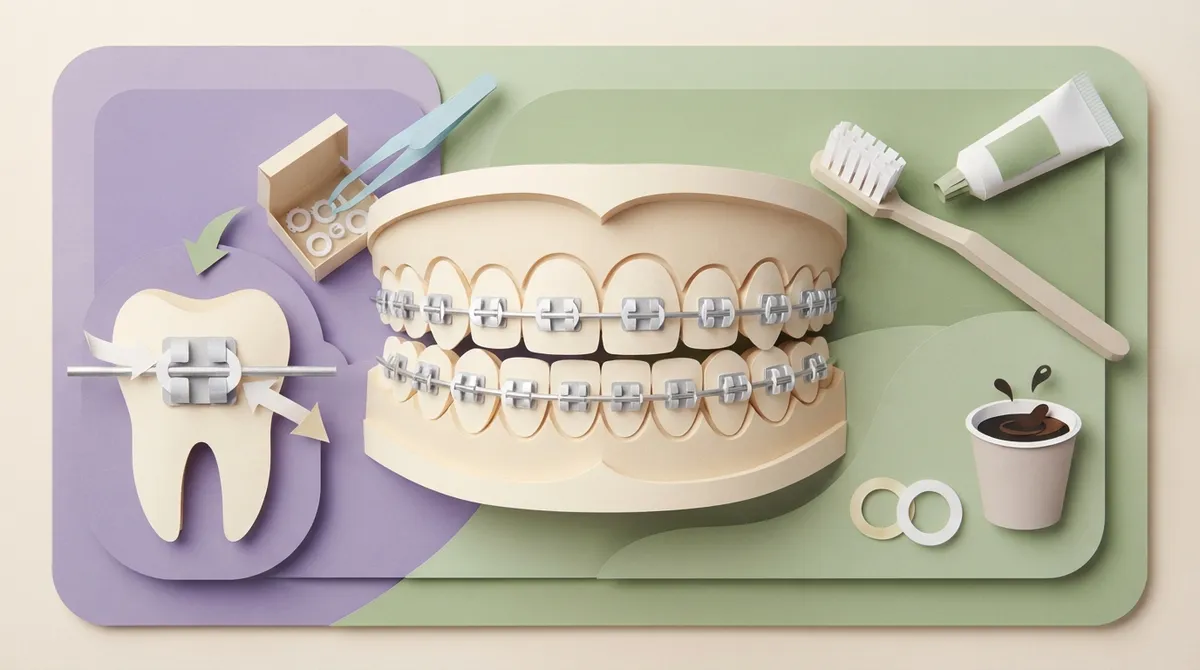
White braces bands are small elastic rings, often called elastomeric ligatures. They sit around each bracket and hold the archwire in place so your teeth can move step by step. They come in white, clear, and many colors, so you can pick a look that fits your style.
Here is a quick way to remember it: the bracket is the small square attached to your tooth, the wire is the thin metal line that guides movement, and the band (ligature) is the tiny elastic that keeps the wire snug in the bracket.
White Bands vs. Orthodontic Rubber Bands
This is one of the most common mix-ups, so let’s clear it up. White braces bands are different from the elastics some patients wear between upper and lower teeth. Those larger elastics help guide your bite or jaw position, and your orthodontist will tell you exactly how and when to wear them.
| Feature | White Braces Bands (Ligatures) | Interarch Elastics (Rubber Bands) |
|---|---|---|
| Where they go | Around each bracket | Between upper and lower teeth |
| Main job | Hold the archwire in the bracket | Guide bite and jaw alignment |
| Removable by you? | No, placed by the orthodontist | Yes, when instructed |
| Replaced when? | At adjustment visits | Often changed daily |
Why Do People Choose White Braces Bands?
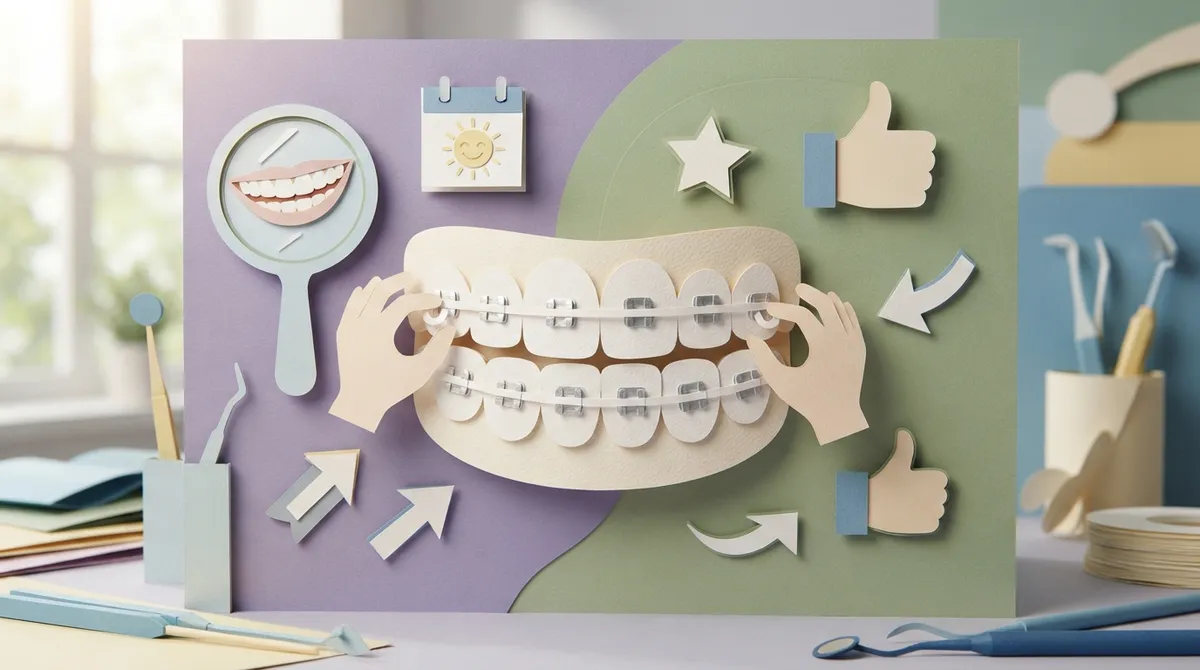
There are a few reasons white braces bands are so popular, especially with patients who want a more discreet look:
- They blend in. White and clear bands are less noticeable than dark or bold colors.
- They suit professional settings. Many career-focused adults prefer a quiet, polished look during meetings and presentations.
- They pair well with clear or white brackets. Together, they create a more natural appearance on camera and in photos.
- They feel familiar. Many teens like a clean look, while others still enjoy switching colors at each visit.
If you are on the fence between a subtle look and a playful one, it is totally okay to change your mind. Your orthodontist can swap colors at your next adjustment.
Do White Braces Bands Turn Yellow?
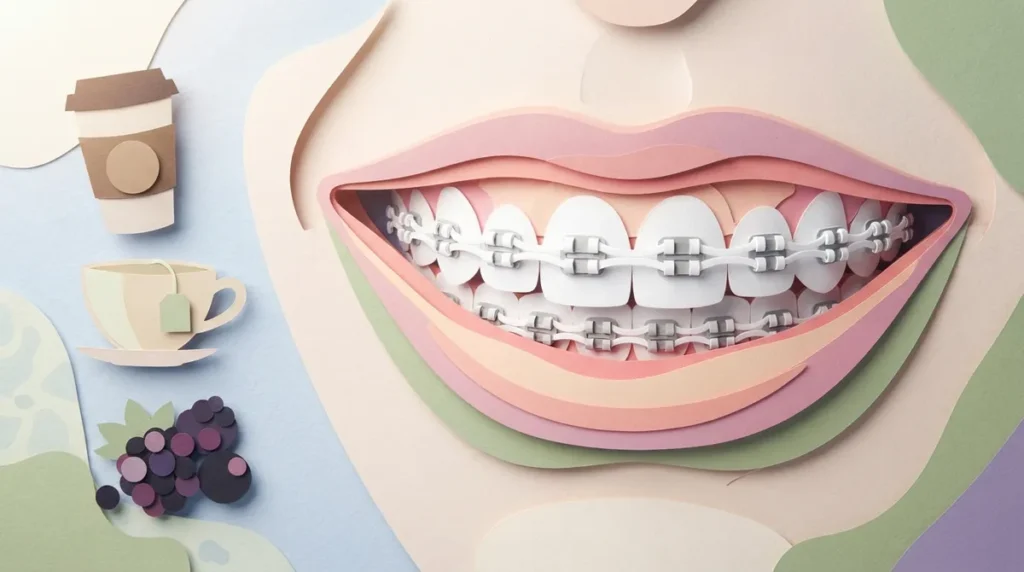
Yes, they can. White and clear bands are made from a soft elastic material that can absorb color from foods and drinks over time. A clinical study published in 2016 tested four brands of esthetic elastomeric ligatures and found significant staining in all of them after 30 days in the mouth. Some brands stained more than others, and results varied from person to person.
The important thing to know is that the staining affects the elastic band itself. It does not mean your teeth or brackets have changed color. Once the old bands are replaced with fresh ones, your braces look bright again.
Common Staining Culprits
- Coffee and black tea
- Red wine and dark sodas
- Tomato sauce, curry, and mustard
- Berries and berry-based drinks
- Dark sauces like soy or balsamic
- Cigarette smoke and certain mouth rinses
You do not have to give up everything you love. Small habits can make a big difference, and we will cover those next.
How to Keep White Braces Bands Looking Their Best
You cannot fully stop staining, but you can slow it down and keep your mouth healthier at the same time. Try these simple steps:
- Brush after meals and snacks. The American Association of Orthodontists recommends brushing for two minutes after eating and again before bed.
- Clean around every bracket. An interproximal brush (a tiny brush shaped like a pine tree) helps reach tight spots around bands and wires.
- Floss daily. A floss threader or water flosser can make this much easier with braces.
- Rinse with water right after dark drinks. A quick swish helps wash away pigments before they settle in.
- Use a straw for iced coffee or tea. It keeps more of the drink away from your front teeth and bands.
- Keep up with cleanings. Plan on professional dental cleanings at least every six months during treatment, or as your dental team advises.
For more daily-care ideas, take a look at our guide on how to care for your braces, and our list of 13 foods to avoid with braces.
Can Brushing Remove Stains From White Braces Bands?
Brushing is wonderful for your gums and teeth, and it may help keep new stains from building up. However, once a band has absorbed color, brushing usually will not bring the white back. The practical fix is to have the bands replaced at your next adjustment visit. Whitening products and harsh scrubbing are not a good idea around braces, so please check with your orthodontist before trying anything new.
How Often Are White Braces Bands Replaced?
Bands are typically replaced at adjustment visits, and the timing depends on your treatment plan. Many patients see their orthodontist every several weeks, and fresh bands are placed at those appointments. The elastic also loses some of its stretch over time, so replacement is not only about looks. It also helps keep steady, gentle pressure on your teeth.
If you want a cleaner look for a special day, such as a graduation, wedding, or work event, plan your visit a few days before. Fresh bands will look their brightest right after they are placed. You can also read more about what happens at these visits in our post on braces tightening.
Are Bands Used on Every Type of Braces?
No. Not every braces system uses elastic bands. Self-ligating brackets, for example, have a built-in clip or door that holds the wire, so no small elastic rings are needed. That can mean fewer places for stains to show up and a different feel during adjustments.
| Braces Type | Uses Elastic Bands? | Look and Feel |
|---|---|---|
| Traditional metal braces | Usually yes | Classic look, many color options |
| Clear or ceramic braces | Usually yes (clear or white bands) | Blends with teeth |
| Self-ligating braces | No | Clip holds the wire, no tiny rings |
| Clear aligners | No | Removable clear trays, no brackets or wires |
Curious about your choices? Our guide to the types of braces and our comparison of braces vs. clear aligners can help you find a good fit.
Options at Segovia Orthodontics for a More Discreet Smile
At Segovia Orthodontics in Lakewood Ranch, Dr. Flor Segovia offers several ways to straighten your smile, from fun designs for kids to subtle options for adults. A few favorites include:
- LightForce braces, which use custom 3D-printed brackets and offer clear or white bracket options for a more discreet look.
- WildSmiles braces, which bring playful bracket shapes that make treatment more fun for kids and teens.
- Clear aligners, including Angel Aligners, for patients who prefer removable, nearly invisible trays.
The right choice depends on your goals, your lifestyle, and your bite. A quick visit can help you sort it all out, and you can read about what to expect at your first orthodontist visit if you want to feel prepared. You can also visit our Segovia Orthodontics location on Google to see what local families are saying.
What If a Band Comes Off or Feels Loose?
It happens, and there is no need to panic. If a white band slips off, a wire pokes your cheek, or a bracket feels loose, here is a simple plan:
- Do not try to replace or remove bands yourself unless your orthodontist specifically tells you to.
- Save the piece if you can, and keep it in a small bag.
- Use orthodontic wax over any sharp spot to keep your mouth comfortable.
- Call your orthodontist and describe what happened so they can guide you.
Not sure whether it counts as urgent? Our post on common braces emergency situations and our orthodontic emergency page can help you decide what to do next.
Tips for Parents and Busy Adults
Life with braces is easier with a little planning. Here are a few ideas that work well for different families and schedules:
- For parents: Pack a travel toothbrush kit in your child’s backpack so they can brush after lunch. A small water bottle is great for rinsing after juice or sports drinks.
- For busy professionals: Keep an interproximal brush in your desk or bag. A two-minute cleanup after a morning latte can keep you feeling polished.
- For event planners: Schedule your adjustment close to the big day so your bands look fresh in photos.
- For adults returning to treatment: Ask your orthodontist about discreet options and retainer plans so your results last. Our guide on adult orthodontics is a great starting point.
Every smile journey is different, and a little patience goes a long way. Staining on bands is normal, fixable, and nothing to feel embarrassed about.
Ready for a Brighter, Easier Braces Experience?
White braces bands are a lovely, low-key way to wear braces, and with a few smart habits, you can keep them looking clean between visits. If you have questions about stained bands, color choices, or which braces style suits you best, our friendly team would love to help. You can request an appointment online, or call us at 941-557-1333 to chat with the team. For more tips and smile stories, follow our Instagram page, and if you want to learn about orthodontic credentials, you can read more at the American Board of Orthodontics.
FAQs
Q: What are white bands on braces called?
A: They are called elastomeric ligatures, or simply ligatures. These tiny elastic rings hold the archwire in each bracket. They are different from the larger rubber bands some patients wear between upper and lower teeth.
Q: Do white or clear braces bands turn yellow?
A: Yes, they can. The soft elastic absorbs color from foods and drinks like coffee, tea, and tomato sauce. The good news is that only the bands change color, and fresh ones can be placed at your next adjustment visit.
Q: Can I choose braces without elastic bands?
A: Often you can! Self-ligating brackets hold the wire with a built-in clip, so no small elastic rings are needed. Clear aligners are another option, since they do not use brackets or bands at all. Your orthodontist can help you decide what fits your smile best.
Q: How can I keep my white braces bands clean?
A: Brush after meals and before bed, clean around brackets with an interproximal brush, and floss daily. Rinse with water after dark drinks, and keep up with regular dental cleanings. Please do not remove or replace bands yourself unless your orthodontist tells you to.
Our Service Area